
In brief
Engineering guidance on SONiC Switch Buying Guide for Australian MSPs and Integrators for Australian network teams, covering underlay design, EVPN-VXLAN operations.
Key takeaways
- Australian managed service providers and systems integrators face a convergence of pressures in data center networking.
- But evaluating SONiC is not a paper exercise. MSPs and integrators need a structured lab test plan to validate hardware compatibility, protocol behavior, operational tooling, and support models before committing client infrastructure to an open networking stack.
- The SONiC Foundation, a Linux Foundation project, describes SONiC as a full-suite network operating system that decouples hardware from software and has been production-hardened in the data centers of major cloud service providers.
Why Australian MSPs and Integrators Need a SONiC Lab Test Plan
Australian managed service providers and systems integrators face a convergence of pressures in data center networking. AI workload demand is accelerating, sovereign data requirements are tightening, and traditional proprietary switch lock-in is becoming harder to justify on cost or agility grounds. Software for Open Networking in the Cloud (SONiC) — an open-source network operating system built on Linux and containerized architecture — has emerged as a credible alternative for data center spine-leaf fabrics, AI clusters, and enterprise backbone deployments.
But evaluating SONiC is not a paper exercise. MSPs and integrators need a structured lab test plan to validate hardware compatibility, protocol behavior, operational tooling, and support models before committing client infrastructure to an open networking stack. This guide provides that framework, grounded in how SONiC actually works and tailored to the realities of the Australian enterprise and data center market.
The SONiC Foundation, a Linux Foundation project, describes SONiC as a full-suite network operating system that decouples hardware from software and has been production-hardened in the data centers of major cloud service providers. For Australian MSPs, this means the technology is not experimental — but the evaluation process must still account for local support, compliance, and integration requirements that hyperscalers handle internally.
Understanding SONiC Architecture Before You Lab It
Before building a test plan, MSPs and integrators need to understand what they are evaluating. SONiC’s architecture matters because it directly shapes what you can and cannot test in a lab environment.
SONiC is built on a container-based design where each network function runs in its own Docker container. This modular architecture provides fault isolation, simplified troubleshooting, and the ability to upgrade individual components without rebuilding the entire switch image. The platform uses the Switch Abstraction Interface (SAI) to decouple the NOS from the underlying ASIC, which means the same SONiC image can theoretically run on hardware from different vendors using different switching silicon.
Key architectural characteristics that affect lab testing:
- Multi-vendor and multi-ASIC support through SAI, meaning you must test on the specific hardware you plan to deploy
- JSON-based configuration with support for CLI and programmatic methods (NETCONF/YANG, gNMI, REST APIs)
- Standard Linux networking tools and interfaces, enabling integration with existing automation stacks
- Production-scale protocol support including BGP, RDMA, RoCE v2, and EVPN-VXLAN
For a deeper look at how these capabilities map to data center fabric design, see the xSONiC AI Fabric solution guide and the EVPN-VXLAN guide.
The Australian Data Center Context
Australia’s data center market has distinct characteristics that shape SONiC evaluation criteria. The OCP Podcast featured David Hirst, CEO of Macquarie Data Centres, discussing how Australian data center design is shifting from a real estate model to a chip-out thinking approach driven by AI workloads. Key takeaways for MSPs and integrators include:
Data sovereignty and compliance: Australian enterprises increasingly require that workloads remain onshore. Regulatory frameworks including the Privacy Act 1988, the Security of Critical Infrastructure Act 2018, and IRAP assessment requirements for government workloads all influence where and how networking infrastructure must operate. A SONiC-based deployment must demonstrate compliance alignment as part of the lab test plan.
AI workload density: Australian data centers are planning for liquid-cooled, high-density rack designs to support GPU clusters. This has direct implications for switch selection — ports per rack unit, 400G and 800G uplink capacity, and RDMA/RoCE v2 support for lossless fabric behavior are not optional features.
Market maturity: The Australian market has a mix of hyperscale colocation providers, sovereign cloud operators, and enterprise private data centers. MSPs and integrators serving this market need hardware and NOS combinations that scale across different deployment sizes.
Building the Lab Test Plan: Phase 1 — Hardware and Image Qualification
The first phase of a SONiC lab test plan focuses on hardware compatibility and image stability. This is where the SAI abstraction layer gets tested in practice.
Hardware checklist:
| Test Item | What to Verify | Pass/Fail Criteria |
|---|---|---|
| Switch model and ASIC | SAI compatibility, supported SONiC version | Image boots and passes basic diagnostics |
| Port mapping | All physical ports enumerate correctly, speeds match specs | No missing or misconfigured ports |
| Firmware baseline | ONIE version, BMC firmware, BIOS | All firmware at vendor-recommended versions |
| Optical compatibility | Transceiver detection, DOM readings, link training | All ports link up at rated speed with target optics |
| Power and thermal | Under load, ambient temperature | No thermal throttling at expected DC ambient |
Image qualification steps:
- Download the SONiC image compatible with your target hardware and ASIC from the supported devices list
- Install via ONIE (recommended for bare-metal switches) or build from source for development testing
- Verify container health using
docker psand system status viashow system status - Confirm interface enumeration with
show interfaces status - Run a 48-hour soak test under simulated traffic load
See xSONiC data center AI switches for hardware options designed for open NOS evaluation.
Building the Lab Test Plan: Phase 2 — Protocol and Fabric Validation
Once hardware and image are qualified, the lab must validate the protocols and fabric behaviors that matter for the target deployment. For Australian enterprise data centers, this typically means spine-leaf BGP EVPN-VXLAN with optional RDMA/RoCE v2 for AI or storage workloads.
Protocol test matrix:
| Protocol / Feature | Lab Test | Why It Matters |
|---|---|---|
| BGP underlay | Multi-spine, multi-leaf convergence, failover time | Core fabric reachability and resilience |
| EVPN-VXLAN overlay | Tenant isolation, host mobility, multi-tenancy | Enterprise workload segmentation |
| RoCE v2 | Lossless fabric behavior, PFC, ECN, DCBX negotiation | AI/ML cluster and storage fabric performance |
| INT telemetry | In-band flow visibility, latency measurement | Operations and troubleshooting tooling |
| NETCONF/YANG | Configuration push, model validation, rollback | Automation and Infrastructure-as-Code readiness |
| LLDP / MLAG | Neighbor discovery, link aggregation failover | Physical fabric resilience |
For RoCE v2 validation, the xSONiC RoCE v2 guide and INT technology solution provide detailed context on what lossless fabric behavior means in practice.
MSPs should test protocol behavior under failure conditions: pull links, kill BGP sessions, simulate ASIC faults. SONiC’s container-based architecture means you can observe which containers restart and how fast they recover — this is a meaningful differentiator from monolithic NOS designs.
Building the Lab Test Plan: Phase 3 — Operations and Automation
The third phase evaluates how SONiC integrates into the MSP or integrator’s operational tooling. This is often where proprietary NOS lock-in has been strongest, and where open networking must prove it can close the operational gap.
Operations test areas:
-
Configuration management: Test NETCONF/YANG or gNMI-based configuration push from tools like Ansible, Salt, or a custom orchestrator. SONiC’s JSON configuration model translates well to Infrastructure-as-Code workflows, but the lab should verify model coverage for all features in the target deployment.
-
Monitoring and telemetry: Validate streaming telemetry output (gNMI, OpenConfig models) against your NMS or AIOps platform. Test INT telemetry visibility for east-west traffic flows.
-
Image lifecycle: Test image upgrade and rollback procedures. Because SONiC is containerized, upgrades can be targeted to specific components, but the lab should verify that this works cleanly on your target hardware.
-
Day-2 troubleshooting: Exercise common failure scenarios and verify that
showcommands, log outputs, and diagnostic tools provide actionable information. SONiC uses standard Linux tooling (tcpdump, ethtool, etc.) which is familiar to most network engineers, but the lab should confirm this for the specific deployment.
The xSONiC AIDC Controller is designed to address network operations and automation for SONiC-based fabrics.
Building the Lab Test Plan: Phase 4 — Compliance and Documentation
For Australian MSPs serving government, financial services, healthcare, or critical infrastructure clients, the lab test plan must include compliance verification and documentation.
Compliance test items:
- Verify that all network traffic can be logged and audited to meet data sovereignty requirements
- Test encryption capabilities for management plane (SSH, TLS) and data plane (MACsec where supported)
- Document the software bill of materials (SBOM) for the SONiC image — SONiC’s open-source nature makes this more transparent than proprietary alternatives
- Validate that the deployment architecture supports IRAP or equivalent assessment frameworks
Documentation deliverables from the lab:
- Hardware compatibility matrix (specific models, firmware versions, optic types tested)
- Protocol validation results with pass/fail against the test matrix
- Automation integration test results
- Known issues and workarounds log
- Recommended production configurations
This documentation becomes the basis for client proposals and production deployment plans. It also provides an audit trail that demonstrates due diligence in technology evaluation.
From Lab to Production: What Comes After Testing
A completed lab test plan gives MSPs and integrators a defensible basis for recommending SONiC-based data center networking to their clients. But the evaluation should also inform procurement decisions.
Key procurement considerations for the Australian market:
- Hardware sourcing: Evaluate lead times, warranty terms, and local inventory for bare-metal switches compatible with SONiC. xSONiC’s data center AI switches are designed for SONiC-based spine-leaf and AI fabric deployments.
- Optics and cabling: Plan optical transceiver sourcing alongside switch procurement. Mixed-vendor optic compatibility should already be validated in the lab.
- Support contracts: Determine whether open-source community support is sufficient or whether a commercial support agreement is needed for the client’s SLA requirements.
- Staffing and skills: Assess whether the team has Linux and container experience, which are prerequisites for operating SONiC effectively. The OCP community hosts workshops and hackathons that can accelerate team readiness.
The OCP Networking project, which includes SONiC as a sub-project, aims to bring the same disaggregation principles to networking that OCP brought to servers and storage. For Australian MSPs and integrators, this represents a structural shift in how data center networks are designed, procured, and operated — and a well-executed lab test plan is the bridge from evaluation to confident deployment.
Contact xSONiC to discuss SONiC-compatible hardware options for your next Australian data center project.
Engineering Evidence Floor
For telemetry and automation topics, accept the design only when state, change, and incident evidence are connected. The evidence package should include gNMI or NETCONF/YANG support, telemetry cadence, collector location, alert thresholds, config source of truth, rollback, packet visibility, retention, and escalation ownership. A practical pilot should run 24 hours of streaming telemetry, include 3 automated changes, and prove that an incident bundle can be produced within 2 hours.
| Evidence area | What to validate | Acceptance gate | Rework trigger |
|---|---|---|---|
| State export | gNMI/OpenConfig, NETCONF/YANG, counters, and optics data | 24 hours telemetry stream retained | Dashboards lose data during faults |
| Change control | Source of truth, diff, validation, and rollback | 3 automated changes pass readback | Automation pushes config without proof |
| Incident view | Alerts, logs, packet feeds, and queue/drop counters | Root cause path identified within 15 minutes | Graphs show symptoms but not cause |
| Security | Access control, retention, audit trail, and sovereignty | 30 days evidence policy documented | Telemetry path violates data handling rules |
| Support | Escalation owner, evidence bundle, patching, and RMA | P1 package ready within 2 hours | Vendor handoff lacks data |
Engineering FAQ
What should be proven before adopting EVPN-VXLAN on SONiC? Prove underlay routing, BGP sessions, VTEP behaviour, MAC/IP learning, route scale, multi-homing design, failure convergence, and observability. The overlay should be accepted as a system, not a feature checkbox.
Why does the underlay design still matter in an overlay network? EVPN-VXLAN depends on a stable routed underlay. MTU, ECMP, addressing, route policy, link failure behaviour, and telemetry determine whether the overlay remains predictable under load and during faults.
What should be included in an EVPN-VXLAN operations runbook? Include naming, IP plan, BGP policy, VNI mapping, change process, rollback commands, failure checks, telemetry fields, backup and restore steps, and escalation ownership for the selected SONiC image.
Related xSONiC Resources
Sources Reviewed
- IEEE 802.1Q Bridges and Bridged Networks
- IEEE 802.1AX Link Aggregation
- Ethernet Network Adapters - ConnectX NICs | NVIDIA
- NVIDIA BlueField Data Processing Unit
- NVIDIA Spectrum-X Ethernet Platform
- OpenConfig gNMI Specification
- OpenConfig
- RFC 7950 - The YANG 1.1 Data Modeling Language
- RFC 6241 - Network Configuration Protocol (NETCONF)
- SONiC Project Documentation
- Broadcom Ethernet Switching
- Marvell Switching
- NVIDIA Ethernet Switching
- Open Compute Networking
- SONiC GitHub
- SONiC Foundation
Product fit
Products referenced for evaluation
These products are referenced for evaluation context in the article. Confirm workload, port, optics, software, interoperability, and support requirements against the exact deployment before procurement.
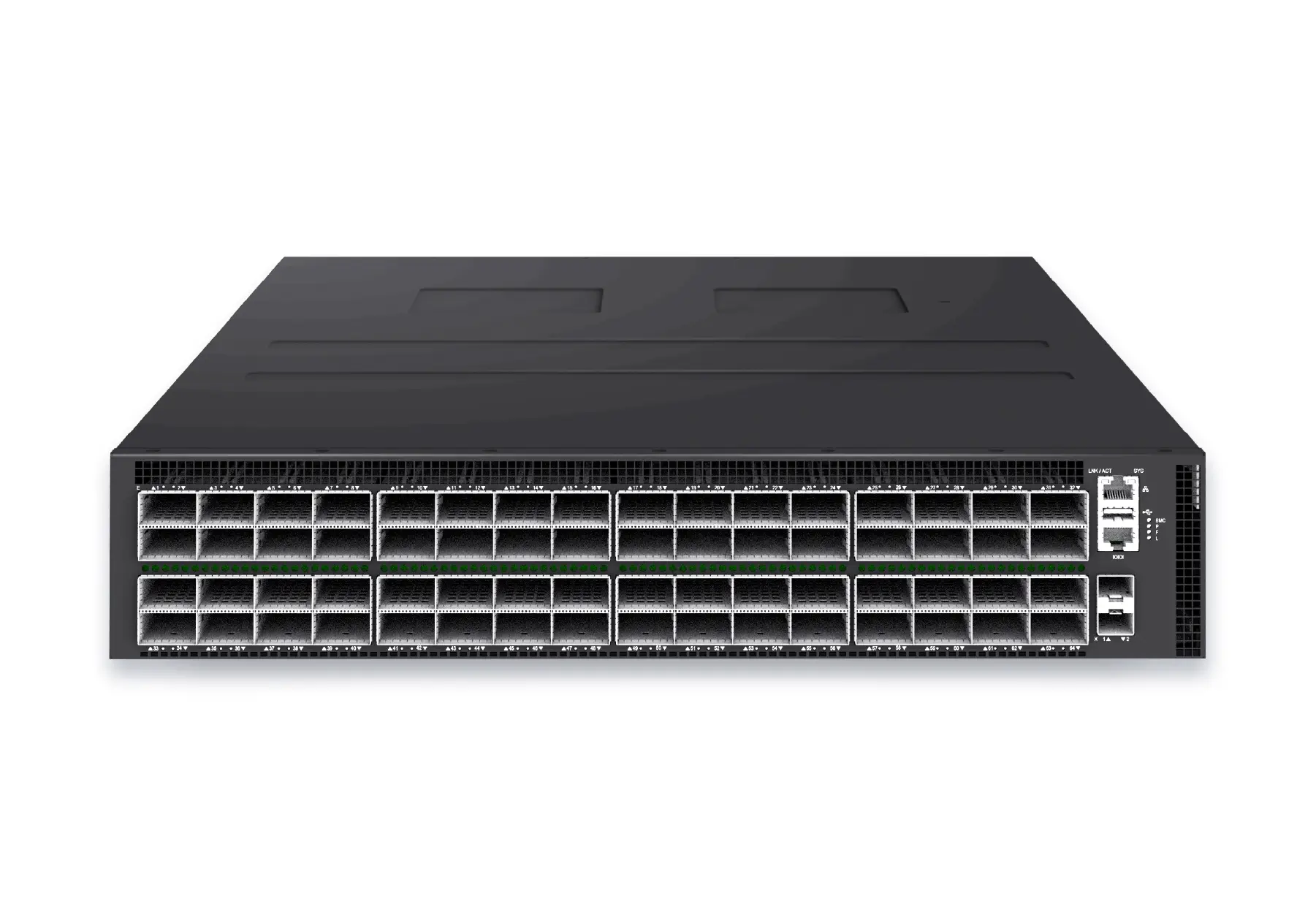 datacenter aiXS-DC-64X800-AI-G164-port 800G AI fabric switch for large-scale GPU clusters, HPC backbones, and ultra-high-throughput data center networks.View product
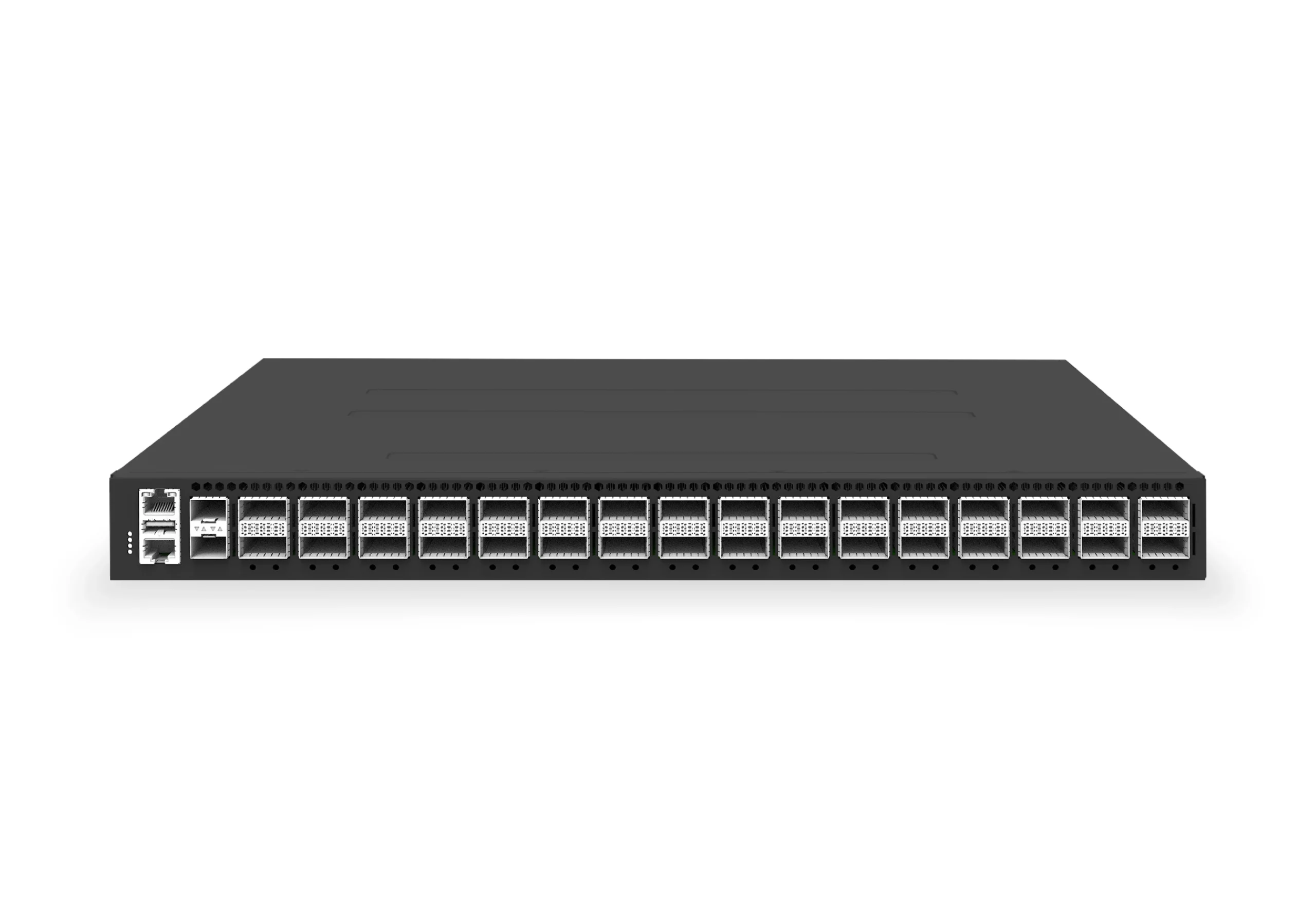 datacenter aiXS-DC-32X400-SP-G232-port 400G spine/core switch for high-capacity data center fabrics and AI-ready backbones.View product
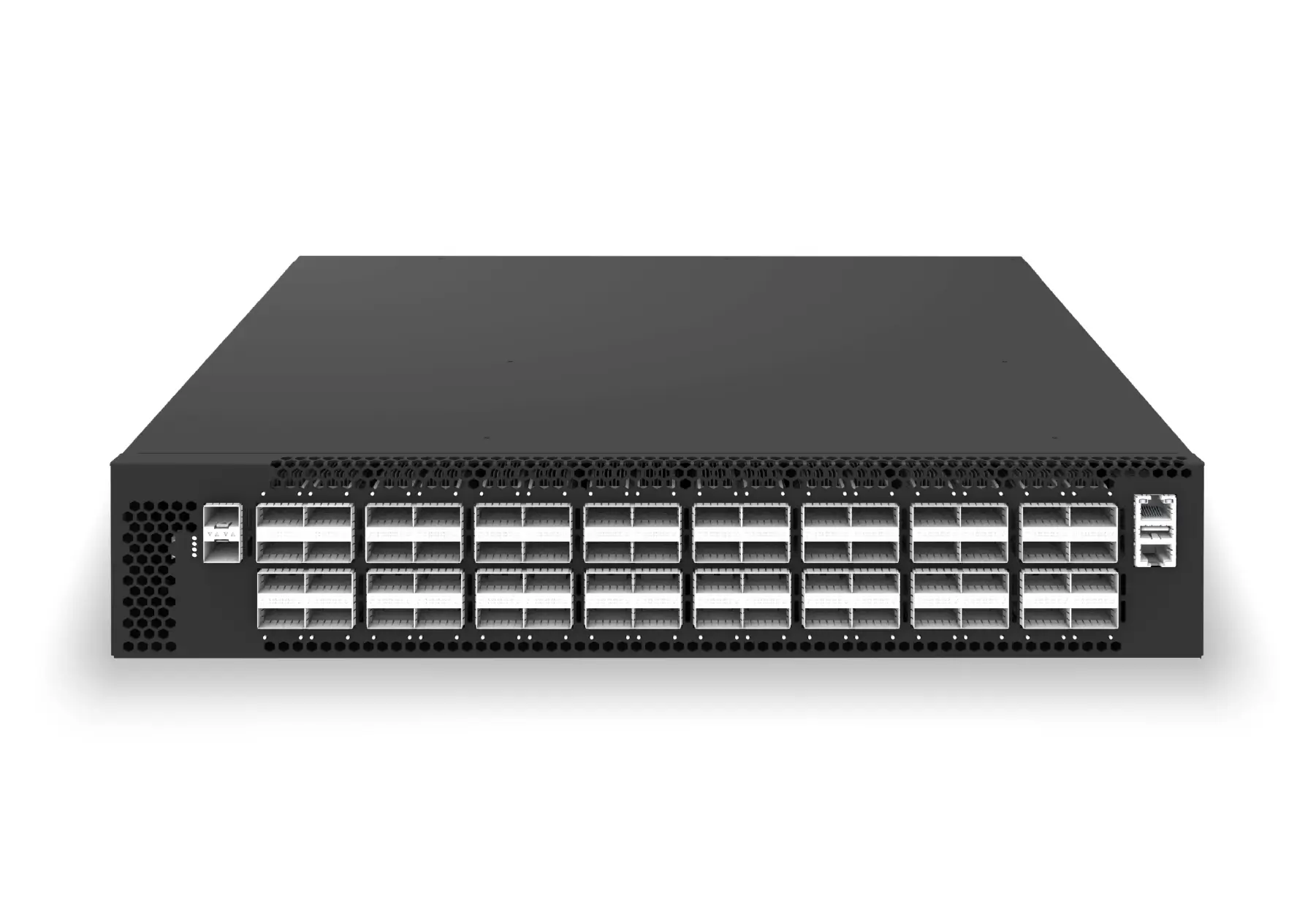 datacenter aiXS-DC-64X200-LS-G164-port 200G leaf/spine switch for high-bandwidth storage, compute, and scale-out data center fabrics.View product
Continue reading
Related articles
 Technical ArticleSONiC Switch Pre-Production Validation Checklist: A 12-Point Testing Playbook for Open Networking TeamsEngineering guidance on SONiC Switch Pre-Production Validation Checklist for Australian data centre buyers, covering form factor choice, link budgets, cabling.Read article
 Technical ArticleWhy Australian Data Centers Are Re-evaluating Open Networking for AI InfrastructureEngineering guide for AI fabric buyers covering RoCE, SONiC, telemetry, optics, support ownership, and deployment validation.Read article
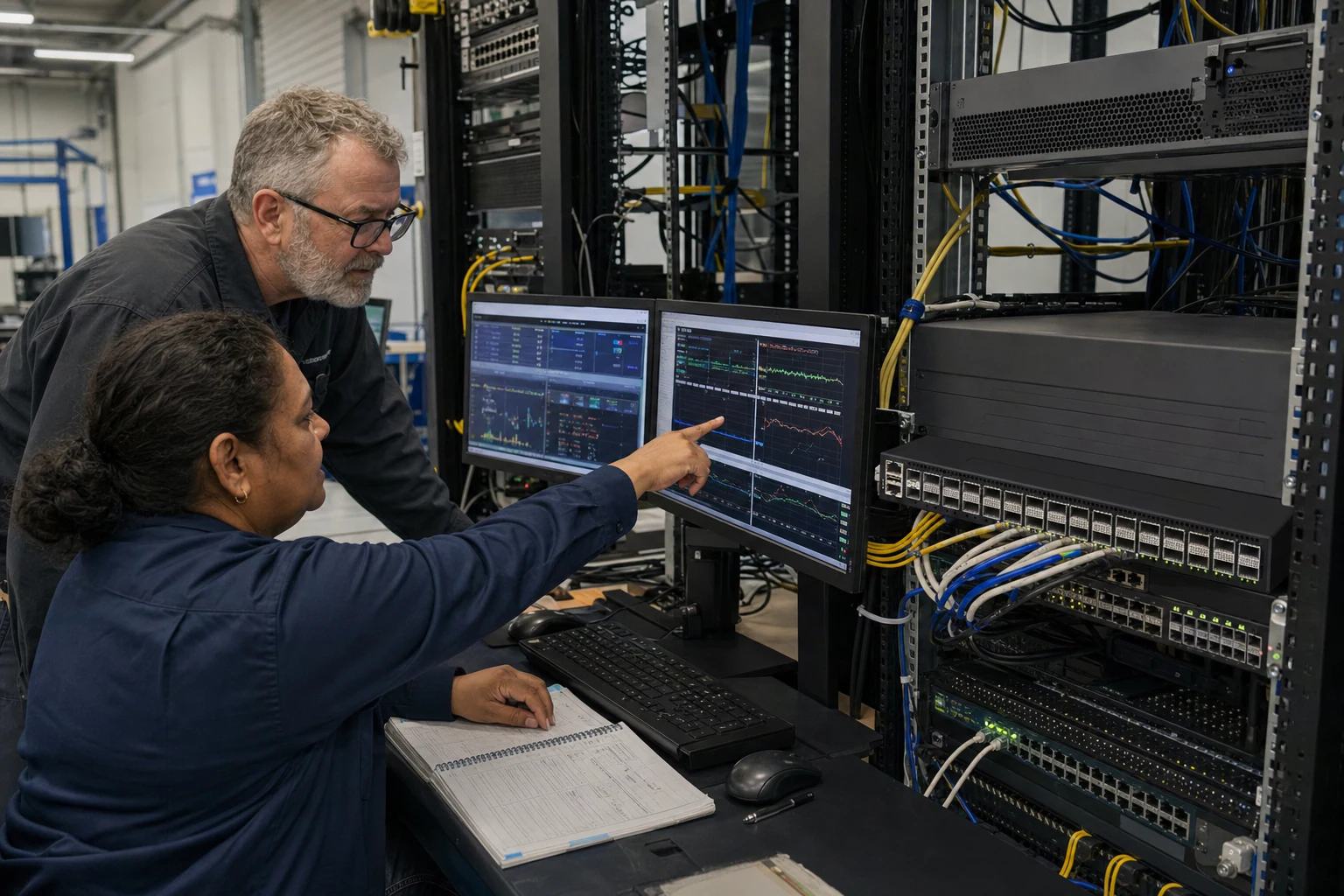 Technical ArticleSONiC Switch Validation Before Production: What Australian Network Teams Need on Their ChecklistEngineering guide for SONiC and open networking buyers covering platform fit, automation, support, telemetry, and validation evidence.Read article