Buyer input
Destination, buyer, end user, end use, product scope and required delivery date are needed before a defensible quote.Technical fit
Ports, optics, software assumptions, power, cooling, management and acceptance expectations are reviewed as one order.Release gate
Order release remains subject to applicable classification, sanctions, export-control and commercial checks.Written boundary
Delivery terms, documentation, support region and escalation path are stated in the quote or agreement.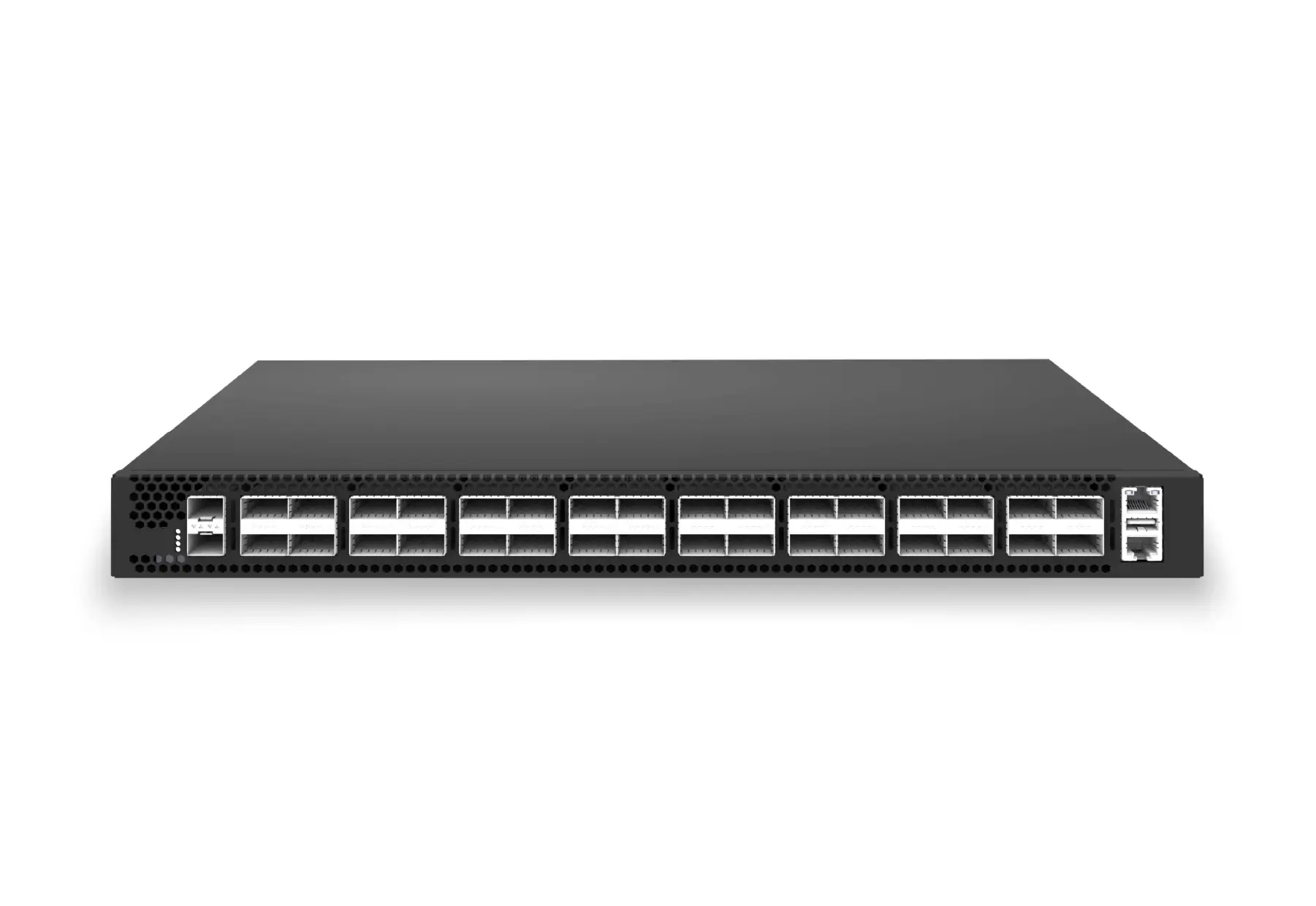
Evidence boundary
A product image is not evidence of shipment or export clearance.
This page describes an intake and review process. It does not report a completed shipment, a customs decision, a permit, an in-country installation or an available support partner for any destination.
What establishes a project-specific claim
- The destination, buyer, end user, end use and exact goods reviewed for the order
- Any classification, declaration, permit or sanctions-screening record applicable to that shipment
- The agreed Incoterms, delivery documents, receiving checks and regional support boundary
Start with the receiving environment
The first export conversation should describe the network and the destination rather than name a single SKU. This allows the hardware, optics, software image, power and support assumptions to be checked before freight or delivery commitments are discussed.
- Topology, port count, speed, reach, breakout and cabling requirements
- NOS image, management, telemetry, automation and rollback expectations
- Destination country, importing entity, end user and intended use
- Required documents, receiving checks, delivery window and support expectations
Separate screening from technical acceptance
Export screening answers whether and under what conditions an order may proceed. Technical acceptance defines how the configured equipment will be checked. Passing one does not prove the other, so the quotation should identify both gates and their owners.
- Screening: product scope, destination, end user, end use and applicable restrictions
- Pre-shipment: agreed configuration, link, management, telemetry or rollback checks where scoped
- Receiving: quantity, condition, identifiers, supplied documents and exceptions
- Support: region, hours, response expectations, spares and escalation route as agreed
Australian export references
These official sources describe general Australian export and sanctions frameworks. Project decisions still depend on the actual goods, parties, destination and end use.
Export intake
What an international buyer should confirm first
What information is needed before quotation?
Provide the technical requirement, destination, buying entity, end user, end use, requested delivery timing, documentation needs and support expectations.
Does xSONiC guarantee supply to every country?
No. Supply is considered case by case and remains subject to technical availability, commercial review and any applicable export-control or sanctions requirements.
Is pre-shipment validation automatically included?
No. The tests, evidence format, exceptions process and commercial scope need to be stated in the quotation.
Are local installation or support partners included?
Only where identified in the written scope. Region, delivery method, partner involvement and escalation ownership are confirmed per order.