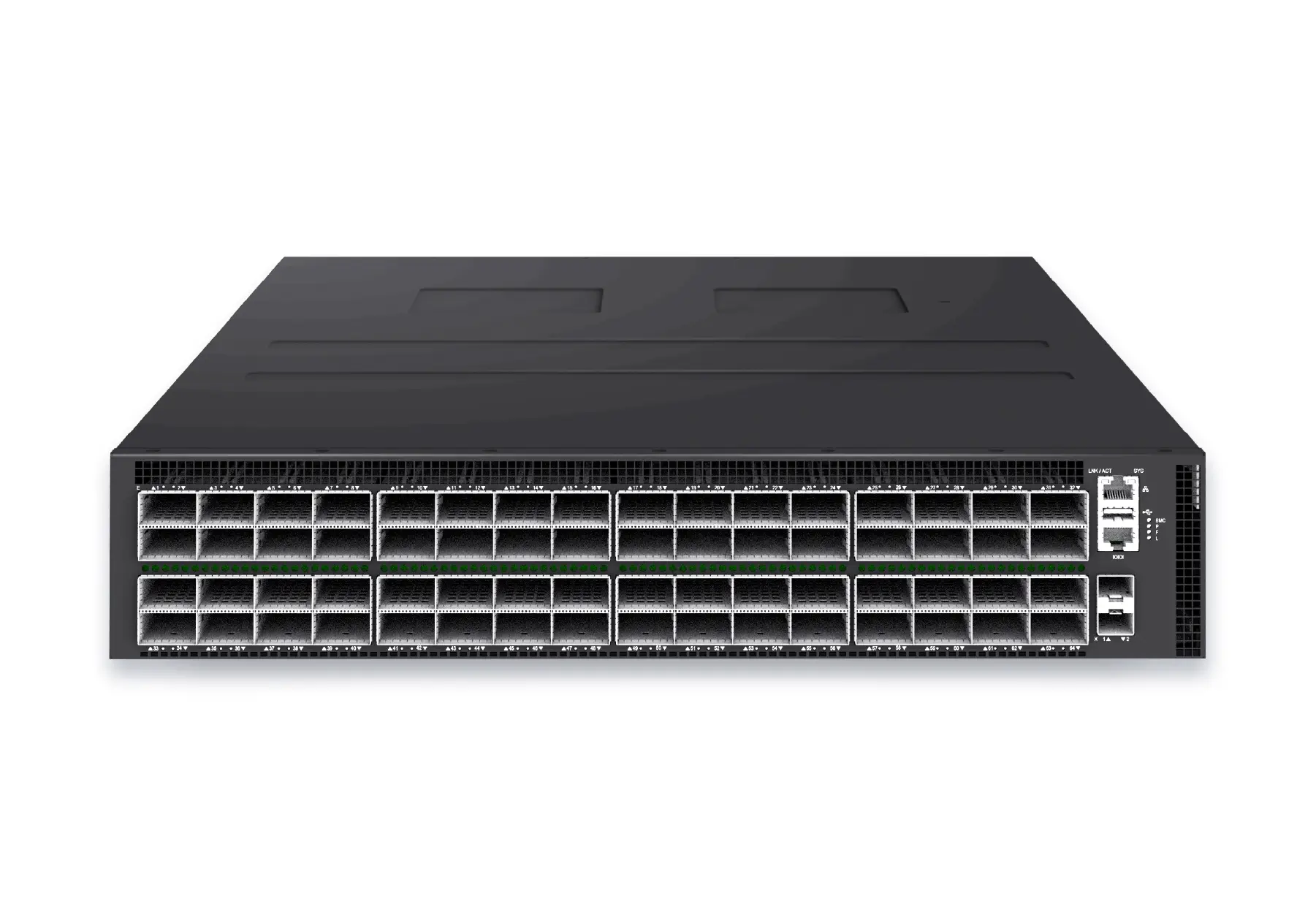
64-port 800G AI fabric switch for large-scale GPU clusters, HPC backbones, and ultra-high-throughput data center networks.
- Ports
- 64x 800G OSFP
- Capacity
- 51.2Tbps
- OS
- Enterprise SONiC / xSONiC OS profile
Technology Overview
This page outlines the open-NOS, management and visibility questions to validate before selecting a platform. Published catalogue fields are starting points, not compatibility or performance evidence.
Technology Pillars
The emphasis is on what a buyer and operator should verify around the platform, not on broad claims inferred from raw port counts.
Evaluate the qualified SONiC image, hardware profile, and lifecycle scope together instead of treating the NOS name as proof of compatibility.
Use a proof of concept to validate the command-line, telemetry, failure, and upgrade workflows your operators actually depend on.
Published management interfaces are platform- and image-specific; confirm the required API, schema, and release before purchase.
Published Platform Anchors
These product pages identify the published port profile, capacity, and SONiC positioning. They are evaluation inputs—not a substitute for release notes, qualification results, or a signed bill of materials.
64-port 800G AI fabric switch for large-scale GPU clusters, HPC backbones, and ultra-high-throughput data center networks.
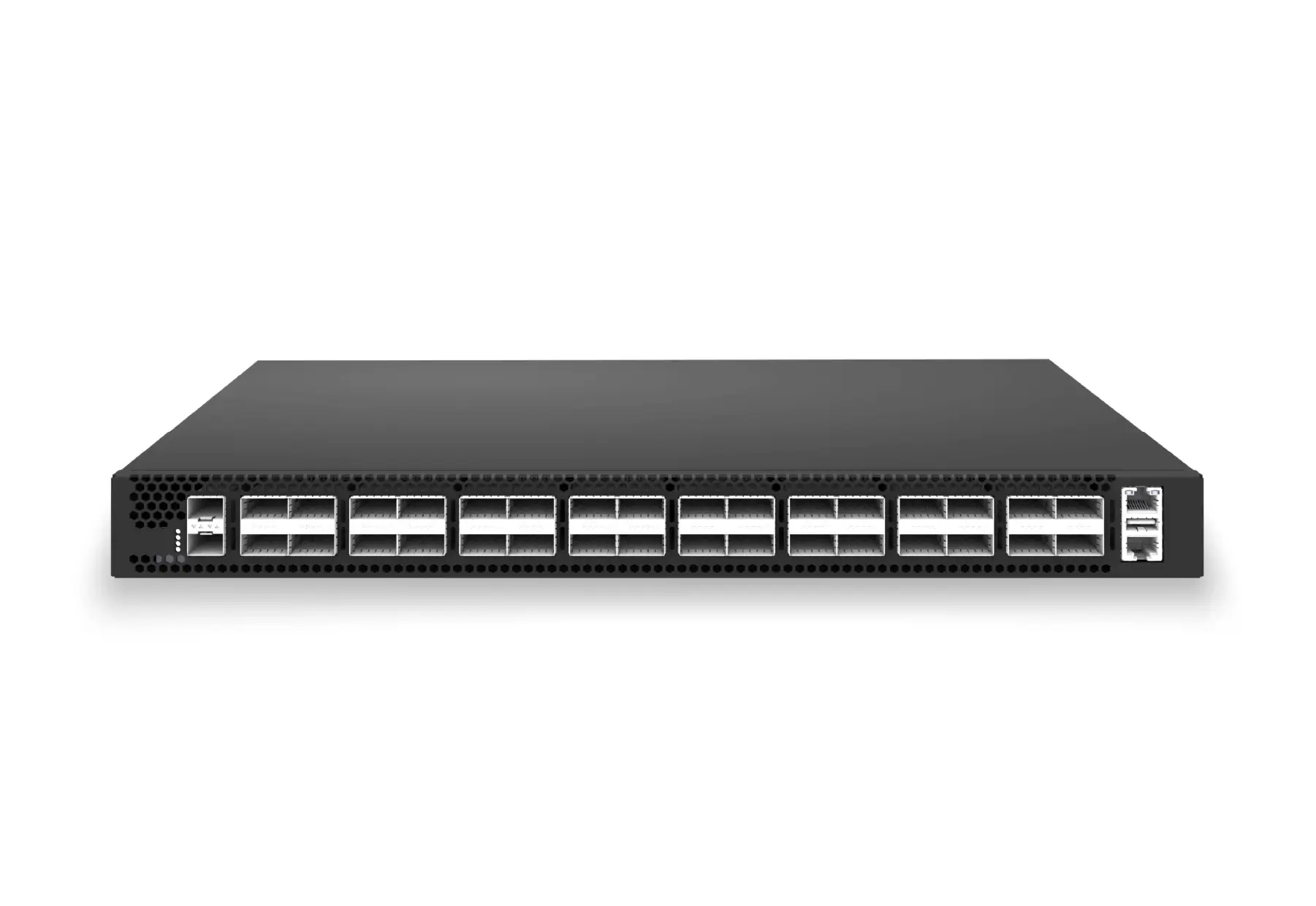
32-port 100G leaf/spine switch for compact data center fabrics, cloud routing, and high-throughput server aggregation.
Evidence boundary
The product cards identify published xSONiC records. The terminal below is deliberately illustrative and is not captured output from a released image, laboratory run or customer deployment.
Operator Experience
The commands below show the types of operational checks a proof of concept should cover. They are not captured output from a released image.
Illustrative transcript only. Command names, output, available services, and management paths vary by qualified xSONiC image and hardware platform; verify them in the target release.
Next Technical Step
Bring the required protocols, automation interfaces, topology, optics, and support assumptions into a scoped engineering review.