Solution Overview
AI Fabric is designed for high-throughput east-west traffic patterns where GPU cluster interconnect, low latency, and scalable spine-leaf expansion are core design priorities.
Why It Matters
- Supports dense bandwidth requirements for modern AI and ML environments.
- Aligns with open networking operations and automation-led deployments.
- Provides a practical path from pilot cluster to production-scale fabric.
Engineering Position
The main design question is not whether the switches can advertise 400G or 800G ports. The real question is whether the fabric can keep synchronized GPU traffic predictable when many hosts send at the same time. A smaller fabric with explicit congestion telemetry, tested ECMP behavior, and documented rollback can outperform a larger design that only proves line-rate forwarding on isolated links.
For that reason, an AI fabric should be specified around workload phases: all-reduce, parameter exchange, storage checkpointing, model loading, and management traffic. Each phase creates a different pressure point. All-reduce tests path symmetry and queue behavior, checkpointing tests storage leaf and uplink headroom, and management traffic tests whether operators can still reach the cluster when the backend is busy.
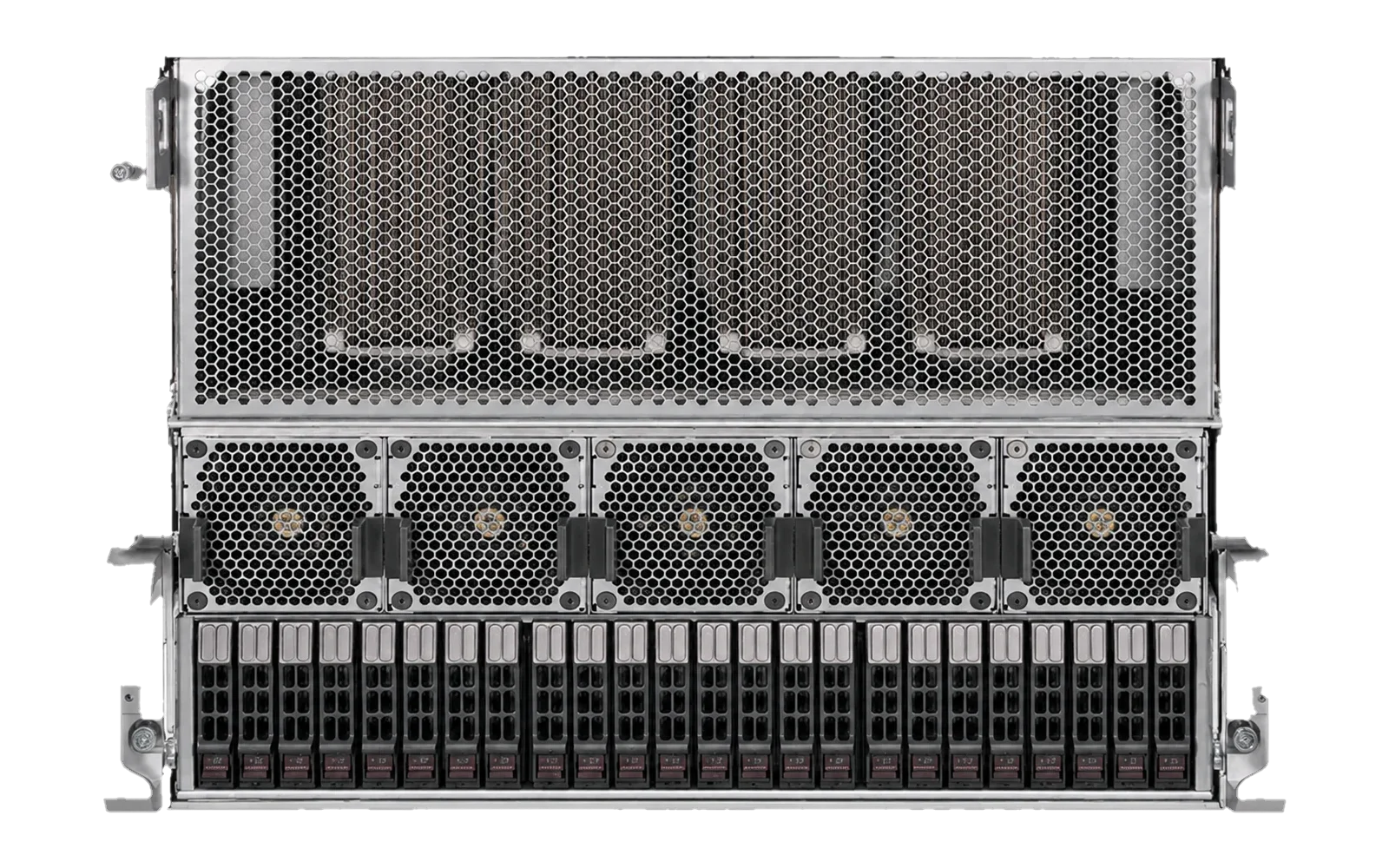
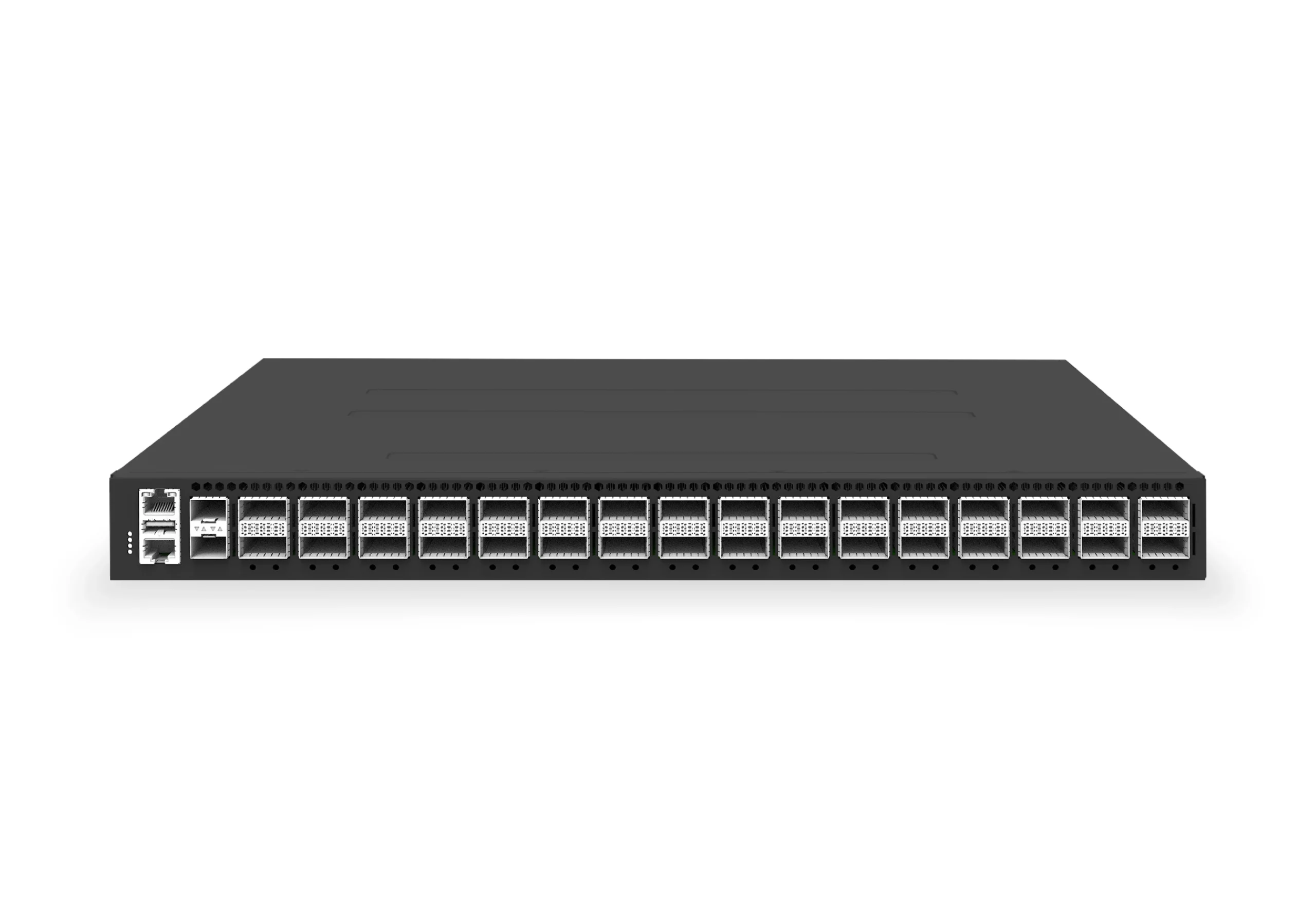
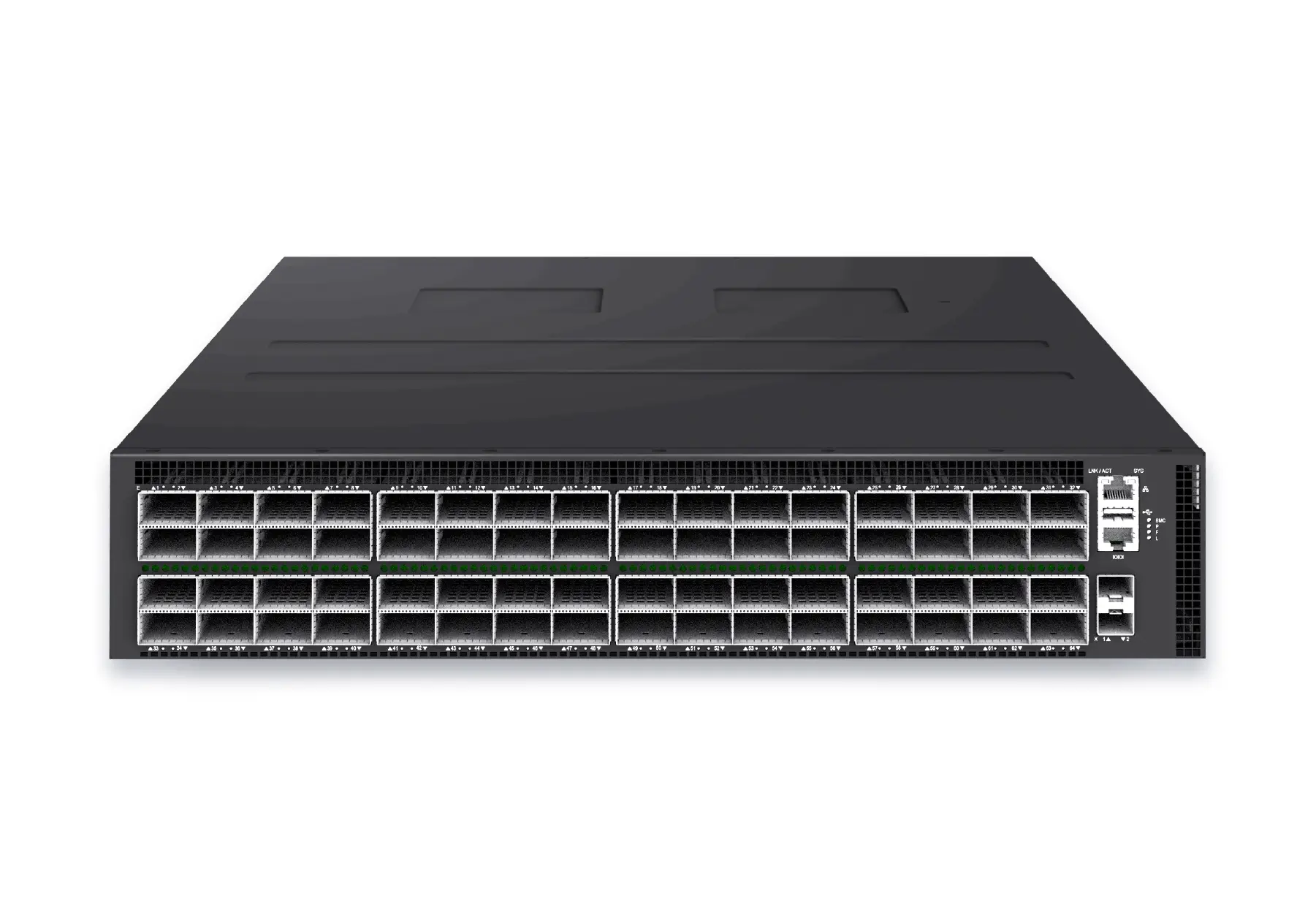
For a private inference design, capture model, context, concurrency, storage, host-I/O, power, and latency requirements from the xSONiC AI Inference Server evaluation page before sizing the fabric. Then compare the published XS-DC-32X400-SP-G2 32x400G SONiC spine switch and XS-DC-64X800-AI-G1 64x800G AI fabric switch against those inputs. These links define a shortlist and evidence path; they do not establish automatic compatibility or a production performance result.
Design Boundaries
| Boundary | Engineering Decision | Evidence Required |
|---|---|---|
| Backend fabric | Decide whether GPU-to-GPU traffic is isolated or shares links with storage. | Traffic-class map, ECMP plan, and queue telemetry under load. |
| Oversubscription | Set an accepted ratio for leaf-to-spine and storage paths. | Sustained test results at the agreed workload size. |
| Congestion policy | Align PFC, ECN, ETS, and RoCEv2 behavior before production. | Queue depth, ECN marks, PFC pause frames, and drops per class. |
| Operations model | Define how changes, failures, and rollback are handled. | Config diff, version baseline, rollback owner, and incident runbook. |
Pilot Scope
Start with a pilot that is large enough to expose path and queue behavior but small enough to troubleshoot quickly. A useful first scope is 2 leaf switches, 2 spine paths, 4 to 8 GPU servers, at least 3 traffic classes, and one storage or checkpoint path. Run the same workload with normal operation, a failed leaf uplink, and a failed spine path so the team can compare throughput, p99 latency, queue pressure, and job step variance.
Do not accept the pilot on average link utilization alone. The acceptance record should include the worst queue observed, the highest pause-frame burst, the ECMP path distribution, the number of packet drops by class, and whether application completion time stayed within the agreed SLO.
Engineering Validation Checkpoint
Accept the AI fabric only after a pilot proves loss, latency, and recovery behavior under the workload mix that will run in production. For a first validation window, use at least 2 leaf switches, 2 spine paths, 3 traffic classes, and a 30 minute sustained test that includes all-reduce style east-west traffic, storage traffic, and management traffic. Capture queue depth, ECN marks, PFC pause frames, packet drops, and job step time in the same report.
| Check | Evidence to collect | Reject condition |
|---|---|---|
| RDMA or GPU backend behavior | Queue telemetry, ECN/PFC counters, link utilization, and p99 latency. | Loss on protected traffic or tail latency outside the workload SLO. |
| Failure recovery | One leaf link failure, one spine path failure, and route convergence timing. | Job traffic stalls without a documented recovery path. |
| Operations readiness | SONiC service health, config backup, rollback test, and telemetry export. | No repeatable rollback or missing counters for congestion triage. |
The procurement decision should document the accepted oversubscription ratio, optics plan, telemetry fields, and failure tests. Without that evidence, an 800G fabric can still underperform a smaller 400G design that is better instrumented and easier to operate.
Record the accepted switch roles, cable plan, firmware baseline, and rollback owner in the design note so the production handoff has an audit trail.
Engineering FAQ
Should every AI fabric be non-blocking?
No. Non-blocking is useful for large training clusters, but it is not the only valid design. Private inference, smaller fine-tuning clusters, and storage-heavy workloads may accept controlled oversubscription if the operator can prove that p99 latency, queue depth, and job completion time remain inside the workload SLO during failure tests.
What evidence matters most during vendor evaluation?
Ask for a repeatable lab report, not only a reference topology. The report should show the switch model, optics type, software version, traffic generator or workload, offered load, congestion policy, failure case, telemetry fields, and rollback result. That evidence is what separates a deployable fabric from a slide-level architecture.