Overview
EVPN-VXLAN combines a routed IP underlay with a scalable overlay for tenant, application, or campus segmentation. VXLAN provides the encapsulation, while BGP EVPN distributes MAC, IP, and route information across the fabric.
For xSONiC networks, EVPN-VXLAN is useful when teams need Layer 2 adjacency in selected places without extending a fragile Layer 2 domain across the whole network.
Architecture Layers
| Layer | Function | xSONiC Design Choice |
|---|---|---|
| Underlay | Provides IP reachability between VTEPs. | Use routed leaf-spine with ECMP. |
| Overlay | Carries tenant or segment traffic over VXLAN tunnels. | Map VLANs or VRFs to VNIs. |
| Control Plane | Distributes MAC/IP and route information. | Use BGP EVPN instead of flood-and-learn. |
| Gateway | Routes between segments or external networks. | Use distributed or centralized gateway based on operations model. |
Spine-Leaf Pattern
Tenant / application networks
        |
        v
Leaf VTEPs with VLAN/VNI mapping
        |
        v
Routed xSONiC spine underlay
        |
        v
Remote leaf VTEPs and external gateways
The underlay should be simple and predictable. It carries IP reachability and ECMP paths. The overlay carries tenant segmentation and endpoint mobility.
EVPN Route Types
| Route Type | Role | Operational Use |
|---|---|---|
| Type 2 | MAC/IP advertisement. | Endpoint reachability across VTEPs. |
| Type 3 | Inclusive multicast Ethernet tag. | Broadcast, unknown unicast, and multicast handling. |
| Type 5 | IP prefix route. | Inter-subnet and external route advertisement. |
Campus and Data Center Use Cases
| Scenario | EVPN-VXLAN Benefit |
|---|---|
| Data center application segmentation | Keeps tenants or application tiers isolated over a routed fabric. |
| Workload mobility | Allows selected Layer 2 extension while underlay remains routed. |
| Campus spine-leaf | Provides consistent segmentation across access and aggregation. |
| Migration from legacy Layer 2 | Lets teams introduce routing without breaking every existing segment at once. |
Deployment Workflow
- Build and validate the routed underlay first.
- Assign loopbacks and confirm VTEP reachability.
- Define VRFs, VLANs, VNIs, and gateway behavior.
- Enable BGP EVPN sessions and route exchange.
- Validate endpoint learning, ARP/ND behavior, and inter-VNI routing.
- Test failure recovery for leaf, spine, and uplink events.
Operations Checklist
| Check | Why It Matters |
|---|---|
| Underlay route health | Overlay tunnels depend on IP reachability. |
| VTEP loopback reachability | VXLAN endpoints must remain stable during link changes. |
| EVPN route table | Confirms MAC/IP and prefix information is being advertised. |
| VNI consistency | Prevents silent tenant or segment mismatch. |
| Gateway placement | Determines traffic path and failure behavior. |
xSONiC Platform Fit
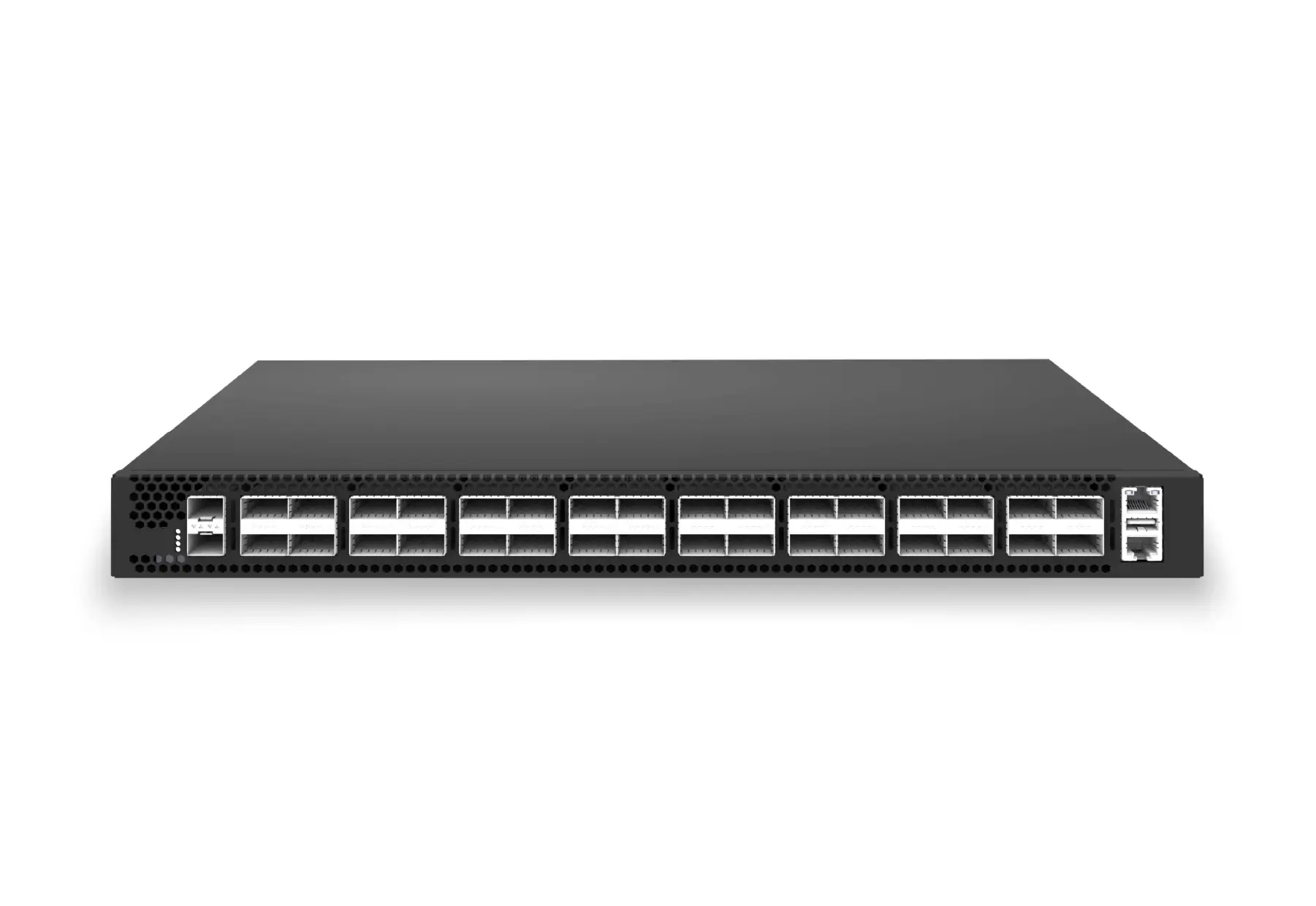
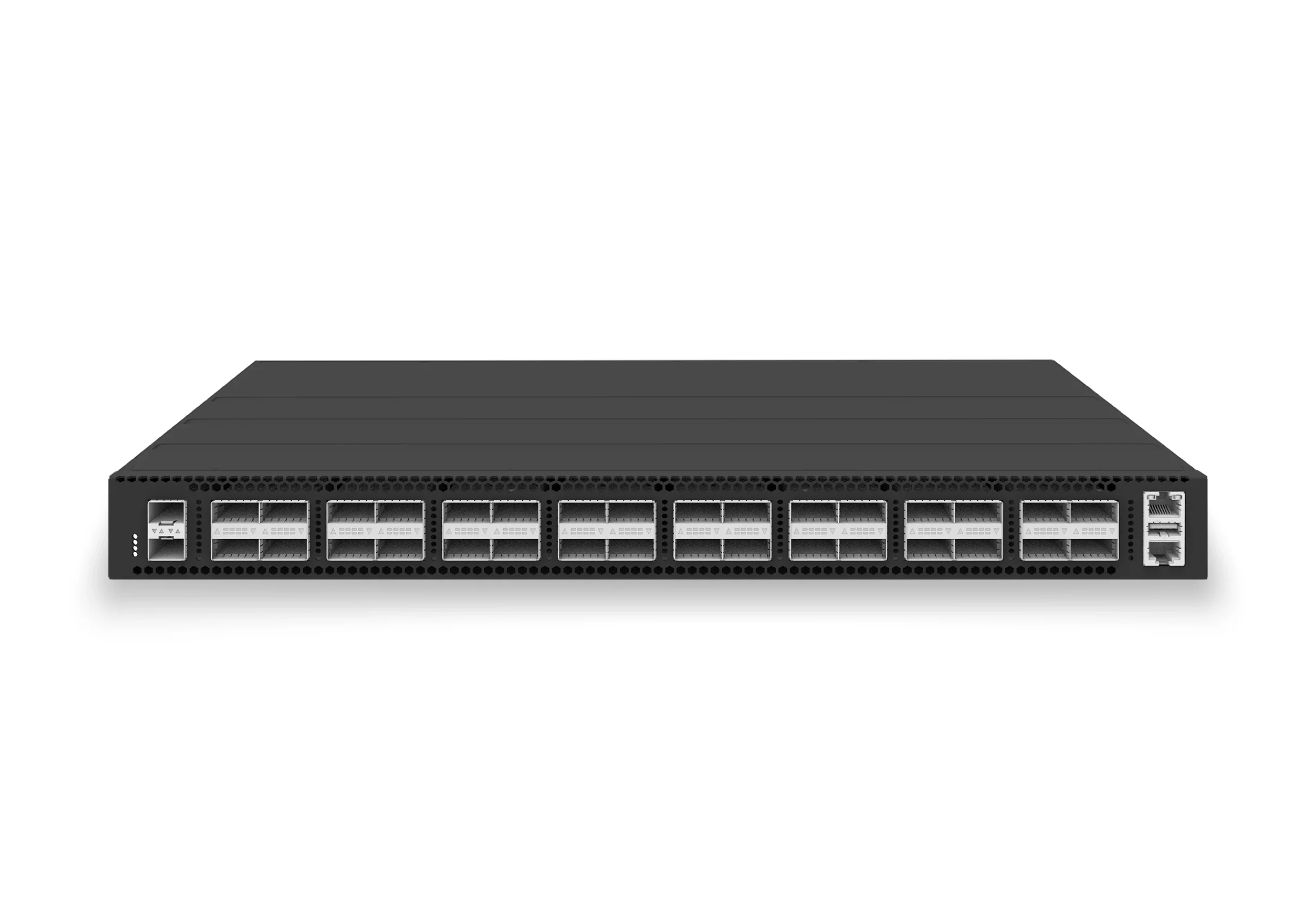
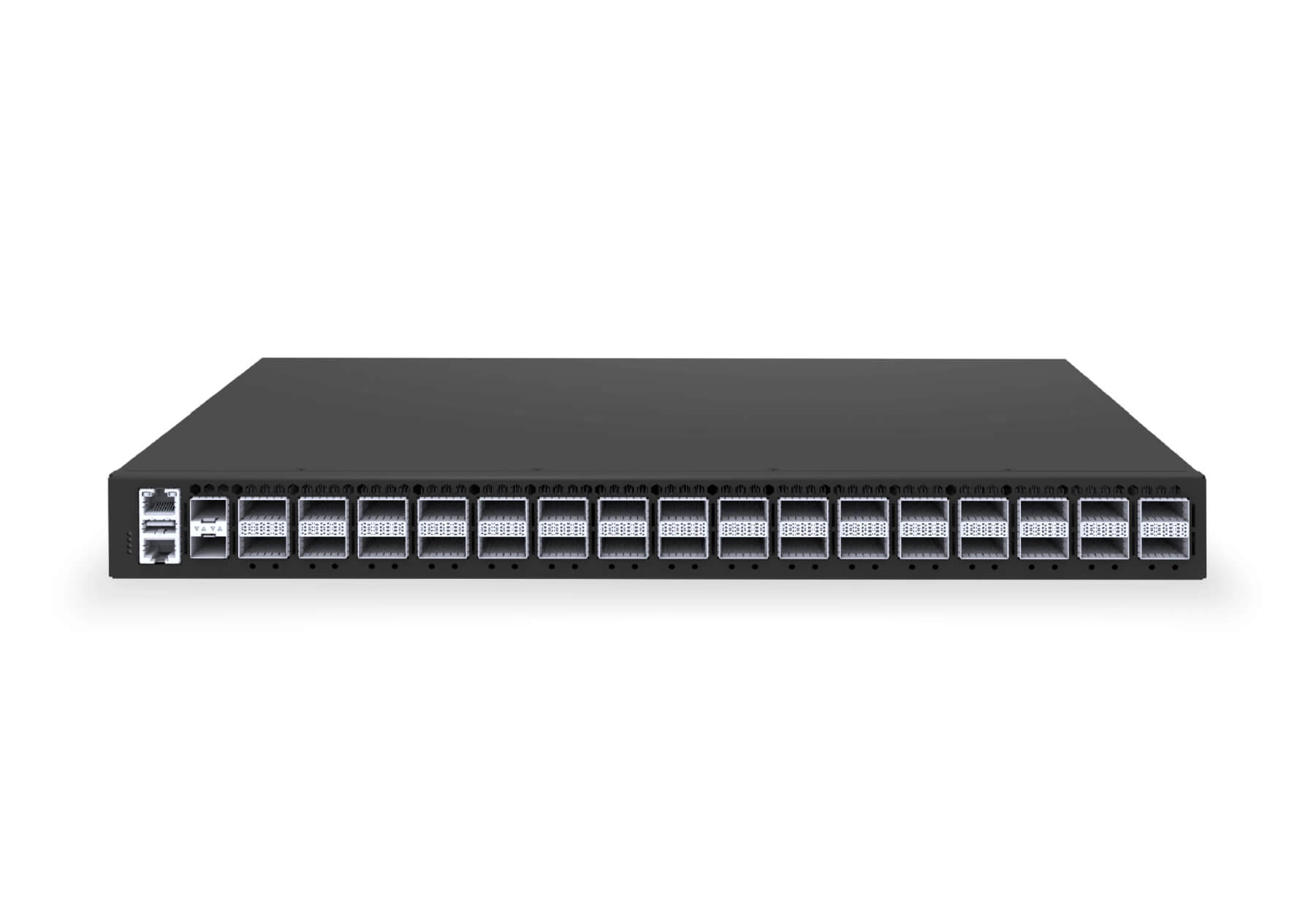
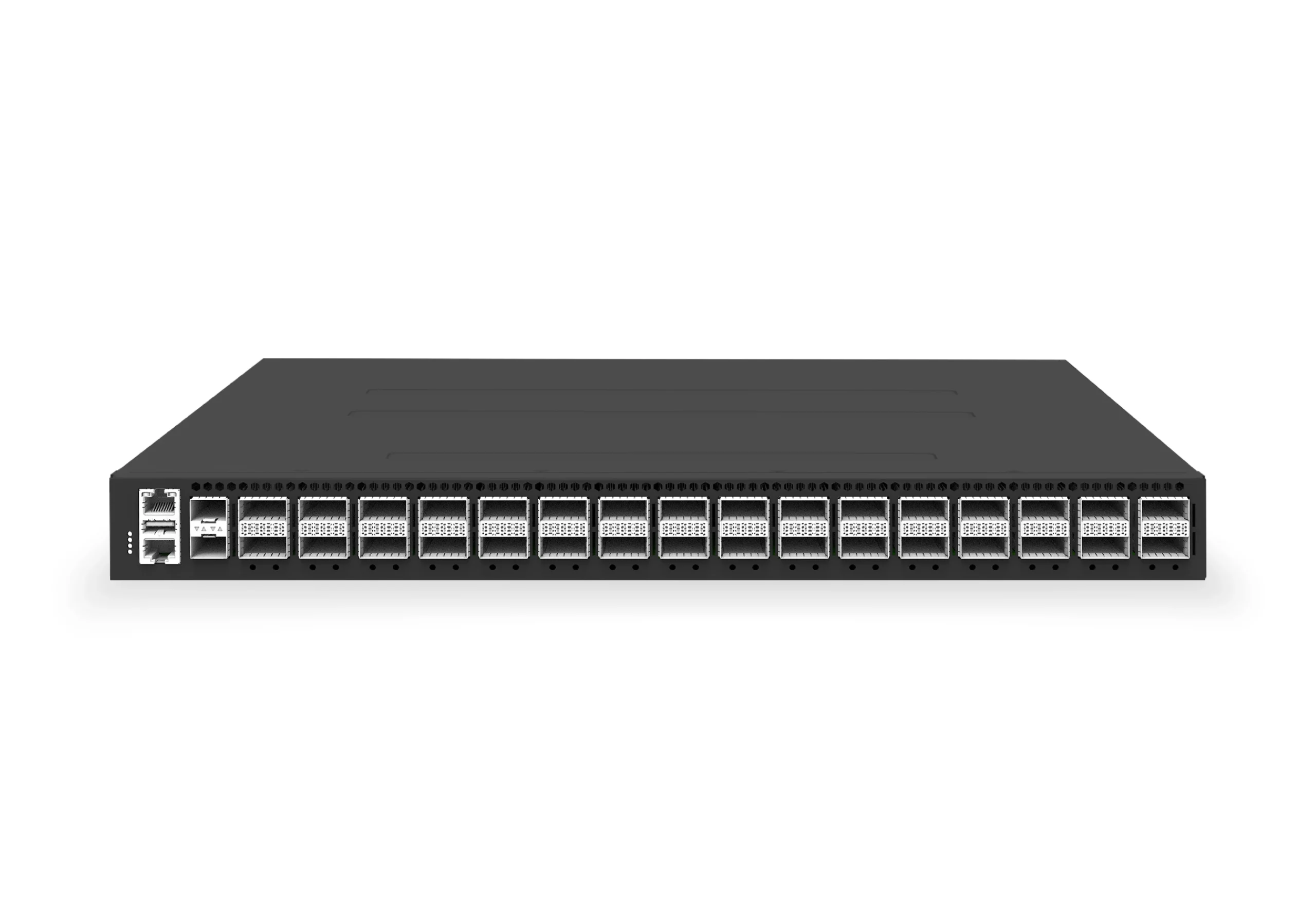
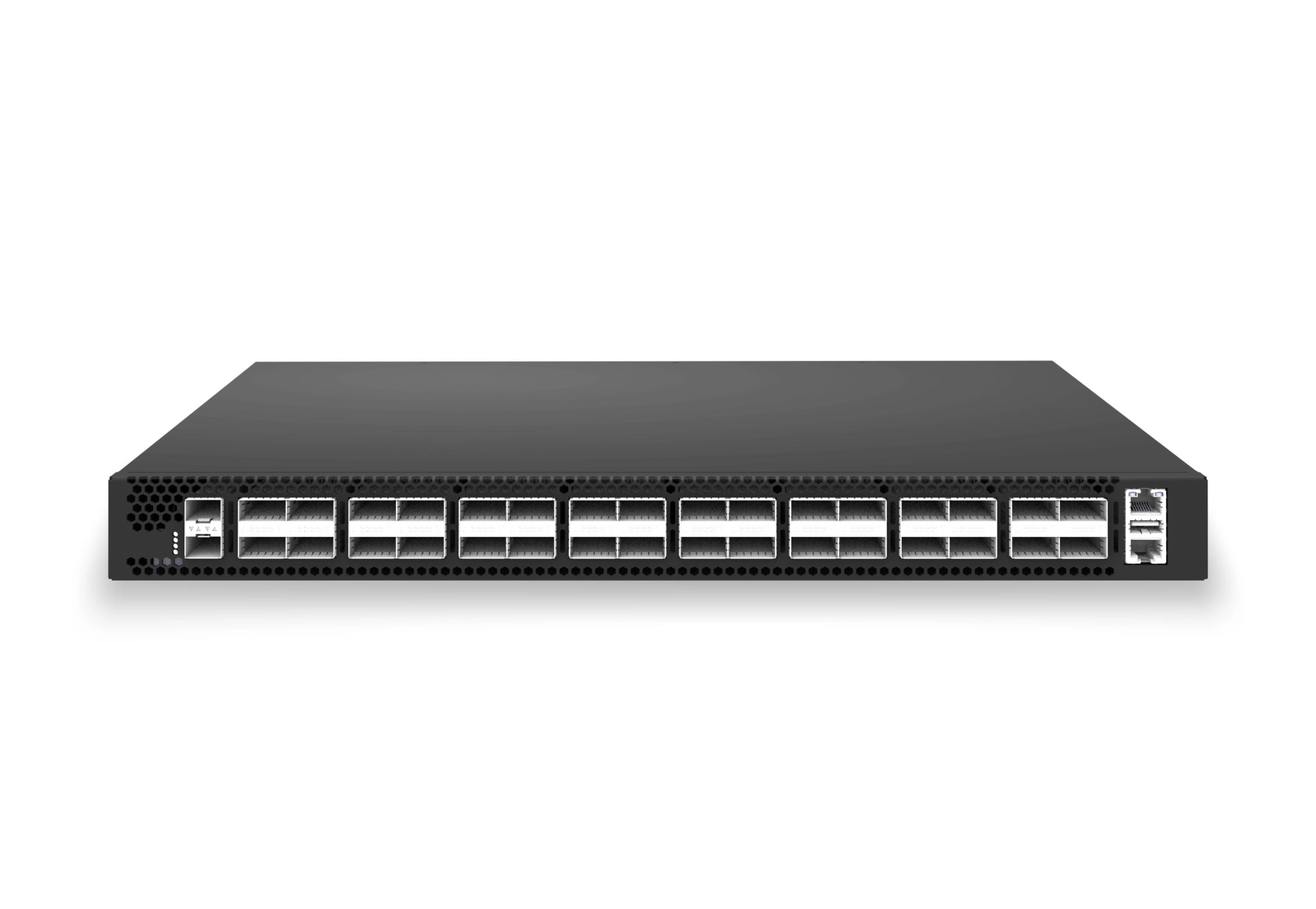
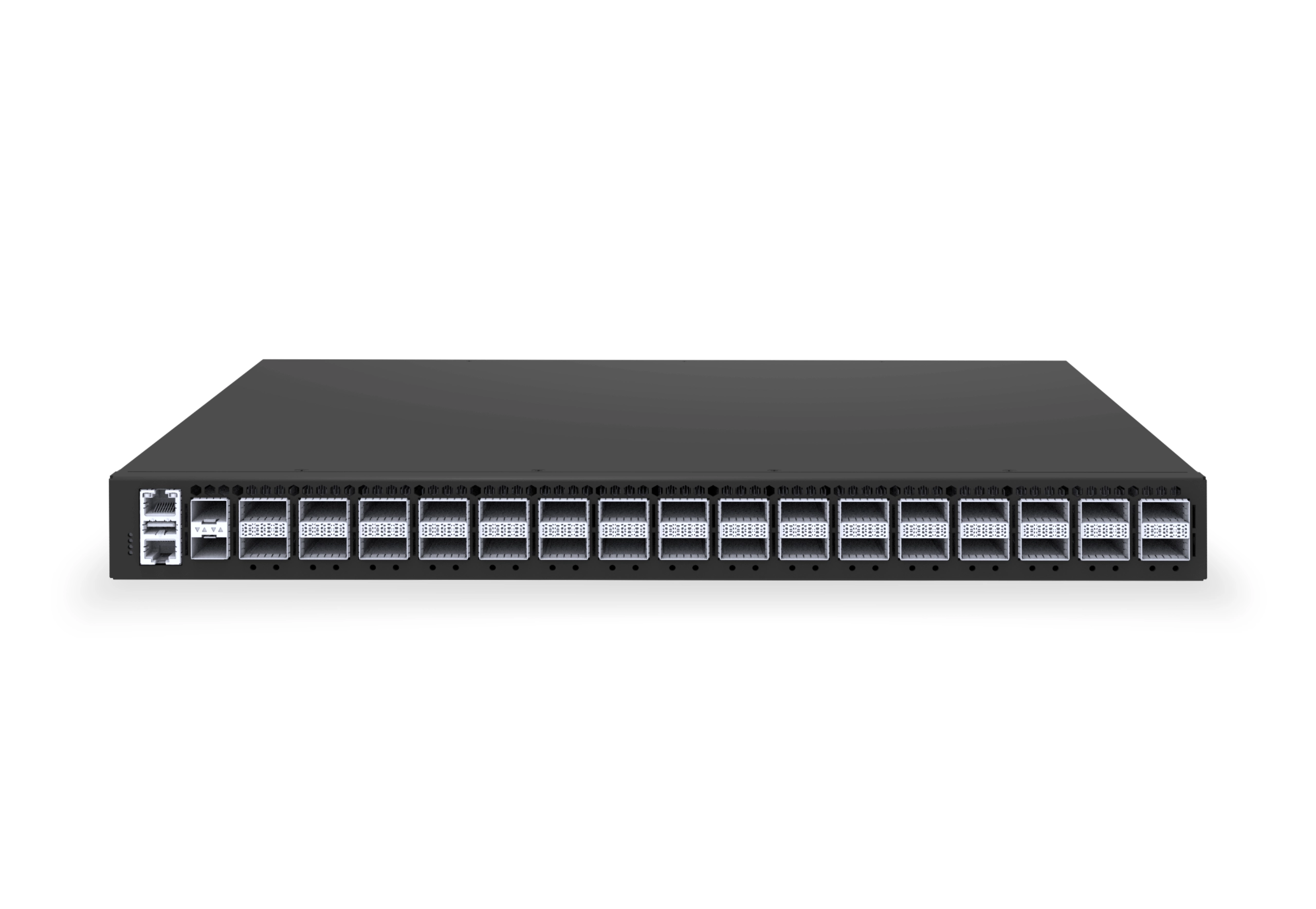
xSONiC data center switches fit EVPN-VXLAN leaf/spine fabrics for application segmentation and workload mobility. XS-AA core and aggregation platforms can support campus designs where EVPN-VXLAN provides a consistent segmentation model across buildings or distribution layers.
Design Constraints
EVPN-VXLAN should not be introduced as a shortcut around unclear segmentation. The design has to state which VLANs map to which VNIs, where default gateways live, which VRFs are allowed to leak routes, and how broadcast, unknown unicast, and multicast behavior is controlled. If those decisions are left to per-device configuration, the overlay becomes harder to operate than the Layer 2 network it replaced.
MTU is a practical acceptance item. VXLAN adds encapsulation overhead, so the underlay must be validated with an end-to-end test size that matches production traffic. For a routed fabric, also validate loopback reachability, BGP session stability, ECMP path use, and whether a host move updates the control plane without stale forwarding entries.
For a first pilot, use at least 2 leaf switches, 2 spine paths, 3 VNIs, 2 tenants, 1 routed external handoff, and 1 host-move event. This scope keeps the test small enough to troubleshoot while still proving route exchange, tunnel encapsulation, isolation, and failure recovery.
Engineering Validation Checkpoint
EVPN-VXLAN readiness should be proven with route, tunnel, and failure evidence. A useful pilot covers 2 tenants, 3 VNIs, symmetric and asymmetric routing assumptions, one leaf failure, and one host move. Validate MAC learning, ARP/ND suppression behavior, BGP EVPN route exchange, and tunnel counters before production.
| Check | Evidence to collect | Reject condition |
|---|---|---|
| Control plane | EVPN route tables, BGP adjacency, VNI mapping, and route convergence timing. | Missing type routes, flapping adjacencies, or stale host reachability. |
| Data plane | VXLAN tunnel counters, MTU test, packet capture, and tenant isolation checks. | Fragmentation, leakage between tenants, or unexplained tunnel drops. |
| Operations | Config diff, rollback, telemetry fields, and host-move replay. | No reliable way to localize a tunnel or route failure. |
Engineering FAQ
When is EVPN-VXLAN worth the added complexity?
It is worth it when the organization needs segmentation, workload mobility, or multi-tenant isolation over a routed fabric. It is usually not worth it for a small flat network where simple routing, VLANs, and clear failure domains solve the problem with less operational overhead.
What should be tested before a production migration?
Test underlay reachability, VTEP loopbacks, VNI consistency, gateway behavior, tenant isolation, host moves, MTU, and a leaf failure. The migration record should include route tables, tunnel counters, packet captures, and rollback steps so operators can explain both control-plane and data-plane behavior.