
In brief
Migration analysis for Australian buyers comparing proprietary switch OS lock-in with Enterprise SONiC pilot, support, automation, and TCO evidence.
Key takeaways
- The debate between proprietary switch operating systems and open-source alternatives has intensified as organizations face rising software licensing complexity, vendor consolidation, and accelerating infrastructure refresh cycles.
- According to the SONiC Foundation, SONiC is 'an open source network operating system (NOS) based on Linux that runs on switches from multiple vendors and ASICs,' offering a full suite of network functionality including BGP and RDMA that has been production-hardened at scale.
- For Australian enterprises and data center operators, this shift is particularly relevant.
What happened
The debate between proprietary switch operating systems and open-source alternatives has intensified as organizations face rising software licensing complexity, vendor consolidation, and accelerating infrastructure refresh cycles. SONiC (Software for Open Networking in the Cloud), a Linux Foundation project, has emerged as the most production-deployed open network operating system in the world, originally hardened in hyperscaler data centers and now being adopted by enterprises.
According to the SONiC Foundation, SONiC is ‘an open source network operating system (NOS) based on Linux that runs on switches from multiple vendors and ASICs,’ offering a full suite of network functionality including BGP and RDMA that has been production-hardened at scale. The project’s GitHub repository describes SONiC as ‘a free and open-source network operating system based on Linux that runs on switches from multiple vendors and ASICs.’
For Australian enterprises and data center operators, this shift is particularly relevant. The Australian market has historically relied on a small number of incumbent networking vendors for campus and data center switching, meaning proprietary OS dependencies are deeply embedded in procurement, operations, and staffing decisions.
Why it matters for Australian buyers
Proprietary switch OS platforms from traditional vendors tie network infrastructure to a single supplier’s licensing model, feature roadmap, and support lifecycle. When a vendor deprecates a platform, raises renewal pricing, or merges product lines after acquisition, the buyer has limited leverage. This is a structural risk that compounds over multi-year refresh cycles.
SONiC fundamentally changes this dynamic. According to the SONiC Foundation, SONiC ‘decouples hardware and software’ through the Switch Abstraction Interface (SAI), which ‘helps in accelerating hardware innovation.’ The project is described as the ‘first solution to break monolithic switch software into multiple containerized components that accelerate software evolution.’
For Australian organizations evaluating campus refreshes, data center fabric upgrades, or AI infrastructure buildouts, the ability to run a common NOS across multiple hardware vendors reduces procurement risk and prevents single-vendor price escalation. The SONiC ecosystem has gained ‘wide industry support’ including major network chip vendors, according to the SONiC Foundation, which means the hardware compatibility surface continues to grow.
Key buyer implications for the Australian market:
- Vendor diversification: Run the same OS across switches from different ASIC and hardware vendors.
- Licensing cost control: SONiC is Apache 2.0 licensed, removing per-switch OS licensing fees.
- Operational consistency: Container-based architecture allows modular upgrades without full system replacement.
- Community-driven innovation: Features and fixes come from a broad contributor base rather than a single vendor’s release cycle.
Proprietary switch OS: the lock-in structure
Traditional proprietary switch operating systems are tightly coupled to their vendor’s hardware, licensing, and support models. Common characteristics include:
- Bundled hardware-software pricing: The OS license is embedded in the switch purchase, making cost comparisons across vendors opaque.
- Closed feature roadmaps: Buyers depend on the vendor’s priorities for protocol support, security patches, and automation capabilities.
- Proprietary management planes: CLI syntax, configuration formats, and telemetry interfaces differ across vendors, creating retraining costs and toolchain fragmentation.
- Support lifecycle dependency: End-of-life and end-of-support announcements are unilaterally determined by the vendor, often with limited lead time for enterprise refresh planning.
- Upgrade risk: Monolithic OS architectures mean that a firmware update can introduce regressions across the entire system, with limited ability to isolate changes.
In the Australian market, these dynamics are compounded by geographic factors. Support response times, local partner availability, and compliance requirements (including data sovereignty and critical infrastructure obligations under the Security of Critical Infrastructure Act 2018) all factor into vendor selection. Proprietary vendors with limited Australian presence may leave buyers dependent on global support queues.
Enterprise SONiC: what the architecture actually offers
SONiC’s architecture is fundamentally different from proprietary switch OS platforms. According to the SONiC GitHub repository, SONiC is built on a modular architecture where ‘each network function runs in its own Docker container.’ This design provides:
- Better fault isolation: A failure in one container (e.g., BGP daemon) does not take down the entire switch.
- Easier debugging and troubleshooting: Individual containers can be inspected, restarted, or rolled back independently.
- Simplified upgrades and maintenance: Components can be updated modularly rather than as a monolithic firmware image.
- Enhanced scalability: The container model supports horizontal scaling patterns familiar to DevOps and SRE teams.
From a protocol perspective, SONiC supports production-grade networking capabilities including BGP, RDMA, EVPN-VXLAN, and standard Linux interfaces and tools. The GitHub repository notes that SONiC uses ‘JSON-based configuration files and supports both CLI and programmatic configuration methods,’ which aligns with modern network automation practices using NETCONF/YANG and programmable interfaces.
For Australian enterprises evaluating Enterprise SONiC distributions, the architecture translates to:
- Faster troubleshooting when issues arise in production.
- Reduced vendor dependency for feature development and bug fixes.
- Alignment with infrastructure-as-code and CI/CD operational models.
- Compatibility with standard Linux tooling that network and platform teams already know.
The migration question: what Australian buyers should evaluate
Migrating from a proprietary switch OS to Enterprise SONiC is not a trivial undertaking, but it is increasingly well-understood. The evaluation should cover five dimensions:
1. Hardware compatibility SONiC runs on switches from multiple vendors and ASICs, as documented by the SONiC Foundation. Buyers need to verify that their target hardware platforms are on the SONiC supported devices list. For data center spine-leaf fabrics using commodity ASICs, compatibility is broad. For campus switching with PoE, stacking, and advanced L2/L3 edge features, the evaluation surface is narrower and requires careful feature mapping.
2. Feature parity Not all proprietary features have direct SONiC equivalents. Production-grade BGP, EVPN-VXLAN, and RDMA support are well-established. Campus-specific features such as advanced PoE management, 802.1X edge authentication, and micro-segmentation may require additional validation depending on the Enterprise SONiC distribution.
3. Operational readiness Teams trained on proprietary CLIs need retraining on SONiC’s configuration model. The JSON-based configuration and standard Linux interfaces lower the barrier for teams already working with automation tools (Ansible, Terraform, Python). However, organizations with deeply embedded proprietary toolchains should plan for a transition period.
4. Support and compliance Australian buyers need to verify that their chosen Enterprise SONiC distribution includes local or APAC-based support, meets relevant compliance obligations, and provides SLA-backed response times appropriate for their criticality requirements.
5. Financial model The shift from bundled hardware-software pricing to disaggregated procurement changes the cost structure. Buyers should model total cost of ownership over 5-7 years, including hardware refresh, software support, training, and operational overhead, rather than comparing sticker prices in isolation.
A credible migration pilot should be measurable before procurement treats it as a commercial option. For a data centre pod, ask for at least 30 days of change records, one planned upgrade, one rollback rehearsal within 24 hours, optics validation at the target 100G/400G/800G speed, and support evidence from a simulated P1 incident. For campus or aggregation use cases, add endpoint classes, PoE load, 802.1X behaviour, and a 12 months spare-and-patch model. These numbers are not universal thresholds; they are forcing functions that prevent the project from being approved on vendor positioning alone.
Enterprise SONiC Migration Acceptance Matrix
| Migration area | Evidence to collect | Acceptance test | Rework trigger |
|---|---|---|---|
| Feature parity | Current feature inventory mapped to SONiC support | 2 switch models tested against required L2/L3, ACL, telemetry, and optics features | Critical feature has no SONiC equivalent or workaround |
| Operational model | Runbook, training plan, support SLA, escalation owner | 90-day pilot with incident, upgrade, and rollback records | Operations depend on one engineer or undocumented CLI steps |
| Automation portability | Existing templates mapped to SONiC JSON, NETCONF, or API workflows | 3 repeatable changes deployed and validated by state readback | Toolchain falls back to manual switch-by-switch edits |
| Financial model | 5-year TCO including hardware, support, spares, training, and migration labour | Side-by-side scenario compared with incumbent renewal | Savings disappear after support and rework are included |
| Compliance and support | APAC support coverage, spare path, audit logs, change records | P1 support simulation and backup/restore test | Support response or evidence trail fails procurement policy |
xSONiC buyer angle: where this analysis leads
For xSONiC, the proprietary-versus-open migration debate is a direct market opportunity. xSONiC’s product families span data center AI switches, bare-metal switches, and access-aggregate platforms, all designed to run Enterprise SONiC. This positions xSONiC to serve Australian buyers at multiple points in the migration journey:
- Data center AI fabric buyers evaluating alternatives to proprietary spine-leaf stacks can map to xSONiC’s data center AI switch portfolio and AI Fabric solution.
- Campus refresh buyers looking to break free from proprietary campus switching ecosystems can explore xSONiC’s access-aggregate switches and Campus Refresh solution.
- Engineering-led teams evaluating bare-metal hardware for custom NOS deployments can assess xSONiC’s bare-metal switch range.
The SONiC Foundation notes that SONiC has gained ‘wide industry support’ including major network chip vendors, and the GitHub repository confirms multi-vendor and multi-ASIC support. This ecosystem breadth means Australian buyers are not locked into a single hardware supplier even when standardizing on SONiC as the NOS.
For organizations in the evaluation or planning stage, the recommended next steps are:
- Audit current proprietary switch OS dependencies and licensing costs.
- Map required features against SONiC’s documented capabilities.
- Identify pilot workloads suitable for SONiC migration (e.g., a new data center pod or branch office).
- Engage with xSONiC for Australian-specific hardware, support, and solution guidance.
For downstream planning, buyers can compare data center switch options, data center AI switching hardware, and campus access-aggregate platforms. Architecture teams should also review AI fabric design, EVPN-VXLAN guidance, and campus refresh planning before scoping a pilot.
The practical migration questions are straightforward: which platforms are supported by the target SONiC distribution, which campus or data centre features must be validated before cutover, what local support model is required, and how the new operating model will meet Australian compliance expectations. xSONiC can help convert that assessment into a hardware shortlist, pilot design, and staged migration plan through the contact team.
Engineering FAQ
What should be tested before migrating from a proprietary switch OS to Enterprise SONiC? Test feature parity, optics compatibility, automation, telemetry, upgrade rollback, support escalation, and day-2 troubleshooting. A migration is ready when the operating model works, not when a single lab switch boots.
Where does lock-in usually hide? Lock-in hides in management tooling, config syntax, optics qualification, support contracts, licensing, staff training, and feature dependencies. Buyers should document those dependencies before comparing switch prices.
How should Australian buyers structure the first pilot? Start with a new pod, lab fabric, or low-risk refresh site; run it for at least 90 days; measure incident rate, config change time, rollback time, support response, and operator confidence before expanding scope.
Related xSONiC Resources
Sources Reviewed
- OpenConfig gNMI Specification
- OpenConfig
- RFC 7950 - The YANG 1.1 Data Modeling Language
- RFC 6241 - Network Configuration Protocol (NETCONF)
- ACSC Essential Eight
- OAIC Notifiable Data Breaches
- APRA CPS 234 Information Security
- SONiC Project Documentation
- Open Compute Networking
- SONiC GitHub
- SONiC Foundation
Product fit
Products referenced for evaluation
These products are referenced for evaluation context in the article. Confirm workload, port, optics, software, interoperability, and support requirements against the exact deployment before procurement.
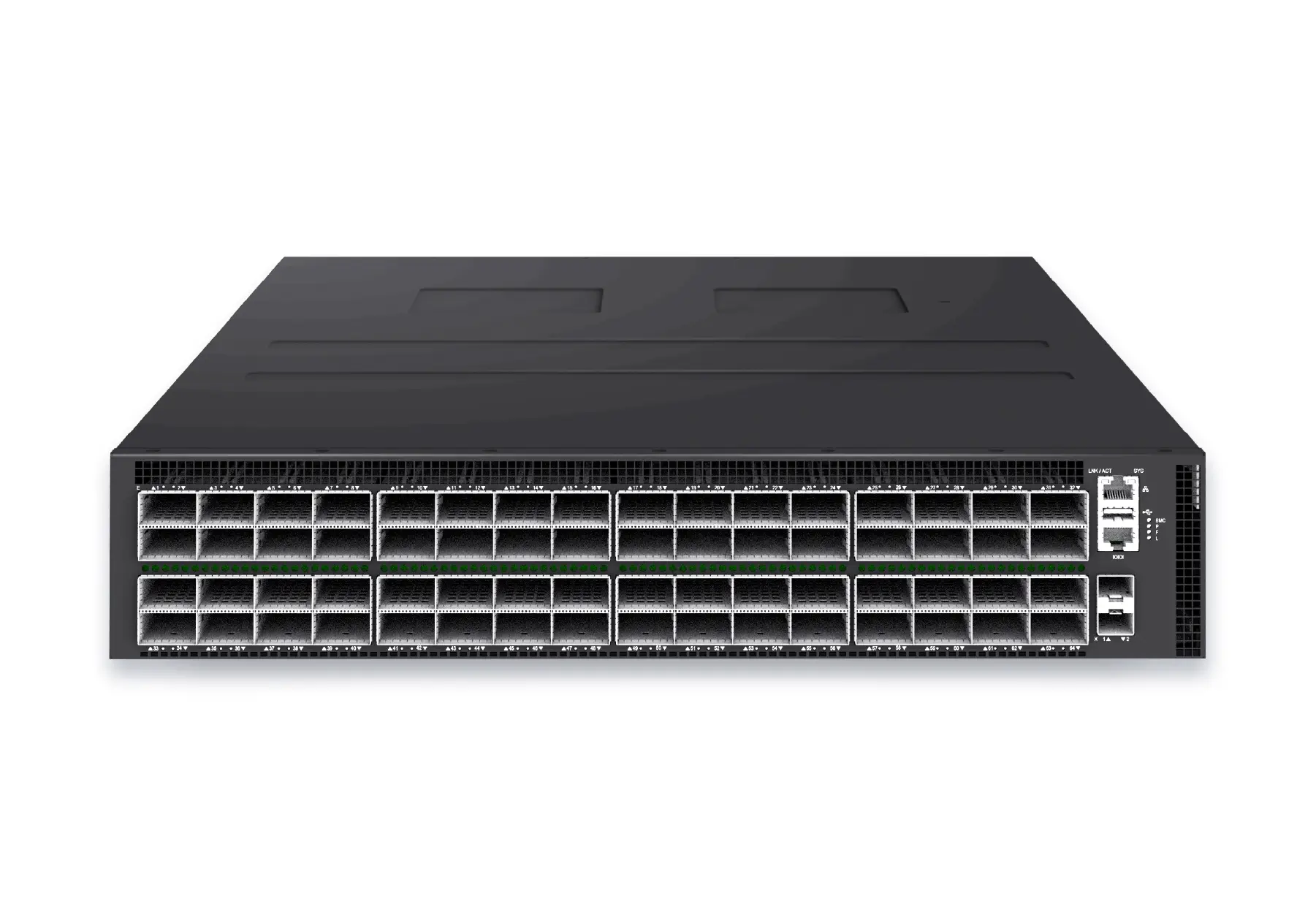 datacenter aiXS-DC-64X800-AI-G164-port 800G AI fabric switch for large-scale GPU clusters, HPC backbones, and ultra-high-throughput data center networks.View product
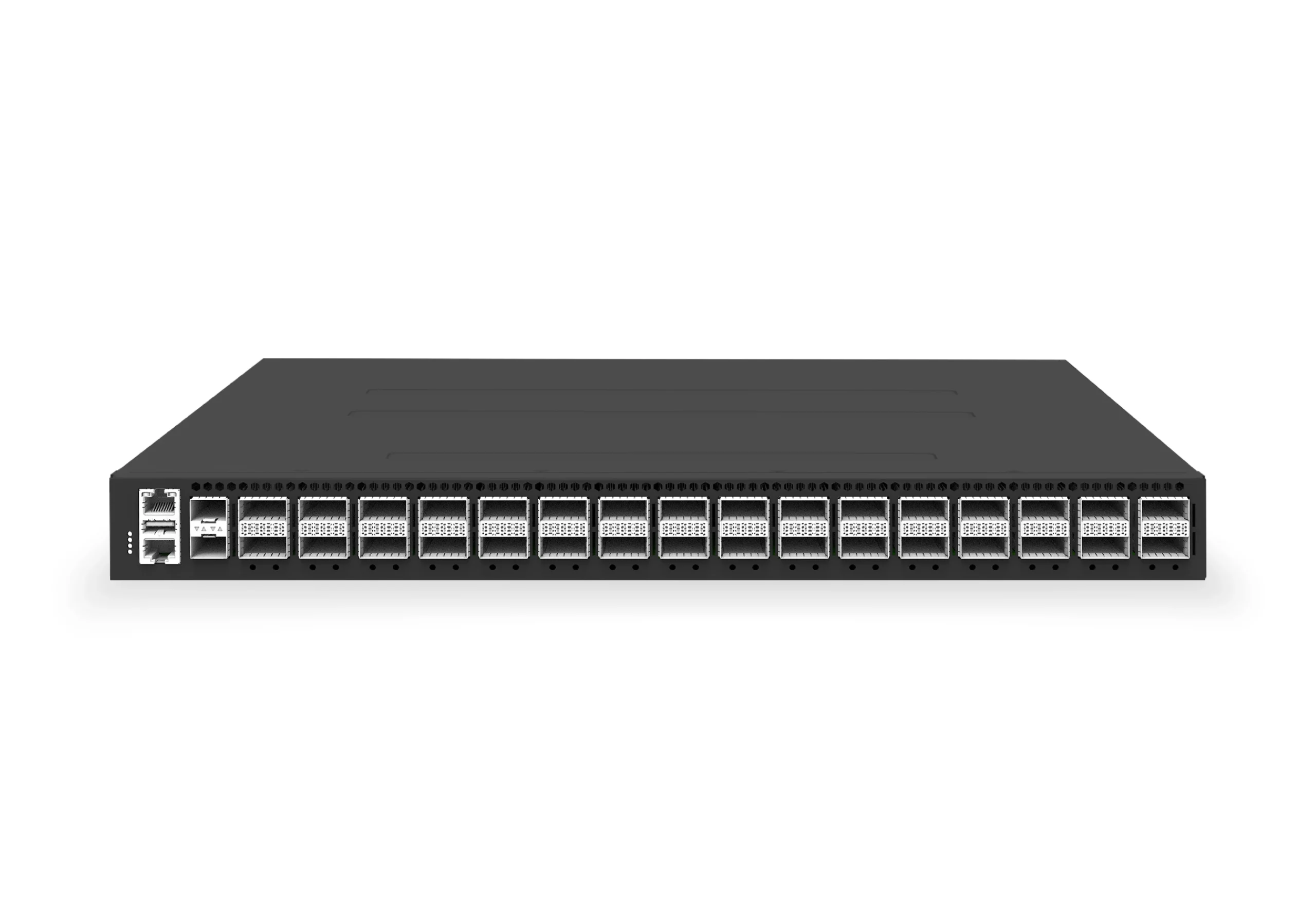 datacenter aiXS-DC-32X400-SP-G232-port 400G spine/core switch for high-capacity data center fabrics and AI-ready backbones.View product
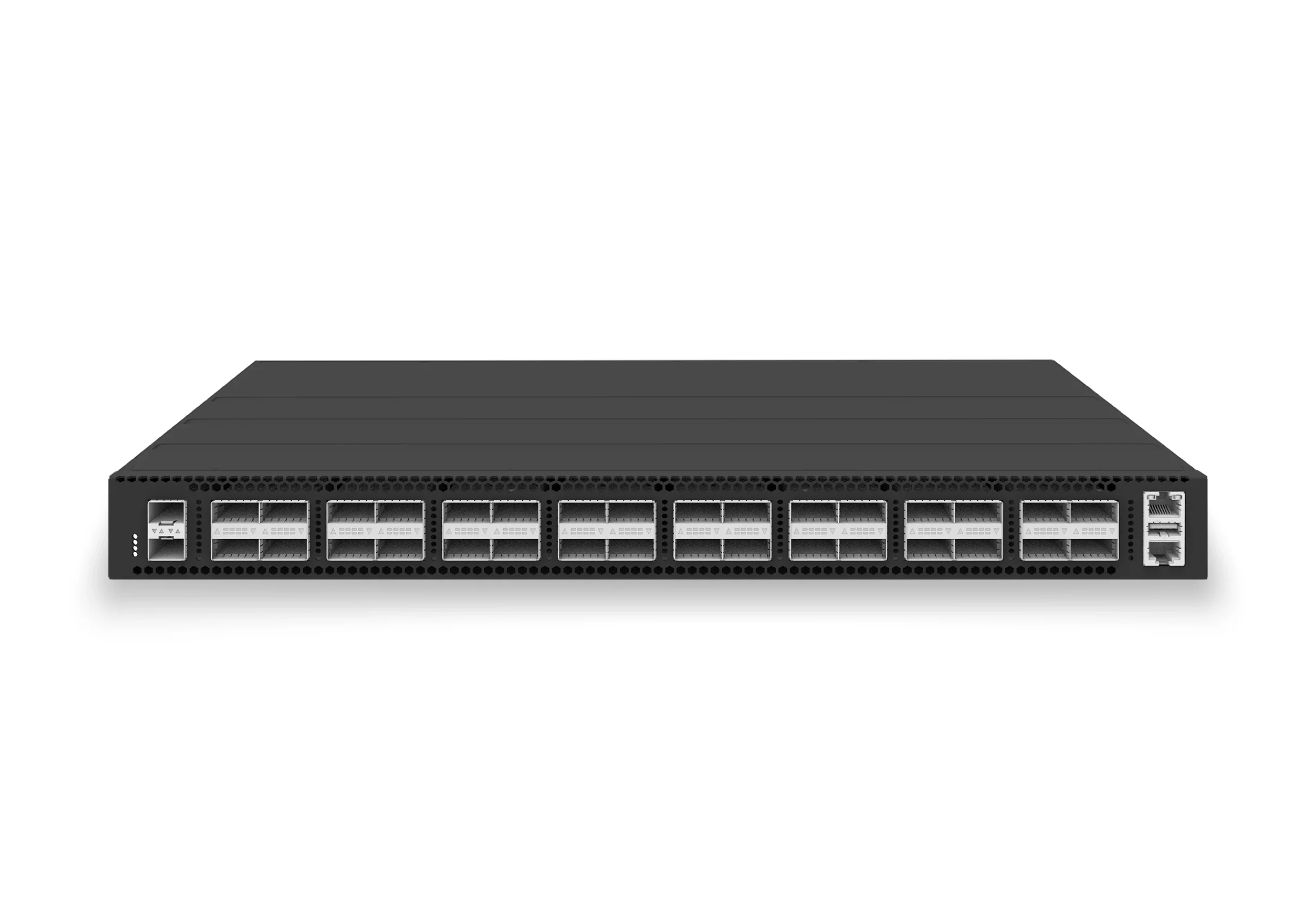 datacenter aiXS-DC-32X100-LS-G232-port 100G leaf/spine switch for VXLAN fabrics, RoCE-ready workloads, and tenant-scale routing.View product
Continue reading
Related articles
 Technical ArticleWhat AI Fabric Ethernet Switching Requires: A Buyer Guide for SONiC-Based Data CentersEngineering guidance on AI Fabric Ethernet Switching Requires for Australian network and security teams, covering traffic visibility, capacity modelling, tool feeds.Read article
 Technical ArticleWhite Box Switch vs Traditional Switch: What Enterprise Buyers in Australia Need to KnowEngineering comparison of white-box and traditional switches for Australian enterprise buyers, covering SONiC, support, optics, risk, and TCO.Read article
 Technical ArticleSONiC Network Operating System Architecture: A Buyer Guide for Enterprise and Data Center TeamsEngineering guidance on SONiC Network Operating System Architecture for Australian campus teams, covering PoE budgets, access-layer resilience, migration risk.Read article