Solution Overview
Campus Refresh is aimed at organizations updating access closets, branch connectivity, and campus aggregation while keeping future software and hardware choices flexible.
Why It Matters
- Reduces dependence on closed campus switching stacks.
- Supports staged rollouts across access and aggregation layers.
- Gives network teams a cleaner path to refresh legacy environments.
Engineering Position
A campus refresh should not be treated as a bulk hardware swap. The hard part is keeping user access, wireless capacity, segmentation, PoE behavior, and operations support stable while the estate changes building by building. A refresh plan is ready only when the team can explain what changes in the first closet, how rollback works, and what telemetry proves the new design is safer than the old one.
The open networking value is strongest when repeated access and aggregation patterns are modeled once and reused with discipline. That means the design should separate shared policy from local identity: VLANs, QoS, and uplink templates can be standardized, while hostname, management IP, closet label, uplink target, and building exceptions remain local fields.
Migration Model
| Phase | Scope | Acceptance Evidence |
|---|---|---|
| Survey | Existing switches, APs, phones, cameras, uplinks, and power draw. | Inventory export with port role, endpoint type, VLAN, PoE class, and uplink speed. |
| Pilot | One building or 2 to 3 representative closets. | 24 hour port counters, endpoint onboarding, rollback test, and user-impact log. |
| Wave rollout | Repeatable access and aggregation blocks. | Per-wave config diff, failed-port list, and post-change telemetry snapshot. |
| Stabilization | Support handoff and exception cleanup. | Known exceptions, spare capacity, monitoring alerts, and escalation owner. |
Design Boundaries
Campus designs fail quietly when the edge grows faster than the uplink or power plan. Wi-Fi 6E and Wi-Fi 7 APs may force 2.5G or higher access ports, security cameras can create steady upstream traffic, and PoE draw can peak during AP boot waves. The refresh should therefore specify per-closet PoE headroom, uplink speed, oversubscription ratio, and which endpoint groups are considered business critical.
Segmentation deserves the same discipline. Guest, voice, IoT, user, and building-management traffic should have documented policy and test flows. If a policy cannot be validated with a packet path, ACL or VLAN evidence, and a rollback step, it is not ready for a broad campus rollout.
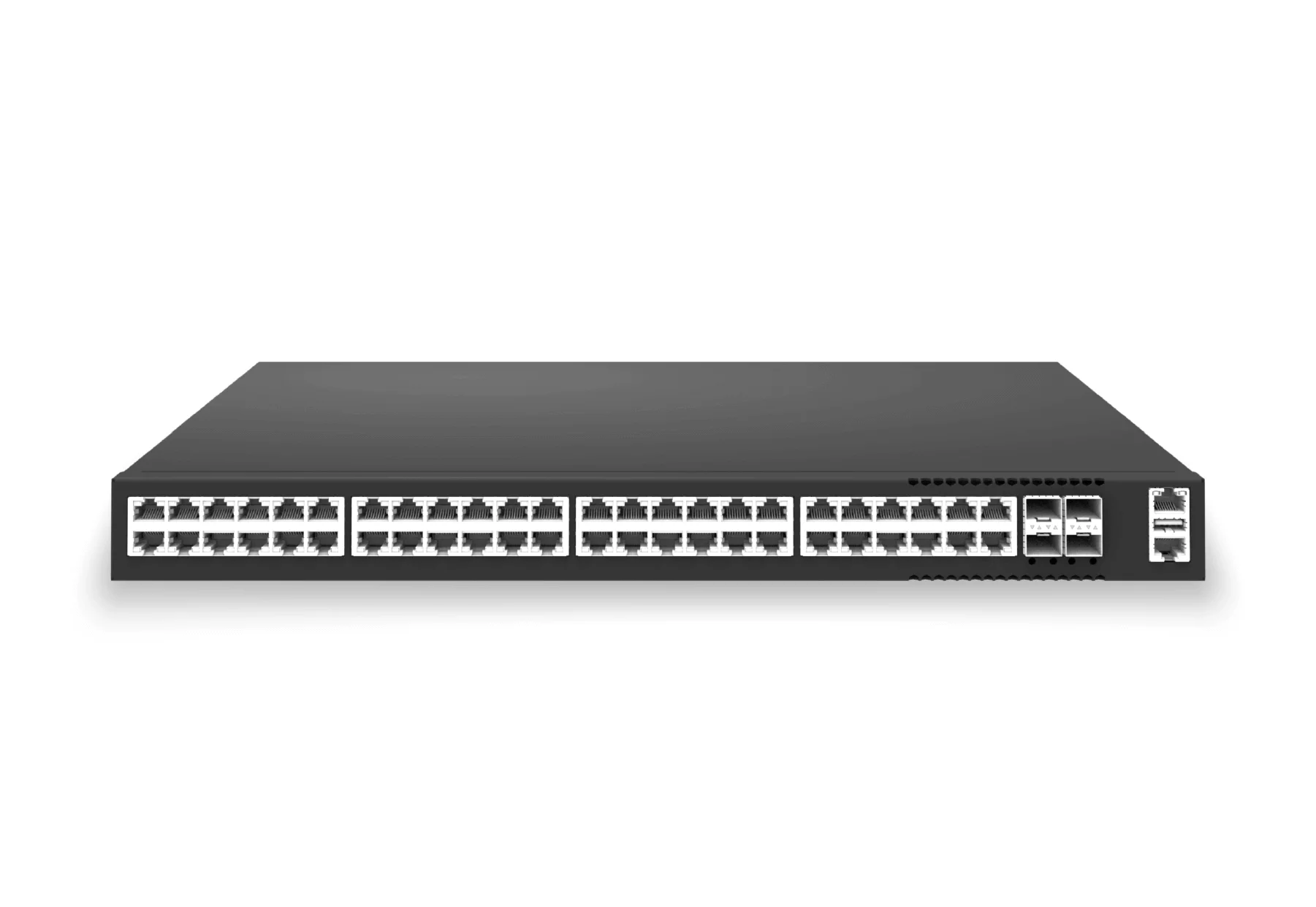
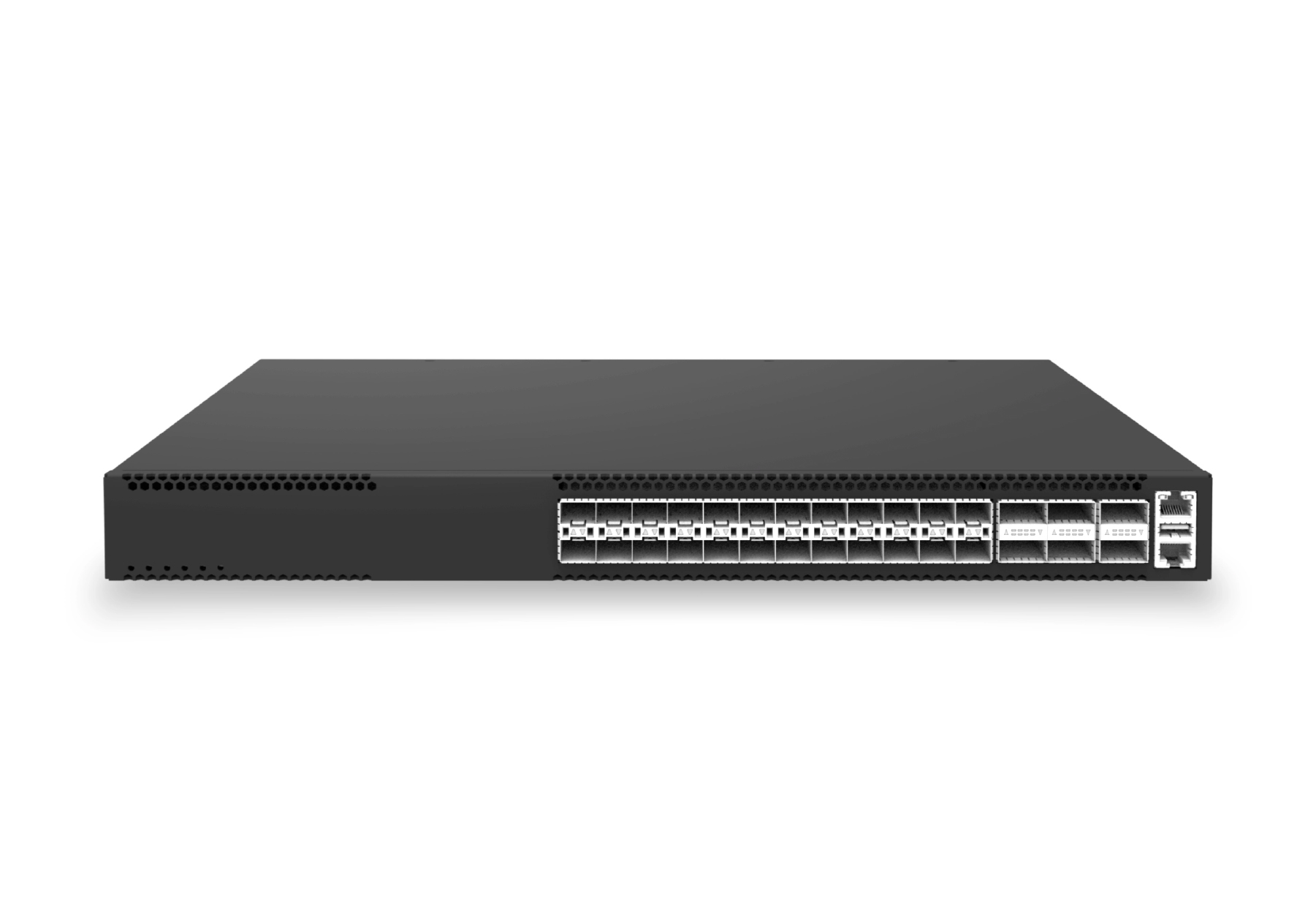
Use the access switch selection guide to turn those requirements into a port, PoE, uplink, and operations shortlist. Then compare the shortlisted requirements with the published access and aggregation switch range; a listed model is a candidate only after its exact hardware revision, SONiC image, and required feature set pass the pilot acceptance tests.
Engineering Validation Checkpoint
Treat a campus refresh as a staged migration, not a like-for-like switch replacement. The pilot should cover 3 endpoint profiles, 2 uplink profiles, PoE load, VLAN segmentation, and rollback from a failed template change. For buildings with Wi-Fi 6E or Wi-Fi 7 APs, validate whether 10G, 25G, or 100G uplinks keep the peak oversubscription ratio within the application SLO.
| Check | Evidence to collect | Reject condition |
|---|---|---|
| Edge stability | 24 hour port counters, PoE draw, endpoint reboot behavior, and error logs. | Port resets, PoE denial, or recurring CRC errors under normal load. |
| Segmentation | VLAN, ACL, guest, voice, and IoT policy tests across 3 profiles. | Traffic reaches an unintended segment or policy drift appears between closets. |
| Operations | Template deployment, config diff, rollback, and telemetry export. | No reproducible rollback path or missing counters for support handoff. |
A stronger design is the one with clearer failure evidence, not the one with the largest headline port count. Document the accepted uplink ratio, PoE budget, and per-building migration order before rollout.
Keep the migration record tied to building ID, closet ID, switch model, optics type, software version, and rollback contact so support can trace issues after cutover.
This is the minimum record for post-migration fault review.
Engineering FAQ
Should the refresh start with access or aggregation?
Start where the risk is easiest to contain. Many teams pilot access first because one closet exposes endpoint, PoE, VLAN, and support behavior without changing the campus core. If the aggregation layer is already unstable, pilot a small access-plus-aggregation block and make rollback part of the acceptance test.
What proves the new campus design is operationally better?
The strongest evidence is a before-and-after record: fewer manual exceptions, cleaner config diffs, lower port error rates, successful endpoint onboarding, documented rollback, and telemetry that tells support which closet, port, VLAN, or uplink caused an incident. A refresh that only changes switch models has not yet proved an operational improvement.