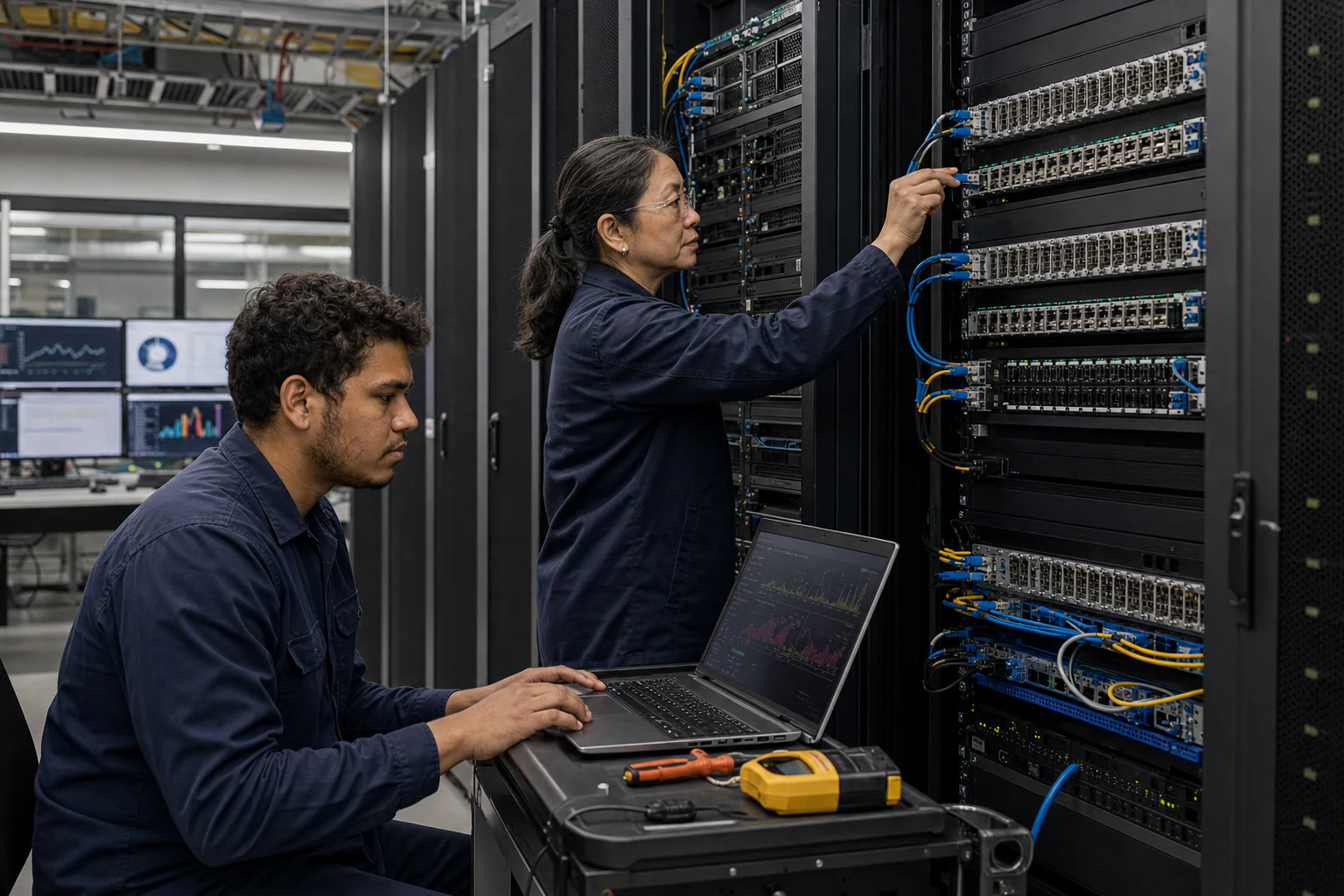
In brief
Technical guide to packet broker filtering, replication, and load balancing for Australian visibility, security, and AI fabric monitoring.
Key takeaways
- A network packet is a formatted unit of data carried by a packet-switched network, with control information in headers and user data in the payload.
- NETSCOUT's product and education materials frame the packet broker as a hardware or software layer between traffic sources and monitoring tools.
- This definition establishes three core capabilities - aggregation (gathering traffic from numerous links), filtering (selecting relevant packets), and redirection (sending packets to the right tool).
What the Sources Say About Packet Brokers
A network packet is a formatted unit of data carried by a packet-switched network, with control information in headers and user data in the payload. Applications and transport protocols break larger exchanges into smaller units that can be forwarded independently and then reconstructed by the destination stack.
NETSCOUT’s product and education materials frame the packet broker as a hardware or software layer between traffic sources and monitoring tools. In practical terms, the broker gathers packets from TAP and SPAN feeds, applies policy to remove noise or duplicate traffic, and forwards the remaining packets to the tool best suited to inspect them.
This definition establishes three core capabilities - aggregation (gathering traffic from numerous links), filtering (selecting relevant packets), and redirection (sending packets to the right tool). Replication, load balancing across tools, and observability enrichment are downstream capabilities that build on this foundation.
Why It Matters for Australian Network Teams Right Now
Australian enterprise and service provider networks face several converging pressures that make packet broker architecture a timely topic for engineering analysis:
Traffic volume growth. As AI training and inference clusters, campus Wi-Fi refreshes, and cloud migration projects expand, the volume of east-west and north-south traffic in Australian data centers is increasing. Every additional 100G or 400G link multiplies the number of tap or SPAN points that monitoring and security tools must cover.
Tool sprawl. Security operations centers (SOCs), network performance monitoring (NPM) platforms, application performance management (APM) systems, and compliance capture appliances each need access to the same traffic. Without a packet broker layer, network teams either mirror traffic to every tool individually (wasting port capacity) or accept blind spots.
Regulatory and compliance pressure. Australian financial services, healthcare, and critical infrastructure organizations operate under APRA CPS 234, the Privacy Act, and the Security of Critical Infrastructure Act. Packet-level capture and analysis is often a requirement for incident response and forensic evidence.
Skills shortages. The Australian cybersecurity workforce gap means fewer hands to manage complex visibility stacks. Packet broker automation - including programmable filtering and load balancing - can reduce the operational burden on lean teams.
Filtering: Sending Only the Right Packets to Each Tool
Packet filtering is the foundational use case of a network packet broker. Rather than flooding every connected tool with a full copy of all traffic, filtering rules select packets based on criteria such as source or destination IP address, VLAN tag, protocol type, port number, or application signature.
Why this matters: most monitoring and security tools have finite ingestion capacity. A network detection and response (NDR) platform examining lateral movement in an east-west traffic flow does not need a copy of every DNS query or backup transfer. A VoIP quality monitoring tool only needs RTP and SIP packets. Filtering ensures each tool receives only the traffic it can analyse effectively, preventing tool overload and reducing false-positive noise.
Industry sources note that packet headers contain protocol identifiers, source and destination addresses, and priority fields that enable intermediate devices to classify and route packets. A packet broker leverages these same header fields to make filtering decisions before traffic reaches downstream tools.
For Australian data center operators running AI fabric or GPU backend networks, filtering becomes particularly important when monitoring high-bandwidth 400G/800G links where the aggregate traffic volume can easily overwhelm single monitoring appliances.
Replication: One Source, Many Consumers
Replication is the process of copying packets from a single source and delivering identical copies to multiple destination tools simultaneously. Where filtering reduces what each tool sees, replication multiplies availability of a traffic source across the tool stack.
Common replication use cases include:
- Security and compliance dual-use: sending the same traffic to both an intrusion detection system (IDS) and a long-term packet capture appliance for forensic archiving.
- Multi-vendor monitoring: delivering copies of the same flow to a proprietary NPM tool and an open-source Zeek or Suricata sensor.
- Staging and production analysis: replicating a production traffic feed to a test environment for new tool evaluation without affecting live monitoring.
In packet-switched networks, intermediate devices forward packets according to queueing, scheduling, and policy decisions. A packet broker performing replication applies similar forwarding discipline to deliver copies to multiple output ports without introducing excessive latency or jitter on the original path.
For Australian MSPs and multi-tenant data center operators, replication enables shared visibility across customer environments without requiring dedicated tap infrastructure per tenant.
Load Balancing Across Monitoring and Security Tools
When aggregate traffic volume exceeds the capacity of a single monitoring appliance, packet broker load balancing distributes flows across a pool of tools. This is analogous to how application delivery controllers load-balance web requests across backend servers, but applied to the monitoring and security tool plane.
Load balancing use cases include:
- Scaling NDR or DDoS detection: distributing flows across multiple NDR sensors to maintain line-rate analysis as link speeds increase from 10G to 100G or 400G.
- Distributing packet capture: spreading capture load across a cluster of storage nodes so that no single appliance becomes a bottleneck.
- Active-active tool redundancy: ensuring that if one tool in a load-balanced pool fails or is taken offline for maintenance, traffic is redistributed to remaining tools without creating blind spots.
Packet broker load balancing applies packet-switching principles at the tool delivery layer, using flow-aware hashing to ensure that all packets belonging to the same conversation reach the same tool for stateful analysis while different flows are distributed across the available tool pool.
For Australian AI infrastructure deployments where GPU backend traffic can spike unpredictably during training runs, load-balanced monitoring ensures that traffic bursts do not overwhelm individual tools.
Observability: From Raw Packets to Actionable Intelligence
Packet brokers are increasingly positioned not just as passive traffic distributors but as active participants in the observability pipeline. This includes capabilities such as:
- Packet slicing: stripping the payload and forwarding only headers to tools that do not need full packet content, reducing bandwidth consumption between the broker and the tool.
- Deduplication: removing duplicate copies of the same packet that may arrive from multiple tap points, preventing tools from processing the same data twice.
- Timestamping: adding nanosecond-precision timestamps at the broker to support accurate latency measurement across distributed environments.
- Tunnel processing: stripping or inserting VXLAN, GRE, or MPLS encapsulation headers so that monitoring tools receive decapsulated traffic they can analyse natively.
- Metadata generation: exporting flow-level metadata (similar to NetFlow/IPFIX) alongside packet delivery to support both deep packet inspection and flow-level analytics.
Packet-level monitoring remains valuable because it preserves details that aggregate flow records can hide: header fields, timing, sequence behavior, retransmission patterns, and malformed traffic. That detail is useful for both performance diagnosis and security investigation, especially when an incident requires reconstructing what actually crossed a link rather than what an endpoint reported later.
For Australian organizations investing in AI fabric or campus refresh deployments, the packet broker becomes a visibility control plane that feeds telemetry into xSONiC-aligned monitoring solutions such as INT (In-band Network Telemetry) and IPTPath telemetry frameworks.
Security and Compliance Signals Reinforce the Need for Visibility
Packet brokers are not security controls by themselves, but they are often the difference between a security tool receiving usable evidence and receiving a partial, overloaded, or duplicated traffic feed. Australian teams should evaluate packet broker requirements against concrete investigation and control-assurance scenarios:
- Incident reconstruction: OAIC’s Notifiable Data Breaches scheme expects covered organisations to understand whether personal information was accessed, disclosed, or lost. Packet capture cannot answer every legal question, but it can preserve the network evidence needed to establish affected systems, traffic direction, and timing.
- Control testing: APRA CPS 234 requires regulated entities to maintain information security capability and test controls. A packet broker can provide the traffic source needed to validate IDS, NDR, DLP, and forensic capture controls under production-like load.
- Threat hunting: DNS anomalies, unusual lateral movement, malformed packets, and suspicious egress patterns are easier to investigate when monitoring tools receive the right traffic slice instead of a best-effort mirror from one congested switch port.
- Tool resilience: Security monitoring appliances fail, upgrade, and hit ingestion ceilings. Broker-side replication and load balancing allow teams to keep multiple tools fed without reconfiguring every switch mirror session during an incident.
The engineering goal is not to capture everything forever. It is to deliver the minimum complete traffic set each tool needs, at the fidelity and retention level the incident-response runbook requires, without creating new blind spots during bursts or maintenance.
Packet Broker Function Acceptance Matrix
| Function | Acceptance evidence | Rework trigger |
|---|---|---|
| Filtering | VLAN, IP, protocol, port, VXLAN, and application filters validated with packet captures and rule-hit counters | A tool receives broad noise or misses traffic required by the incident runbook |
| Replication | One-to-many delivery tested from 10G, 25G, 100G, or 400G sources to at least 2 tool destinations | Replicated traffic oversubscribes a tool port or silently drops under burst load |
| Load balancing | Flow-aware hashing, tool-pool failover, and session stickiness tested with one tool removed | Stateful inspection breaks because packets from one flow split across tools |
| Observability | Drop counters, timestamping, deduplication state, packet slicing, and alert thresholds exported to monitoring | Security teams cannot prove where packets were filtered, dropped, or delivered |
| Operations | Backup config, policy diff, rollback, firmware version, and support escalation owner documented | Broker policy changes cannot be recovered during a 2-hour maintenance window |
Engineering FAQ
How is a packet broker different from a TAP or SPAN port? A TAP or SPAN port provides a traffic source. A packet broker turns multiple sources into a managed visibility layer by aggregating, filtering, replicating, deduplicating, slicing, and load balancing traffic before it reaches the inspection tools.
What is the first acceptance test? Verify line-rate forwarding under the exact ingress and egress speed mix in the design. Then validate that filter rules, deduplication, and tool-pool failover still work when one monitoring appliance is removed.
Should packet brokers sit in the production forwarding path? Most deployments keep packet brokers out of the production forwarding path and use them in the monitoring plane. That design reduces outage risk while still allowing security and observability tools to inspect copied traffic.
What should Australian buyers document for compliance? Document source links, filter policies, packet slicing settings, tool destinations, retention assumptions, and change-control history. Those records help security teams explain what traffic was visible during an incident and what evidence was available for review.
Related xSONiC Resources
Sources Reviewed
- Ethernet Network Adapters - ConnectX NICs | NVIDIA
- NVIDIA BlueField Data Processing Unit
- NVIDIA Spectrum-X Ethernet Platform
- ACSC Essential Eight
- OAIC Notifiable Data Breaches
- APRA CPS 234 Information Security
- NETSCOUT Network Packet Definition
- Cloudflare Network Packet Definition
- SONiC Project Documentation
- Broadcom Ethernet Switching
- Marvell Switching
- NVIDIA Ethernet Switching
- Open Compute Networking
- SONiC GitHub
- SONiC Foundation
Product fit
Products referenced for evaluation
These products are referenced for evaluation context in the article. Confirm workload, port, optics, software, interoperability, and support requirements against the exact deployment before procurement.
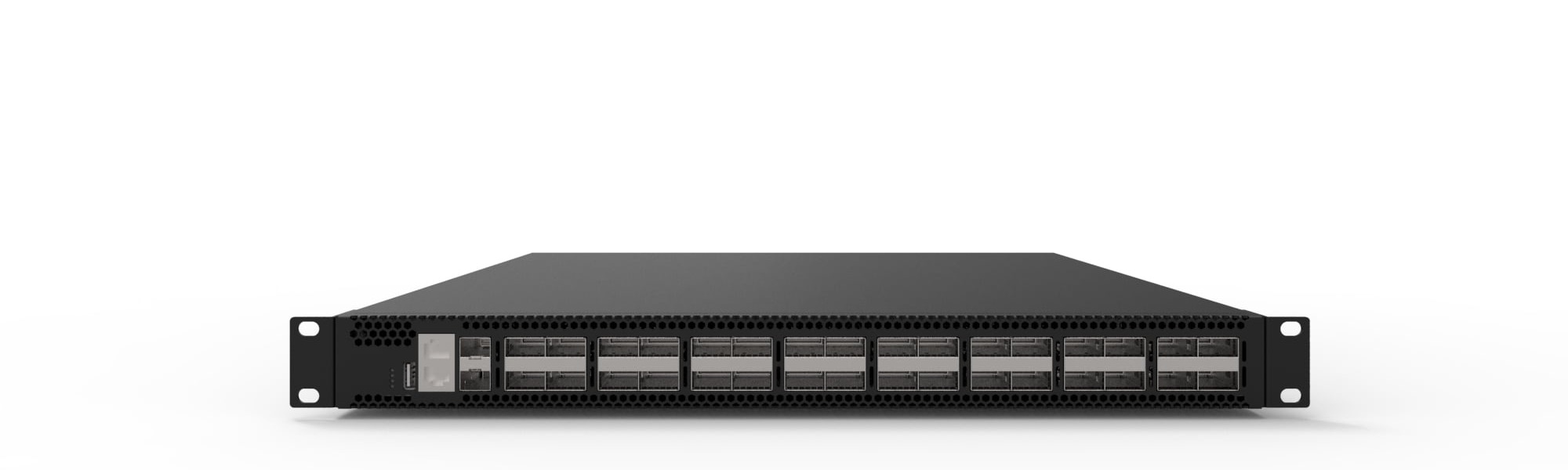 packet brokerXS-PB-32X100-G132x100G network packet broker for high-density traffic aggregation, filtering, correlation, and monitoring tool delivery.View product
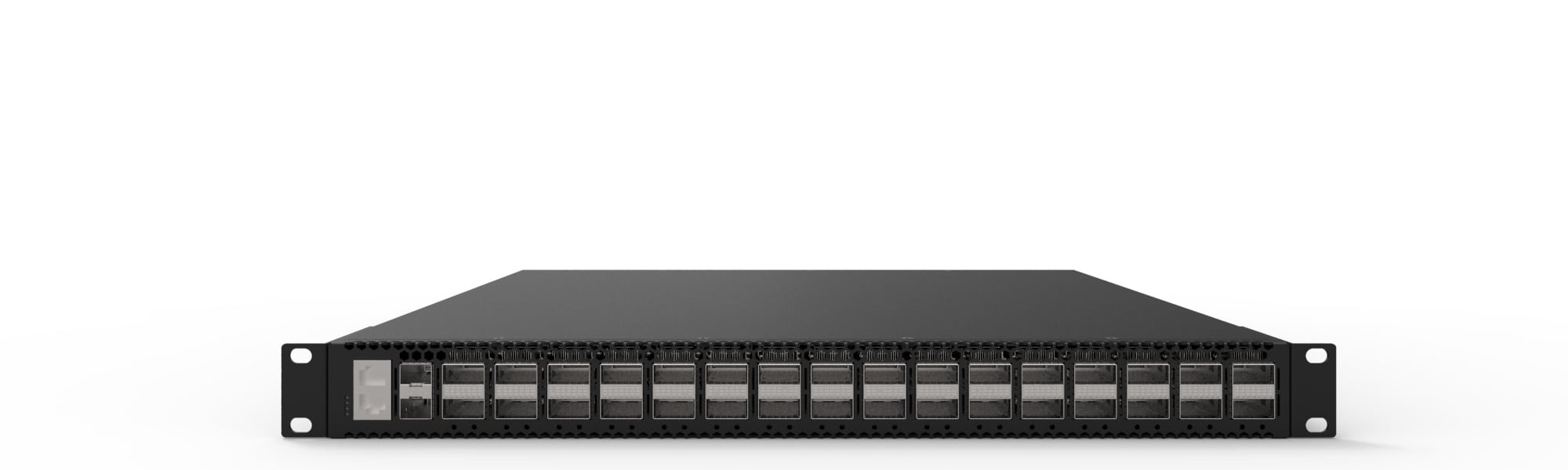 packet brokerXS-PB-32X400-G132x400G network packet broker for backbone-scale traffic visibility, filtering, replication, and high-performance tool delivery.View product
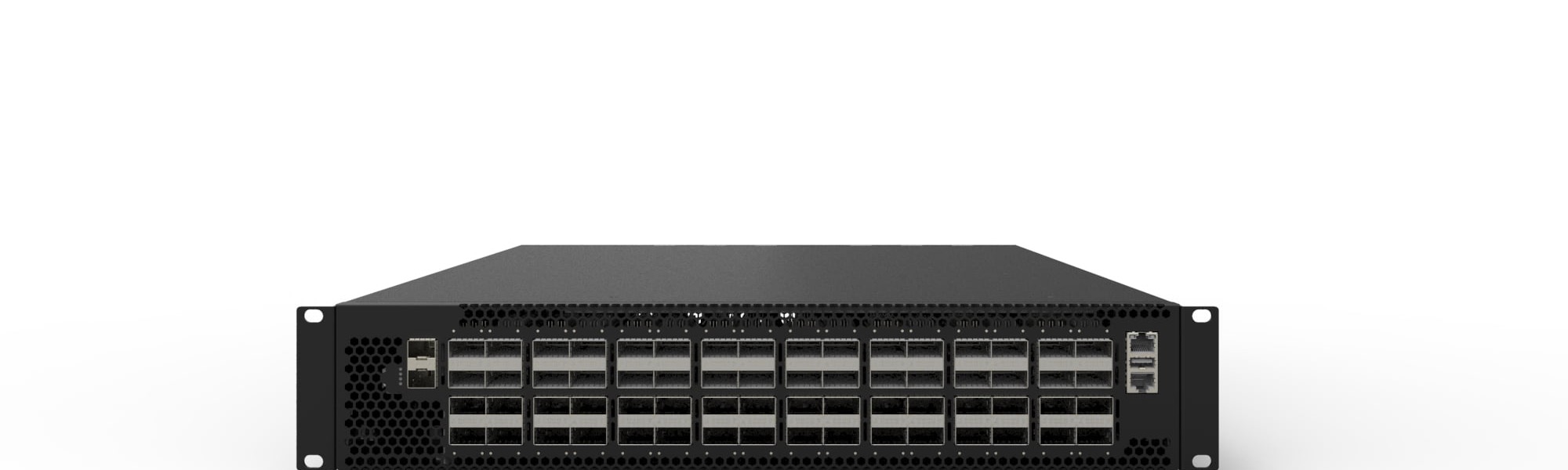 packet brokerXS-PB-64X100-G164x100G network packet broker for high-density data center and enterprise visibility fabrics.View product
Continue reading
Related articles
 Technical ArticleWhere Your Packets Disappear: A Visibility Gap Analysis for Australian Security and Observability TeamsEngineering guide for packet broker and visibility planning covering traffic capacity, filtering, tool delivery, resilience, and audit evidence.Read article
 Technical ArticleWhy Australian MSPs Are Rethinking Network Visibility Before the Next BreachPacket broker architecture guidance for Australian MSPs building network visibility, security monitoring, compliance evidence, and tool delivery.Read article
 Technical ArticlePacket Broker vs Network TAP Aggregation for Security Visibility: Which Layer Do You Need?A practical architecture comparison of network TAPs and packet brokers for security visibility, tool delivery, traffic aggregation, and Australian data centre operations.Read article