
In brief
An engineering guide for Australian network teams evaluating white box switches, SONiC, SAI, ASIC support, optics, automation, and production support.
Key takeaways
- White box switching is not a procurement shortcut. It is a decision to separate switch hardware, ASIC capability, network operating system, automation, and support into components that can be evaluated independently.
- For Australian enterprise and data centre teams, the right question is not whether open networking works.
- Traditional enterprise switching usually bundles hardware, ASIC support, NOS features, licensing, management, and support behind one vendor contract.
Engineering Position
White box switching is not a procurement shortcut. It is a decision to separate switch hardware, ASIC capability, network operating system, automation, and support into components that can be evaluated independently. That separation can reduce lock-in and improve operational control, but only if the buyer validates the full stack rather than treating “white box” as a synonym for “cheap switch.”
For Australian enterprise and data centre teams, the right question is not whether open networking works. SONiC has already proved that open, Linux-based network operating systems can run production data centre fabrics. The real question is whether the selected hardware, ASIC SDK, SAI implementation, SONiC distribution, optics, automation, and support model meet the specific production requirements of the buyer’s network.
What Actually Changes in a White Box Model
Traditional enterprise switching usually bundles hardware, ASIC support, NOS features, licensing, management, and support behind one vendor contract. White box switching breaks that bundle apart:
| Layer | Traditional bundle | White box / open networking model |
|---|---|---|
| Hardware | Vendor-branded switch platform | ODM or open networking switch selected by port speed, density, power, and ASIC |
| ASIC control | Hidden behind vendor NOS | Exposed through ASIC SDK and Switch Abstraction Interface (SAI) integration |
| NOS | Proprietary operating system | SONiC or enterprise SONiC distribution |
| Automation | Vendor-specific CLI/API | Linux-based operations, YANG/NETCONF, gNMI, REST, Ansible, or controller workflows |
| Support | Single vendor escalation | Hardware, NOS, and integrator responsibilities must be clearly assigned |
| Lifecycle | Vendor roadmap and licensing | Buyer has more control but must manage compatibility evidence |
The benefit is architectural leverage. The risk is integration ambiguity. A mature buyer reduces that risk with a structured acceptance plan.
SONiC and SAI: The Technical Basis for Disaggregation
The SONiC Foundation describes SONiC as an open source network operating system based on Linux that runs on switches from multiple vendors and ASICs. The project includes production-hardened network functions such as BGP and RDMA and is now under the SONiC Foundation, a Linux Foundation project.
The key abstraction is SAI. The OCP SAI project defines a vendor-independent API for controlling forwarding elements such as switching ASICs, NPUs, and software switches. In the SONiC architecture, applications push desired state through Redis databases and orchestration agents; syncd uses SAI and the vendor ASIC SDK to program the hardware. That is the engineering reason one NOS can target multiple silicon families.
This is also where buyers must be careful. “Runs SONiC” is not enough. A production evaluation must prove that the required features are implemented in the specific ASIC/SAI/NOS combination:
- L2/L3 forwarding, VLANs, LAG, ECMP, ACLs, QoS, PFC, and ECN.
- BGP, EVPN-VXLAN, MLAG/MC-LAG or equivalent design support.
- Optics telemetry, DOM/DDM, breakout, and supported transceiver matrices.
- Warm reboot, fast reboot, ISSU expectations, and failure recovery.
- Streaming telemetry, counters, buffer visibility, and automation APIs.
- RoCEv2 and lossless Ethernet behaviour for AI or storage fabrics.
Australian Buyer Evaluation Framework
1. Start with the use case. A data centre spine-leaf fabric, AI backend network, campus PoE refresh, and service-provider aggregation layer have different requirements. Do not run a generic white-box trial; run a trial that mirrors the target deployment.
2. Validate hardware and optics together. Port speed is only the headline. Confirm QSFP28, QSFP-DD, OSFP, DAC, AOC, breakout, gearbox, and DOM/DDM support against the actual optics list. Many production issues appear first as optics and FEC mismatches.
3. Test the ASIC pipeline, not just the CLI. Confirm ACL scale, ECMP group size, buffer behaviour, route scale, VXLAN/EVPN capability, PFC/ECN handling, telemetry counters, and drop accounting under load.
4. Confirm SAI and SDK ownership. If a feature fails, who fixes it: the hardware vendor, NOS distributor, ASIC vendor, or integrator? The escalation path must be written down before production.
5. Prove automation and rollback. Configuration load, diff, backup, rollback, and golden-config workflows should be tested through the intended production method, not manually typed during a demo.
6. Build an evidence pack. Keep test configs, software versions, ASIC/SAI versions, optics list, pcaps, counter captures, failure-mode results, and support contacts. This becomes the internal approval artefact.
Where Open Networking Usually Wins
Open networking tends to be strongest when the buyer has one or more of these pressures:
- A data centre fabric refresh where port speed is moving from 25G/100G toward 400G or 800G.
- A desire to standardise on Linux-style operations and automation rather than vendor CLI workflows.
- A need to avoid feature licensing friction for telemetry, EVPN, automation, or AI fabric functions.
- A supply-chain requirement to qualify multiple hardware options.
- A lab, research, AI, or service-provider environment where programmability matters.
It is weaker when the organisation lacks network automation skills, cannot assign integration ownership, or expects the open stack to behave exactly like an incumbent proprietary platform without process change.
xSONiC Fit for Australian Teams
xSONiC positions white box and SONiC-ready platforms as an engineering-controlled alternative to proprietary switching. The practical fit is strongest in three areas:
- Data center AI switches for spine-leaf, GPU backend, and high-speed fabrics.
- Access and aggregation switches for campus and branch environments where open management and PoE planning matter.
- Packet broker platforms and telemetry solution pillars for visibility-plane designs.
The evaluation should include xSONiC solution material for EVPN-VXLAN, AI Fabric, RoCE v2, INT telemetry, and NETCONF/YANG automation.
Proof-of-Concept Checklist
- Record switch model, ASIC, NOS image, SAI version, SDK dependency, optics list, and transceiver firmware where available.
- Load the intended production topology: L3 leaf-spine, EVPN-VXLAN, campus access, aggregation, or packet-broker visibility.
- Test link bring-up, FEC, optics telemetry, breakout, and warm/cold reboot behaviour.
- Test route scale, ECMP, ACLs, QoS, PFC/ECN, and telemetry under load.
- Validate automation using the intended production tool chain.
- Run a failure test: link loss, optics replacement, process restart, power supply failure, and control-plane restart.
- Confirm support ownership for hardware, NOS, optics, and ASIC-related issues.
Bottom Line
White box switching gives Australian network teams more control over hardware choice, NOS choice, automation, and lifecycle cost. It also moves some integration responsibility back to the buyer. A strong open networking program is therefore not built on slogans; it is built on ASIC/SAI/NOS validation, optics evidence, automation testing, and a clear support model.
For teams willing to do that engineering work, SONiC-based white box switching can be a credible alternative to proprietary switch stacks in data centre, AI fabric, packet broker, and selected campus environments.
Engineering FAQ
What should be tested before moving campus switching to SONiC or open networking? Test PoE behaviour, NAC integration, VLAN and policy design, STP or MC-LAG interaction, multicast, monitoring, upgrade rollback, and help-desk workflows. Campus readiness is an operations test, not only a forwarding test.
Where do campus refresh projects usually carry hidden risk? The risk often sits in closets: power budget, old cabling, undocumented uplinks, mixed endpoint types, voice devices, cameras, badge systems, and change windows. Those details should be inventoried before selecting switch models.
How should Australian campus teams structure a pilot? Choose one representative site or building, document endpoint classes, run PoE and failover tests, verify monitoring, train operations staff, and define rollback steps before expanding to the broader estate.
Related xSONiC Resources
Sources Reviewed
- IEEE 802.1Q Bridges and Bridged Networks
- IEEE 802.1AX Link Aggregation
- Ethernet Network Adapters - ConnectX NICs | NVIDIA
- NVIDIA BlueField Data Processing Unit
- NVIDIA Spectrum-X Ethernet Platform
- OpenConfig gNMI Specification
- OpenConfig
- RFC 7950 - The YANG 1.1 Data Modeling Language
- RFC 6241 - Network Configuration Protocol (NETCONF)
- ACSC Essential Eight
- OAIC Notifiable Data Breaches
- APRA CPS 234 Information Security
- NETSCOUT Network Packet Definition
- Cloudflare Network Packet Definition
- IEEE 802.11be Wireless LAN Standard
- IEEE 802.3bt Power over Ethernet
- SONiC Project Documentation
- Broadcom Ethernet Switching
- Marvell Switching
- NVIDIA Ethernet Switching
- Open Compute Networking
- SONiC GitHub
- SONiC Foundation
Product fit
Products referenced for evaluation
These products are referenced for evaluation context in the article. Confirm workload, port, optics, software, interoperability, and support requirements against the exact deployment before procurement.
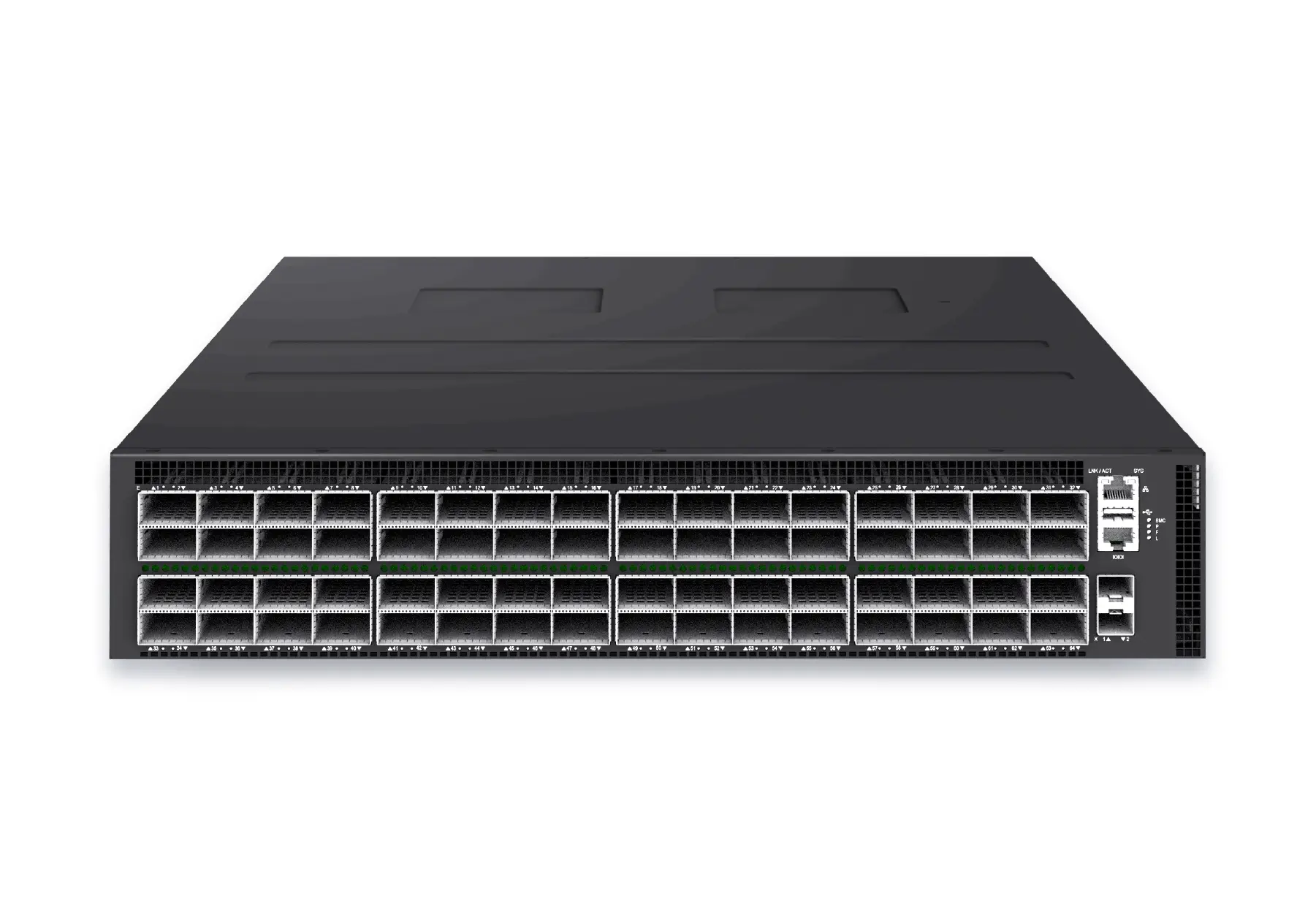 datacenter aiXS-DC-64X800-AI-G164-port 800G AI fabric switch for large-scale GPU clusters, HPC backbones, and ultra-high-throughput data center networks.View product
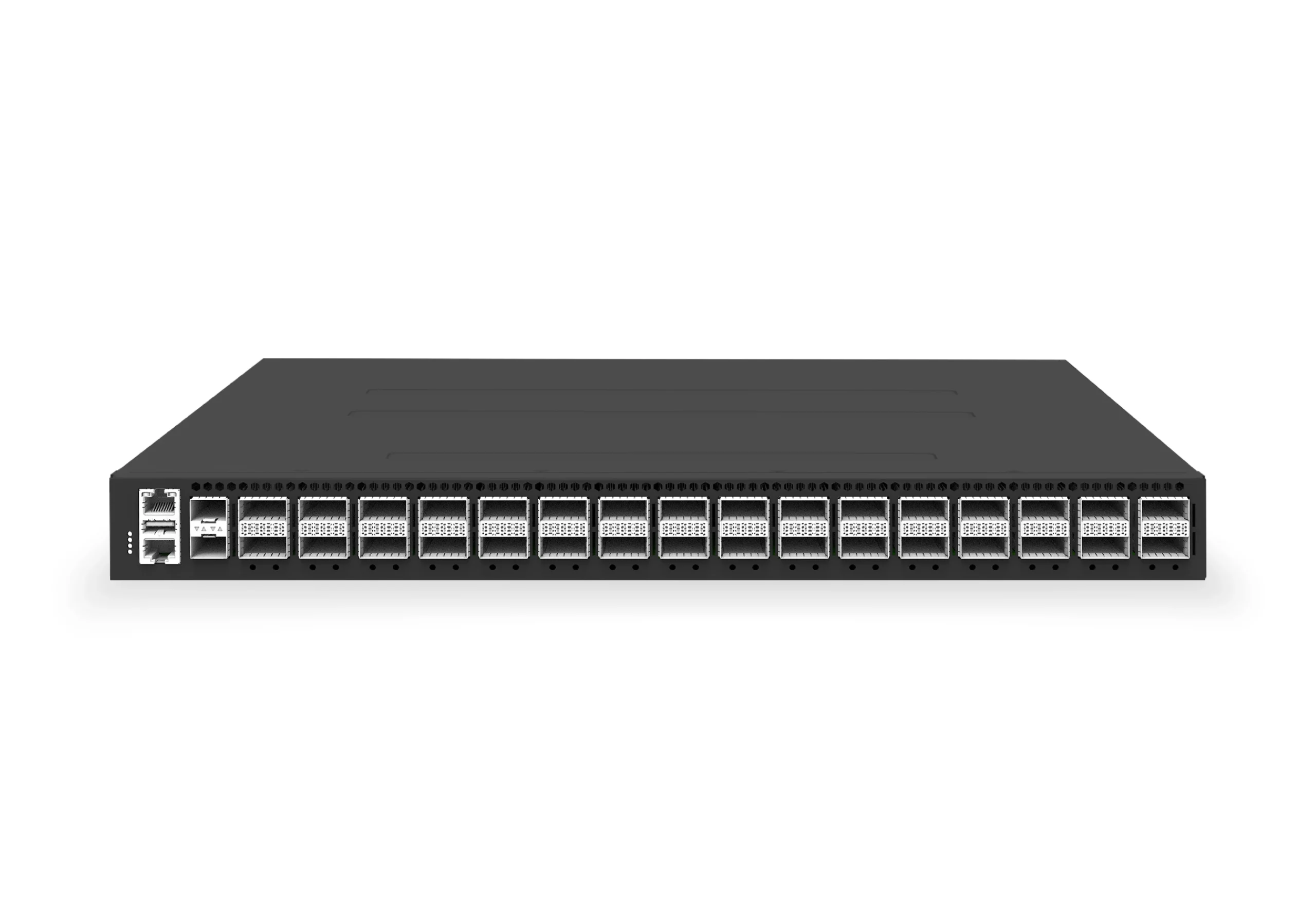 datacenter aiXS-DC-32X400-SP-G232-port 400G spine/core switch for high-capacity data center fabrics and AI-ready backbones.View product
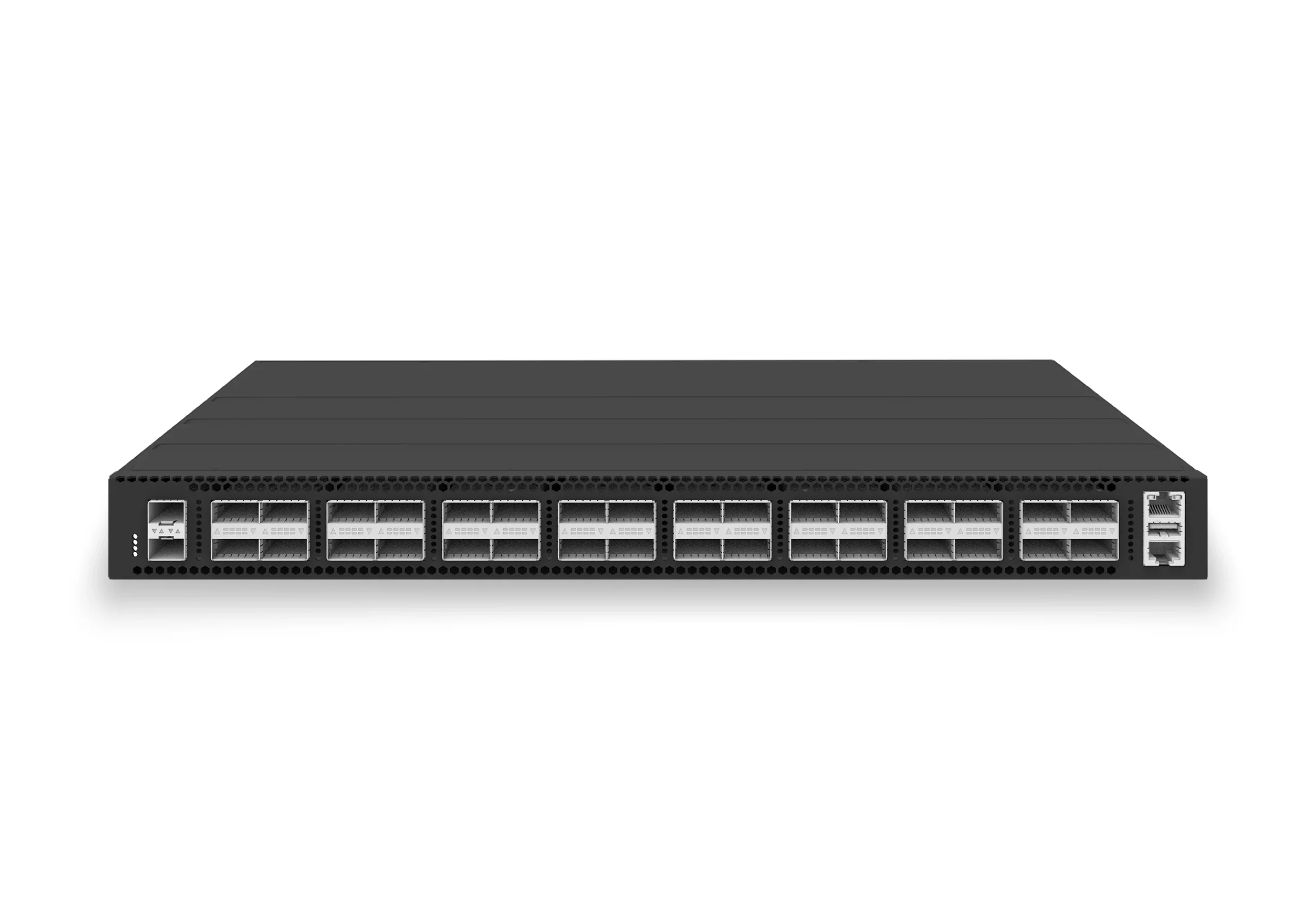 datacenter aiXS-DC-32X100-LS-G232-port 100G leaf/spine switch for VXLAN fabrics, RoCE-ready workloads, and tenant-scale routing.View product
Continue reading
Related articles
 Technical ArticleWhat Enterprise Buyers Actually Get From Open Networking Support: A SONiC Reality CheckA SONiC support reality check for Australian enterprise buyers covering community, commercial distribution, hardware, integration, SLA, and escalation.Read article
 Technical ArticleWarm Reboot and Fast Reboot in SONiC: How to Validate High Availability Without a Full OutageEngineering guide to validating SONiC warm reboot and fast reboot, covering ASIC support, control-plane recovery, traffic loss, telemetry, and rollback.Read article
 Technical ArticleSONiC Security Hardening: A Practical Guide for Data Center Network TeamsA practical SONiC security hardening guide for data center teams covering management access, patching, logging, RBAC, image provenance, telemetry, and audit evidence.Read article