In brief
A buyer-focused engineering checklist for Ethernet switches in AI and HPC environments, covering fabric scale, RoCE, telemetry, optics, SONiC, and support.
Key takeaways
- Ethernet is credible for AI and HPC because the industry has moved from ordinary data centre switching to AI-oriented Ethernet fabrics: high-radix switches, 400G/800G ports, RoCE traffic classes, congestion control, telemetry, and open NOS options such as SONiC.
- Australian buyers should evaluate Ethernet switches for AI and HPC through evidence: workload scale, ASIC capability, buffer design, optics, telemetry, automation, and local support.
- Ethernet's strength is ecosystem breadth: switch vendors, NICs, optics, NOS options, monitoring tools, and existing engineering skills.
Engineering Position
Ethernet is credible for AI and HPC because the industry has moved from ordinary data centre switching to AI-oriented Ethernet fabrics: high-radix switches, 400G/800G ports, RoCE traffic classes, congestion control, telemetry, and open NOS options such as SONiC. The buying risk is assuming every high-speed Ethernet switch can do that job.
Australian buyers should evaluate Ethernet switches for AI and HPC through evidence: workload scale, ASIC capability, buffer design, optics, telemetry, automation, and local support.
What Makes an AI/HPC Ethernet Switch Different
| Requirement | Ordinary data centre switch | AI/HPC Ethernet switch |
|---|---|---|
| Traffic pattern | Mixed enterprise and server traffic. | Dense east-west, incast, all-reduce, storage bursts. |
| Loss tolerance | Packet loss may be recovered by TCP or applications. | Drops can stall RDMA or reduce GPU utilisation. |
| Queueing | Basic QoS often sufficient. | PFC, ECN, DCBX, buffer visibility, and traffic-class isolation matter. |
| Telemetry | Interface counters and logs. | Queue, path, congestion, drops, and flow correlation required. |
| Optics | Standard compatibility check. | FEC, DOM/DDM, breakout, thermal and cable plan must be tested. |
| Operations | CLI and SNMP may be enough. | Automation, rollback, telemetry collectors, and incident runbooks required. |
Buyer Checklist
1. Fabric scale. Count GPUs, NICs, storage endpoints, management ports, and future expansion. Convert this into leaf count, spine count, oversubscription ratio, and cabling plan.
2. Port speed. Decide whether the first production design needs 100G, 200G, 400G, or 800G at each layer. IEEE P802.3dj work on 200G, 400G, 800G, and 1.6T Ethernet shows the direction of travel, but procurement should still be based on available optics, switch validation, and facility readiness.
3. RoCE readiness. Require evidence for PFC, ECN, DCBX, queue counters, PFC watchdog, and congestion recovery. A RoCE checkbox without counters and failure tests is not enough.
4. Telemetry. Ask how the switch exposes queue depth, drops, ECN marks, PFC events, path changes, and flow data. UEC, OCP ESUN, and NVIDIA Spectrum-X all emphasise that AI Ethernet depends on telemetry and congestion behaviour, not only bandwidth.
5. Optics and cabling. Validate QSFP28, QSFP-DD, OSFP, DAC, AOC, breakout, FEC mode, power, and thermal assumptions. In high-speed AI fabrics, optics are a system component, not an accessory.
6. NOS and support. SONiC can reduce NOS lock-in and align with Linux-style operations, but buyers must confirm the exact switch/NOS/ASIC/platform combination is supported.
What to Ask Vendors
- Which ASIC is used, and which features are supported in the selected NOS image?
- Which SONiC or enterprise SONiC release is validated?
- Which optics and cable assemblies are qualified?
- What are the queue, buffer, PFC, ECN, and drop counter names?
- Can we run a workload-like POC with packet captures and telemetry export?
- Who owns defects across hardware, NOS, ASIC SDK, SAI, optics, and automation?
- What is the Australian RMA and escalation process?
Ethernet vs Proprietary Interconnects
Ethernet’s strength is ecosystem breadth: switch vendors, NICs, optics, NOS options, monitoring tools, and existing engineering skills. Proprietary interconnects may still be appropriate for very large training systems with specialised staff and tightly integrated stacks. For many enterprise private AI deployments, Ethernet can be the more operationally realistic option if the fabric is validated properly.
The Ultra Ethernet Consortium and OCP ESUN are important because they show industry-level effort to optimise Ethernet for AI and HPC at scale. That does not eliminate the need for buyer testing. It gives buyers a standards and ecosystem path to evaluate.
xSONiC Fit
xSONiC’s data center AI switches should be evaluated as part of a complete AI fabric design: AI fabric, GPU backend fabric, RoCE v2, INT telemetry, and packet broker visibility.
The stronger buying process is to request a proof-of-concept with the intended topology, optics, queue profile, telemetry collectors, and failure scenarios. That turns AI-ready claims into evidence.
Bottom Line
Ethernet switches for AI and HPC should be selected by validation, not vocabulary. The right platform proves fabric scale, RoCE behaviour, telemetry, optics stability, automation, and support ownership before it becomes the GPU backend network.
Engineering Evidence Floor
For this topic, treat the article as buyer-ready only when the fabric claim is tied to measurable acceptance data. The baseline evidence package should include the selected switch SKU, SONiC image, ASIC/SAI version, NIC firmware, optics list, RoCE policy, telemetry counters, support owner, and rollback method. In a small pilot, capture at least 30 minutes of traffic at the intended 100G/400G/800G speed, one link failure, one switch reboot, one optics fault, and one support handoff. That evidence separates a credible AI fabric plan from a bandwidth brochure.
| Evidence area | What to validate | Acceptance gate | Rework trigger |
|---|---|---|---|
| Transport | PFC, ECN, DCBX, MTU, queue mapping, and CNP counters | 30 minutes load test at 100G/400G/800G | RoCE is asserted but not measured |
| Platform | Switch SKU, ASIC, SAI, SONiC image, and optics list | 2 switch roles pass upgrade and rollback | Generic compatibility is used as proof |
| Failure | Link loss, switch reboot, route convergence, and workload impact | 3 failure cases captured with timestamps | Steady-state throughput is the only evidence |
| Telemetry | Queue depth, drops, optics DOM, gNMI, and packet visibility | Operators explain a slowdown within 15 minutes | GPU and network teams use different data |
| Support | APAC escalation, RMA, spares, and patch lifecycle | 12 months operating plan approved | Ownership splits across vendors |
This section deliberately avoids treating the topic as a feature checklist. The buyer should be able to hand the evidence to engineering, security, finance, and support teams and have each group understand what was tested, what failed, what was accepted, and what still needs rework. That is also the content pattern most useful for generative search: the page states a clear conclusion, names measurable parameters, identifies risk, and cites the operational proof required before deployment.
For AI and HPC buyers, the practical distinction is between a switch that can forward packets and a fabric that can keep expensive accelerators productive during congestion, maintenance, and partial failure. Procurement should therefore ask vendors to show the relationship between port speed, queue behaviour, optics health, RoCE configuration, telemetry export, and support workflow in one test record. That turns the switch discussion from headline capacity into operational evidence.
Engineering FAQ
Is Ethernet good enough for AI and HPC clusters? It can be, but only when the fabric is validated as a system. The switch ASIC, RoCE profile, PFC and ECN behaviour, optics, NIC firmware, telemetry export, and failure recovery all need to be tested together before production.
What is the most common procurement mistake? Treating port speed as the whole requirement. A 400G or 800G switch that lacks the right queue visibility, congestion counters, optics validation, or support ownership can still be a poor AI fabric choice.
Should buyers standardise on one switch vendor? Standardisation can simplify support, but SONiC and SAI make mixed hardware strategies possible when the team has the process to validate each switch, ASIC, optics, and NOS release combination.
What evidence should be requested before purchase? Ask for a lab test plan, supported optics list, SONiC image version, RoCE and telemetry examples, known caveats, upgrade procedure, and a named escalation path for ASIC, NOS, optics, and hardware faults.
Related xSONiC Resources
Sources Reviewed
- Ethernet Network Adapters - ConnectX NICs | NVIDIA
- NVIDIA BlueField Data Processing Unit
- NVIDIA Spectrum-X Ethernet Platform
- ACSC Essential Eight
- OAIC Notifiable Data Breaches
- APRA CPS 234 Information Security
- NETSCOUT Network Packet Definition
- Cloudflare Network Packet Definition
- SONiC Project Documentation
- Broadcom Ethernet Switching
- Marvell Switching
- NVIDIA Ethernet Switching
- Open Compute Networking
- SONiC GitHub
- SONiC Foundation
Product fit
Products referenced for evaluation
These products are referenced for evaluation context in the article. Confirm workload, port, optics, software, interoperability, and support requirements against the exact deployment before procurement.
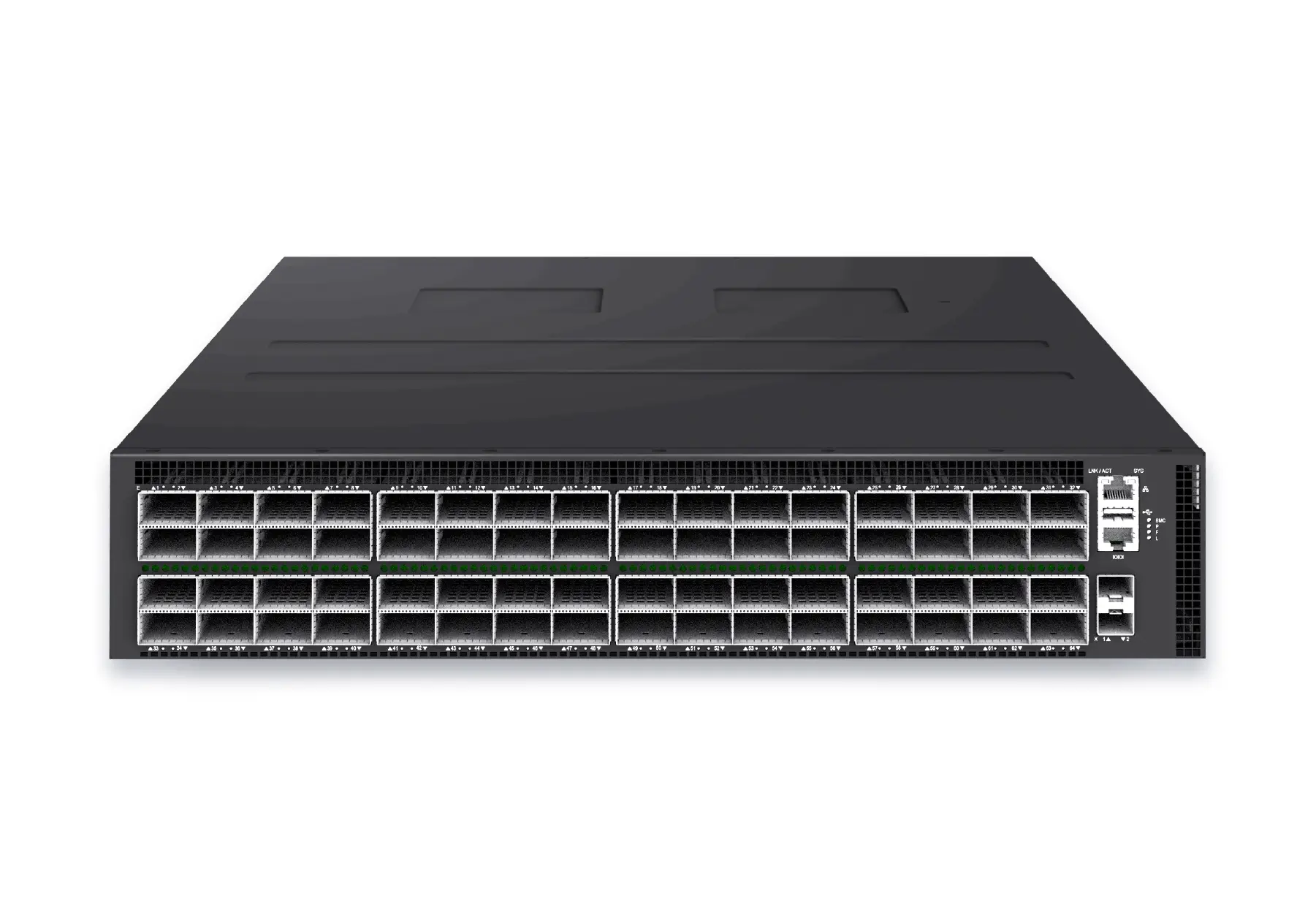 datacenter aiXS-DC-64X800-AI-G164-port 800G AI fabric switch for large-scale GPU clusters, HPC backbones, and ultra-high-throughput data center networks.View product
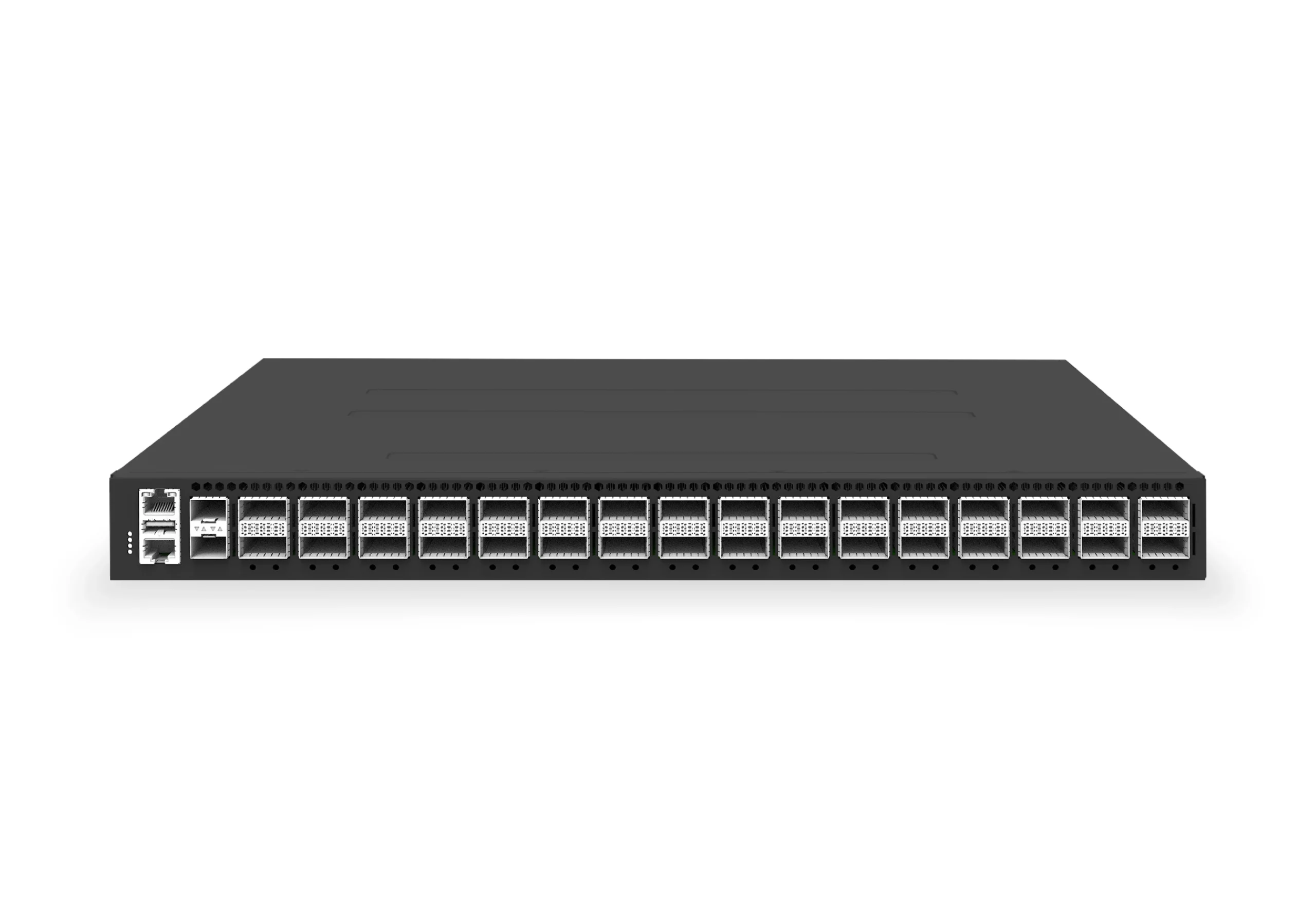 datacenter aiXS-DC-32X400-SP-G232-port 400G spine/core switch for high-capacity data center fabrics and AI-ready backbones.View product
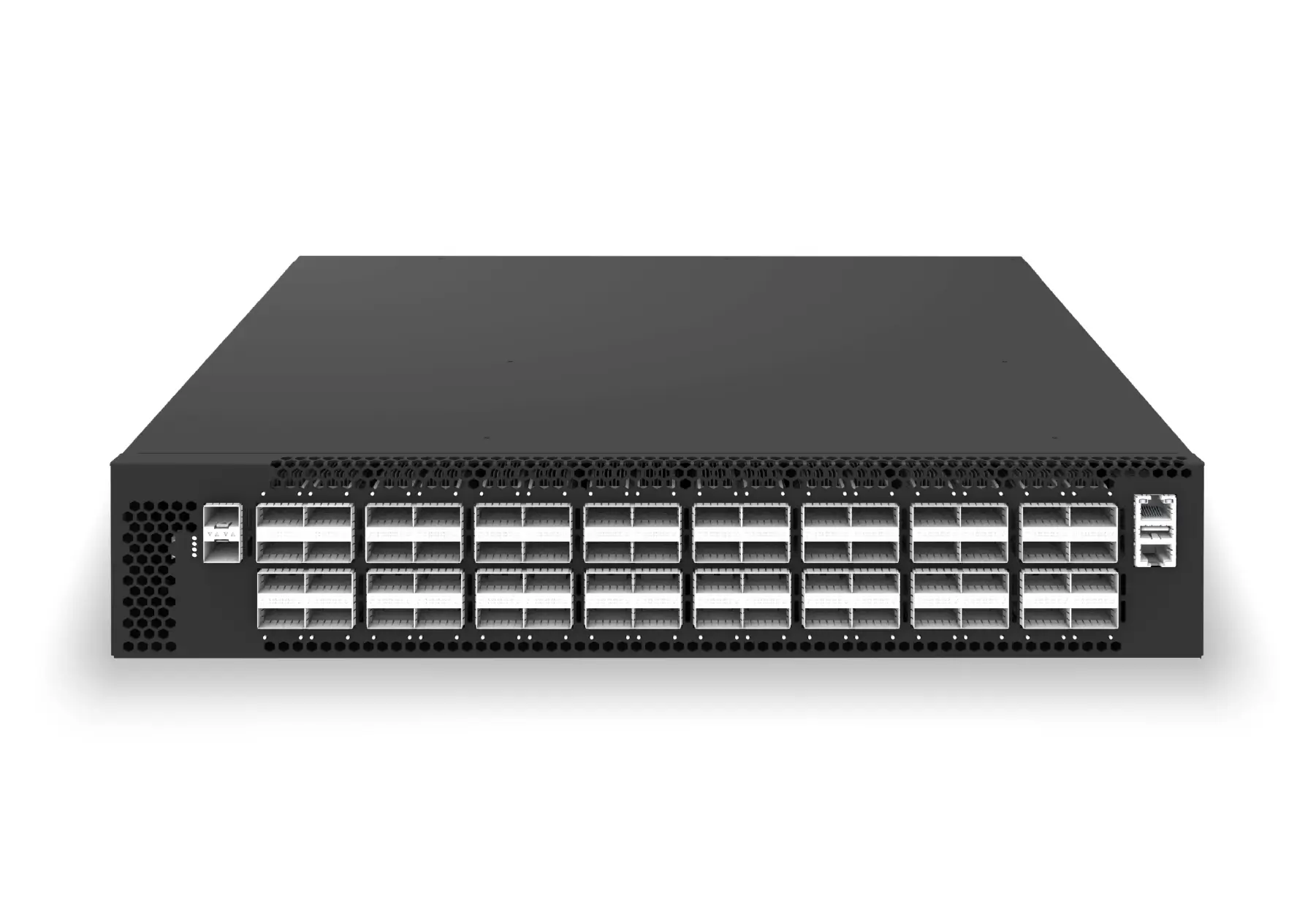 datacenter aiXS-DC-64X200-LS-G164-port 200G leaf/spine switch for high-bandwidth storage, compute, and scale-out data center fabrics.View product
Continue reading
Related articles
 Technical ArticleHow SONiC-Powered 400G and 800G Switches Change AI Data Center Fabric Design in AustraliaEngineering guide for 400G and 800G optics planning covering form factor, reach, telemetry, thermal limits, supply risk, and validation.Read article
 Technical ArticleRoCE v2 GPU Backend Fabrics at 400G and 800G: What Australian Data Center Operators Need to Know in 2026Engineering guide for AI fabric buyers covering RoCE, SONiC, telemetry, optics, support ownership, and deployment validation.Read article
 Technical ArticleWhat Australian Data Center Buyers Need to Know Before Choosing SONiC Switches for 400G and 800G UpgradesEngineering guide for 400G and 800G optics planning covering form factor, reach, telemetry, thermal limits, supply risk, and validation.Read article