In brief
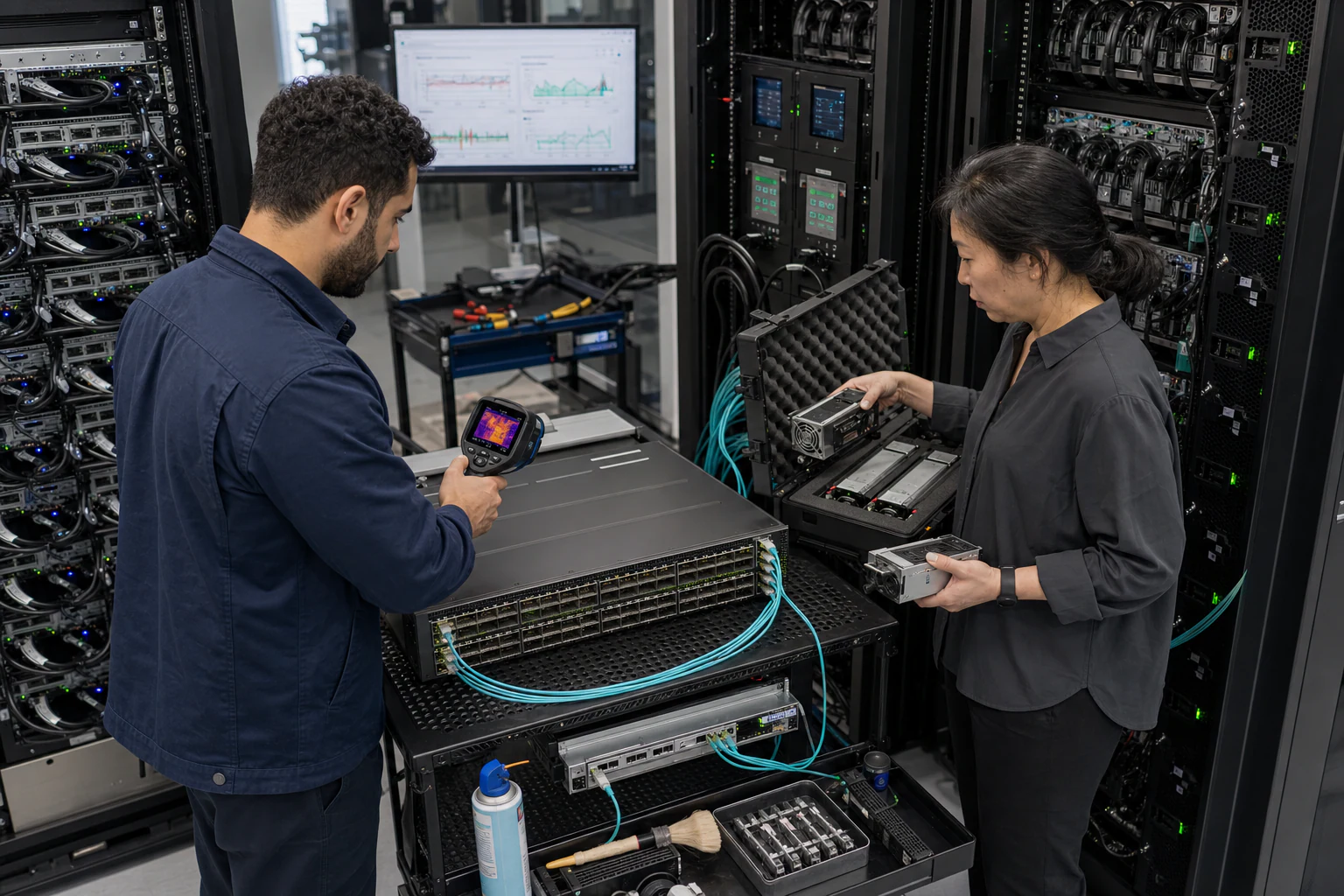
Engineering guidance on AI Data Center Ethernet Is Shifting to SONiC for Australian data centre buyers, covering form factor choice, link budgets, cabling.
Key takeaways
- Three converging developments are pushing SONiC from hyperscaler-only operating system into the mainstream AI data center conversation.
- First, the SONiC Foundation, a Linux Foundation project, describes SONiC as an open source network operating system based on Linux that runs on switches from multiple vendors and multiple ASICs.
- Second, NVIDIA's Ethernet switching portfolio page now lists Pure SONiC as a supported NOS alongside Cumulus Linux for its Spectrum line of Ethernet switches.
What Happened
Three converging developments are pushing SONiC from hyperscaler-only operating system into the mainstream AI data center conversation.
First, the SONiC Foundation, a Linux Foundation project, describes SONiC as an open source network operating system based on Linux that runs on switches from multiple vendors and multiple ASICs. The foundation states SONiC offers a full suite of network functionality, including BGP and RDMA, production-hardened in the data centers of some of the largest cloud service providers. The project highlights three structural advantages: hardware-software decoupling via the Switch Abstraction Interface (SAI), a containerized architecture that breaks monolithic switch software into modular components, and a rapidly growing multi-vendor ecosystem (sonicfoundation.dev).
Second, NVIDIA’s Ethernet switching portfolio page now lists Pure SONiC as a supported NOS alongside Cumulus Linux for its Spectrum line of Ethernet switches. The Spectrum-X Ethernet platform, which NVIDIA positions as purpose-built for AI workloads, spans switch families from the Spectrum SN2000 series at 100 Gb/s up to the new Spectrum-6 SN6000 series supporting 800 Gb/s ports with co-packaged optics. NVIDIA’s product tables show SN5000-series switches delivering 51.2 Tb/s throughput with 64x OSFP 800GbE ports, and the SN6000 family reaching 409.6 Tb/s in a 5U chassis with co-packaged silicon photonics (nvidia.com/en-us/networking/ethernet-switching).
Third, the SONiC GitHub repository confirms the project’s architecture is built around Docker containers for fault isolation, simplified upgrades, and scalability. The project supports BGP and RDMA natively, uses JSON-based configuration, and provides both CLI and programmatic management. With 2,800+ GitHub stars and 1,300+ forks, the community development model is active (github.com/sonic-net/SONiC).
None of these developments are announcements by xSONiC. They are ecosystem-level signals that the SONiC-based open networking stack is maturing for AI data center deployments.
Why It Matters for Australian AI Data Center Buyers
Australia’s AI infrastructure buildout is accelerating, driven by enterprise model training, sovereign data requirements, and GPU-as-a-service demand from providers expanding into Sydney, Melbourne, and Canberra regions. The networking layer underneath GPU clusters is a critical and often under-specified component.
The developments above matter for three buyer-specific reasons:
1. Multi-vendor ASIC support breaks vendor lock-in. SONiC’s SAI abstraction means the same NOS runs on switches powered by Broadcom, Marvell, NVIDIA Spectrum, and other merchant silicon. For Australian buyers, this translates to competitive hardware procurement without sacrificing feature parity. You are no longer locked into a single vendor’s switch-to-software stack when building an AI fabric.
2. RDMA and RoCE are now table stakes, not premium features. SONiC ships with RDMA support. NVIDIA’s Spectrum-X platform is designed for zero-touch accelerated RoCE over Ethernet. GPU backend fabrics for training and inference clusters require lossless or near-lossless Ethernet with RDMA over Converged Ethernet (RoCE v2), Data Center Bridging Capability Exchange (DCBX), and congestion notification mechanisms. These capabilities, once InfiniBand-only, are now production-validated on SONiC Ethernet fabrics.
3. Containerized architecture simplifies operations. SONiC’s Docker-based modular design allows individual network functions to be updated, debugged, or replaced independently. For Australian enterprises running lean network operations teams, this is a meaningful operational advantage over monolithic switch OS architectures that require full firmware upgrades for any change.
However, Australian buyers should note important caveats. SONiC’s production-hardened reputation comes primarily from hyperscaler deployments. Enterprise-grade support, Australian-localized technical assistance, and validated hardware compatibility matrices vary by vendor distribution. Not all SONiC distributions are equal.
The SONiC Ecosystem Signal: Not Just Hyperscaler Anymore
The SONiC Foundation’s positioning has evolved. The project explicitly states it has gained wide industry support that includes major network chip vendors. NVIDIA’s decision to offer Pure SONiC as a NOS choice on its Spectrum Ethernet switches alongside Cumulus Linux is a significant ecosystem validation point. It means a major silicon and systems vendor sees SONiC as commercially viable for AI-optimized Ethernet, not just general-purpose data center switching.
For the Australian market, this ecosystem signal matters because:
- Australian enterprises and service providers can now source SONiC-compatible switches from multiple vendors rather than depending on a single upstream supplier.
- The availability of enterprise SONiC distributions means support SLAs, certified hardware lists, and integration testing are no longer missing from the buying equation.
- Government and defense-adjacent buyers evaluating sovereign AI infrastructure benefit from open-source NOS auditability and the absence of proprietary licensing constraints.
The GitHub repository shows SONiC uses standard Linux interfaces and tools, supports modern network programming paradigms, and runs on a wide range of network switches. The project’s ONIE installation method is the recommended path for most deployments, which aligns with bare-metal switching hardware procurement models.
A key buyer question for Australian AI data center planners: which SONiC distribution, which compatible switch hardware, and which support model fits your deployment scale and risk tolerance. This is where vendor selection becomes critical.
NVIDIA Spectrum-X and SONiC: What the Product Lineup Tells Us
NVIDIA’s Ethernet switching page reveals the technical ceiling for SONiC-capable AI Ethernet. The Spectrum switch families break down as follows, based on NVIDIA’s published product tables:
| Series | Max Port Speed | Target Use Case | SONiC Support |
|---|---|---|---|
| SN2000 (Spectrum) | 100 Gb/s | Hyperconverged, storage, leaf | Listed |
| SN3000 (Spectrum-2) | 200 Gb/s | Leaf-spine, full-rack connectivity | Listed |
| SN4000 (Spectrum-3) | 400 Gb/s | Cloud-scale distributed apps | Listed |
| SN5000 (Spectrum-4) | 800 Gb/s | AI/deep learning workloads | Listed |
| SN6000 (Spectrum-6) | 800 Gb/s + co-packaged optics | AI factories, Rubin-based clusters | Listed |
For Australian buyers evaluating 400G and 800G AI fabric builds, the SONiC compatibility of these switch platforms means the software layer is decoupled from the hardware procurement. The buying decision shifts from ‘which vendor’s proprietary stack’ to ‘which SONiC distribution plus which compatible switch platform plus which optics and cabling.‘
What This Means for xSONiC Product Families
The SONiC ecosystem developments described above directly map to xSONiC’s data center networking product direction:
Data Center AI Switches: xSONiC’s Enterprise SONiC switching family targets the same AI/ML cluster, spine-leaf, and RoCE fabric use cases that SONiC and NVIDIA Spectrum-X are validating at scale. Australian buyers evaluating 100G/400G/800G Ethernet AI fabrics should consider xSONiC data center switches as part of their multi-vendor shortlist.
Optical Transceivers: As AI fabric port speeds move from 100G to 400G and 800G, the optics layer becomes a significant cost and compatibility factor. xSONiC’s SFP28, QSFP28, QSFP-DD, and OSFP transceiver portfolio is relevant to the same switch platforms described in NVIDIA’s product tables.
Packet Brokers: AI data center fabrics generate massive east-west traffic flows. Network visibility, traffic aggregation, filtering, and security tool delivery become critical at scale. xSONiC’s packet broker family addresses this infrastructure layer.
Solution Pillars: The AI Fabric, GPU Backend Fabric, RoCE v2, and EVPN-VXLAN solution guides provide implementation-level detail for the SONiC-based AI data center architectures discussed in this brief.
xSONiC positions itself as an open networking infrastructure brand. The SONiC Foundation’s multi-vendor, open-source model and NVIDIA’s Pure SONiC support validate the category. Australian buyers building AI infrastructure should evaluate xSONiC alongside other SONiC-compatible vendors based on hardware availability, local support, pricing, and verified compatibility.
Open Questions and Buyer Checklist for Australian AI Network Planners
Before committing to a SONiC-based AI data center Ethernet fabric in Australia, network planners should address the following:
1. SONiC Distribution Selection. Community SONiC vs. enterprise SONiC distributions offer different support models, certified hardware lists, and feature release cadences. Which distribution aligns with your operational risk tolerance?
2. Hardware Compatibility. Not all switch hardware is equally validated on all SONiC distributions. Request certified compatibility matrices from your switch vendor.
3. RoCE/RDMA Validation. GPU backend fabrics require lossless Ethernet with PFC, ECN, DCBX, and congestion notification. Validate these capabilities on your specific switch-SONiC-SAI combination before procurement.
4. Optics and Cabling. 400G and 800G optics have specific reach, power, and thermal requirements. Ensure your optics vendor (e.g., xSONiC transceivers) is validated with your switch platform.
5. Australian Support Model. Confirm that your chosen SONiC distribution and switch vendor offers Australian-timezone technical support with appropriate SLAs.
6. AI Workload Profile. Training clusters have different traffic patterns (large, long-lived flows) vs. inference clusters (shorter, burstier flows). Your fabric design and congestion management strategy should match.
7. Interoperability. If your AI fabric connects to existing campus, WAN, or security infrastructure, validate SONiC interoperability with your current network stack.
What to Watch Next
Several developments worth monitoring:
- SONiC Foundation roadmap and release cadence: New SONiC releases should be tracked for AI fabric feature additions, particularly around INT telemetry, in-band network telemetry, and advanced congestion management.
- Enterprise SONiC distribution expansion: More vendors offering enterprise-grade SONiC distributions increases buyer choice and competitive pricing pressure.
- Australian government AI infrastructure policy: Sovereign AI requirements and data residency rules may influence whether Australian buyers prefer open-source NOS options for auditability.
- 800G optics ecosystem maturity: As 800G becomes the AI fabric baseline, transceiver availability, pricing, and multi-vendor interoperability become critical procurement factors.
This analysis brief will be updated as new source-backed information becomes available.
Engineering FAQ
What should be checked before ordering 400G or 800G optics? Check port form factor, lane speed, reach, fibre type, breakout plan, DOM telemetry, firmware compatibility, thermal budget, and the switch vendor optics support matrix. The same speed can behave differently across QSFP-DD, OSFP, DAC, AOC, and fibre modules.
Why is optics validation part of a SONiC deployment? SONiC exposes the NOS layer, but optics behaviour still depends on the switch platform, transceiver EEPROM data, firmware, thermal design, and operational tooling. Buyers should test the exact module and cable combination before volume rollout.
What should be included in an optics procurement record? Record SKU, reach, connector, fibre type, temperature class, supported breakout modes, switch platform, SONiC image, DOM fields, link test result, and spare strategy. That record becomes the reference for future replacements.
Related xSONiC Resources
Sources Reviewed
- Ethernet Network Adapters - ConnectX NICs | NVIDIA
- NVIDIA BlueField Data Processing Unit
- NVIDIA Spectrum-X Ethernet Platform
- ACSC Essential Eight
- OAIC Notifiable Data Breaches
- APRA CPS 234 Information Security
- NETSCOUT Network Packet Definition
- Cloudflare Network Packet Definition
- SONiC Project Documentation
- Broadcom Ethernet Switching
- Marvell Switching
- NVIDIA Ethernet Switching
- Open Compute Networking
- SONiC GitHub
- SONiC Foundation
Product fit
Products referenced for evaluation
These products are referenced for evaluation context in the article. Confirm workload, port, optics, software, interoperability, and support requirements against the exact deployment before procurement.
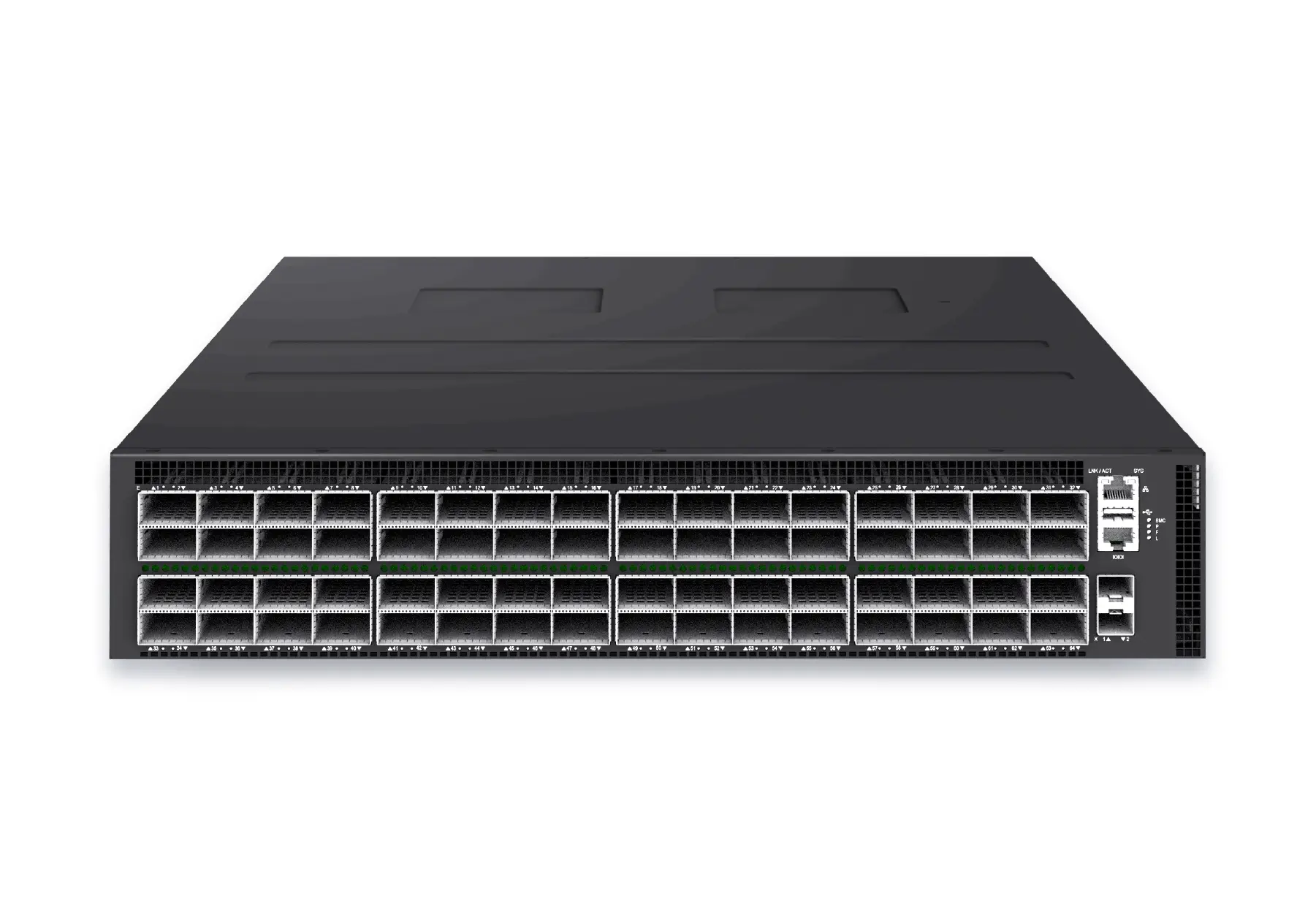 datacenter aiXS-DC-64X800-AI-G164-port 800G AI fabric switch for large-scale GPU clusters, HPC backbones, and ultra-high-throughput data center networks.View product
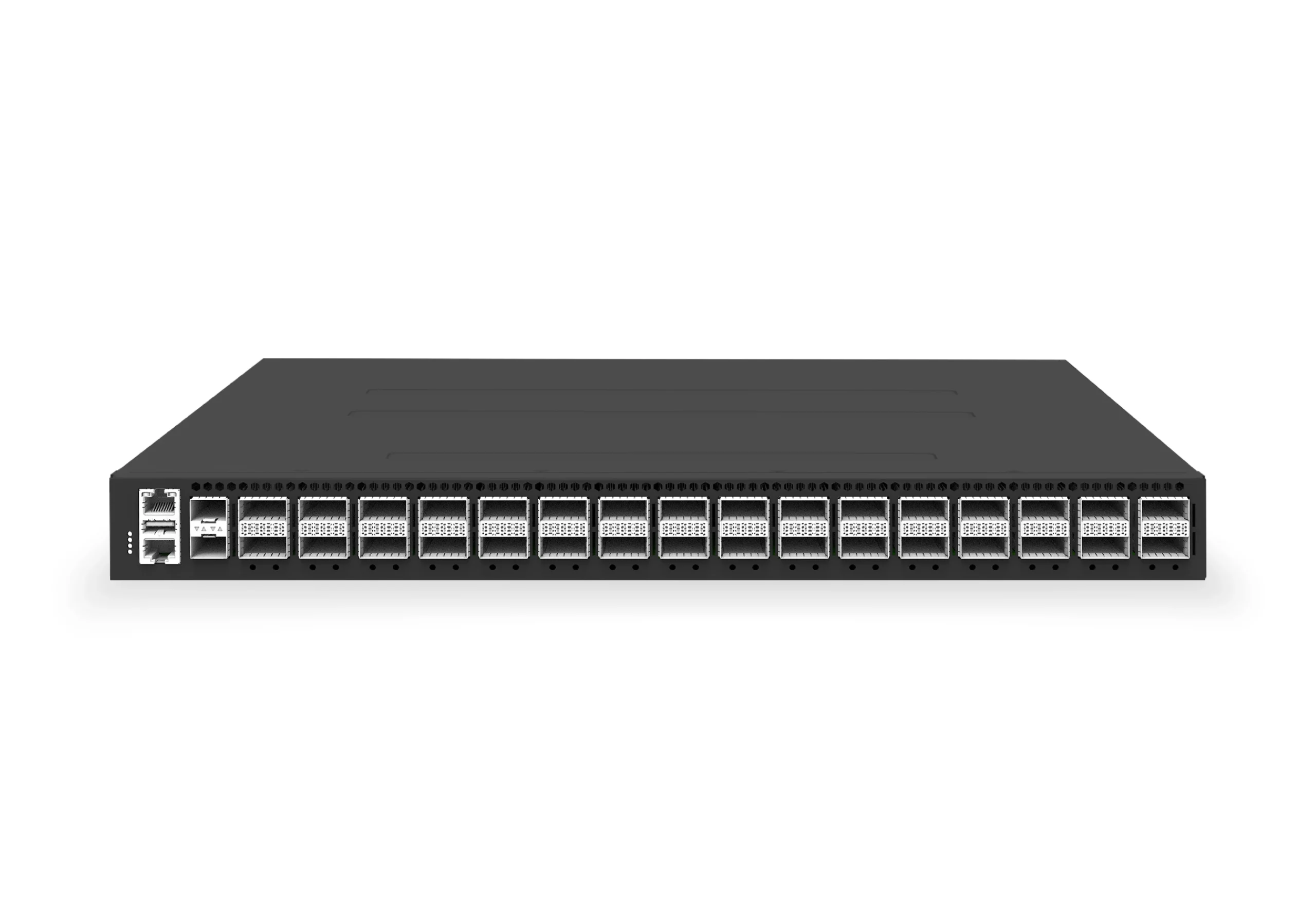 datacenter aiXS-DC-32X400-SP-G232-port 400G spine/core switch for high-capacity data center fabrics and AI-ready backbones.View product
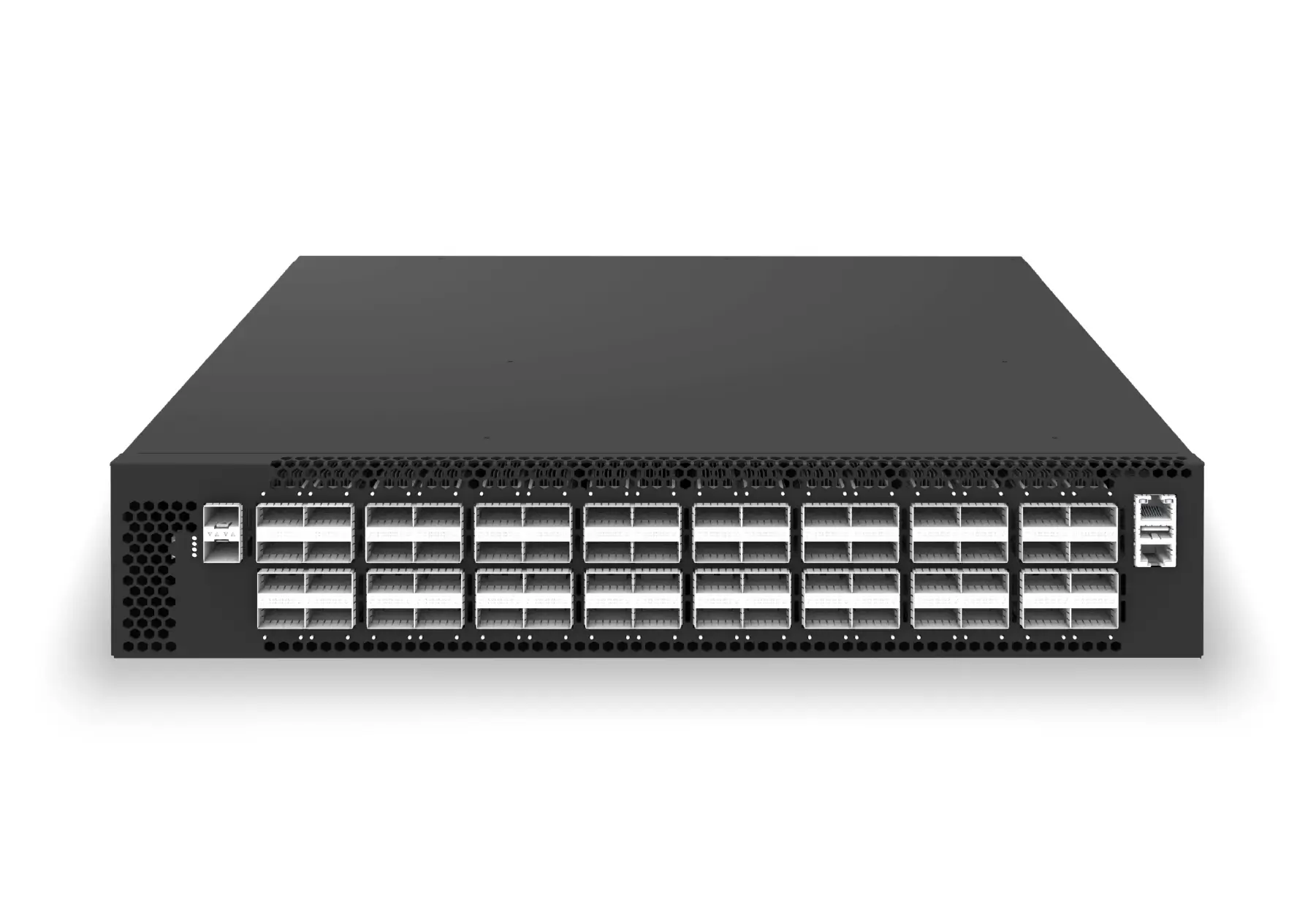 datacenter aiXS-DC-64X200-LS-G164-port 200G leaf/spine switch for high-bandwidth storage, compute, and scale-out data center fabrics.View product
Continue reading
Related articles
 Technical ArticleWhat Enterprise Buyers Actually Get From Open Networking Support: A SONiC Reality CheckA SONiC support reality check for Australian enterprise buyers covering community, commercial distribution, hardware, integration, SLA, and escalation.Read article
 Technical ArticleWarm Reboot and Fast Reboot in SONiC: How to Validate High Availability Without a Full OutageEngineering guide to validating SONiC warm reboot and fast reboot, covering ASIC support, control-plane recovery, traffic loss, telemetry, and rollback.Read article
 Technical ArticleSONiC Security Hardening: A Practical Guide for Data Center Network TeamsA practical SONiC security hardening guide for data center teams covering management access, patching, logging, RBAC, image provenance, telemetry, and audit evidence.Read article