
In brief
How SONiC on Celestica data center switches should be evaluated by Australian operators for ASIC fit, support, RoCE, automation, and TCO.
Key takeaways
- Australian enterprises, colocation providers, and managed service providers are under pressure to scale data center capacity while controlling cost and avoiding vendor lock-in.
- SONiC is a free and open-source network operating system based on Linux that runs on switches from multiple vendors and multiple ASIC families.
- Celestica is an established ODM/JDM manufacturer that designs and builds data center switches supporting ONIE (Open Network Install Environment) and SONiC.
The Open Networking Shift in Australian Data Centers
Australian enterprises, colocation providers, and managed service providers are under pressure to scale data center capacity while controlling cost and avoiding vendor lock-in. SONiC - Software for Open Networking in the Cloud - has emerged as a credible production-grade network operating system for exactly this scenario. Originally hardened inside hyperscaler environments, SONiC is now an open-source Linux Foundation project with a rapidly growing hardware ecosystem. Celestica is one of the key ODM/JDM manufacturers building the bare-metal and white-box switches that run SONiC at scale.
What Is SONiC?
SONiC is a free and open-source network operating system based on Linux that runs on switches from multiple vendors and multiple ASIC families. It offers a full suite of network functionality - including BGP and RDMA - that has been production-hardened in the data centers of some of the largest cloud service providers globally.
Key architectural characteristics:
- Hardware-software decoupling via the Switch Abstraction Interface (SAI), enabling the same NOS to run on switches from different vendors.
- Container-based architecture where each network function runs in its own Docker container, providing fault isolation, easier debugging, and simplified upgrades.
- Standard Linux interfaces and tooling, meaning network teams can leverage familiar CLIs, scripting, and automation frameworks.
- Open-source under Apache License 2.0 with active community governance through the Linux Foundation.
Celestica’s Role in the SONiC Hardware Ecosystem
Celestica is an established ODM/JDM manufacturer that designs and builds data center switches supporting ONIE (Open Network Install Environment) and SONiC. Their switch families are deployed by hyperscalers and increasingly by enterprise and colocation operators.
What the sources confirm: SONiC runs on switches from multiple vendors and ASICs, and the ecosystem has gained wide industry support including major network chip vendors. Celestica-built switches are part of this multi-vendor landscape.
Why Containerised Architecture Matters
SONiC’s container-based design is a significant operational advantage over monolithic switch operating systems. Each subsystem (e.g., BGP, LLDP, SNMP, DHCP relay) runs in an isolated Docker container. This means:
| Benefit | Practical Impact |
|---|---|
| Fault isolation | A crash in one container does not take down the entire switch |
| Independent upgrades | Patch or update a single service without full NOS replacement |
| Easier debugging | Inspect logs and restart individual containers |
| Faster development cycles | New features ship as container updates, not monolithic firmware drops |
| Custom extensibility | Operators can add monitoring agents or custom automation containers |
For Australian enterprises running mixed workloads - from traditional enterprise applications to GPU clusters for AI training - this modularity translates directly into reduced operational risk and faster incident resolution.
Multi-Vendor Flexibility and SAI
The Switch Abstraction Interface (SAI) is the foundation that allows SONiC to run across different switch ASICs. This matters for Australian buyers because:
- You are not locked to a single silicon vendor for the life of your fabric.
- You can select hardware based on price-performance for a given use case (leaf vs. spine vs. border leaf).
- You can source switches from multiple ODMs - including Celestica - and manage them all with the same NOS and toolchain.
NVIDIA, for example, offers ‘Pure SONiC’ as a supported NOS option on their Spectrum Ethernet switch line, alongside Cumulus Linux. This signals that SONiC is not a niche experiment but a mainstream data center NOS backed by major silicon vendors.
Production Readiness and Scale
SONiC’s production credentials are well-established. According to the SONiC Foundation, it has been ‘production-hardened in the data centers of some of the largest cloud service providers.’ The project has 2,960+ commits on its master repository, 2.8k GitHub stars, 1.3k forks, and an active community with weekly meetings.
For Australian operators, this production heritage means:
- Battle-tested BGP, RDMA, and VXLAN implementations.
- Active security patching and vulnerability disclosure process.
- A large community to consult when troubleshooting.
- Sustained development roadmap overseen by the Linux Foundation.
SONiC for AI and High-Performance Workloads
A growing number of Australian organisations are deploying GPU clusters for machine learning training and inference. SONiC supports RDMA over Converged Ethernet (RoCE), which is critical for GPU-to-GPU communication in distributed training.
For Australian AI infrastructure builders, the combination of Celestica hardware running SONiC with RoCE-enabled fabrics offers a path to build AI networks without proprietary NOS licensing costs.
Operational Considerations for Australian Deployments
Before committing to SONiC on Celestica switches, Australian teams should evaluate:
| Consideration | Detail | Status |
|---|---|---|
| Automation integration | SONiC supports REST API and gNMI - verify compatibility with your Ansible/Terraform/SaltStack stack | Supported per SONiC docs |
| ASIC and SAI fit | Confirm switch ASIC, SAI version, SDK owner, breakout modes, and port-speed support for 100G, 400G, or 800G roles | Requires platform-specific evidence |
| RoCE and AI fabric readiness | Validate PFC, ECN, DCBX, queue telemetry, and congestion behavior with the intended GPU NIC firmware | Do not infer from generic SONiC support |
| Optics and cabling | Test QSFP28, QSFP-DD, OSFP, DAC, AOC, FEC, DOM, and thermal behavior in the target rack airflow | Requires exact module matrix |
| Support and spares | Name owner for hardware, SONiC image, optics, escalation, and 4-hour or next-business-day spare process | Must be in contract |
The open-source nature of SONiC means there is no per-switch NOS licensing fee. However, some operators prefer an enterprise support subscription from a vendor like NVIDIA (Pure SONiC) for guaranteed SLAs and bug-fix prioritisation.
Celestica SONiC Acceptance Matrix
| Evaluation area | Acceptance evidence | Rework trigger |
|---|---|---|
| Platform identity | Exact Celestica model, ASIC, SAI version, SONiC image, ONIE version, and port map recorded | The proposed switch differs from the lab unit or source documentation |
| Fabric function | BGP, EVPN-VXLAN, RoCE v2, ECN, PFC, and telemetry validated for at least 72 hours | Feature support is claimed but not proven on the same hardware and image |
| Automation | ZTP, Ansible, gNMI, config backup, drift detection, and rollback tested in a 30-day pilot | Deployment requires manual config that cannot be version controlled |
| Operations | Logs, counters, optics alerts, container restart, warm reboot, and failure runbooks tested | Operations cannot isolate hardware, SONiC image, optics, or support ownership |
| Commercial model | 36-month and 60-month TCO includes hardware, optics, support, spares, validation lab, and training | Savings depend only on zero NOS license cost |
Getting Started
The SONiC project provides comprehensive documentation and a clear getting-started path:
- Check hardware compatibility against the supported devices list.
- Download the appropriate SONiC image for your switch model.
- Install via ONIE (the recommended method for bare-metal switches).
- Configure using JSON-based config files, SONiC CLI, or programmatic interfaces.
- Validate with standard Linux networking commands (e.g., ‘show system status’, ‘show interfaces status’, ‘show ip route’, ‘show bgp summary’).
For Australian teams evaluating SONiC on Celestica hardware, a lab proof-of-concept is a low-risk first step to validate feature coverage and operational workflows before committing to production fabric builds.
Key Takeaways
- SONiC is a production-proven, open-source NOS backed by the Linux Foundation and major silicon vendors.
- Celestica builds data center switches that are part of the SONiC hardware ecosystem.
- Container-based architecture provides operational benefits over monolithic switch OS designs.
- SAI-based multi-vendor support reduces hardware lock-in.
- SONiC supports RDMA/RoCE for AI and HPC workloads increasingly relevant in the Australian market.
- Local support, compliance, and spares availability must be validated during procurement before procurement.
Engineering FAQ
What should Australian buyers prove before choosing SONiC on Celestica hardware? Prove the exact switch model, ASIC, SAI version, SONiC image, optics, automation, support owner, and failure behavior in a representative lab.
Is Celestica hardware support the same as SONiC image support? No. Hardware, optics, ASIC SDK, SAI, and SONiC image support can sit with different parties. The support boundary should be named before production deployment.
Where does this architecture fit best? It fits data center leaf-spine, AI fabric, lab, and open networking programs where the team values NOS portability and can fund validation, automation, and support.
Related xSONiC Resources
Sources Reviewed
- Ethernet Network Adapters - ConnectX NICs | NVIDIA
- NVIDIA BlueField Data Processing Unit
- NVIDIA Spectrum-X Ethernet Platform
- OpenConfig gNMI Specification
- OpenConfig
- RFC 7950 - The YANG 1.1 Data Modeling Language
- RFC 6241 - Network Configuration Protocol (NETCONF)
- SONiC Project Documentation
- Broadcom Ethernet Switching
- Marvell Switching
- NVIDIA Ethernet Switching
- Open Compute Networking
- SONiC GitHub
- SONiC Foundation
Product fit
Products referenced for evaluation
These products are referenced for evaluation context in the article. Confirm workload, port, optics, software, interoperability, and support requirements against the exact deployment before procurement.
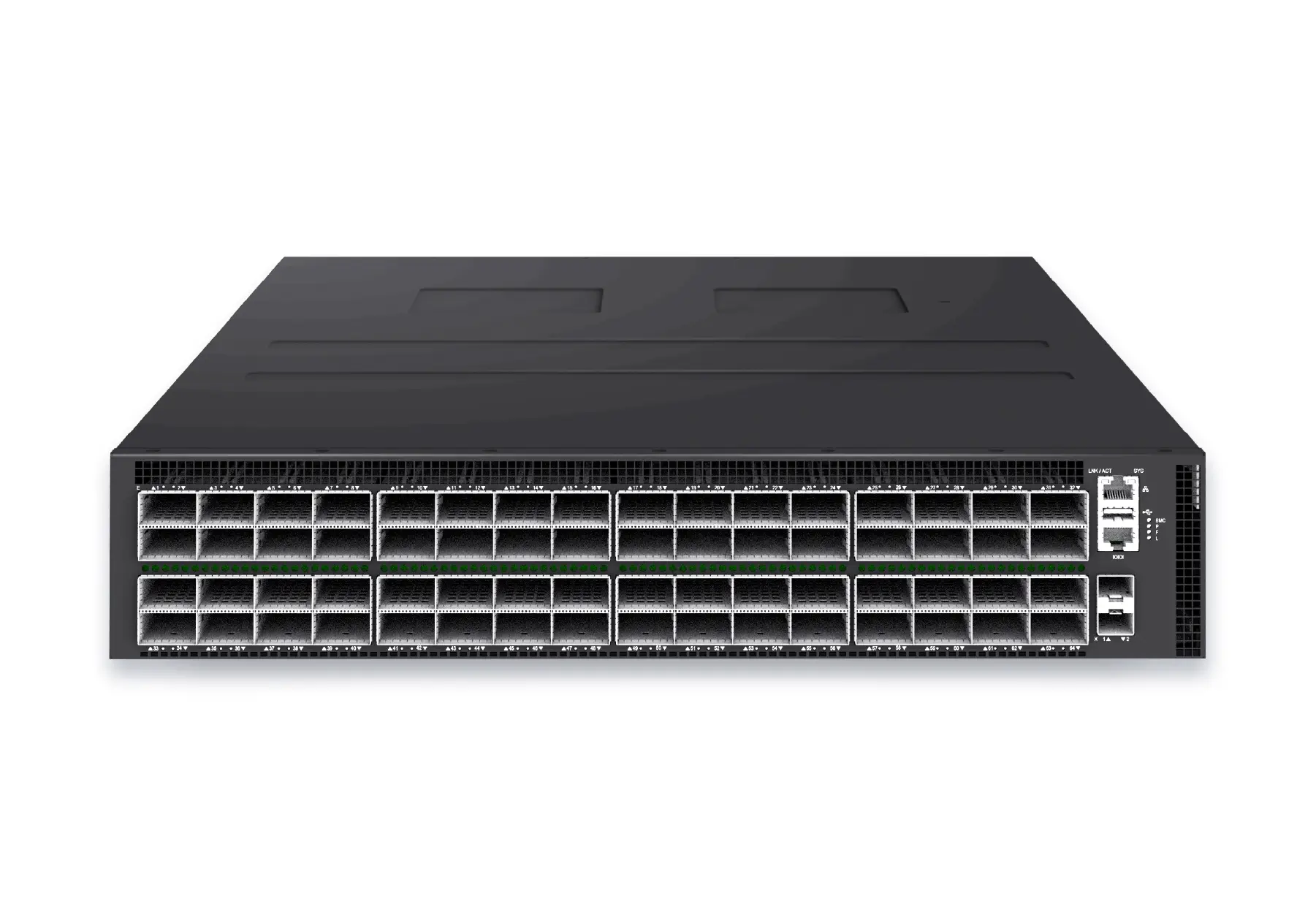 datacenter aiXS-DC-64X800-AI-G164-port 800G AI fabric switch for large-scale GPU clusters, HPC backbones, and ultra-high-throughput data center networks.View product
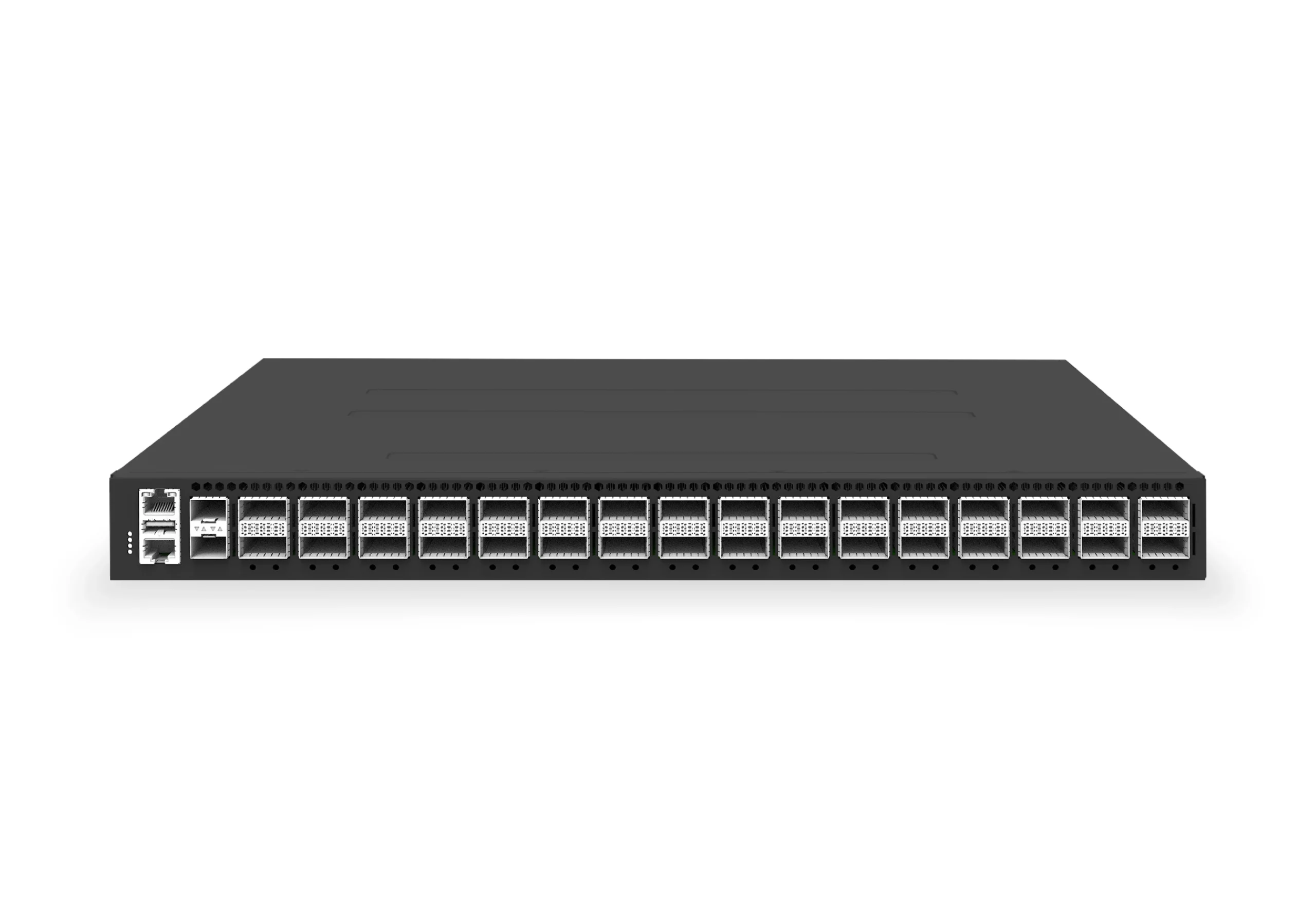 datacenter aiXS-DC-32X400-SP-G232-port 400G spine/core switch for high-capacity data center fabrics and AI-ready backbones.View product
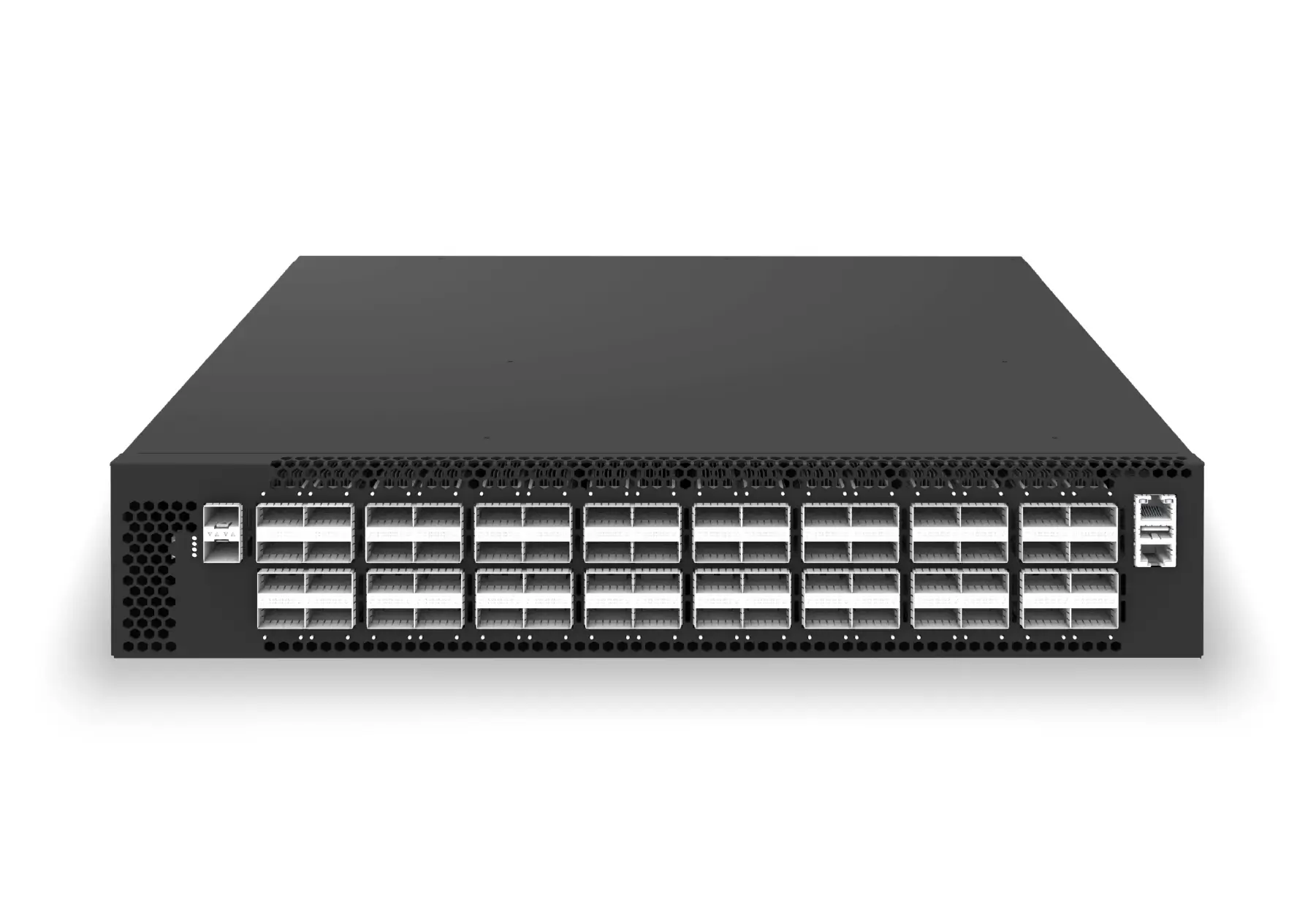 datacenter aiXS-DC-64X200-LS-G164-port 200G leaf/spine switch for high-bandwidth storage, compute, and scale-out data center fabrics.View product
Continue reading
Related articles
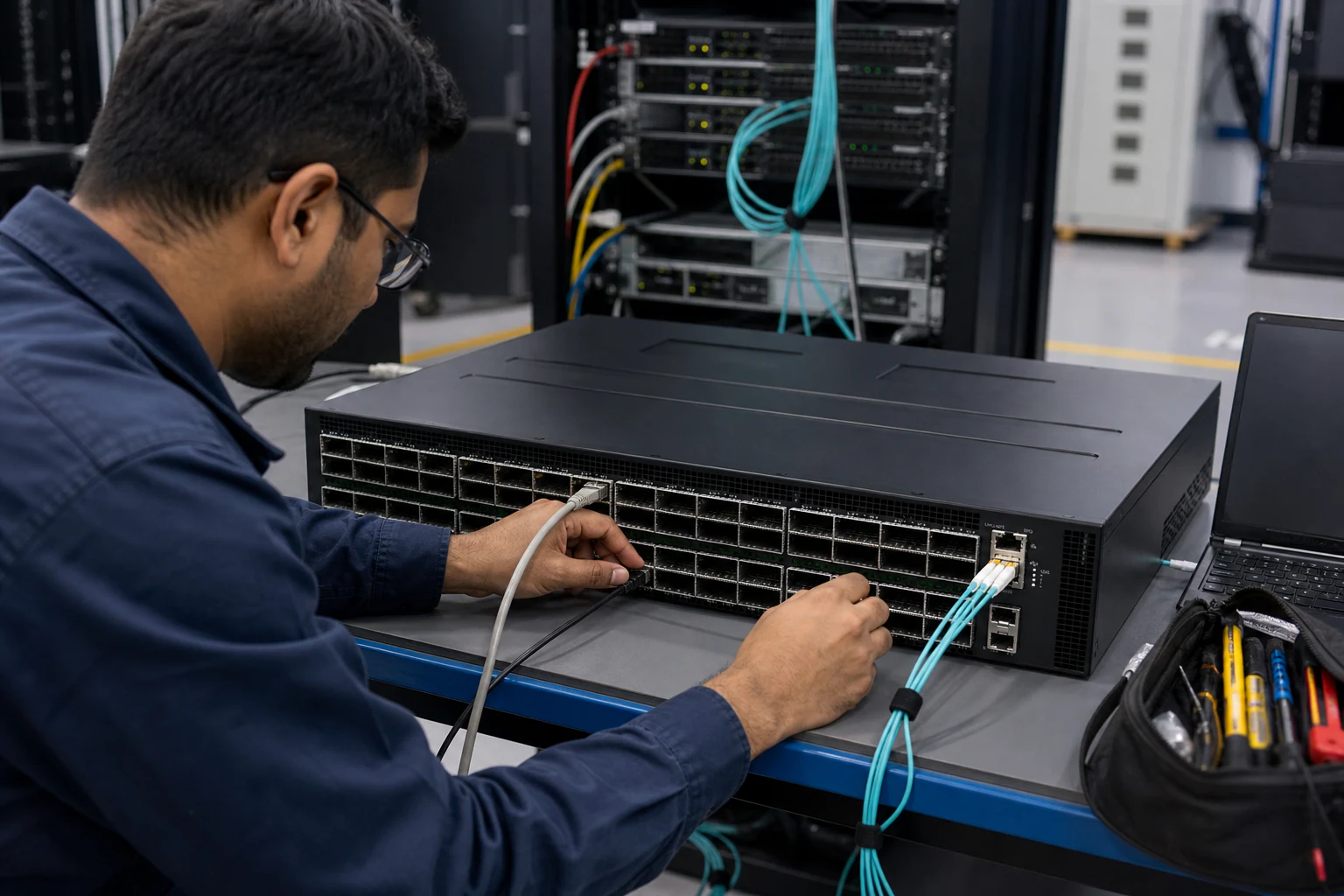 Technical ArticleWhy Enterprise Buyers Are Moving to SONiC on White Box Switches: A Practical Guide for Australian NetworksPractical guide for Australian enterprise buyers evaluating SONiC on white-box switches, covering hardware, ASICs, support, automation, and TCO.Read article
 Technical ArticleSONiC Ecosystem: How Open Networking Runs Across OCP Vendors and Cloud OperatorsA practical guide to the SONiC ecosystem across OCP, SAI, cloud operators, ASIC vendors, and Australian enterprise adoption decisions.Read article
 Technical ArticleOpen SONiC Enterprise Adoption Reaches a Turning Point: What Australian Network Buyers Should KnowWhat Australian buyers should validate as Open SONiC adoption moves into enterprise networks, covering support, features, automation, and risk.Read article