In brief
Practical guide for Australian enterprise buyers evaluating SONiC on white-box switches, covering hardware, ASICs, support, automation, and TCO.
Key takeaways
- For years, Software for Open Networking in the Cloud (SONiC) was treated as a hyperscaler-only play.
- A growing number of enterprise data center operators, campus network architects, and AI infrastructure builders are evaluating SONiC on white box switching hardware.
- If you are an Australian network team looking at open networking for the first time -- or reconsidering your incumbent switch stack -- this guide explains what SONiC is, how it works on white box hardware, and what to evaluate before committing.
The Open Networking Shift Is No Longer Hyperscaler-Only
For years, Software for Open Networking in the Cloud (SONiC) was treated as a hyperscaler-only play. Cloud giants ran it on thousands of switches. Most enterprise teams never looked twice.
That is changing.
A growing number of enterprise data center operators, campus network architects, and AI infrastructure builders are evaluating SONiC on white box switching hardware. The reasons are practical: cost control, freedom from proprietary NOS lock-in, multi-vendor hardware flexibility, and a containerized architecture that makes upgrades and troubleshooting faster.
If you are an Australian network team looking at open networking for the first time — or reconsidering your incumbent switch stack — this guide explains what SONiC is, how it works on white box hardware, and what to evaluate before committing.
What Exactly Is SONiC?
SONiC stands for Software for Open Networking in the Cloud. It is a free, open-source network operating system built on Linux. It runs on switches from multiple hardware vendors and supports multiple ASIC families (SONiC Foundation, 2024; GitHub sonic-net/SONiC).
Key characteristics of SONiC include:
- Open source under Apache License 2.0 — the code is publicly available, auditable, and community-maintained.
- Container-based architecture — each network function (BGP, LLDP, DHCP relay, and others) runs in its own Docker container, providing fault isolation and independent upgrade paths.
- Switch Abstraction Interface (SAI) — SAI decouples the NOS from the underlying ASIC silicon, allowing the same SONiC image to run on switches powered by different chip vendors.
- Production-hardened protocol support — SONiC includes a full suite of networking functionality including BGP, RDMA over Converged Ethernet (RoCE v2), and standard Linux tooling (SONiC Foundation, 2024).
- JSON-based configuration — SONiC uses structured configuration files that support both CLI and programmatic management methods (GitHub sonic-net/SONiC).
This is not a lab experiment. SONiC has been running in production at some of the world’s largest cloud service providers for years. The question for enterprise buyers is not whether SONiC works — it is whether the operational model fits your team.
Why White Box Switches Matter
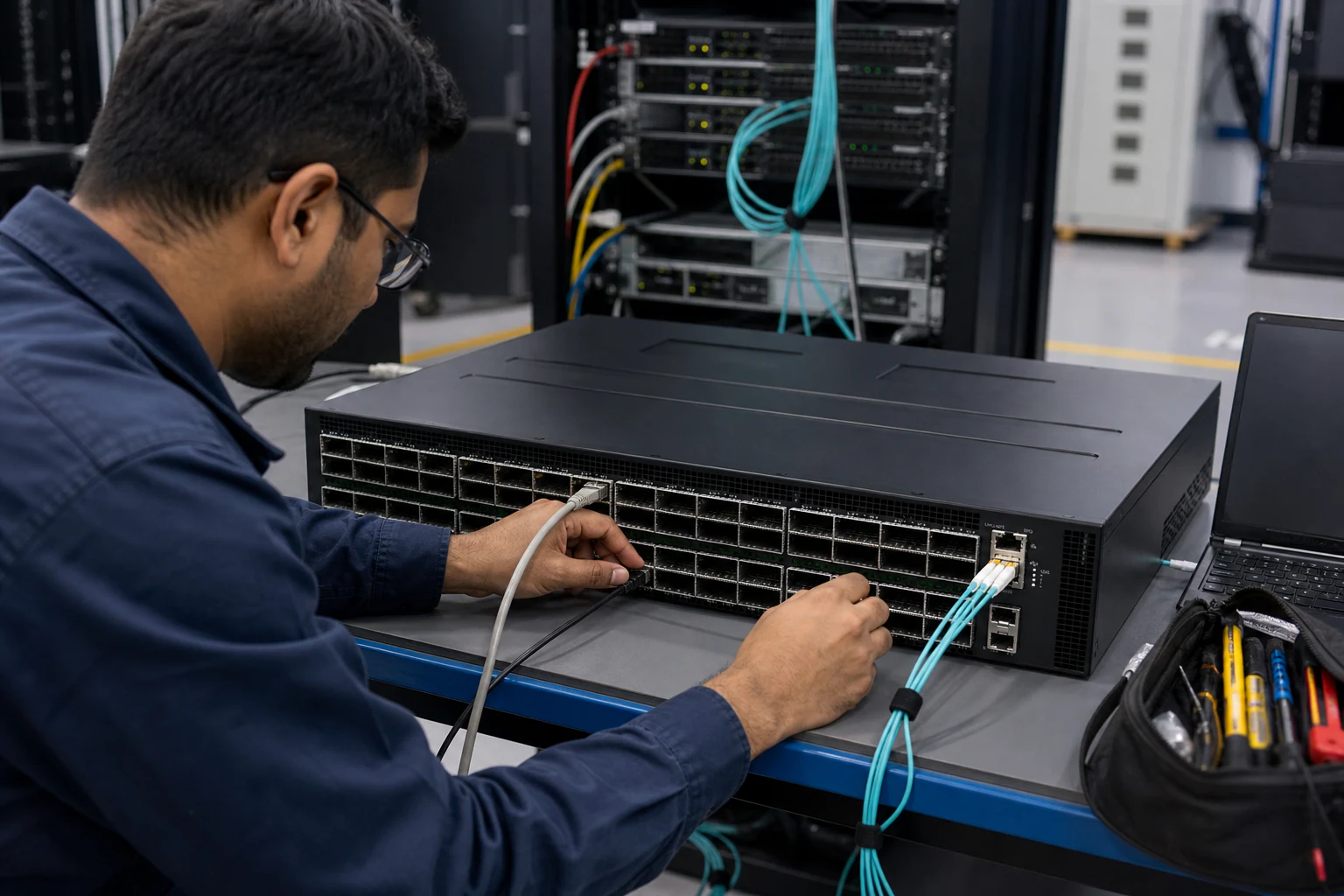
A white box switch (also called a bare metal switch) is networking hardware that ships without a locked-in operating system. The hardware is manufactured by one company. The NOS is your choice.
This model matters because it changes the economics and flexibility of network builds:
- Hardware sourcing flexibility — you can select switches from multiple vendors based on port density, form factor, and ASIC capability rather than being tied to a single vendor’s product line.
- NOS portability — the same SONiC image can run across different white box platforms, reducing the risk of being locked into a proprietary software ecosystem.
- Cost transparency — white box hardware pricing is typically more competitive than branded equivalents, and the open-source NOS eliminates recurring software license fees.
- Upgrade independence — you can update your NOS without waiting for a hardware vendor’s bundled release cycle.
For Australian data center operators managing growing AI workloads or campus network refreshes, the combination of SONiC and white box hardware creates a credible alternative to the traditional one-vendor switching stack.
The Containerized Architecture Advantage
One of SONiC’s most significant technical differentiators is its containerized design. Unlike monolithic switch software where all functions are bundled into a single image, SONiC separates each network service into its own Docker container (GitHub sonic-net/SONiC).
This matters in practice for three reasons:
- Fault isolation — if one service fails, it does not take down the entire switch. A misbehaving LLDP daemon will not kill your BGP sessions.
- Independent upgrades — you can update a single container without rebuilding the entire switch image. This reduces change risk and shortens maintenance windows.
- Easier troubleshooting — each container has its own logs and lifecycle, making it simpler to identify root cause during incidents.
For network teams that have spent years managing monolithic NOS upgrades across large switch fleets, the containerized model is a meaningful operational improvement.
SONiC for AI Fabrics and Data Center Builds
The AI infrastructure boom is accelerating demand for high-performance, low-latency data center fabrics. SONiC on white box switches plays directly into this requirement.
SONiC supports RDMA over Converged Ethernet (RoCE v2), which is essential for GPU cluster backends that need lossless, low-jitter connectivity between compute nodes (SONiC Foundation, 2024). When combined with Data Center Bridging Capability Exchange (DCBX) and Priority Flow Control (PFC), SONiC-based fabrics can deliver the deterministic performance that AI/ML training workloads require.
Major silicon vendors are investing in SONiC compatibility on their switch ASICs. NVIDIA, for example, offers Pure SONiC as a supported NOS option across its Spectrum Ethernet switch portfolio, which includes platforms designed for AI networking at speeds up to 800 Gb/s (NVIDIA, 2024). This means enterprise buyers building GPU backend fabrics are not limited to a single vendor’s switch-and-NOS bundle.
For Australian enterprises investing in private AI infrastructure — whether for LLM inference, RAG pipelines, or multimodal AI services — SONiC on white box switches offers a path to build high-performance fabrics without proprietary NOS dependencies.
SONiC for Campus and Enterprise Edge
While SONiC’s origins are in data center networking, its capabilities are expanding into campus and enterprise aggregation roles. Enterprise SONiC distributions are adding support for campus-relevant features such as PoE management, VLAN segmentation, ACLs, and policy-based routing.
For Australian enterprises planning a campus network refresh, the open networking model introduces new options:
- Access and aggregation switches running SONiC at the campus edge and distribution layers.
- Consistent operational tooling across data center and campus environments if both run SONiC.
- EVPN-VXLAN as a modern alternative to legacy VLAN trunking for campus segmentation, with SONiC providing native support.
What to Evaluate Before Adopting SONiC
Open networking is not a zero-effort path. Before committing, evaluate these factors:
| Evaluation Area | What to Assess | Why It Matters |
|---|---|---|
| Hardware compatibility | Does your target switch platform appear on the SONiC supported devices list? | SONiC images are built for specific hardware and ASIC combinations. Not every white box switch is supported. |
| ASIC support | Which switch silicon does the hardware use? Is SAI available for it? | SAI is the abstraction layer between SONiC and the ASIC. Without mature SAI support, feature availability may be limited. |
| Feature requirements | Does SONiC support the specific protocols and features your network needs? | SONiC’s feature set is broad but not identical to every proprietary NOS. Validate against your requirements. |
| Team skill set | Is your team comfortable with Linux, Docker, and CLI-driven network operations? | SONiC is Linux-native. Teams without Linux experience face a learning curve. |
| Support model | Do you need commercial support, or is community support sufficient? | Enterprise SONiC distributions from hardware or software vendors may offer SLAs. Community support is available but self-service. |
| Automation strategy | Will you use NETCONF/YANG, Ansible, or other tools to manage SONiC? | SONiC supports programmatic configuration, which aligns well with infrastructure-as-code approaches. |
The Vendor Ecosystem Is Growing
The SONiC ecosystem has expanded significantly. The SONiC Foundation operates as a Linux Foundation project with premier members and contributing organizations spanning chip vendors, hardware OEMs, and software companies (SONiC Foundation, 2024). The GitHub repository has accumulated nearly 3,000 commits with over 2,800 stars and 1,300 forks, indicating active community development (GitHub sonic-net/SONiC).
Major networking silicon vendors — including Broadcom, NVIDIA, and Marvell — support SONiC on their switch ASICs through SAI implementations (NVIDIA, 2024; Broadcom, 2024). This multi-vendor silicon support is what makes the white box model viable: you can choose hardware based on price, port density, and form factor without being locked into a single chip vendor’s ecosystem.
For Australian buyers, the practical implication is clear. You have more hardware choices running SONiC today than you did two years ago, and the ecosystem trajectory is upward.
Getting Started
If you are evaluating SONiC on white box switches for an Australian data center or campus deployment, here is a practical starting sequence:
- Define your requirements — list the protocols, port speeds, port counts, and features your network needs.
- Check hardware compatibility — review the SONiC supported devices and platforms list against your requirements.
- Build a lab — acquire one or two white box switches, install SONiC, and test your critical use cases in a non-production environment.
- Validate automation — confirm that your configuration management and monitoring tools work with SONiC.
- Plan the migration — develop a phased rollout plan that includes rollback criteria.
Open networking rewards teams that invest in upfront validation. The payoff is a more flexible, cost-effective, and vendor-independent network.
Final Thoughts
SONiC on white box switches is no longer an experimental approach reserved for hyperscalers. It is a production-grade, community-backed, multi-vendor networking platform that enterprise buyers can evaluate today.
For Australian enterprises navigating data center growth, AI infrastructure builds, or campus refresh cycles, the open networking model offers a credible path away from proprietary lock-in. The key is to evaluate carefully, test thoroughly, and choose hardware and software partners who understand the operational realities of running SONiC in production.
The question is no longer whether SONiC is ready for enterprise. The question is whether your team is ready for SONiC.
White-Box SONiC Procurement Matrix
| Procurement area | Acceptance evidence | Rework trigger |
|---|---|---|
| Hardware platform | Port speeds, ASIC, airflow, power, rack depth, and optics support documented for each SKU | Switch is selected on price before platform fit is proven |
| SONiC image | Community, vendor, or Enterprise SONiC image owner, SAI version, release notes, and rollback path recorded | Buyer cannot name who owns image bugs or security patches |
| Operations | Ansible/NETCONF/gNMI automation, telemetry, backup, and drift detection tested in a 30-day pilot | White-box move recreates manual CLI operations |
| Support and TCO | 36-month and 60-month cost includes hardware, optics, support, spares, lab validation, and training | Savings disappear once integration and support are funded |
Engineering Evidence Floor
For SONiC and open networking articles, the acceptance standard is operational proof, not community momentum. The evidence package should name the switch SKU, ASIC, SAI version, ONIE status, SONiC image, optics matrix, automation interface, support path, and rollback procedure. A practical pilot should run for 30 days, include 3 automated configuration changes, validate 100G/400G links where relevant, and prove that a P1 evidence bundle can be assembled within 2 hours.
| Evidence area | What to validate | Acceptance gate | Rework trigger |
|---|---|---|---|
| Platform | SKU, ASIC, ONIE, SAI, image, and optics | 2 platforms boot, upgrade, and rollback | Hardware support is assumed |
| Automation | Source of truth, API/gNMI/NETCONF, backup, and diff | 3 changes pass state readback | CLI drift becomes normal |
| Operations | Logs, telemetry, failure runbook, and escalation owner | P1 bundle ready within 2 hours | Fault isolation depends on one engineer |
| Lifecycle | Patch cadence, CVE process, spare plan, and support SLA | 12 months plan approved | Security and RMA ownership is unclear |
| Commercial | Hardware, support, optics, training, and migration labour | Risk-adjusted TCO is documented | Savings vanish after rework |
Engineering FAQ
What should be tested before moving campus switching to SONiC or open networking? Test PoE behaviour, NAC integration, VLAN and policy design, STP or MC-LAG interaction, multicast, monitoring, upgrade rollback, and help-desk workflows. Campus readiness is an operations test, not only a forwarding test.
Where do campus refresh projects usually carry hidden risk? The risk often sits in closets: power budget, old cabling, undocumented uplinks, mixed endpoint types, voice devices, cameras, badge systems, and change windows. Those details should be inventoried before selecting switch models.
How should Australian campus teams structure a pilot? Choose one representative site or building, document endpoint classes, run PoE and failover tests, verify monitoring, train operations staff, and define rollback steps before expanding to the broader estate.
Related xSONiC Resources
Sources Reviewed
- Ethernet Network Adapters - ConnectX NICs | NVIDIA
- NVIDIA BlueField Data Processing Unit
- NVIDIA Spectrum-X Ethernet Platform
- OpenConfig gNMI Specification
- OpenConfig
- RFC 7950 - The YANG 1.1 Data Modeling Language
- RFC 6241 - Network Configuration Protocol (NETCONF)
- ACSC Essential Eight
- OAIC Notifiable Data Breaches
- APRA CPS 234 Information Security
- NETSCOUT Network Packet Definition
- Cloudflare Network Packet Definition
- IEEE 802.11be Wireless LAN Standard
- IEEE 802.3bt Power over Ethernet
- SONiC Project Documentation
- Broadcom Ethernet Switching
- Marvell Switching
- NVIDIA Ethernet Switching
- Open Compute Networking
- SONiC GitHub
- SONiC Foundation
Product fit
Products referenced for evaluation
These products are referenced for evaluation context in the article. Confirm workload, port, optics, software, interoperability, and support requirements against the exact deployment before procurement.
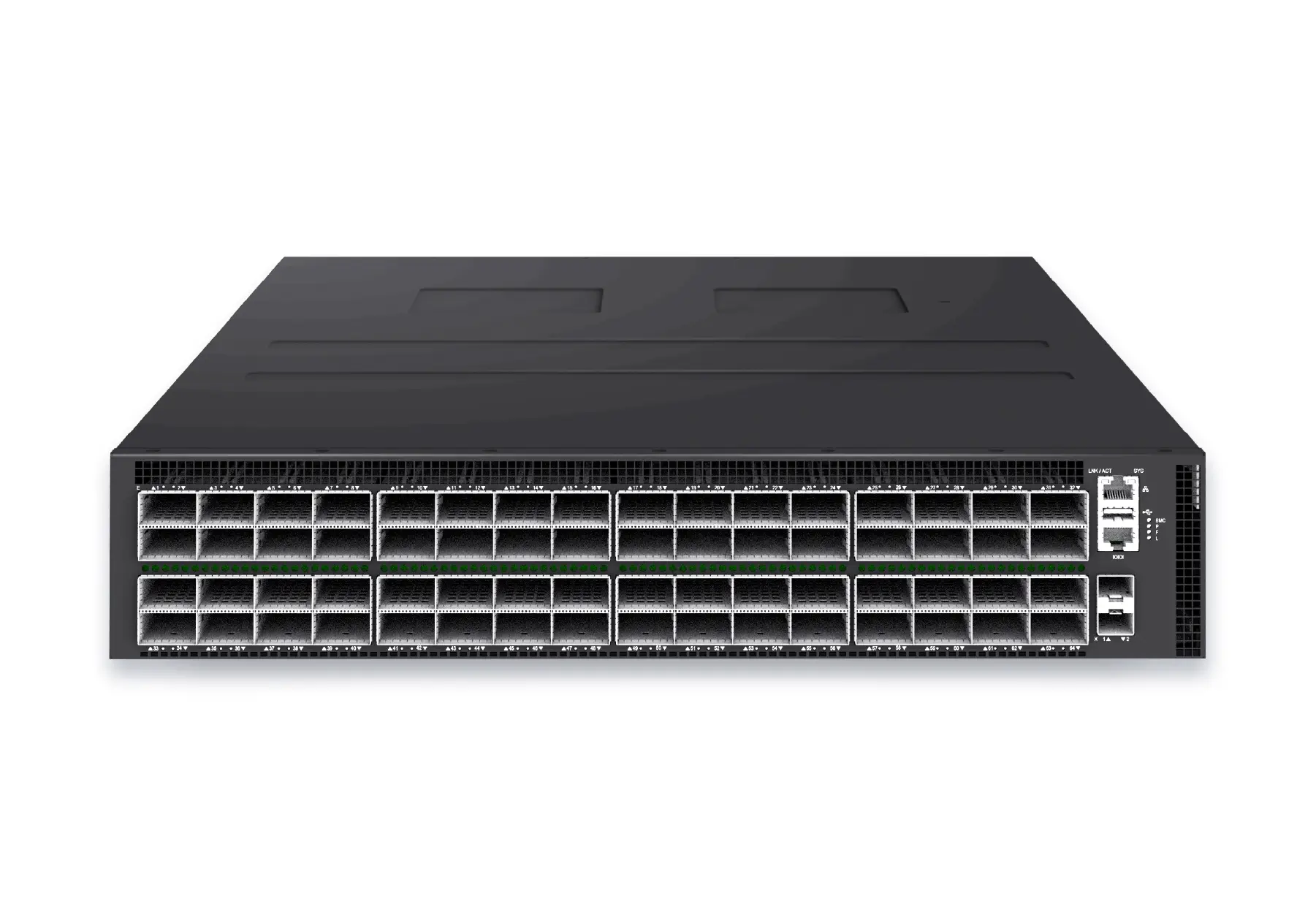 datacenter aiXS-DC-64X800-AI-G164-port 800G AI fabric switch for large-scale GPU clusters, HPC backbones, and ultra-high-throughput data center networks.View product
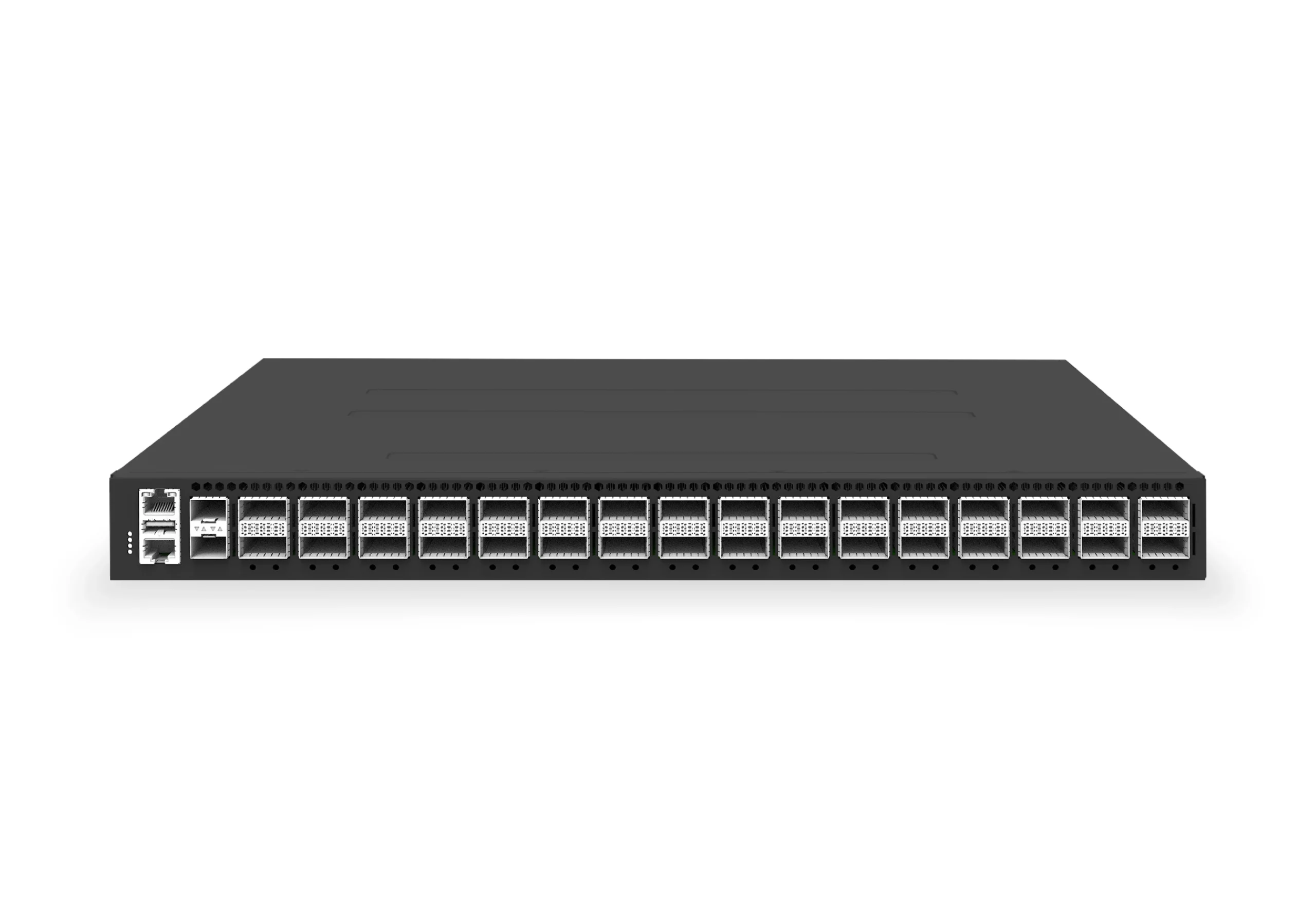 datacenter aiXS-DC-32X400-SP-G232-port 400G spine/core switch for high-capacity data center fabrics and AI-ready backbones.View product
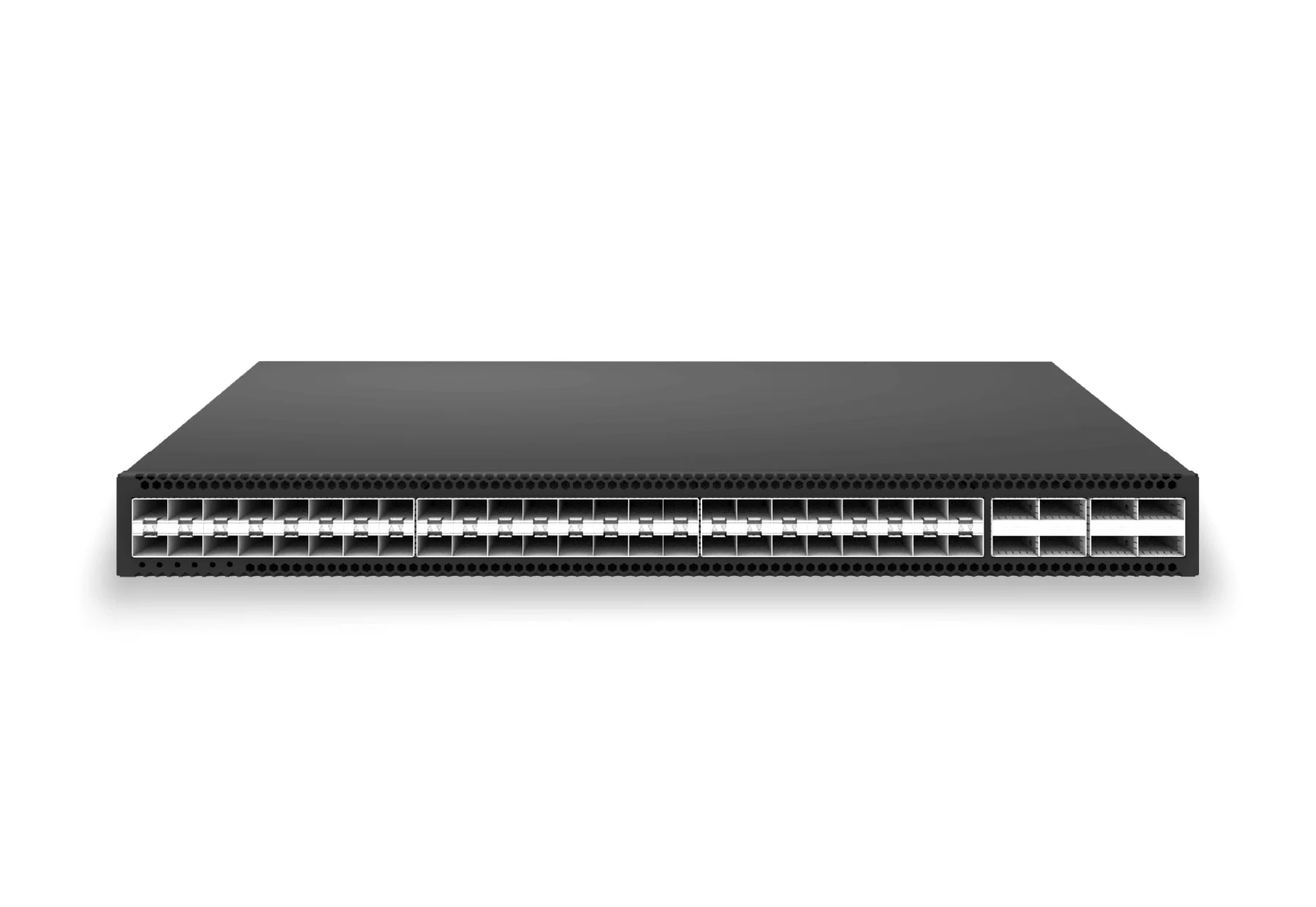 access aggregateXS-AA-48X25-8X100-AGG48x 25G SFP28 aggregation/core switch with 8x 100G QSFP28 for enterprise access and aggregation networks.View product
Continue reading
Related articles
 Technical ArticleWhy SONiC Open Networking on Celestica Data Center Switches Matters for Australian EnterprisesHow SONiC on Celestica data center switches should be evaluated by Australian operators for ASIC fit, support, RoCE, automation, and TCO.Read article
 Technical ArticleSONiC Ecosystem: How Open Networking Runs Across OCP Vendors and Cloud OperatorsA practical guide to the SONiC ecosystem across OCP, SAI, cloud operators, ASIC vendors, and Australian enterprise adoption decisions.Read article
 Technical ArticleOpen SONiC Enterprise Adoption Reaches a Turning Point: What Australian Network Buyers Should KnowWhat Australian buyers should validate as Open SONiC adoption moves into enterprise networks, covering support, features, automation, and risk.Read article