In brief
Explains why private AI inference makes GPU backend networking performance-critical, covering RoCE v2, DCBX, congestion control, telemetry, sovereignty, and validation.
Key takeaways
- The AI infrastructure market is accelerating adoption of private inference deployments - organisations running their own GPU servers for LLM serving, RAG pipelines, and multimodal model services rather than relying solely on public cloud API endpoints.
- These signals indicate that open networking platforms capable of RoCE v2, DCBX, congestion notification, and telemetry are moving from hyperscaler-only adoption into enterprise private AI infrastructure conversations.
- Australian enterprises face a specific intersection of pressures when building private AI inference infrastructure:
What Happened
The AI infrastructure market is accelerating adoption of private inference deployments - organisations running their own GPU servers for LLM serving, RAG pipelines, and multimodal model services rather than relying solely on public cloud API endpoints. This shift creates acute demand for low-latency, lossless GPU backend networking that can handle RoCE v2 RDMA traffic patterns at scale.
Several converging signals point to this trend:
-
The SONiC Foundation, a Linux Foundation project, describes SONiC as ‘an open source network operating system (NOS) based on Linux that runs on switches from multiple vendors and ASICs’ offering ‘a full suite of network functionality, like BGP and RDMA, that has been production-hardened in the data centers of some of the largest cloud service providers’ (sonicfoundation.dev).
-
The SONiC GitHub repository confirms the platform’s container-based modular architecture, multi-vendor hardware support, and production readiness for RDMA workloads (github.com/sonic-net/SONiC).
These signals indicate that open networking platforms capable of RoCE v2, DCBX, congestion notification, and telemetry are moving from hyperscaler-only adoption into enterprise private AI infrastructure conversations.
Why It Matters for Australian Buyers
Australian enterprises face a specific intersection of pressures when building private AI inference infrastructure:
Data sovereignty and latency. Australian Privacy Act obligations and APRA CPS 234 information security requirements push financial services, healthcare, and government organisations toward onshore inference. Running GPU inference locally means the backend network - the fabric connecting GPUs across servers - becomes a performance-critical dependency, not just a plumbing afterthought.
Cost sensitivity at the access layer. Unlike hyperscalers who can negotiate custom ASIC pricing, Australian mid-market and enterprise buyers need cost-effective switching that does not lock them into a single vendor’s NOS licensing model. Open SONiC-based platforms offer multi-vendor hardware flexibility that can reduce total switching cost per port.
Skills shortage in specialised networking. AI fabric networking requires knowledge of RDMA, congestion management (PFC, ECN), DCBX configuration, and telemetry. Proprietary NOS platforms require vendor-specific training. SONiC’s Linux-based architecture and standard tooling can lower the barrier for network teams already comfortable with Linux operations.
Supply chain diversification. Australian data centre operators increasingly seek alternatives to single-vendor switching stacks to reduce procurement risk. SONiC’s multi-vendor hardware compatibility, confirmed by the SONiC Foundation’s documentation of support across ‘switches from multiple vendors and ASICs’, directly addresses this concern.
For xSONiC, this creates a timely buyer education opportunity: Australian enterprises evaluating GPU backend fabrics for private inference need practical guidance on open networking options, not just vendor datasheets.
The xSONiC Buyer Angle
The private AI inference networking decision breaks into three fabric layers that map directly to xSONiC product categories:
1. GPU Backend Fabric (Data Center AI Switches). The spine-leaf fabric connecting GPU servers requires 100G/400G/800G port density with RoCE v2 support, DCBX auto-negotiation, fast congestion notification, and INT telemetry for traffic visibility. SONiC-based switches with production-hardened RDMA capabilities offer an open alternative to proprietary AI fabric solutions. xSONiC data center AI switches, built on Enterprise SONiC, target exactly this workload.
Suggested internal link: /solutions/data-center/gpu-backend-fabric/
2. AI Inference Server Platforms (AI Infrastructure Systems). Private LLM inference, RAG, and multimodal AI services require GPU-dense server platforms with high-bandwidth NIC connectivity to the backend fabric. The networking side of the server - NIC selection, RDMA configuration, and fabric integration - determines whether inference latency meets SLA targets. xSONiC AI infrastructure systems provide the compute platform that connects to the data center AI switch fabric.
Suggested internal link: /products/ai-infrastructure/
3. Optical Connectivity (Optical Transceivers). At 400G and 800G speeds, the optical transceiver layer becomes a critical variable in GPU backend fabric performance and reliability. QSFP-DD and OSFP transceiver selection affects link reach, power budget, and interoperability. xSONiC optical transceivers provide the physical layer connectivity for data center AI fabrics.
Suggested internal link: /products/optical-transceiver/
The editorial opportunity is to position xSONiC as the open networking stack for Australian private AI inference: data center AI switches running Enterprise SONiC, connected to AI infrastructure server platforms, with verified optical transceiver options. This is a solution cluster narrative, not a single-product pitch.
Open Networking vs Proprietary AI Fabric: What the Sources Show
The evidence from publicly available sources presents a clear picture of open networking viability for AI workloads:
| Factor | Open SONiC-Based Fabric | Proprietary Vendor Stack |
|---|---|---|
| NOS portability | Runs on switches from multiple vendors and ASICs (sonicfoundation.dev) | Tied to vendor-specific hardware and licensing |
| RDMA support | Production-hardened BGP and RDMA in major cloud data centres (sonicfoundation.dev) | Vendor-validated but often requires specific NOS version |
| AI workload focus | Pure SONiC supported on NVIDIA Spectrum switches for AI (nvidia.com) | Vendor-optimised but limits hardware choice |
| Architecture | Container-based, modular, Linux-native (github.com/sonic-net/SONiC) | Monolithic or semi-modular |
| Community | Linux Foundation project with growing ecosystem (sonicfoundation.dev) | Vendor-driven roadmap |
NVIDIA’s own portfolio page lists ‘Pure SONiC’ alongside Cumulus Linux as a supported NOS for Spectrum Ethernet switches, stating that switches ‘enable operational efficiency with a wide variety of network operating system choices, including NVIDIA Cumulus Linux and Pure SONiC’ (nvidia.com/en-us/networking/ethernet-switching). This confirms that the largest AI networking silicon vendor recognises SONiC as a production-grade option for AI fabric deployments.
For Australian buyers, the practical question is not whether SONiC can support AI workloads - the hyperscaler track record and vendor endorsements confirm it can - but whether specific switch platforms and transceiver combinations deliver the RDMA performance, telemetry visibility, and operational tooling needed for private inference at enterprise scale. This is where xSONiC product differentiation and solution validation become the editorial focus.
What Australian AI Infrastructure Buyers Should Evaluate
Based on the source evidence and xSONiC solution pillars, Australian enterprises evaluating GPU backend networking for private inference should assess:
RoCE v2 and Lossless Fabric Configuration. Does the switching platform support Priority Flow Control (PFC), Explicit Congestion Notification (ECN), and DCBX for automatic RDMA parameter negotiation? These are prerequisites for lossless GPU backend transport. xSONiC solution pillars for RoCE v2 and DCBX provide implementation guidance.
Suggested internal links: /solutions/data-center/roce-v2-guide/, /solutions/data-center/dcbx-technology/
Congestion Response Speed. How quickly does the fabric detect and signal congestion to GPU endpoints? Fast Congestion Notification (Fast CNP) mechanisms reduce tail latency in RDMA transfers - a critical factor for inference serving SLAs.
Suggested internal link: /solutions/data-center/fast-cnp/
Telemetry and Visibility. In-band Network Telemetry (INT) and path-level telemetry (IPTPath) provide real-time visibility into GPU backend traffic patterns without relying on external polling. This matters for capacity planning and troubleshooting inference latency spikes.
Suggested internal links: /solutions/data-center/int-technology/, /solutions/data-center/iptpath-telemetry/
NOS Flexibility and Vendor Lock-in. Can the switch platform run multiple NOS options, including community SONiC and enterprise SONiC distributions? Multi-vendor hardware support reduces procurement risk and enables competitive switching at refresh cycles.
Optical Transceiver Interoperability. At 400G and 800G, transceiver choice affects link budget, power consumption, and multi-vendor compatibility. Verified transceiver-to-switch compatibility matrices should be part of any AI fabric evaluation.
Management and Automation. NETCONF/YANG-based programmability enables infrastructure-as-code approaches to fabric provisioning, aligning with DevOps practices common in AI infrastructure teams.
Suggested internal link: /solutions/data-center/netconf-guide/
Editorial Position and Next Steps
The source evidence supports this position. SONiC is production-hardened for RDMA workloads in the world’s largest data centres. NVIDIA supports SONiC on its Spectrum Ethernet switches, including AI-optimised platforms. The SONiC community and Linux Foundation governance provide long-term ecosystem sustainability.
Recommended editorial actions:
- Publish this analysis as a blog candidate targeting Australian AI infrastructure decision-makers evaluating GPU backend fabrics.
- Build a topic cluster around ‘Private AI Inference Networking’ connecting this analysis to xSONiC solution pillar pages for AI Fabric, GPU Backend Fabric, RoCE v2, DCBX, Fast CNP, and INT Telemetry.
- Verify Australian market details including local channel partners, import and compliance requirements, and any existing Australian customer deployments that could be referenced.
Engineering FAQ
What should be proven before adopting EVPN-VXLAN on SONiC? Prove underlay routing, BGP sessions, VTEP behaviour, MAC/IP learning, route scale, multi-homing design, failure convergence, and observability. The overlay should be accepted as a system, not a feature checkbox.
Why does the underlay design still matter in an overlay network? EVPN-VXLAN depends on a stable routed underlay. MTU, ECMP, addressing, route policy, link failure behaviour, and telemetry determine whether the overlay remains predictable under load and during faults.
What should be included in an EVPN-VXLAN operations runbook? Include naming, IP plan, BGP policy, VNI mapping, change process, rollback commands, failure checks, telemetry fields, backup and restore steps, and escalation ownership for the selected SONiC image.
Related xSONiC Resources
Sources Reviewed
- Ethernet Network Adapters - ConnectX NICs | NVIDIA
- NVIDIA BlueField Data Processing Unit
- NVIDIA Spectrum-X Ethernet Platform
- OpenConfig gNMI Specification
- OpenConfig
- RFC 7950 - The YANG 1.1 Data Modeling Language
- RFC 6241 - Network Configuration Protocol (NETCONF)
- ACSC Essential Eight
- OAIC Notifiable Data Breaches
- APRA CPS 234 Information Security
- NETSCOUT Network Packet Definition
- Cloudflare Network Packet Definition
- SONiC Project Documentation
- Broadcom Ethernet Switching
- Marvell Switching
- NVIDIA Ethernet Switching
- Open Compute Networking
- SONiC GitHub
- SONiC Foundation
Product fit
Products referenced for evaluation
These products are referenced for evaluation context in the article. Confirm workload, port, optics, software, interoperability, and support requirements against the exact deployment before procurement.
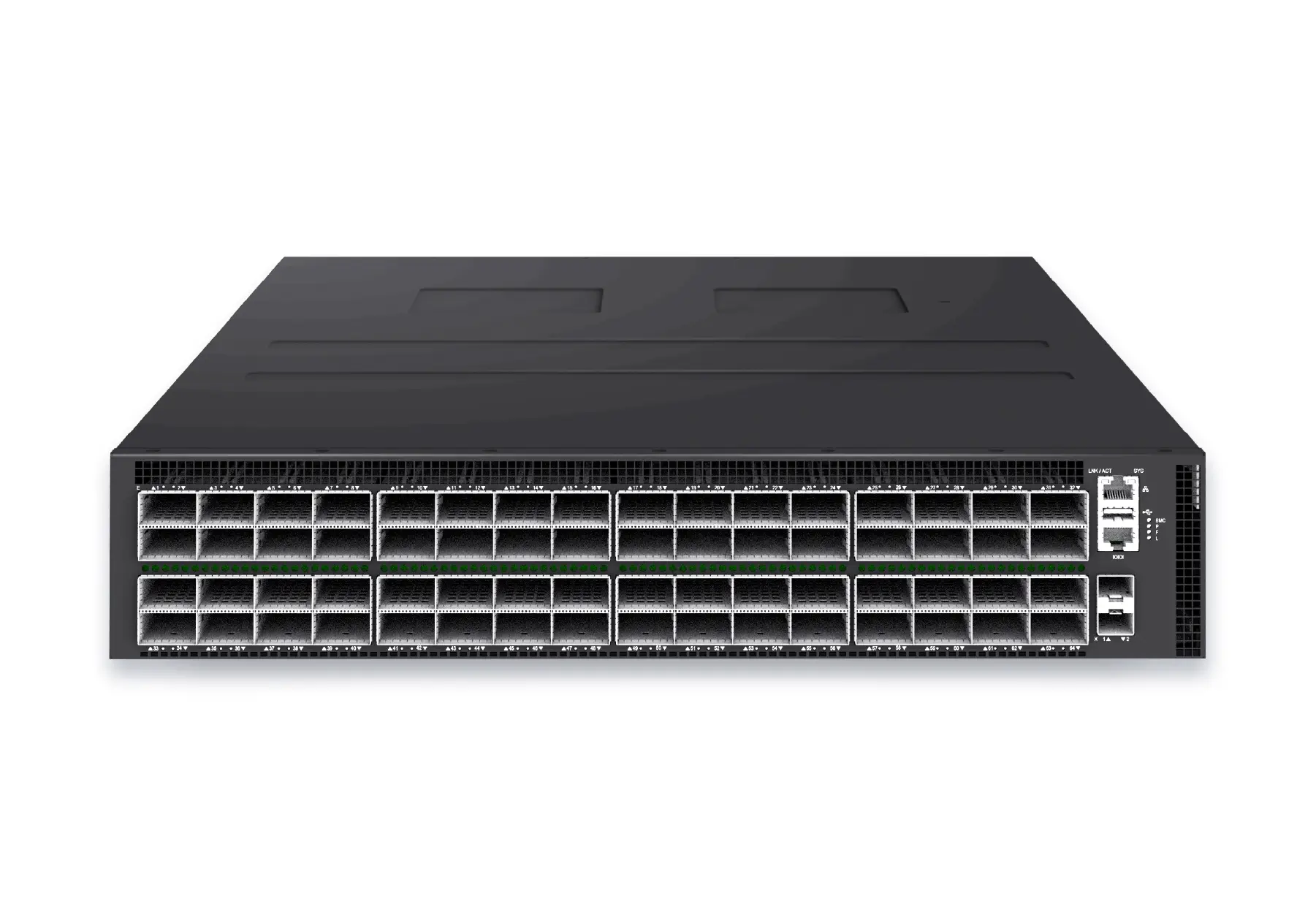 datacenter aiXS-DC-64X800-AI-G164-port 800G AI fabric switch for large-scale GPU clusters, HPC backbones, and ultra-high-throughput data center networks.View product
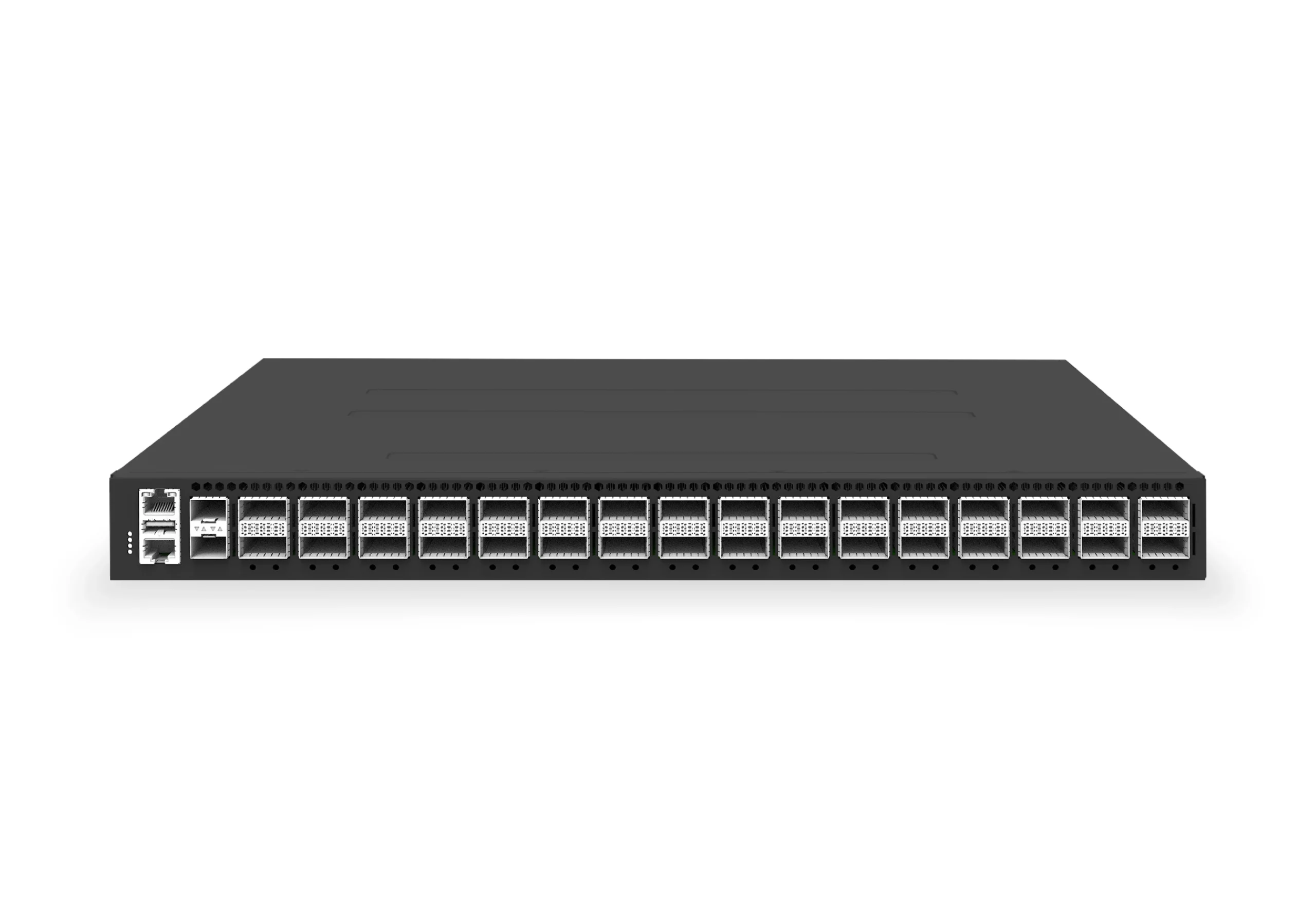 datacenter aiXS-DC-32X400-SP-G232-port 400G spine/core switch for high-capacity data center fabrics and AI-ready backbones.View product
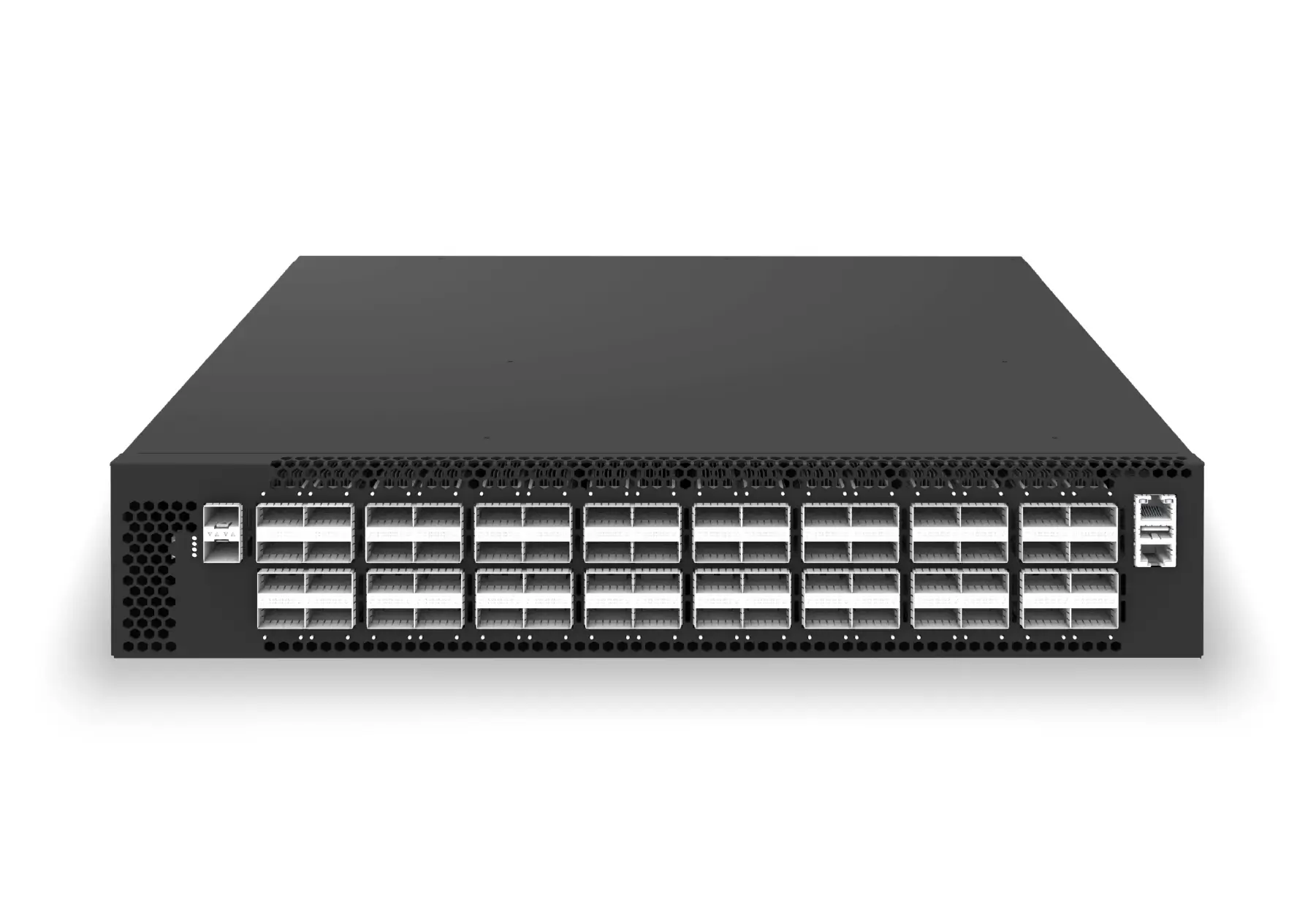 datacenter aiXS-DC-64X200-LS-G164-port 200G leaf/spine switch for high-bandwidth storage, compute, and scale-out data center fabrics.View product
Continue reading
Related articles
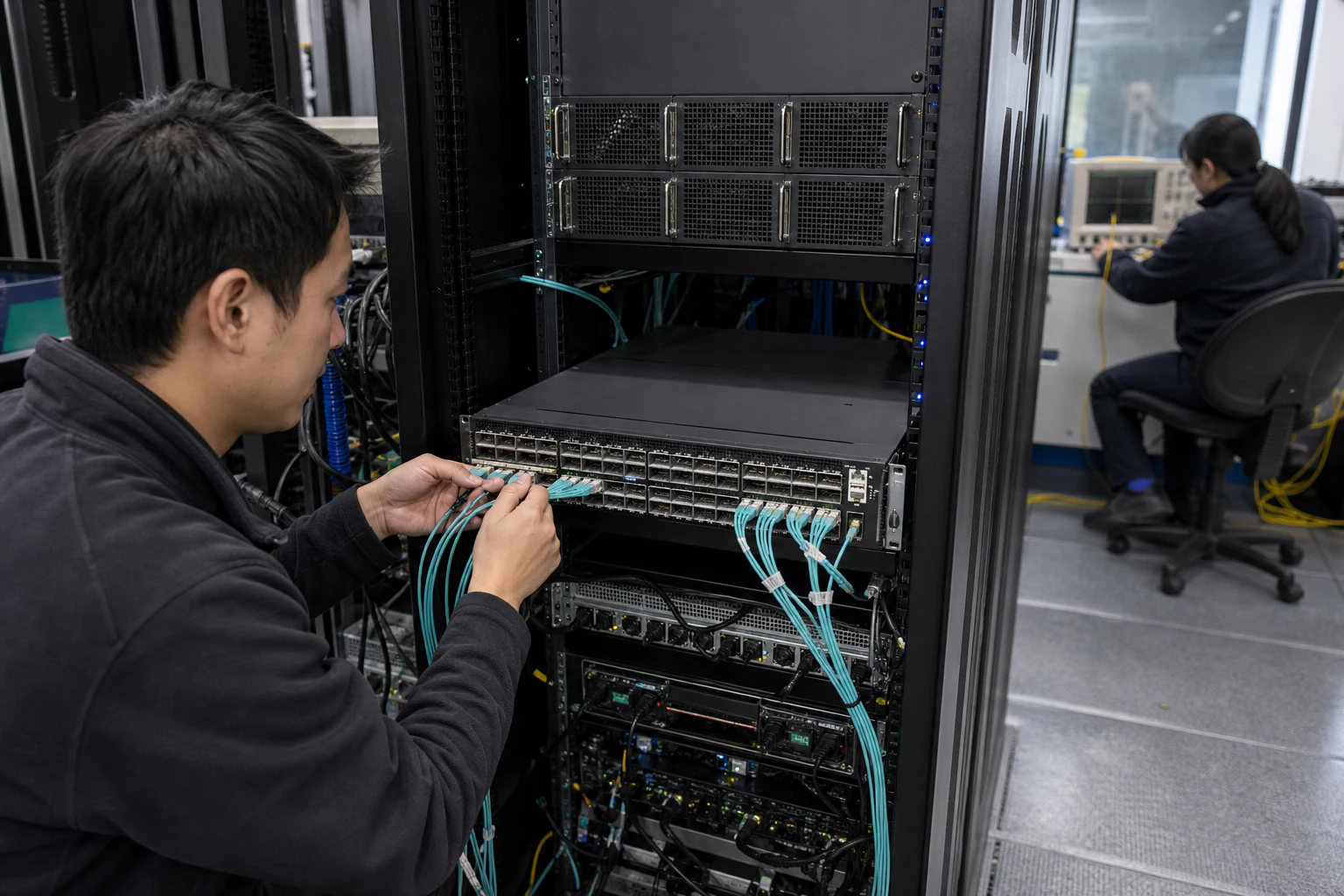 Technical ArticleDCBX, PFC, ECN, and Fast CNP: Building Lossless Ethernet for AI Training FabricsEngineering guidance on DCBX, PFC, ECN, and Fast CNP for Australian AI fabric teams building lossless Ethernet for RoCE v2 training clusters.Read article
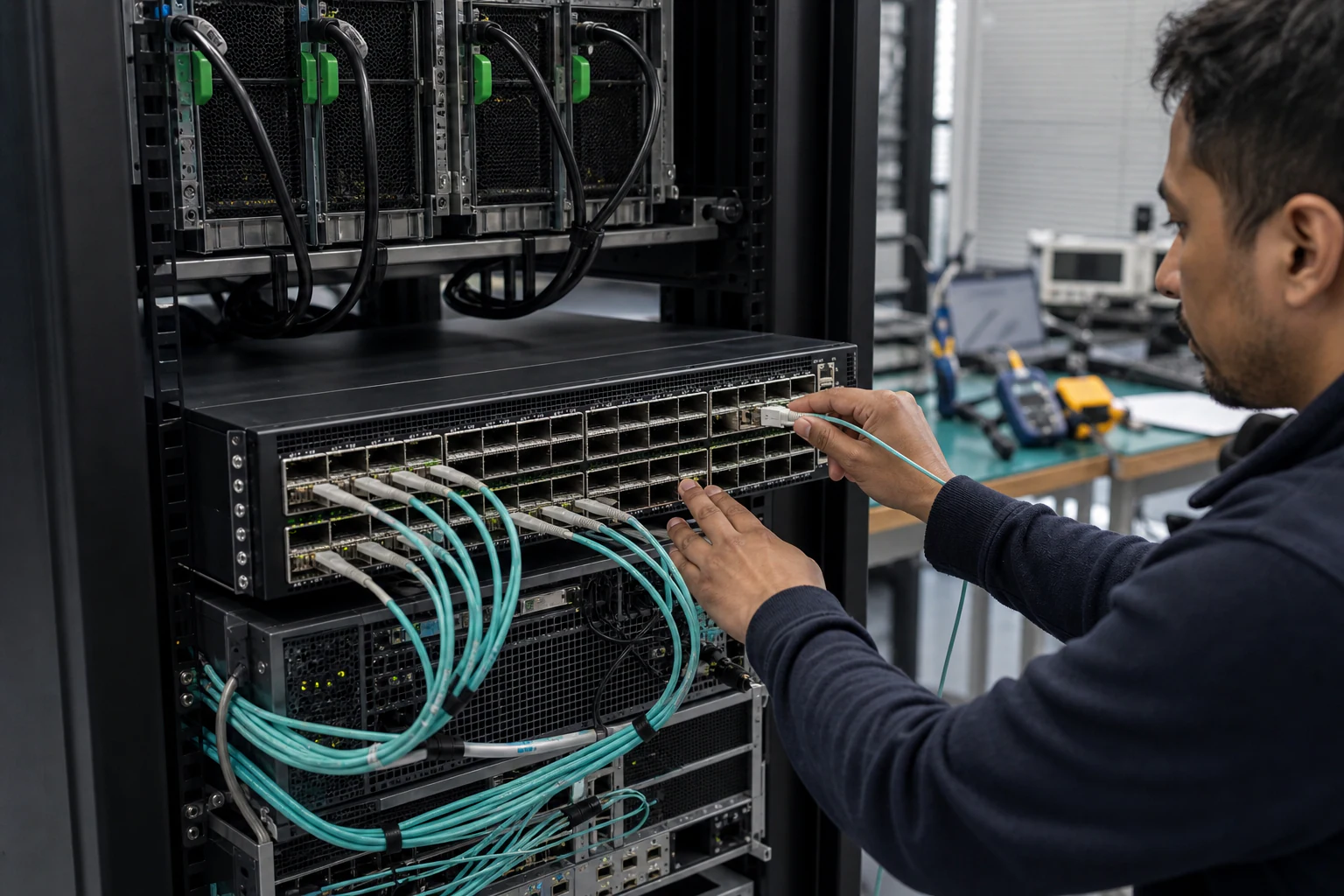 Technical ArticleWhat AI Data Center Ethernet Demands Mean for SONiC Network Operators in AustraliaEngineering guide for Australian SONiC operators running AI Ethernet fabrics, covering RoCE, 400G/800G links, telemetry, failures, optics, and support.Read article
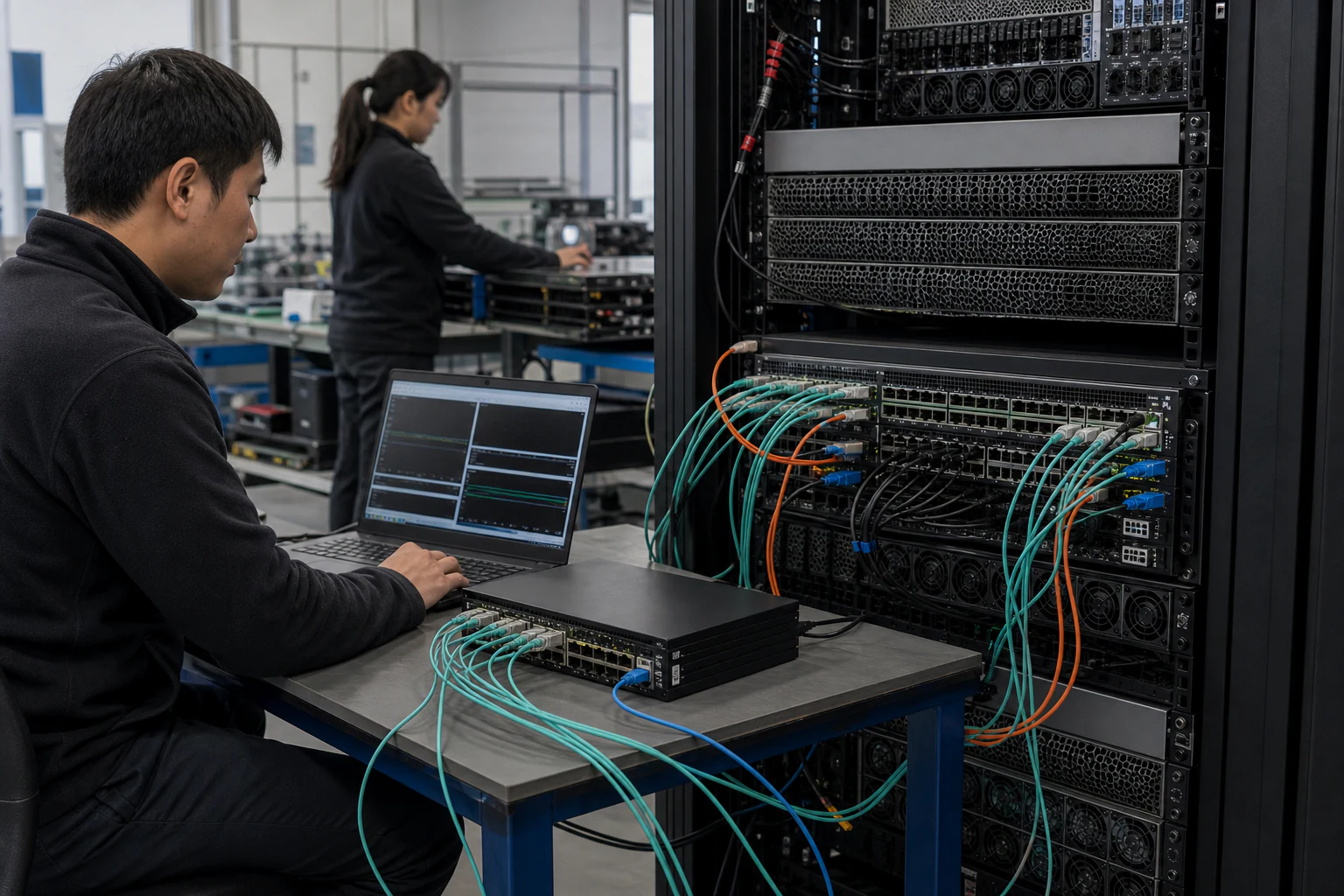 Technical ArticleWhat AI Fabric Ethernet Switching Actually Requires -- and Where SONiC Fits in the StackA practical engineering guide to AI fabric Ethernet switching requirements, explaining where SONiC fits across RoCE v2, PFC, ECN, DCBX, telemetry, and 400G/800G operations.Read article