In brief
Engineering guidance on Australian Enterprises Are Re-Evaluating Cisco, Arista, and Juniper for Australian campus teams, covering PoE budgets, access-layer resilience.
Key takeaways
- Australia's enterprise networking market is heavily concentrated around three vendors: Cisco, Arista Networks, and Juniper Networks (now part of HPE).
- Cisco's own Australian product portal reinforces this concentration. The company promotes Silicon One, Nexus One, Catalyst Center, Meraki, and Cisco DNA Software as an integrated lifecycle stack.
- Arista and Juniper follow similar playbooks. Arista's CloudVision and EOS create a tightly coupled software-defined stack.
The Australian Networking Market: Deep Vendor Dependency
Australia’s enterprise networking market is heavily concentrated around three vendors: Cisco, Arista Networks, and Juniper Networks (now part of HPE). Cisco alone lists over 540 related job positions on LinkedIn across the country, with the strongest presence in Sydney, Melbourne, and Canberra — the three hubs where federal government, financial services, and large enterprise data centre investments are concentrated.
Cisco’s own Australian product portal reinforces this concentration. The company promotes Silicon One, Nexus One, Catalyst Center, Meraki, and Cisco DNA Software as an integrated lifecycle stack. The messaging is explicit: ‘hardware and software that work best together.’ For buyers, that means every refresh cycle deepens the dependency on a single vendor’s silicon roadmap, licensing model, and management platform.
Arista and Juniper follow similar playbooks. Arista’s CloudVision and EOS create a tightly coupled software-defined stack. Juniper’s Mist AI and Apstra push AI-driven operations but within Juniper’s own ecosystem. In every case, the buyer’s flexibility narrows as the deployment matures.
What Cisco’s Own Messaging Reveals About Lock-In
Proprietary silicon as a moat. Cisco positions Silicon One and the G300 chip as competitive advantages, with Nexus One offering ‘102.4T networking.’ But proprietary silicon also means the buyer cannot source compatible switching hardware from alternative vendors. When Cisco decides to end-of-life a platform, the buyer has no second source.
Smart Licensing and subscription dependency. Cisco explicitly promotes ‘Smart Licensing’ to ‘easily activate ports when and where you need them.’ This is a consumption-based model that shifts capital expenditure to ongoing operational cost. For Australian enterprises managing multi-year budgets — particularly in government and education — subscription-locked port activation creates long-term cost unpredictability.
Unified management as a walled garden. Cisco Catalyst Center, Meraki, Nexus Dashboard, and SD-WAN Manager are presented as separate but Cisco-only management planes. Each requires its own licensing, training, and operational processes. A campus buyer using Catalyst switches, Meraki wireless, and Nexus data centre gear ends up running three distinct management stacks from a single vendor.
‘AgenticOps’ and AI branding. Cisco’s recent ‘AI Networking for the agentic era’ messaging wraps existing telemetry and automation features in AI terminology. Whether this delivers measurable operational improvement over programmable, NETCONF/YANG-based alternatives remains an open question for buyers to evaluate.
The Open Networking Alternative: What Has Changed
Open networking — the practice of running disaggregated network operating systems on bare-metal switching hardware — has matured significantly. The key shift is that SONiC (Software for Open Networking in the Cloud), originally developed by Microsoft for Azure, is now production-proven at hyperscaler scale and increasingly available for enterprise deployment.
For Australian buyers, the practical implications are:
Hardware disaggregation. Bare-metal switches from multiple ODM and OEM suppliers can run the same SONiC-based NOS. This means the buyer can source 100G/400G/800G switching hardware without being locked to Cisco’s, Arista’s, or Juniper’s specific silicon and optics requirements. xSONiC’s data centre AI switches and bare-metal platforms are designed for exactly this model.
Multi-vendor optics. Cisco’s own optics page promotes ‘optical transceivers for your network connections,’ but Cisco-qualified optics carry a significant price premium. Open networking buyers can deploy third-party compatible SFP, SFP+, SFP28, QSFP28, QSFP-DD, and OSFP transceivers at substantially lower cost — often 50-80% less than OEM-branded optics. xSONiC’s optical transceiver portfolio targets this exact procurement gap.
Programmable management. NETCONF/YANG-based management, supported by SONiC and open controller platforms, gives buyers a vendor-neutral automation framework. Instead of learning Cisco’s DNA Center APIs or Arista’s CloudVision workflows, the operations team works with standardized, well-documented interfaces that transfer across hardware generations.
AI fabric readiness. For data centre buyers deploying GPU clusters for AI/ML training and inference, the requirements are low-latency leaf-spine fabrics, RoCE v2 support, DCBX configuration, congestion notification (Fast CNP), and in-band telemetry (INT). These capabilities are available in SONiC-based deployments without requiring Cisco’s Nexus or Arista’s 7060-series as the mandatory platform.
The Australian Buyer Checklist: Cisco/Arista/Juniper vs Open Networking
The following decision framework helps Australian enterprise and data centre buyers evaluate whether open networking is worth investigating for their next refresh cycle:
| Decision Factor | Cisco/Arista/Juniper Model | Open Networking (xSONiC) Model |
|---|---|---|
| Hardware sourcing | Single-vendor, proprietary silicon | Multi-vendor bare-metal, merchant silicon |
| NOS flexibility | Vendor-locked (IOS-XE, EOS, Junos) | SONiC-based, community-driven |
| Optics cost | OEM-qualified at premium pricing | Multi-source compatible, lower cost |
| Management platform | Vendor-specific (Catalyst Center, CloudVision, Mist) | NETCONF/YANG, open controller (e.g., AIDC Controller) |
| AI fabric capability | Available but vendor-bound | SONiC-native RoCE, DCBX, INT telemetry |
| Campus refresh | Proprietary PoE, VLAN, stacking | SONiC campus, MC-LAG/STP, virtual chassis, PBR |
| Licensing model | Subscription-locked, per-port/per-feature | NOS included with hardware, no port licensing |
| Supply chain risk | Single-vendor dependency | Multi-source hardware and optics |
| Skills portability | Vendor-specific certifications | Open standards, transferable skills |
| Total cost of ownership | Lower upfront complexity, higher long-term licensing | Higher evaluation effort, lower long-term cost |
This table is a starting framework, not a verdict. The right choice depends on the buyer’s existing skills, operational maturity, and willingness to invest in evaluation. But for organisations that are already paying Cisco Smart Licensing fees, running three separate Cisco management planes, and locked into OEM optics pricing, the open networking alternative deserves serious due diligence.
Government and Enterprise Signals in Australia
The concentration of Cisco-related roles in Canberra (18 listed positions) and across federal government IT contractors reflects the deep embedding of Cisco infrastructure in Australian government networks. Federal procurement frameworks, existing Cisco certifications held by government network engineers, and risk-averse procurement policies all reinforce vendor concentration.
However, several factors are shifting the calculus:
Budget pressure. Australian federal and state government IT budgets face increasing pressure. Open networking’s lower licensing and optics costs are attractive to procurement teams managing constrained budgets across multi-year infrastructure programs.
Supply chain sovereignty. The Australian government’s growing focus on supply chain resilience and technology sovereignty creates an opening for multi-vendor infrastructure strategies. Open networking inherently reduces single-vendor supply chain dependency.
AI infrastructure demand. As Australian enterprises and research institutions invest in private AI infrastructure — GPU clusters, inference platforms, and training environments — the networking requirements (low latency, high bandwidth, RoCE v2) align well with SONiC-based data centre fabric designs.
Skills availability. The 546 Cisco-related job listings on LinkedIn indicate strong demand for Cisco-specific skills. Open networking skills based on SONiC, NETCONF, and Linux-based network operations are growing but still represent a smaller talent pool. This is both a challenge (short-term skills gap) and an opportunity (broader, transferable skills base over time).
Where xSONiC Fits: A Practical Alternative, Not a Silver Bullet
Data centre AI switches. SONiC-based leaf-spine switching for 100G/400G/800G AI fabric deployments, with native RoCE v2, DCBX, and INT telemetry support. [See: /products/datacenter-ai/ and /solutions/data-center/ai-fabric/]
Campus access and aggregation. Enterprise SONiC campus switches with PoE, MC-LAG/STP, policy-based routing, and virtual chassis capabilities. [See: /products/access-aggregate/ and /solutions/enterprise-campus/campus-refresh/]
Bare-metal switches. Open hardware platforms for teams that want to run their own NOS or evaluate SONiC without committing to a closed appliance model. [See: /products/datacenter-ai/]
Optical transceivers. Multi-source compatible SFP, SFP+, SFP28, QSFP28, QSFP-DD, and OSFP optics at competitive pricing for data centre and campus links. [See: /products/optical-transceiver/]
Packet brokers. Network visibility and traffic delivery platforms for security tool integration, traffic aggregation, and monitoring. [See: /products/packet-broker/]
Enterprise access points. Wi-Fi 6, Wi-Fi 6E, and Wi-Fi 7 wireless access points aligned with OpenWiFi standards for campus and branch deployments. [See: /products/access-point/]
AIDC Controller. xSONiC’s network management and orchestration platform based on NETCONF/YANG, providing a programmable alternative to vendor-specific management stacks. [See: /solutions/data-center/xsonic-aidc-controller/]
The value proposition is not ‘cheaper Cisco.’ It is ‘open, programmable infrastructure that separates your hardware decisions from your software and operations decisions.’ That distinction matters for any Australian organisation planning a 3-5 year infrastructure strategy.
What to Do Next: A Practical Evaluation Path
For Australian enterprise and data centre buyers considering open networking as an alternative to Cisco, Arista, or Juniper, the practical next steps are:
-
Audit your current vendor spend. Map your annual Cisco Smart Licensing fees, OEM optics spend, and management platform costs. Compare against open networking alternatives.
-
Identify a low-risk pilot. Start with a non-production environment — a lab, a test fabric, or a branch office — where you can evaluate SONiC-based switching without production risk.
-
Request a proof of concept. Contact xSONiC or an authorized partner to discuss a structured evaluation for your specific use case — data centre AI fabric, campus refresh, or mixed environment. [See: /contact/]
-
Compare total cost of ownership. Build a 5-year TCO model that includes hardware, optics, licensing, management, training, and refresh cycle costs for both the incumbent and open networking paths.
The goal is not to rip and replace existing infrastructure. It is to ensure that your next refresh cycle is based on a genuine evaluation of alternatives, not vendor inertia.
Engineering FAQ
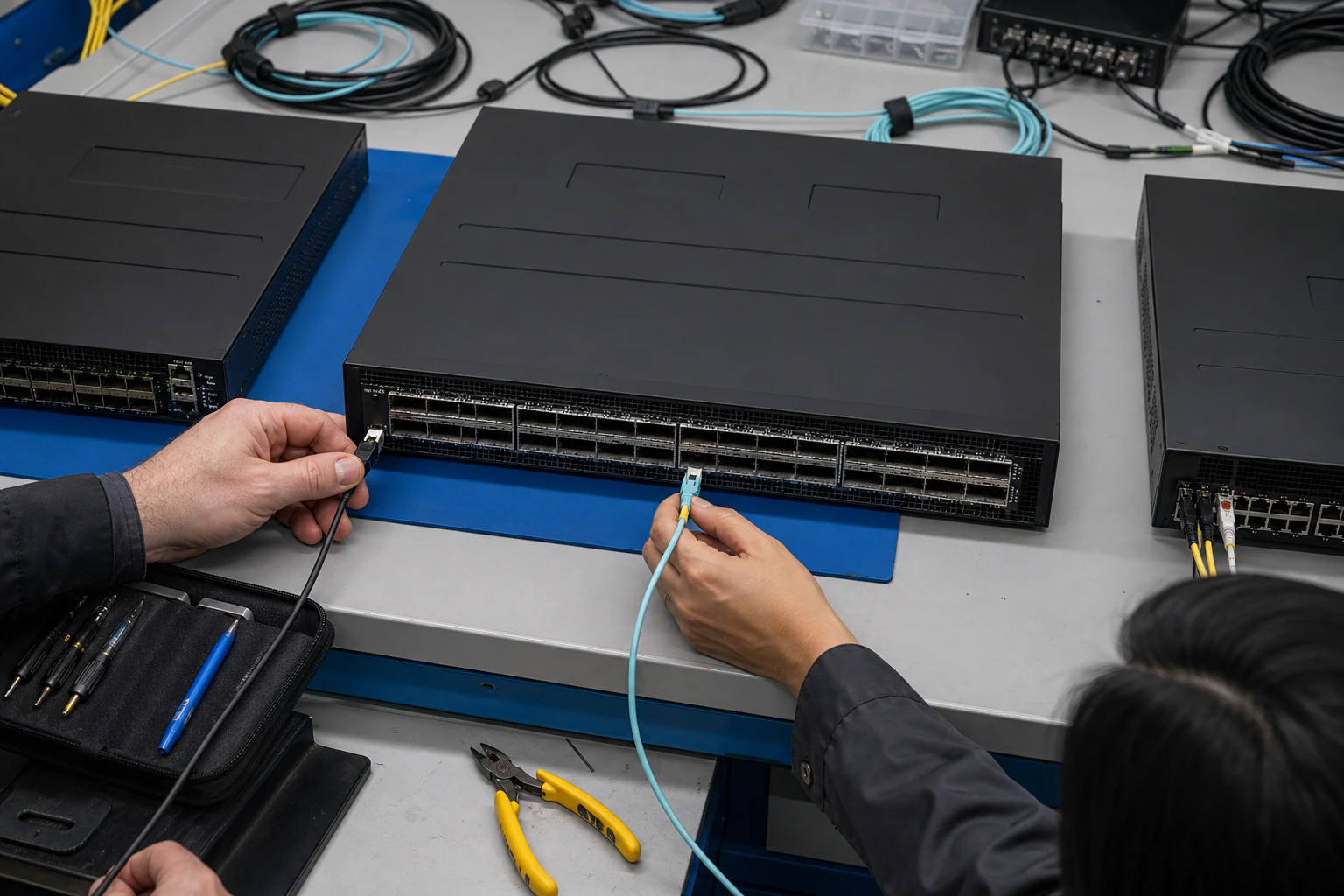
What should be tested before moving campus switching to SONiC or open networking? Test PoE behaviour, NAC integration, VLAN and policy design, STP or MC-LAG interaction, multicast, monitoring, upgrade rollback, and help-desk workflows. Campus readiness is an operations test, not only a forwarding test.
Where do campus refresh projects usually carry hidden risk? The risk often sits in closets: power budget, old cabling, undocumented uplinks, mixed endpoint types, voice devices, cameras, badge systems, and change windows. Those details should be inventoried before selecting switch models.
How should Australian campus teams structure a pilot? Choose one representative site or building, document endpoint classes, run PoE and failover tests, verify monitoring, train operations staff, and define rollback steps before expanding to the broader estate.
Related xSONiC Resources
Sources Reviewed
- IEEE 802.1Q Bridges and Bridged Networks
- IEEE 802.1AX Link Aggregation
- Ethernet Network Adapters - ConnectX NICs | NVIDIA
- NVIDIA BlueField Data Processing Unit
- NVIDIA Spectrum-X Ethernet Platform
- OpenConfig gNMI Specification
- OpenConfig
- RFC 7950 - The YANG 1.1 Data Modeling Language
- RFC 6241 - Network Configuration Protocol (NETCONF)
- ACSC Essential Eight
- OAIC Notifiable Data Breaches
- APRA CPS 234 Information Security
- NETSCOUT Network Packet Definition
- Cloudflare Network Packet Definition
- IEEE 802.11be Wireless LAN Standard
- IEEE 802.3bt Power over Ethernet
- SONiC Project Documentation
- Broadcom Ethernet Switching
- Marvell Switching
- NVIDIA Ethernet Switching
- Open Compute Networking
- SONiC GitHub
- SONiC Foundation
Product fit
Products referenced for evaluation
These products are referenced for evaluation context in the article. Confirm workload, port, optics, software, interoperability, and support requirements against the exact deployment before procurement.
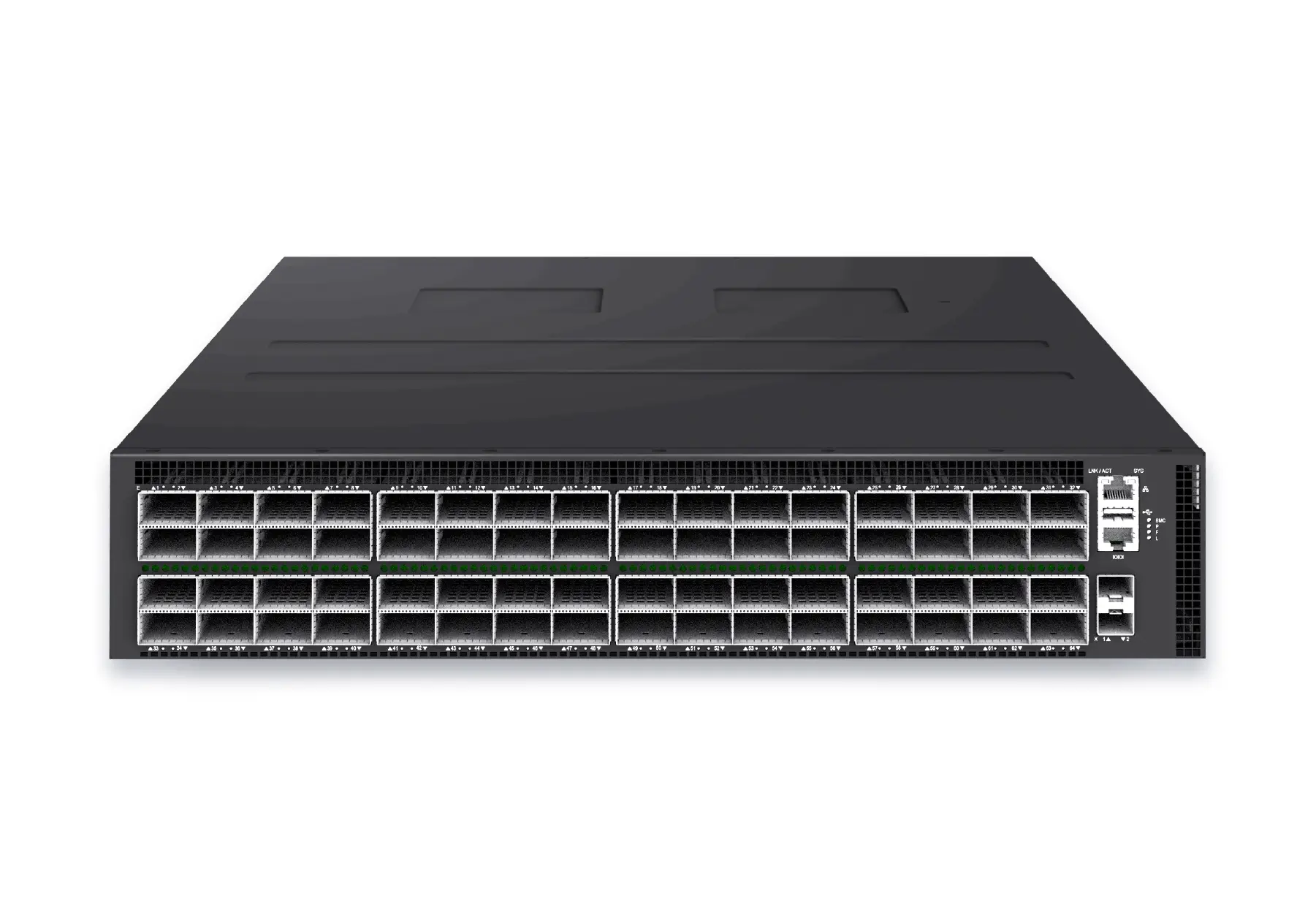 datacenter aiXS-DC-64X800-AI-G164-port 800G AI fabric switch for large-scale GPU clusters, HPC backbones, and ultra-high-throughput data center networks.View product
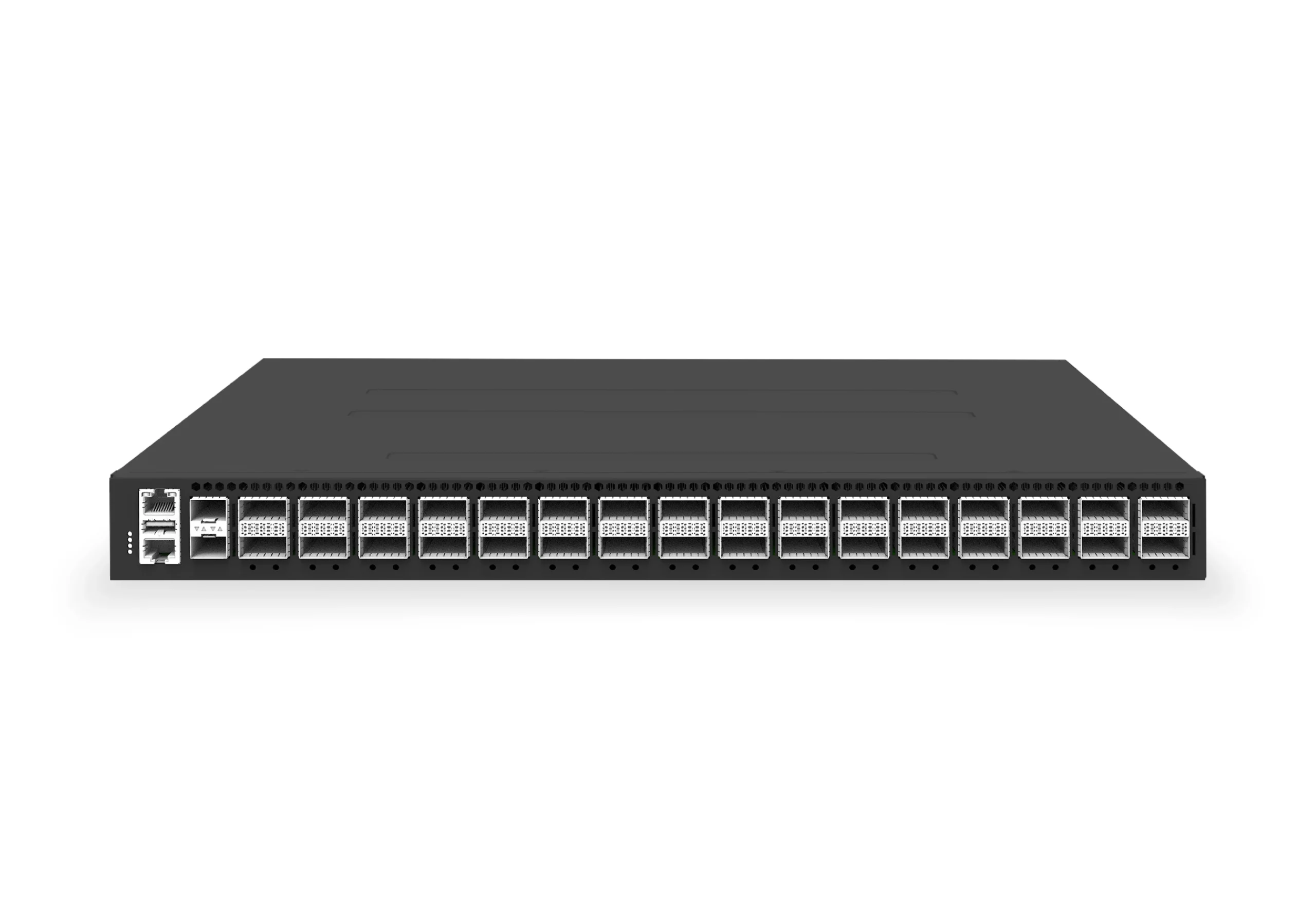 datacenter aiXS-DC-32X400-SP-G232-port 400G spine/core switch for high-capacity data center fabrics and AI-ready backbones.View product
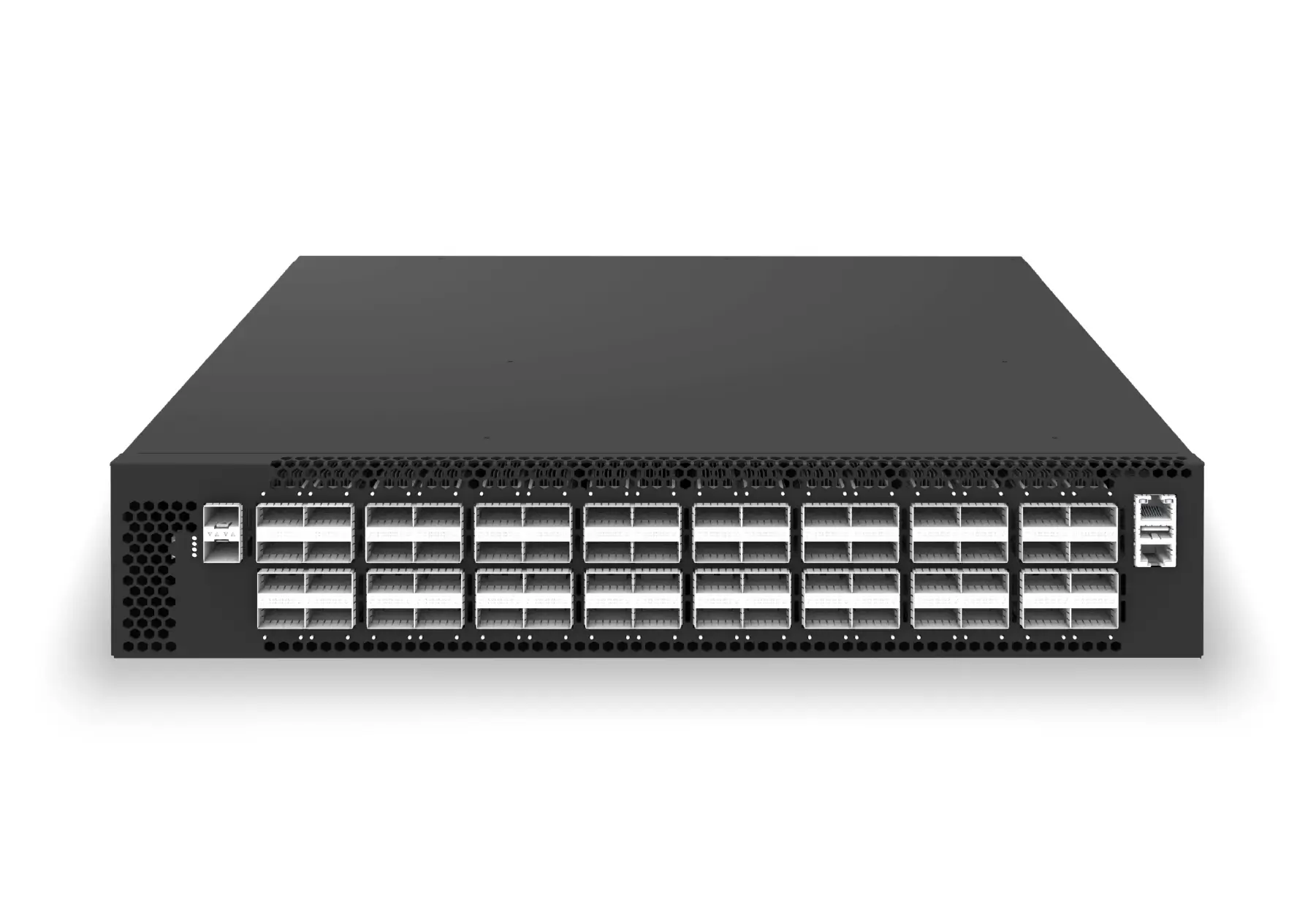 datacenter aiXS-DC-64X200-LS-G164-port 200G leaf/spine switch for high-bandwidth storage, compute, and scale-out data center fabrics.View product
Continue reading
Related articles
 Technical ArticleWhat Enterprise Buyers Actually Get From Open Networking Support: A SONiC Reality CheckA SONiC support reality check for Australian enterprise buyers covering community, commercial distribution, hardware, integration, SLA, and escalation.Read article
 Technical ArticleWarm Reboot and Fast Reboot in SONiC: How to Validate High Availability Without a Full OutageEngineering guide to validating SONiC warm reboot and fast reboot, covering ASIC support, control-plane recovery, traffic loss, telemetry, and rollback.Read article
 Technical ArticleSONiC Security Hardening: A Practical Guide for Data Center Network TeamsA practical SONiC security hardening guide for data center teams covering management access, patching, logging, RBAC, image provenance, telemetry, and audit evidence.Read article