In brief
Engineering guidance on OCP, SONiC, ONIE, and SAI collaboration for Australian AI data center buyers evaluating open networking, RoCE fabrics, and multi-vendor risk.
Key takeaways
- AI workloads are rewriting the rules of data center networking. GPU clusters that train large language models demand lossless, low-latency fabric with predictable congestion management.
- This is not a theoretical problem. The Open Compute Project (OCP) -- the industry body that helped standardize open server and rack designs -- has made AI data center infrastructure a top strategic priority.
- For Australian enterprises evaluating their next data center fabric, the question is no longer whether open networking can handle AI workloads.
The Case for Open Collaboration in AI Networking
AI workloads are rewriting the rules of data center networking. GPU clusters that train large language models demand lossless, low-latency fabric with predictable congestion management. Inference pipelines need consistent throughput across hundreds or thousands of endpoints. Traditional switching architectures designed for general-purpose east-west traffic were never built for the synchronized, burst-heavy communication patterns that AI training imposes.
This is not a theoretical problem. The Open Compute Project (OCP) — the industry body that helped standardize open server and rack designs — has made AI data center infrastructure a top strategic priority. OCP’s own framework now includes three focused initiatives: Open Systems for AI, Open Cluster Designs for AI, and Open Data Centers for AI. Each one targets a different layer of the stack, but networking sits at the intersection of all three.
For Australian enterprises evaluating their next data center fabric, the question is no longer whether open networking can handle AI workloads. It is whether the collaborative, standards-driven approach that underpins projects like SONiC and OCP Networking can deliver a more flexible and cost-effective alternative to closed, single-vendor switching stacks.
What OCP’s Networking Project Actually Delivers
The OCP Networking project aims to create a set of fully disaggregated and open technologies for the network space. Its scope covers Linux-based operating systems and developer tools, REST APIs for automated configuration management, bare-metal provisioning, universal multi-form-factor switch hardware, and energy-efficient power and cooling designs.
Critically, OCP Networking includes SONiC as one of its core sub-projects, alongside ONIE (Open Network Install Environment), SAI (Switch Abstraction Interface), and Optical Circuit Switching. This is not a loose affiliation. SONiC, SAI, and ONIE form a layered stack: ONIE handles bare-metal bootstrapping, SAI provides a uniform hardware abstraction across different ASICs, and SONiC delivers the full network operating system on top.
The result is a model where network hardware and software are independently chosen, tested, and upgraded. An enterprise can select switch silicon from multiple vendors — whether that is based on Broadcom, Marvell, or other ASIC families — and run the same SONiC-based software stack across all of them. This is the disaggregation promise that OCP set out to deliver for servers a decade ago, now applied to networking.
SONiC: The Open-Source NOS Behind the Movement
SONiC, which stands for Software for Open Networking in the Cloud, is a free and open-source network operating system based on Linux. It runs on switches from multiple vendors and supports multiple ASICs through the SAI abstraction layer. According to the SONiC Foundation, it offers a full suite of network functionality including BGP and RDMA — two protocols that are essential for AI fabric deployments.
The SONiC project highlights several architectural advantages that matter for AI networking:
- Hardware and software decoupling. SAI allows the same SONiC image to run on different switch hardware. This reduces vendor lock-in and gives infrastructure teams the freedom to evaluate bare-metal switch platforms on their own merits.
- Containerized, modular architecture. Each network function runs in its own Docker container. This provides fault isolation, simplified upgrades, and the ability to troubleshoot individual services without taking down the entire switch.
- Production-hardened at scale. SONiC originated from the cloud provider community and has been deployed in some of the largest data center environments in the world. The GitHub repository shows nearly 3,000 commits and an active contributor base.
- Standard Linux interfaces. Because SONiC is built on Debian Linux, operations teams can use familiar Linux tooling for monitoring, automation, and configuration management.
For AI fabric use cases specifically, SONiC’s support for RDMA over Converged Ethernet (RoCE v2), Data Center Bridging Capability Exchange (DCBX), and BGP-based underlay routing makes it a credible platform for spine-leaf architectures that need lossless transport for GPU-to-GPU communication.
Why This Matters for Australian AI Infrastructure
Australia occupies a distinctive position in the global AI infrastructure landscape. The OCP Podcast episode featuring David Hirst, CEO of Macquarie Data Centres, offers a useful framing. Hirst describes how AI workloads have shifted data center design from a real estate model to what he calls chip-out thinking — designing infrastructure outward from the GPU and its thermal and power requirements.
Several factors make the Australian context particularly relevant to the open networking discussion:
- Data sovereignty. Australian enterprises and government agencies increasingly require that AI workloads and training data remain onshore. This means building domestic capacity rather than relying entirely on hyperscaler regions in Singapore or the US West Coast.
- Supply chain constraints. The same global demand for AI infrastructure that is driving data center construction worldwide creates procurement pressure in Australia. Open networking with multi-vendor hardware options can reduce dependence on a single supply path.
- Power and cooling complexity. As Hirst notes, AI racks are pushing toward megawatt-class power densities with liquid cooling requirements. Networking equipment that fits into modular, standards-based rack designs simplifies the overall integration challenge.
- Regulatory alignment. OCP’s collaborative model, where specifications are developed openly and validated across multiple participants, aligns well with Australian expectations for transparent, auditable technology procurement.
Evaluating Open Networking for AI Fabric: A Practical Framework
For infrastructure teams in Australia planning an AI fabric deployment, the collaboration between OCP and the SONiC ecosystem provides a practical evaluation framework. Here are the key decision points:
Switch hardware selection. With SONiC running on top of SAI and ONIE, buyers can evaluate bare-metal switch platforms from multiple vendors. The key criteria are ASIC capability (support for RoCE v2, ECN, PFC, and RDMA congestion management), port density (100G, 400G, and 800G uplinks), and form factor compatibility with existing rack and cooling designs.
Operations tooling. Because SONiC is Linux-based, it integrates with standard automation frameworks including Ansible, Terraform, and NETCONF/YANG-based controllers. For enterprises with existing Linux operations skills, this reduces the learning curve compared to proprietary NOS platforms.
Open Collaboration Evaluation Matrix
| Layer | Open collaboration signal | Engineering evidence to request | Buyer risk reduced |
|---|---|---|---|
| Switch hardware | OCP networking participation, published platform data, ONIE support | Exact SKU, ASIC, port map, power profile, optics matrix | Single-vendor hardware dependency |
| NOS layer | SONiC image availability and release history | SONiC version, SAI version, container health checks, release notes | Unsupported community image in production |
| ASIC abstraction | SAI feature coverage for the required design | Tested feature matrix for BGP, RoCE, telemetry, and ACLs | Feature mismatch between platforms |
| AI fabric behaviour | RoCE v2, PFC, ECN, DCBX, and congestion recovery validation | Lab report with queue, pause, ECN, and failure data | AI workload stalls that are invisible to operations |
| Facility integration | Rack, power, cooling, and cabling alignment | RU plan, 400G/800G cable plan, cooling method, spare strategy | Networking design that does not fit the AI hall |
The Collaboration Advantage
The phrase A Call for Collaboration on AI Data Center Infrastructure Standards is not just a tagline. It reflects a genuine structural shift in how networking technology is developed and validated. When OCP brings together chip vendors, switch manufacturers, software projects, and end users in the same working group, the resulting specifications carry more weight than any single vendor’s datasheet.
For Australian enterprises, this collaborative model offers a practical advantage: the ability to build AI infrastructure on a foundation that is not owned by any one company. Multi-vendor SAI support means that if a switch hardware vendor raises prices or discontinues a product line, the same SONiC software stack can run on an alternative platform. Open specifications for rack design, power distribution, and cooling mean that networking hardware can be integrated into modular data center builds without proprietary lock-in.
This does not mean open networking is the right choice for every deployment. Proprietary platforms may still offer advantages in specific feature areas or support models. But for enterprises that want long-term flexibility and control over their AI networking stack, the OCP and SONiC collaboration provides a credible, production-proven alternative.
What to Do Next
If you are planning an AI data center fabric in Australia, start with these steps:
- Map your GPU cluster topology. Understand the number of nodes, inter-node bandwidth requirements, and whether you need lossless Layer 2 transport (RoCE v2) or routed Layer 3 (BGP-based) underlay.
- Evaluate bare-metal switch options. Look at platforms that carry OCP Accepted or OCP Inspired recognition and support SONiC with validated SAI drivers for your target ASIC.
- Test RoCE v2 and DCBX in your lab. AI fabric performance depends on correct congestion management configuration. Validate PFC, ECN, and fast CNP behavior with your specific GPU NICs before committing to a production rollout.
- Document the operations model. Record who owns switch hardware, SONiC image support, SAI defects, optics validation, facility cabling, and escalation during a P1 incident.
- Engage with the community. The SONiC Foundation, OCP Networking project, and related working groups hold regular calls and publish documentation. Real-world deployment experience from other enterprises — including those in the APAC region — is available through these channels.
The shift to open, collaborative AI data center infrastructure is already underway. For Australian buyers, the combination of OCP-backed standards and SONiC-based networking offers a path to AI fabric that is flexible, multi-vendor, and built on the same disaggregation principles that transformed server infrastructure a decade ago.
Engineering FAQ
Why does open collaboration matter for AI data center buyers? AI infrastructure crosses switch silicon, NOS software, NICs, optics, power, cooling, and operations. OCP and SONiC reduce the chance that one proprietary layer controls the entire design.
What should be validated before treating SONiC as production-ready? Validate the exact switch SKU, ASIC, SAI version, SONiC image, optics, RoCE settings, telemetry path, rollback process, and support escalation. Open source code is useful, but production readiness still requires evidence.
Where should Australian teams be cautious? Be cautious when a vendor can show a SONiC demo but cannot provide release notes, APAC support, spare hardware path, optics validation, and a failure-mode runbook for the intended AI fabric.
Related xSONiC Resources
Sources Reviewed
- Open Compute Networking
- Open Compute Project Podcast
- Open Network Install Environment
- Switch Abstraction Interface
- SONiC Project Documentation
- SONiC GitHub
- SONiC Foundation
Product fit
Products referenced for evaluation
These products are referenced for evaluation context in the article. Confirm workload, port, optics, software, interoperability, and support requirements against the exact deployment before procurement.
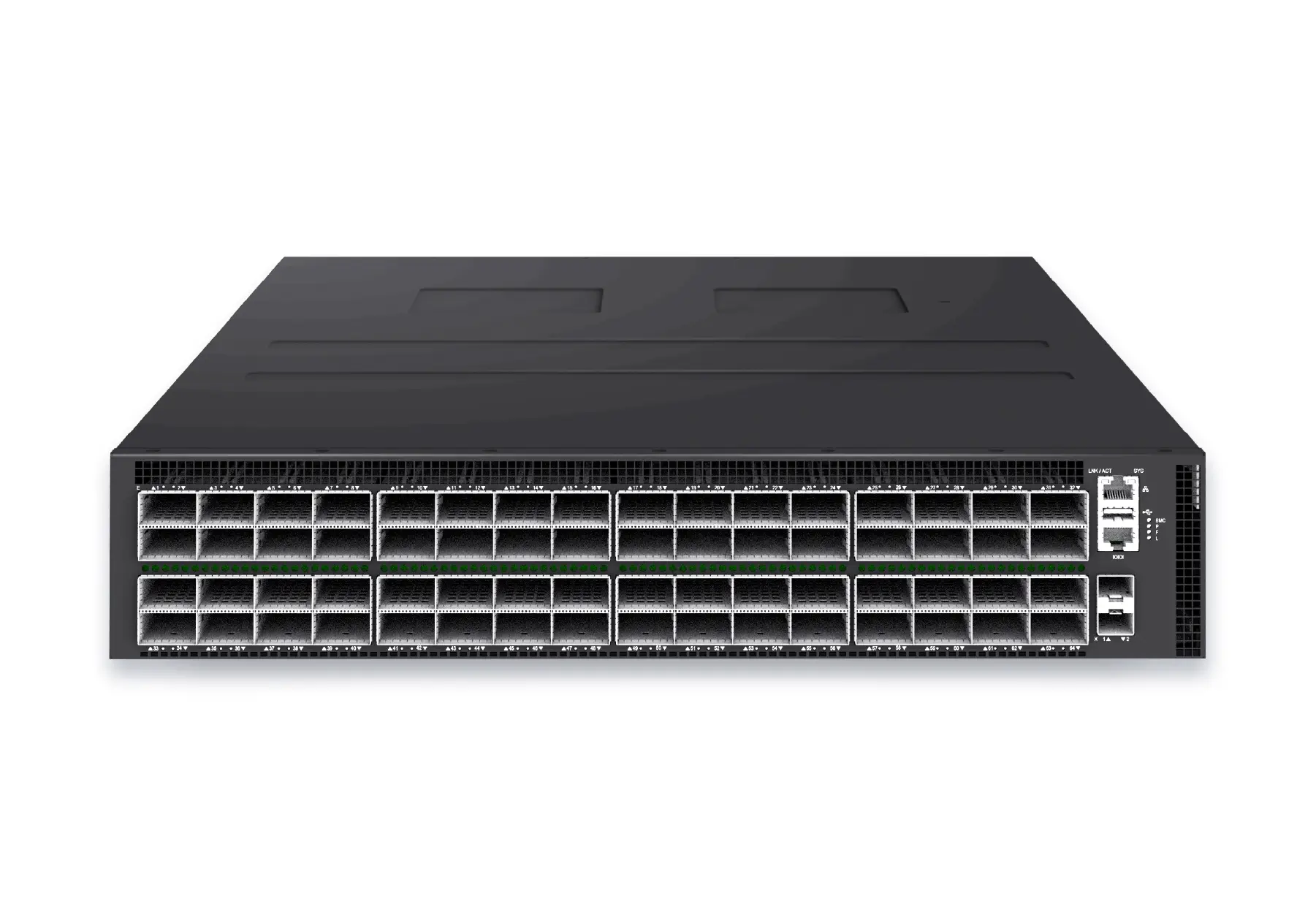 datacenter aiXS-DC-64X800-AI-G164-port 800G AI fabric switch for large-scale GPU clusters, HPC backbones, and ultra-high-throughput data center networks.View product
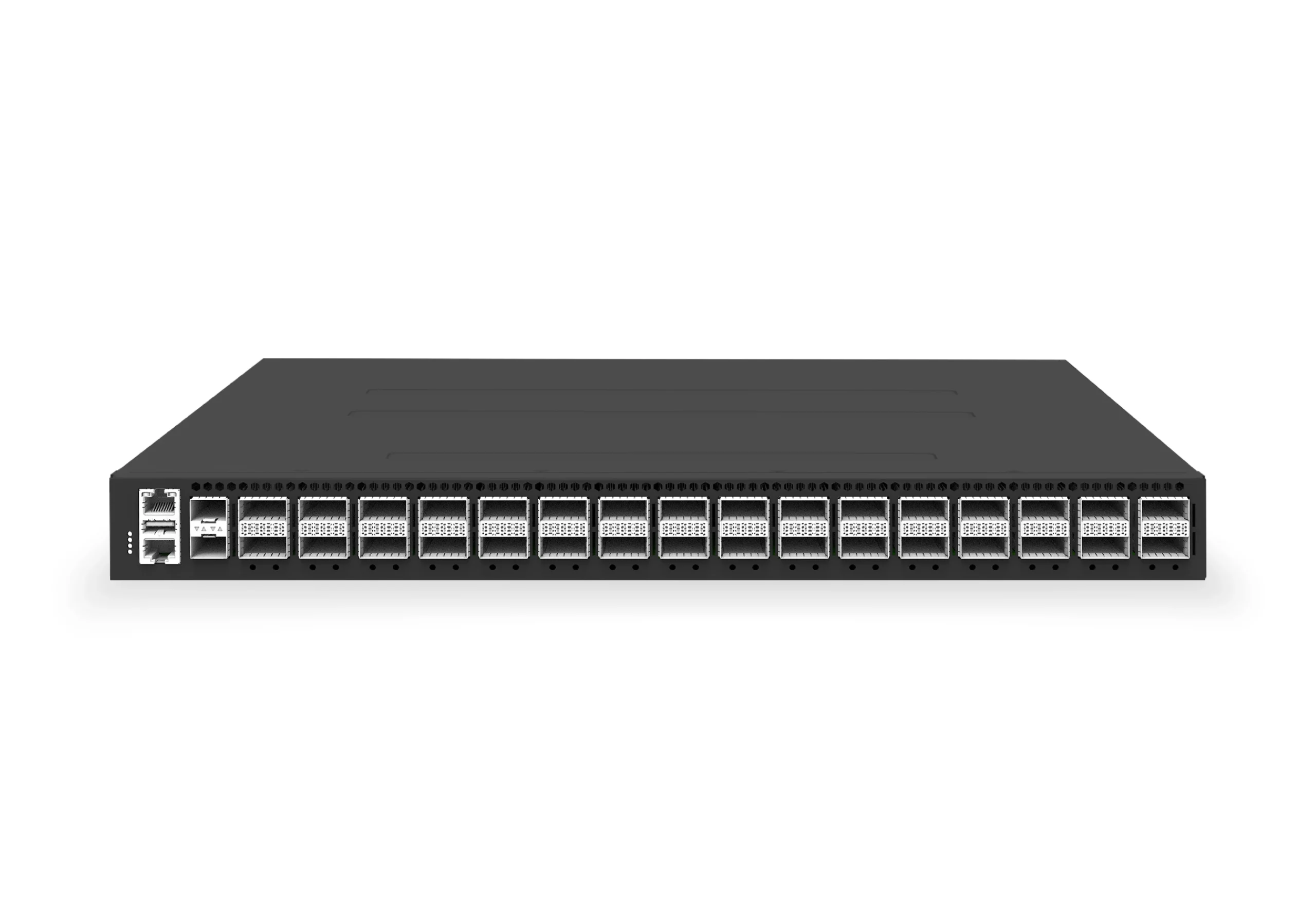 datacenter aiXS-DC-32X400-SP-G232-port 400G spine/core switch for high-capacity data center fabrics and AI-ready backbones.View product
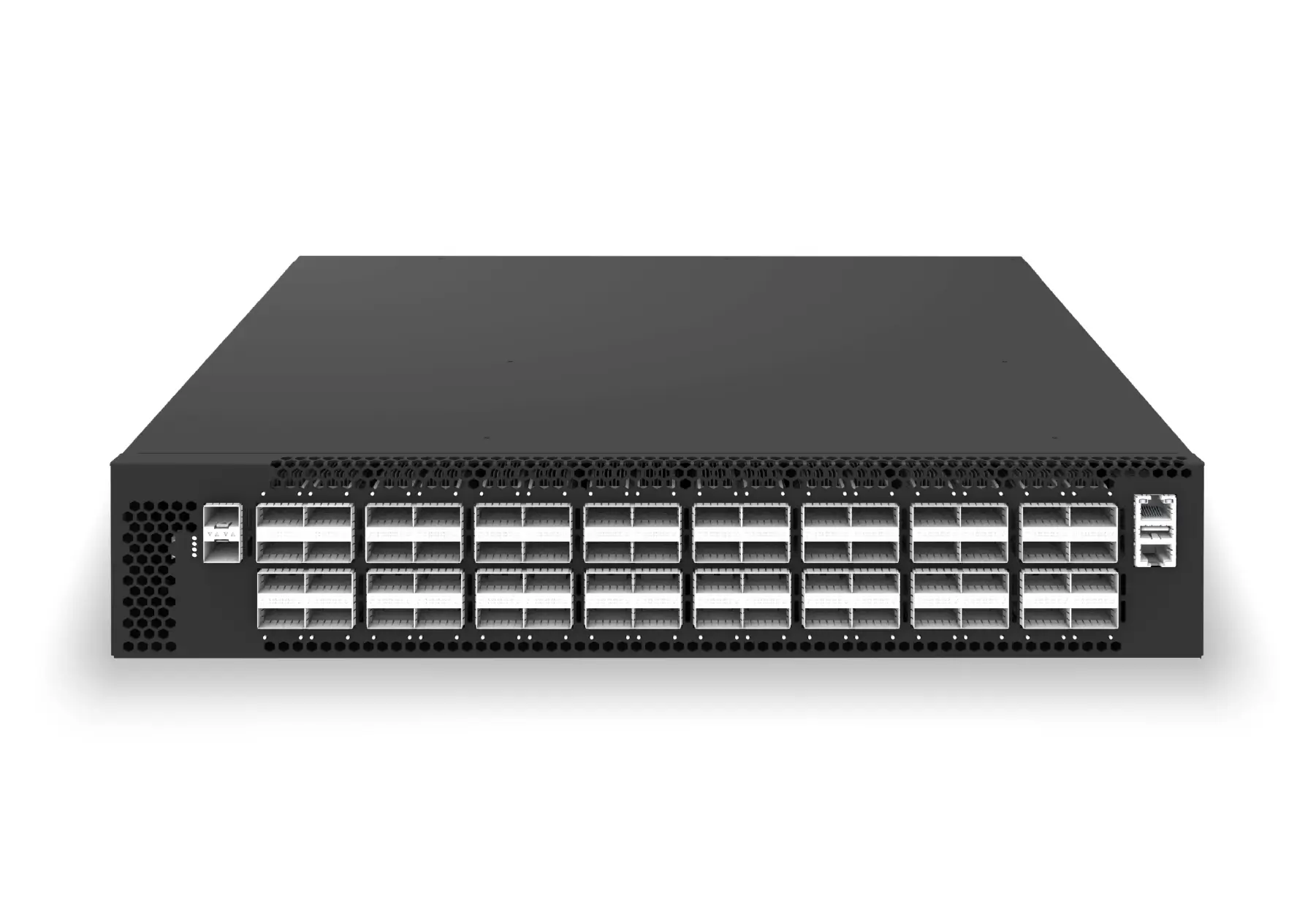 datacenter aiXS-DC-64X200-LS-G164-port 200G leaf/spine switch for high-bandwidth storage, compute, and scale-out data center fabrics.View product
Continue reading
Related articles
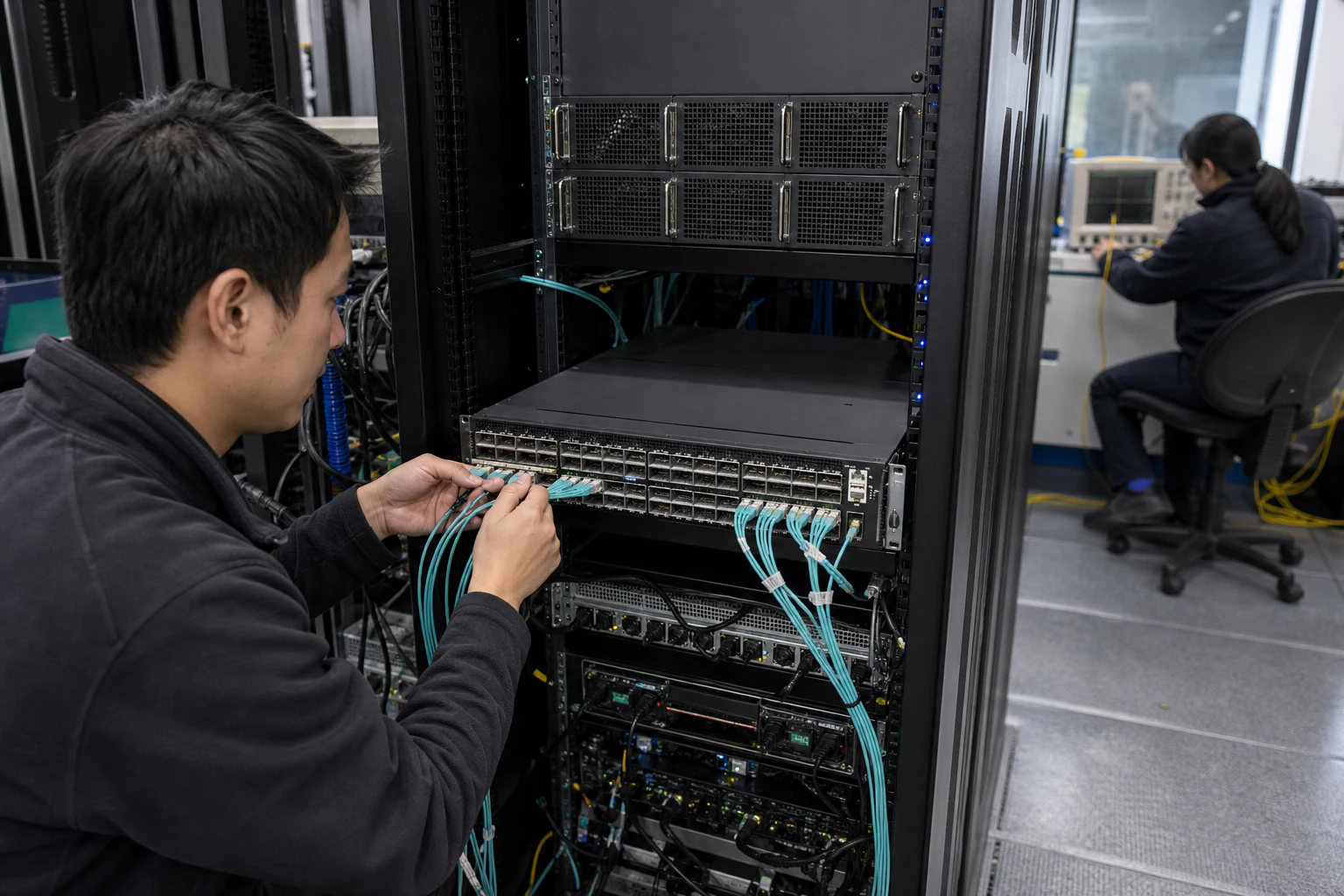 Technical ArticleDCBX, PFC, ECN, and Fast CNP: Building Lossless Ethernet for AI Training FabricsEngineering guidance on DCBX, PFC, ECN, and Fast CNP for Australian AI fabric teams building lossless Ethernet for RoCE v2 training clusters.Read article
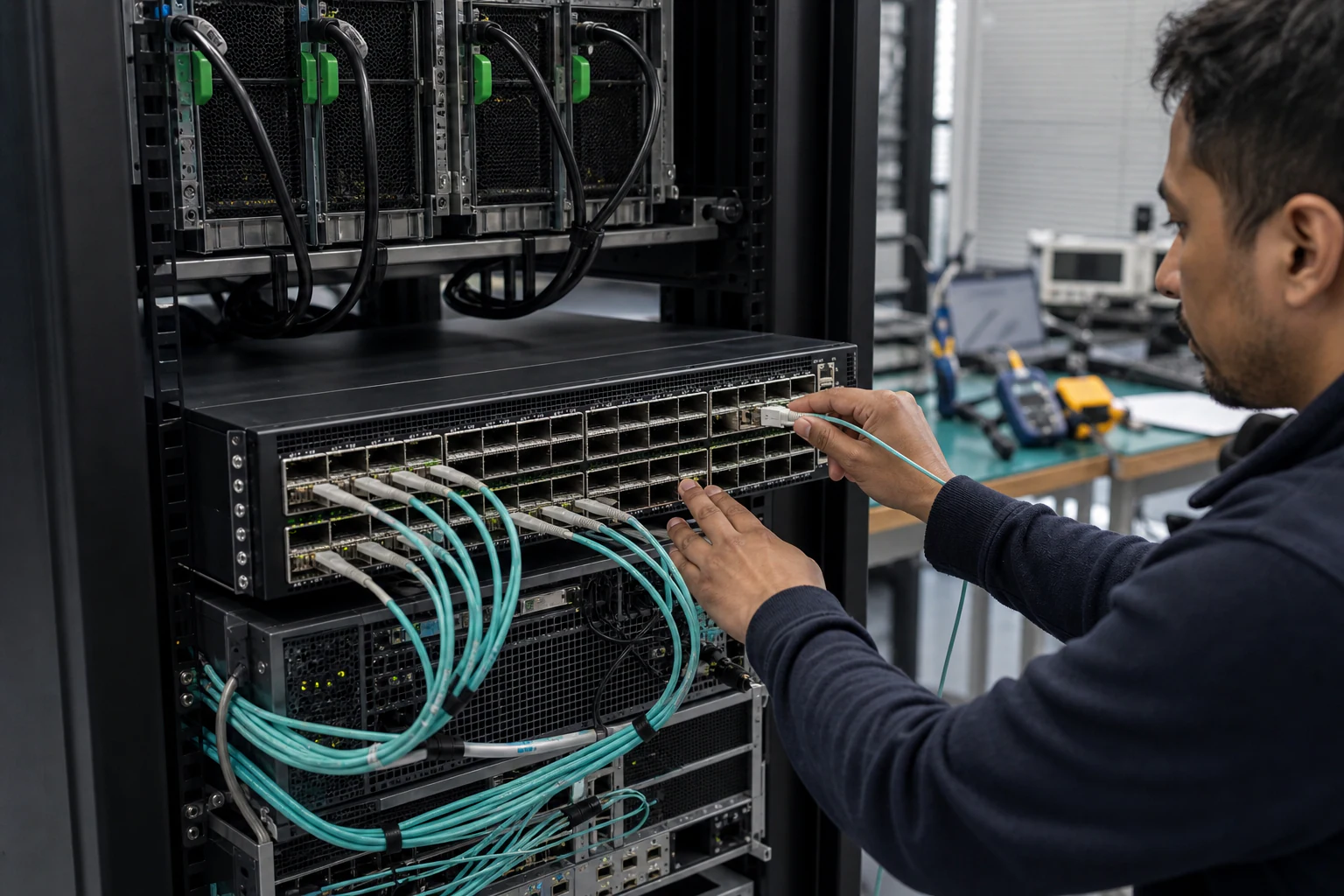 Technical ArticleWhat AI Data Center Ethernet Demands Mean for SONiC Network Operators in AustraliaEngineering guide for Australian SONiC operators running AI Ethernet fabrics, covering RoCE, 400G/800G links, telemetry, failures, optics, and support.Read article
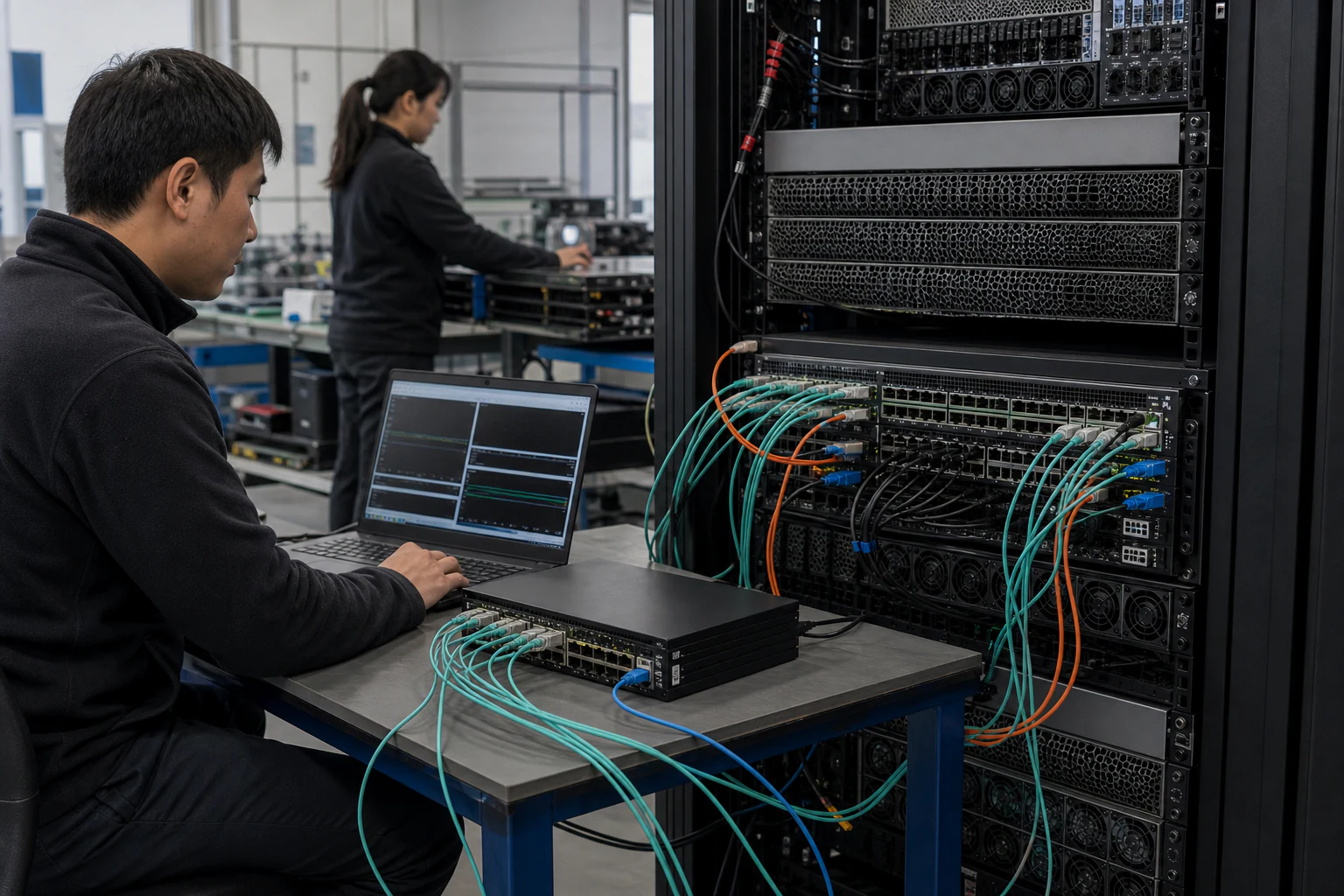 Technical ArticleWhat AI Fabric Ethernet Switching Actually Requires -- and Where SONiC Fits in the StackA practical engineering guide to AI fabric Ethernet switching requirements, explaining where SONiC fits across RoCE v2, PFC, ECN, DCBX, telemetry, and 400G/800G operations.Read article