In brief
Engineering guidance on Enterprise Buyers Need to Know About SONiC and Open Networking Switches for Australian network teams, covering underlay design, EVPN-VXLAN.
Key takeaways
- Software for Open Networking in the Cloud (SONiC) started as a cloud provider network operating system, but it has steadily moved into enterprise conversations.
- For enterprise network teams, SONiC represents something different from the traditional switch vendor model.
- This architectural choice matters for enterprise buyers evaluating their next network refresh cycle.
Why SONiC Is Gaining Enterprise Attention
Software for Open Networking in the Cloud (SONiC) started as a cloud provider network operating system, but it has steadily moved into enterprise conversations. Originally developed within Microsoft Azure and released as open source under the Linux Foundation, SONiC now runs production networks at some of the world’s largest cloud platforms.
For enterprise network teams, SONiC represents something different from the traditional switch vendor model. Instead of buying a switch with proprietary software locked to one vendor’s roadmap, SONiC separates the network operating system from the underlying hardware. A single SONiC image can run on switches from multiple manufacturers, using different ASICs, while delivering consistent network functionality.
This architectural choice matters for enterprise buyers evaluating their next network refresh cycle. When the NOS is independent of the hardware, procurement teams gain leverage. Network architects can select switches based on port density, power efficiency, and price-performance rather than being locked into a single vendor’s software ecosystem.
SONiC is not a niche experiment. The SONiC Foundation, a Linux Foundation project, reports growing ecosystem support from major silicon vendors and switch manufacturers. The GitHub repository for SONiC shows active development with nearly 3,000 commits and a community of contributors spanning hardware vendors, cloud operators, and independent developers.
How SONiC Architecture Works
SONiC uses a containerized architecture that differs from traditional monolithic switch operating systems. Each major network function runs in its own Docker container. BGP routing, the management plane, the data plane interface, and telemetry services each operate as isolated modules.
This design delivers several practical benefits for enterprise operations teams:
Fault isolation: If one container fails or needs to be restarted, it does not bring down the entire switch. A BGP process crash does not take out the management interface.
Independent upgrades: Individual containers can be updated or rolled back without reinstalling the entire switch image. This reduces change windows and lowers the risk of network-wide updates.
Easier troubleshooting: Operations teams can examine logs and resource usage per container, making root cause analysis more straightforward than debugging monolithic NOS builds.
Hardware abstraction via SAI: SONiC uses the Switch Abstraction Interface (SAI) to decouple the NOS from the underlying ASIC. SAI provides a standard API that switch silicon vendors implement, allowing SONiC to run on different ASIC platforms without modifying the core software.
For enterprise teams evaluating open networking, the containerized model means SONiC behaves more like modern application infrastructure. Teams with container orchestration experience will find the operational model familiar.
What SONiC Supports Today
SONiC provides a full suite of enterprise and data center networking functionality. The feature set has matured significantly since its initial cloud-focused releases.
Routing and switching: SONiC supports BGP, OSPF, static routing, VLANs, LAG (Link Aggregation), and standard Layer 2/3 forwarding. For data center spine-leaf fabrics, BGP-based routing is production-hardened from cloud provider deployments.
RDMA and lossless Ethernet: SONiC supports RDMA over Converged Ethernet (RoCE) v2, which is critical for AI and ML cluster backends that require low-latency, lossless transport. Data Center Bridging Capability Exchange Protocol (DCBX) and Priority Flow Control (PFC) enable lossless Ethernet for GPU-to-GPU communication.
Overlay networking: EVPN-VXLAN support allows enterprises to build scalable Layer 2 and Layer 3 overlay networks across a physical underlay. This is increasingly standard for data center fabrics and campus aggregation layers.
Management and automation: SONiC supports CLI, JSON-based configuration files, and programmatic interfaces including NETCONF and REST APIs. Teams can integrate SONiC switches into existing automation pipelines using standard Linux tools and configuration management platforms.
Telemetry and visibility: SONiC supports streaming telemetry for real-time monitoring of interface counters, BGP state, buffer utilization, and other operational metrics. In-band Network Telemetry (INT) provides path-level visibility for troubleshooting data center flows.
Enterprise buyers should note that SONiC feature availability can vary between hardware platforms. Not all switches support every SONiC feature, so platform-specific validation is part of any deployment planning process.
SONiC for Data Center and AI Fabric Deployments
Data center networking is SONiC’s most mature deployment scenario. Cloud providers have validated SONiC at scale, and the feature set aligns well with modern data center architectures.
Spine-leaf fabrics: SONiC’s BGP implementation and support for high-speed interfaces make it suitable for spine-leaf topologies. Enterprise teams building new data center fabrics or refreshing existing infrastructure can deploy SONiC on 100G, 400G, or 800G switches for leaf and spine roles.
AI and ML backends: As organizations deploy GPU clusters for AI training and inference, the network backend requires lossless, low-latency Ethernet. SONiC’s RoCE v2 support, combined with DCBX and Priority Flow Control, enables GPU-to-GPU communication over standard Ethernet. This is a direct alternative to InfiniBand for many AI workloads.
EVPN-VXLAN overlays: Modern data centers use EVPN-VXLAN for network segmentation and multi-tenancy. SONiC’s EVPN implementation supports both symmetric and asymmetric routing modes, giving network architects flexibility in overlay design.
For Australian enterprises investing in AI infrastructure or data center modernization, SONiC-based switches offer a path to building high-performance fabrics without proprietary NOS lock-in. The same SONiC image that runs on spine switches can run on leaf switches, simplifying operations and reducing the software variants that teams must manage.
SONiC in Enterprise Campus and Branch Networks
While SONiC originated in data center environments, campus and branch networking use cases are developing. Enterprise campus networks require features like PoE (Power over Ethernet), access control, multicast, and integration with wireless controllers.
SONiC’s campus feature set is evolving. For organizations planning a campus refresh, the evaluation should focus on:
Feature maturity: Which campus-specific features are production-ready on your target hardware platform? PoE support, 802.1X authentication, and IGMP snooping are essential for campus deployments.
Management and monitoring: Campus networks often have different operational requirements than data centers. How does SONiC integrate with campus network management tools? What telemetry and monitoring capabilities are available?
Wireless integration: Campus networks increasingly depend on wireless infrastructure. How does SONiC-based switching integrate with Wi-Fi 6E and Wi-Fi 7 access points?
Scale and form factors: Campus access switches need different port configurations than data center switches. Are there SONiC-compatible switches with 24 or 48 access ports, PoE budgets suitable for wireless APs and IP phones, and fanless or quiet operation for office environments?
The SONiC ecosystem is expanding to address campus requirements, but enterprise buyers should validate campus feature availability against their specific use cases before committing to a SONiC campus deployment.
Evaluating White Box and Bare Metal Switches for SONiC
SONiC runs on white box and bare metal switches from multiple manufacturers. The term ‘white box’ refers to switches built with merchant silicon (typically from Broadcom, Marvell, or NVIDIA/Mellanox) in a standard hardware design, without a proprietary NOS bundled by the hardware vendor.
When evaluating white box switches for SONiC, enterprise buyers should consider:
ASIC compatibility: SONiC supports multiple ASIC platforms, but not every SONiC feature works on every ASIC. The SONiC Foundation maintains a supported devices and platforms list that documents hardware compatibility.
ONIE support: Open Network Install Environment (ONIE) is a boot loader that allows network operating systems to be installed on bare metal switches. Most SONiC-compatible switches ship with ONIE, enabling straightforward SONiC image installation.
Hardware quality and support: White box switches vary in build quality, cooling design, and mean time between failures (MTBF). Evaluate the hardware manufacturer’s track record, warranty terms, and support options.
Optical transceiver compatibility: SONiC switches use standard SFP, SFP+, SFP28, QSFP28, QSFP-DD, and OSFP ports. Verify that your target switch supports the optical transceivers you plan to use for 100G, 400G, or 800G links.
Form factor and power: Data center leaf switches, spine switches, and campus access switches have different physical requirements. Match the switch form factor to your rack design, power budget, and cooling capacity.
For Australian enterprise buyers, sourcing SONiC-compatible hardware may involve local distribution partners or direct relationships with switch manufacturers. Verify local warranty and support options before procurement.
Operational Considerations for Enterprise SONiC Deployments
Deploying SONiC in an enterprise environment requires operational readiness. The network operations team needs skills in Linux administration, container management, and modern network automation.
Skills and training: SONiC is Linux-based and uses standard Linux tools for configuration, troubleshooting, and monitoring. Teams comfortable with Linux will adapt more quickly, but SONiC-specific training and documentation should be part of the deployment plan.
Automation integration: SONiC’s JSON-based configuration and NETCONF/REST API support make it compatible with automation tools like Ansible, Terraform, and Python scripting. Organizations with existing network automation practices can integrate SONiC switches into their workflows.
Monitoring and observability: SONiC supports streaming telemetry that feeds into monitoring platforms like Prometheus, Grafana, or commercial network monitoring tools. Telemetry data includes interface counters, BGP session state, buffer utilization, and environmental metrics.
Upgrades and lifecycle management: SONiC’s containerized architecture allows granular upgrades, but the upgrade process still requires planning and testing. Validate SONiC image upgrades in a lab environment before deploying to production.
Community and vendor support: SONiC has an active open source community, but enterprise support options vary. Some hardware vendors offer SONiC support as part of their switch purchase, while third-party support providers are also emerging in the ecosystem.
For enterprise teams new to SONiC, starting with a limited deployment in a non-critical environment (such as a lab or development fabric) provides operational experience before committing to production deployment.
SONiC Compared to Proprietary Network Operating Systems
Enterprise network teams evaluating SONiC are typically comparing it against proprietary NOS options from established switch vendors. The comparison involves several dimensions:
| Dimension | SONiC | Proprietary NOS |
|---|---|---|
| Hardware lock-in | Low - runs on multiple vendor platforms | High - typically tied to one vendor |
| Software cost | Open source, no per-switch license fees | License fees per switch or per feature tier |
| Feature maturity | Mature for data center, evolving for campus | Broad feature set across campus and DC |
| Vendor support | Community plus emerging vendor support | Established vendor TAC and support contracts |
| Automation | Linux-native, NETCONF, REST APIs | Varies by vendor, often proprietary APIs |
| Upgrade model | Containerized, granular updates | Typically full image upgrades |
| Ecosystem | Growing, Linux Foundation backing | Established, single-vendor ecosystem |
Neither approach is universally better. Proprietary NOS options offer integrated support, established campus feature sets, and vendor-proven upgrade paths. SONiC offers hardware flexibility, software cost savings, and operational independence from any single vendor.
For Australian enterprises, the choice often depends on internal capabilities, existing vendor relationships, and the specific use case. Data center and AI fabric deployments are where SONiC has the strongest track record and feature maturity.
Getting Started with SONiC Evaluation
Enterprise teams interested in evaluating SONiC can take several practical steps:
-
Review supported hardware: Check the SONiC Foundation’s supported devices list to identify switches that run SONiC and match your port speed, density, and form factor requirements.
-
Set up a lab environment: Deploy SONiC on a small number of switches in a lab. Test basic switching, routing, and the features you plan to use in production.
-
Evaluate automation fit: Integrate SONiC switches with your existing automation tools. Test configuration deployment, telemetry collection, and firmware upgrades through your automation pipeline.
-
Assess operational readiness: Ensure your network operations team has Linux skills and can troubleshoot SONIC using standard Linux tools, container inspection, and SONiC-specific CLI commands.
-
Engage with the community: The SONiC community on GitHub, Slack, and the SONiC Foundation provides documentation, user stories, and technical guidance for new adopters.
-
Plan for production: Once the lab evaluation is complete, develop a phased production deployment plan that includes hardware procurement, SONiC image validation, integration testing, and operations handover.
For Australian enterprises exploring SONiC, xSONiC offers data center AI switches, bare metal switches, and access-aggregation platforms compatible with SONiC. Our team can assist with platform selection, deployment planning, and operational guidance. Contact xSONiC to discuss your network modernization requirements.
Engineering FAQ
What should be proven before adopting EVPN-VXLAN on SONiC? Prove underlay routing, BGP sessions, VTEP behaviour, MAC/IP learning, route scale, multi-homing design, failure convergence, and observability. The overlay should be accepted as a system, not a feature checkbox.
Why does the underlay design still matter in an overlay network? EVPN-VXLAN depends on a stable routed underlay. MTU, ECMP, addressing, route policy, link failure behaviour, and telemetry determine whether the overlay remains predictable under load and during faults.
What should be included in an EVPN-VXLAN operations runbook? Include naming, IP plan, BGP policy, VNI mapping, change process, rollback commands, failure checks, telemetry fields, backup and restore steps, and escalation ownership for the selected SONiC image.
Related xSONiC Resources
Sources Reviewed
- IEEE 802.1Q Bridges and Bridged Networks
- IEEE 802.1AX Link Aggregation
- Ethernet Network Adapters - ConnectX NICs | NVIDIA
- NVIDIA BlueField Data Processing Unit
- NVIDIA Spectrum-X Ethernet Platform
- OpenConfig gNMI Specification
- OpenConfig
- RFC 7950 - The YANG 1.1 Data Modeling Language
- RFC 6241 - Network Configuration Protocol (NETCONF)
- ACSC Essential Eight
- OAIC Notifiable Data Breaches
- APRA CPS 234 Information Security
- NETSCOUT Network Packet Definition
- Cloudflare Network Packet Definition
- IEEE 802.11be Wireless LAN Standard
- IEEE 802.3bt Power over Ethernet
- SONiC Project Documentation
- Broadcom Ethernet Switching
- Marvell Switching
- NVIDIA Ethernet Switching
- Open Compute Networking
- SONiC GitHub
- SONiC Foundation
Product fit
Products referenced for evaluation
These products are referenced for evaluation context in the article. Confirm workload, port, optics, software, interoperability, and support requirements against the exact deployment before procurement.
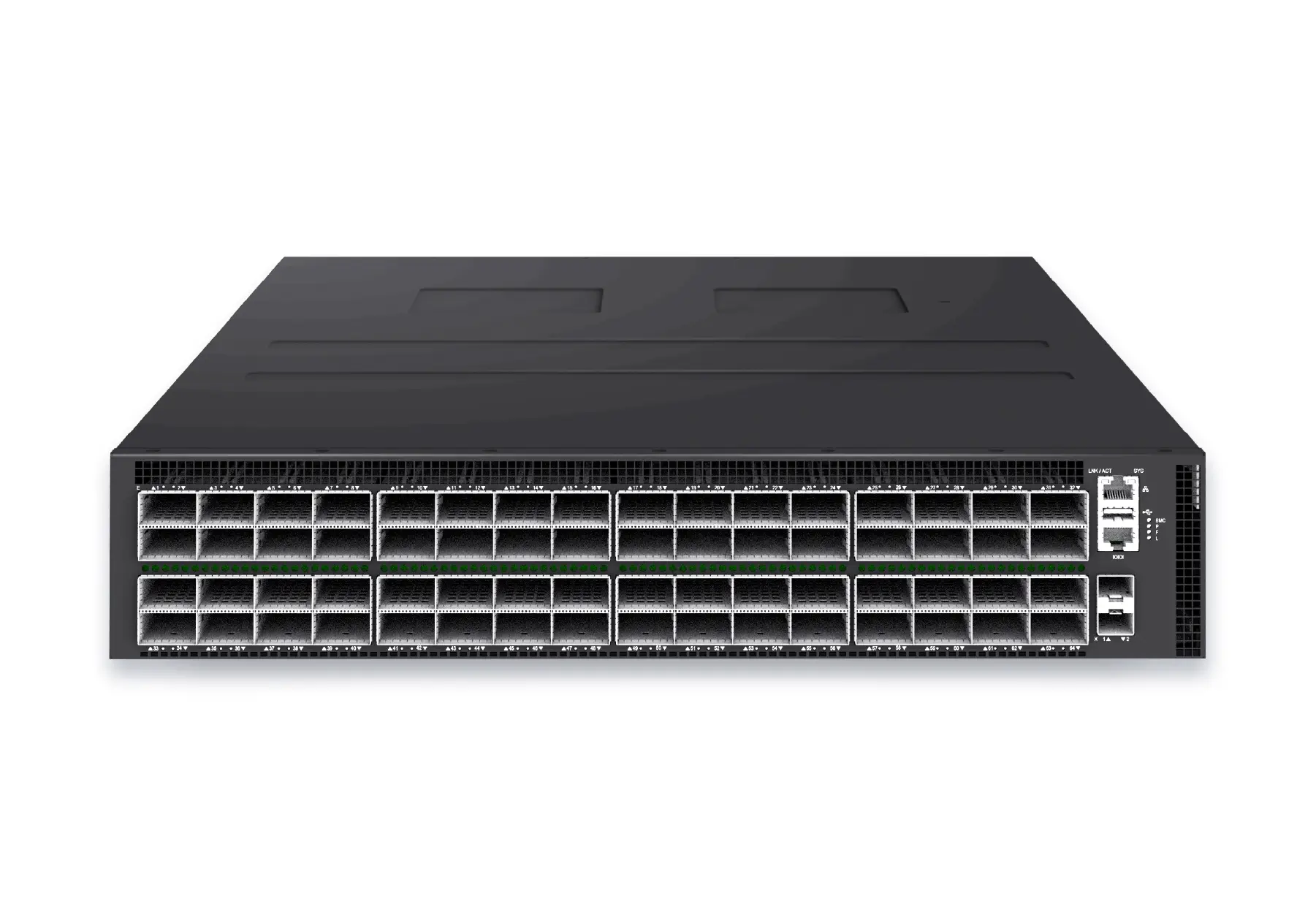 datacenter aiXS-DC-64X800-AI-G164-port 800G AI fabric switch for large-scale GPU clusters, HPC backbones, and ultra-high-throughput data center networks.View product
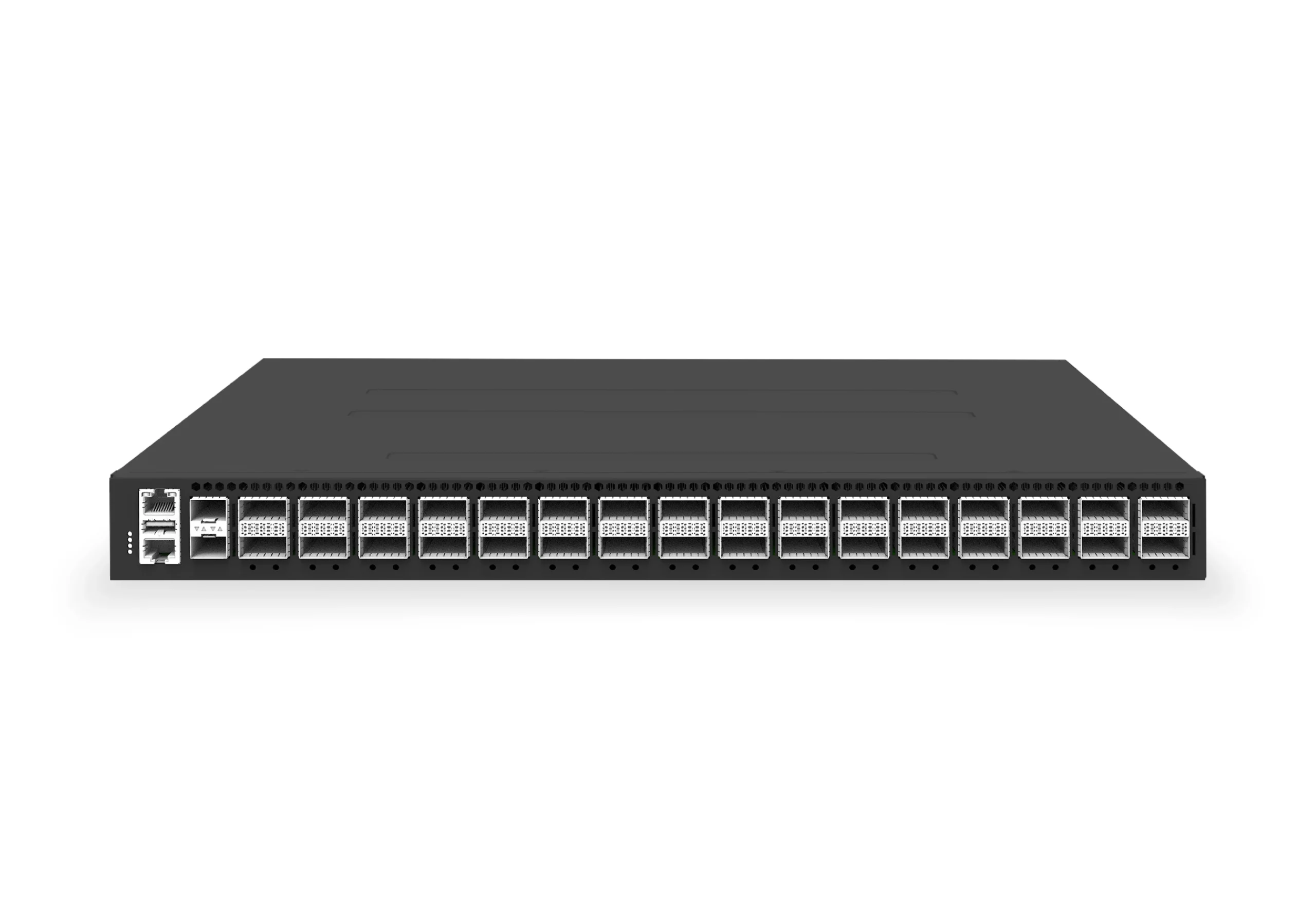 datacenter aiXS-DC-32X400-SP-G232-port 400G spine/core switch for high-capacity data center fabrics and AI-ready backbones.View product
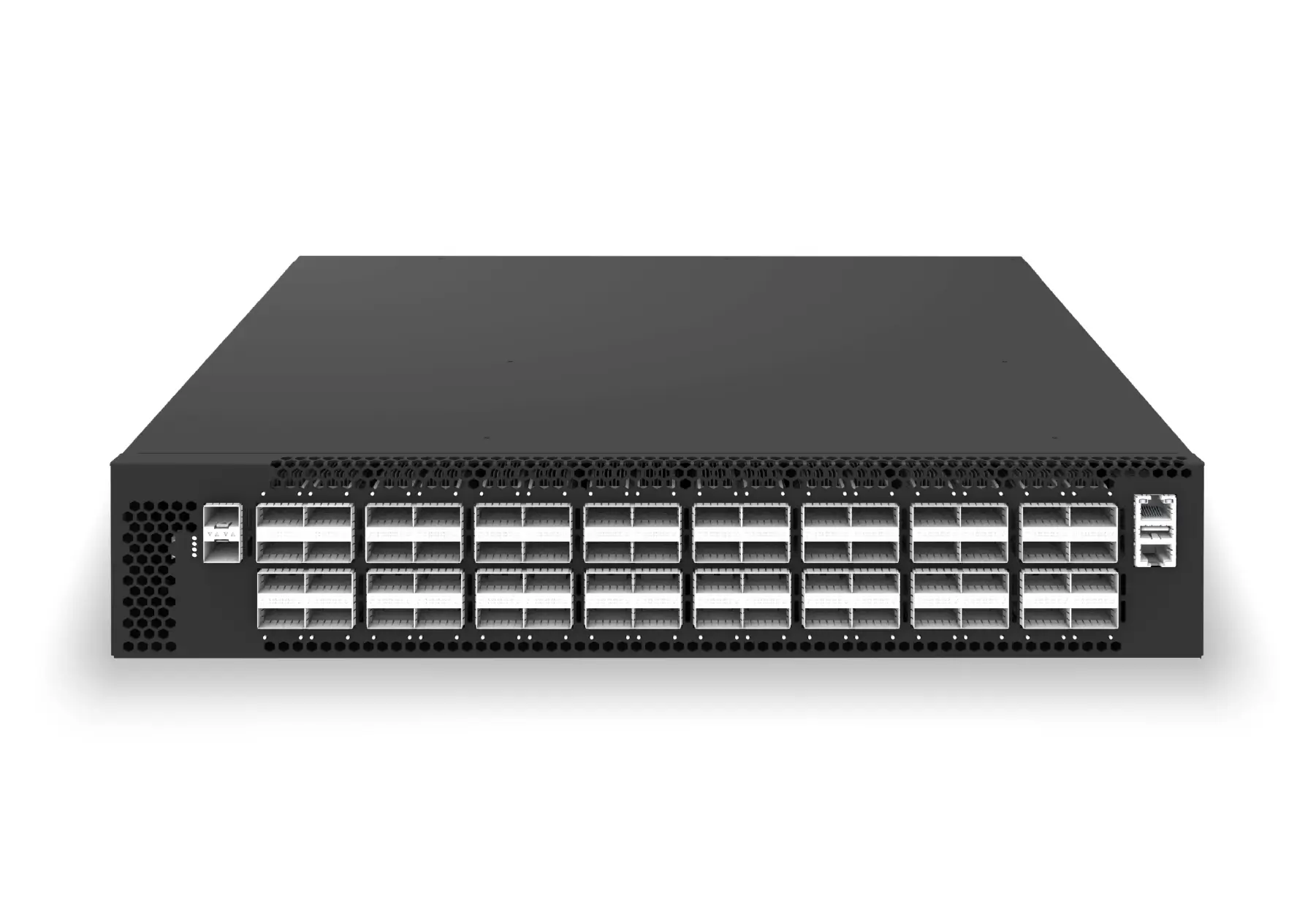 datacenter aiXS-DC-64X200-LS-G164-port 200G leaf/spine switch for high-bandwidth storage, compute, and scale-out data center fabrics.View product
Continue reading
Related articles
 Technical ArticleOpen Networking Support for Enterprise Buyers: How SONiC and Open NOS Models Actually WorkEngineering guidance on Open Networking Support for Enterprise Buyers for Australian campus teams, covering PoE budgets, access-layer resilience, migration risk.Read article
 Technical ArticleFrom Proprietary Lock-In to Open Networking: A Practical Enterprise SONiC Migration PlaybookA practical Enterprise SONiC migration playbook for Australian buyers moving from proprietary switch OS to open networking.Read article
 Technical ArticleWhy Centralized AI Fabric Management Is the Missing Layer in Open NetworkingEngineering guidance on Centralized AI Fabric Management Is the Missing Layer in Open Networking for Australian network teams, covering underlay design, EVPN-VXLAN.Read article