In brief
Engineering review of SONiC for industrial and SMB Ethernet switching, covering ASIC support, SAI, PoE, rugged form factors, management, and support.
Key takeaways
- The Software for Open Networking in the Cloud (SONiC) project, originally built to serve the largest cloud service providers, is steadily broadening its addressable market.
- Historically, SONiC adoption clustered around hyperscale data center operators who needed to manage thousands of leaf and spine switches at cloud scale.
- The question for industrial and SMB Ethernet switch buyers is whether the cost, flexibility, and multi-vendor advantages that SONiC brought to hyperscale operators now apply to smaller campus, branch, factory-floor, and retail network deployments.
What Happened: Open Networking Expands Beyond Hyperscale
The Software for Open Networking in the Cloud (SONiC) project, originally built to serve the largest cloud service providers, is steadily broadening its addressable market. SONiC is a free, open-source network operating system based on Linux that runs on switches from multiple vendors and multiple ASIC families. According to the SONiC Foundation, the platform decouples hardware from software through the Switch Abstraction Interface (SAI) and uses a containerized architecture that accelerates development cycles and simplifies upgrades.
Historically, SONiC adoption clustered around hyperscale data center operators who needed to manage thousands of leaf and spine switches at cloud scale. However, the Open Compute Project’s Networking Project explicitly targets disaggregated and fully open networking hardware and software, with a stated goal of enabling end users to forgo traditional closed and proprietary network switches in favor of a fully open network technology stack. This vision does not stop at the data center boundary.
The question for industrial and SMB Ethernet switch buyers is whether the cost, flexibility, and multi-vendor advantages that SONiC brought to hyperscale operators now apply to smaller campus, branch, factory-floor, and retail network deployments.
Why It Matters: The Vendor Lock-In Problem Is Not Just a Data Center Issue
Small and medium businesses, industrial facilities, and distributed enterprises face many of the same vendor lock-in pressures that drove hyperscale operators toward SONiC. Proprietary switching operating systems bind buyers to a single vendor’s software roadmap, licensing model, and support lifecycle. When an SMB or industrial operator deploys 10 to 50 switches across multiple sites, the cumulative cost of proprietary software licenses, vendor-specific training, and forced hardware refresh cycles can be significant.
SONiC’s core architecture directly addresses this problem. The platform uses standard Linux interfaces and tools, runs each network function in its own Docker container for fault isolation and simplified troubleshooting, and supports modern network programming paradigms. The SONiC Foundation’s GitHub repository confirms that the project is licensed under Apache License 2.0, which means any organization can adopt, modify, and deploy SONiC without licensing fees.
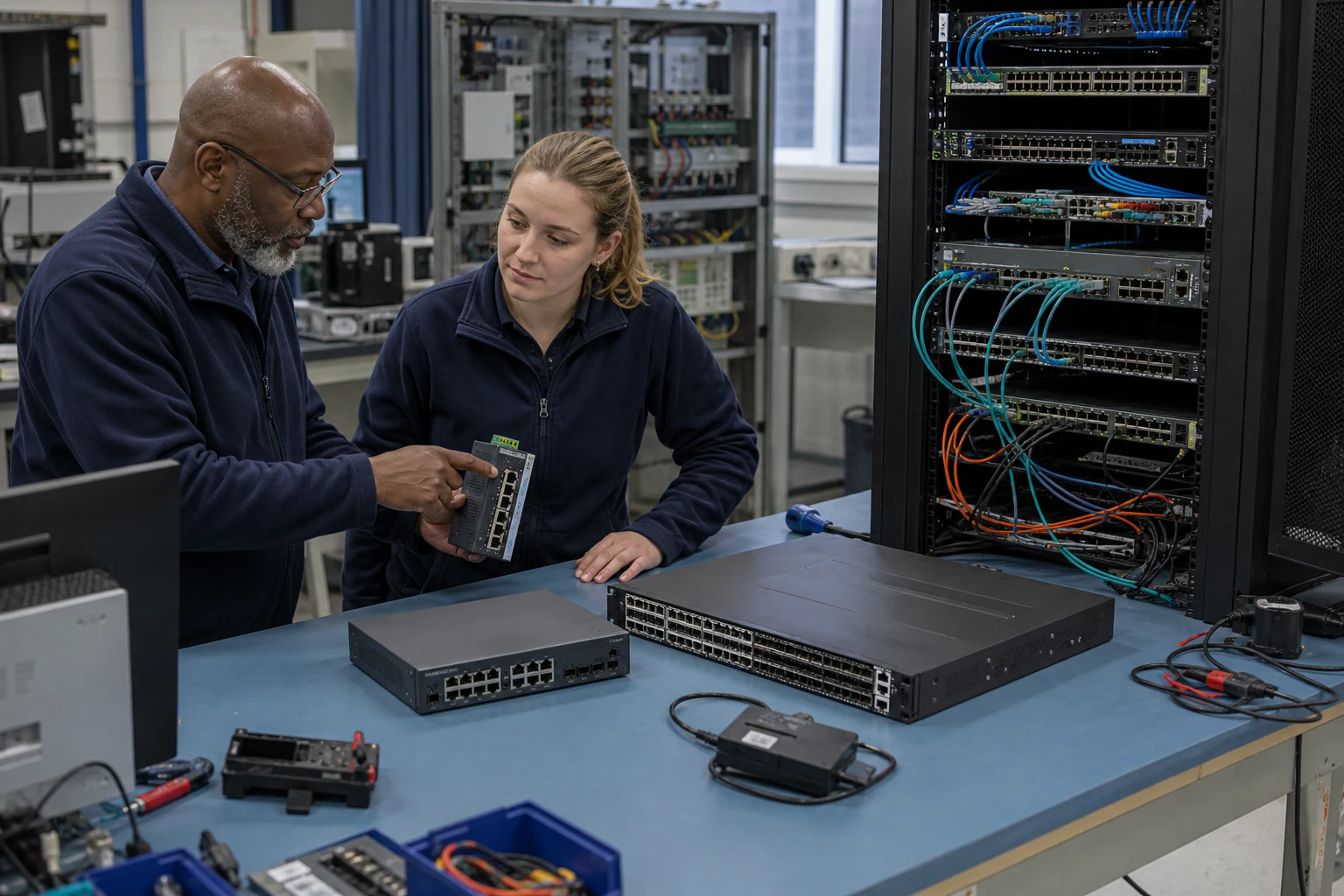
For industrial Ethernet switch buyers, the key differentiator is hardware-software disaggregation. A factory operator can select switching hardware that meets its environmental specifications (temperature range, vibration resistance, DIN-rail mounting) and pair it with SONiC rather than accepting whatever proprietary NOS the hardware vendor ships. This is the same architectural principle that disrupted data center switching, now applied at the edge of the network.
For SMB buyers, the appeal is cost reduction and operational simplicity. SONiC’s containerized design means individual network functions can be updated without touching the entire system, reducing downtime and the need for on-site technical expertise.
The Australian Context: Sovereign Infrastructure and Open Standards Momentum
Australia’s networking market has specific characteristics that make the industrial and SMB Ethernet switch discussion relevant. The OCP Podcast’s Episode 18 (January 2026) featured David Hirst, CEO of Macquarie Data Centres, discussing how Australia’s approach to AI infrastructure emphasizes sovereign control, local compliance, and long-term operator credibility over short-term capacity builds. Hirst noted that AI workloads are changing data center design from a real estate model to a chip-out-thinking model, and that local requirements, power challenges, and regulatory compliance create distinct advantages for operators who plan for the long term.
While Hirst’s comments focused on hyperscale data centers, the same sovereign infrastructure and compliance themes apply to Australian industrial and SMB networks. Australian businesses in manufacturing, mining, logistics, and retail increasingly need networking infrastructure that can be managed locally, audited for compliance, and refreshed on their own terms rather than a global vendor’s product lifecycle.
The OCP Networking Project’s scope explicitly includes operating systems, developer tools, REST APIs, fully automated configuration management, bare metal provisioning, and universal multi-form-factor switch motherboard hardware. This scope is not limited to hyperscale leaf and spine deployments. It encompasses the full range of switching form factors, including compact industrial switches and cost-optimized SMB access switches.
What the Source Evidence Shows: SONiC Ecosystem Breadth
The SONiC Foundation’s website lists premier members and contributing organizations that span the full networking supply chain, from ASIC vendors to switch OEMs to cloud operators. This ecosystem breadth is relevant because it means SONiC-compatible switching hardware is available across a wide range of form factors and price points, not just high-density data center platforms.
NVIDIA’s Ethernet switching portfolio illustrates this range. The NVIDIA Spectrum product family spans from the SN2000 series (with speeds up to 100 Gb/s, targeting hyperconverged infrastructure and software-defined storage) through the SN5000 and SN6000 series (designed for AI factory-scale deployments at 400 Gb/s and 800 Gb/s). NVIDIA explicitly offers Pure SONiC as a supported network operating system choice alongside Cumulus Linux, meaning SONiC is not locked to a single switch vendor or ASIC generation.
Broadcom’s Ethernet switch and switch fabric product line provides the ASIC layer that many industrial and SMB switch OEMs use. When combined with SAI as the abstraction layer, Broadcom-based switching silicon can run SONiC regardless of the physical switch form factor.
The OCP Podcast’s Episode 6 (August 2024) featured Prosoluce, a French ISP, discussing their journey to adopt open networking solutions. Episode 5 covered Madeo’s transition to OCP-compliant open networking hardware for enterprise customer solutions. Both episodes emphasized avoiding vendor lock-in, the importance of community support, and the operational benefits of standardized open networking stacks. These are not hyperscale operators. They are mid-market organizations that found value in disaggregated, open-architecture networking.
The ‘Link Street’ Question: Product Line or Market Segment?
The term ‘Link Street’ as applied to industrial and SMB Ethernet switches does not appear in any of the sourced SONiC Foundation, OCP, NVIDIA, Broadcom, or Marvell materials reviewed for this analysis. It is possible that ‘Link Street’ refers to a specific product line from a particular OEM, a distribution brand used in the Australian market, or a conceptual label for edge and campus networking.
xSONiC Buyer Angle: Where Open Networking Meets Campus and Edge
For xSONiC’s product direction, the expansion of SONiC into campus, branch, industrial, and SMB segments directly aligns with the Access and Aggregation Switches and Bare Metal Switches product categories. xSONiC’s campus refresh and PoE campus solution pillars address the same buyer problem that the SONiC ecosystem is beginning to solve at scale: how to deploy manageable, cost-effective switching infrastructure without surrendering control to a single vendor’s proprietary software stack.
Australian buyers evaluating campus or edge switching refresh have historically chosen between two models: proprietary integrated stacks from major vendors, or lower-cost unmanaged/semi-managed switches with limited programmability. SONiC’s movement into these segments offers a third path: open, programmable, multi-vendor switching with a Linux-based operating system that network teams can learn once and apply across data center, campus, and edge environments.
The xSONiC value proposition for this segment would need to address practical concerns that do not exist in the data center:
- PoE budget management for access points, IP cameras, and VoIP phones
- Compact and DIN-rail form factors for industrial enclosures
- Simplified management interfaces for SMB operators without dedicated network engineers
- Australian electrical safety and compliance certifications
- Local distribution and support channels
None of these operational details are confirmed in the sourced material. They represent the gap between SONiC’s current ecosystem maturity (strong in data center, growing in campus) and the specific requirements of industrial and SMB deployments in Australia.
What to Watch: Three Signals That Industrial and SMB SONiC Is Real
For Australian network buyers and xSONiC editorial planning, three observable signals would confirm that SONiC-based industrial and SMB switching has moved from concept to market reality:
-
Hardware availability: One or more switch OEMs announce SONiC-compatible industrial or SMB Ethernet switches with Australian distribution. This would include specific form factors (DIN-rail, compact desktop, PoE access) and not just repurposed data center leaf switches.
-
SAI ASIC support: The Switch Abstraction Interface layer extends to the low-cost switching ASICs typically used in industrial and SMB switches (for example, Marvell Link Street family silicon or Broadcom’s lower-tier switch fabrics). SAI is the critical abstraction that makes SONiC portable across ASIC families.
-
Management tooling: SONiC management platforms or cloud-based controllers that target campus and edge deployments, not just data center fabric orchestration. The OCP community’s NETCONF/YANG work and xSONiC’s AIDC Controller direction are relevant here.
None of these three signals are confirmed in the current source material. They represent the editorial watchlist for this topic.
What This Means for Australian Network Buyers
Australian SMB and industrial network buyers should not assume that SONiC-based switching is ready for their environment today. The ecosystem is moving in this direction, and the architectural advantages (hardware-software disaggregation, multi-vendor choice, Linux-based operations, Apache-licensed freedom) are real and well-documented at the data center tier.
However, the specific hardware, management, support, and compliance requirements for industrial and SMB deployments in Australia remain gaps that vendors and the open-source community must close before SONiC becomes a practical option at the edge.
For xSONiC editorial planning, the industrial and SMB Ethernet switch category represents a forward-looking topic cluster opportunity. The recommended content approach is a buyer education series that maps the SONiC value proposition to campus, branch, and industrial use cases, with clear disclosure of what is available now versus what is still emerging.
Industrial and SMB SONiC acceptance matrix
Industrial and SMB SONiC should be evaluated with stricter practical evidence than data centre SONiC. Edge sites usually have fewer network specialists, harsher physical conditions, and tighter replacement windows.
| Decision area | Evidence to capture | Reject or rework if |
|---|---|---|
| Hardware fit | Port count, ASIC family, SAI support, PoE budget, DIN-rail or compact mounting, temperature range, power input, and fanless/fan design | The NOS works on a lab switch but the hardware does not fit the site, enclosure, or power environment |
| Access functions | VLANs, ACLs, 802.1X/MAB, LLDP, DHCP relay, multicast, STP/MC-LAG, and PoE fault behaviour | The device can route packets but cannot support normal access-layer endpoint workflows |
| Management model | Local UI or controller, CLI, config backup, NETCONF/YANG or gNMI support, firmware upgrade, and remote recovery | The SMB or industrial operator needs data-centre-level Linux skill for routine changes |
| Compliance and support | Electrical certification, environmental rating, Australian distributor, spare stock, RMA path, and support hours | The device is inexpensive but cannot be replaced or supported quickly at a remote site |
| Security operations | Default credentials, role-based access, logging, NTP, certificate handling, segmentation, and audit export | The open NOS lowers licensing cost but increases unmanaged security exposure |
Industrial and SMB pilots should be sized around real constraints: 8 hours site-access windows, 24 hours replacement expectations, 30 days of environmental exposure, and a representative mix of PoE devices, uplinks and unmanaged endpoints. Open networking only helps smaller sites when the operating model is simpler than the lock-in it replaces.
Engineering FAQ
What should be tested before moving campus switching to SONiC or open networking? Test PoE behaviour, NAC integration, VLAN and policy design, STP or MC-LAG interaction, multicast, monitoring, upgrade rollback, and help-desk workflows. Campus readiness is an operations test, not only a forwarding test.
Where do campus refresh projects usually carry hidden risk? The risk often sits in closets: power budget, old cabling, undocumented uplinks, mixed endpoint types, voice devices, cameras, badge systems, and change windows. Those details should be inventoried before selecting switch models.
How should Australian campus teams structure a pilot? Choose one representative site or building, document endpoint classes, run PoE and failover tests, verify monitoring, train operations staff, and define rollback steps before expanding to the broader estate.
Related xSONiC Resources
Sources Reviewed
- OpenConfig gNMI Specification
- OpenConfig
- RFC 7950 - The YANG 1.1 Data Modeling Language
- RFC 6241 - Network Configuration Protocol (NETCONF)
- ACSC Essential Eight
- IEEE 802.11be Wireless LAN Standard
- IEEE 802.3bt Power over Ethernet
- SAI - Open Compute Project
- ONIE - Open Compute Project
- Open Compute Project Podcast - Macquarie Data Centres
- SONiC Project Documentation
- Broadcom Ethernet Switching
- Marvell Switching
- NVIDIA Ethernet Switching
- Open Compute Networking
- SONiC GitHub
- SONiC Foundation
Product fit
Products referenced for evaluation
These products are referenced for evaluation context in the article. Confirm workload, port, optics, software, interoperability, and support requirements against the exact deployment before procurement.
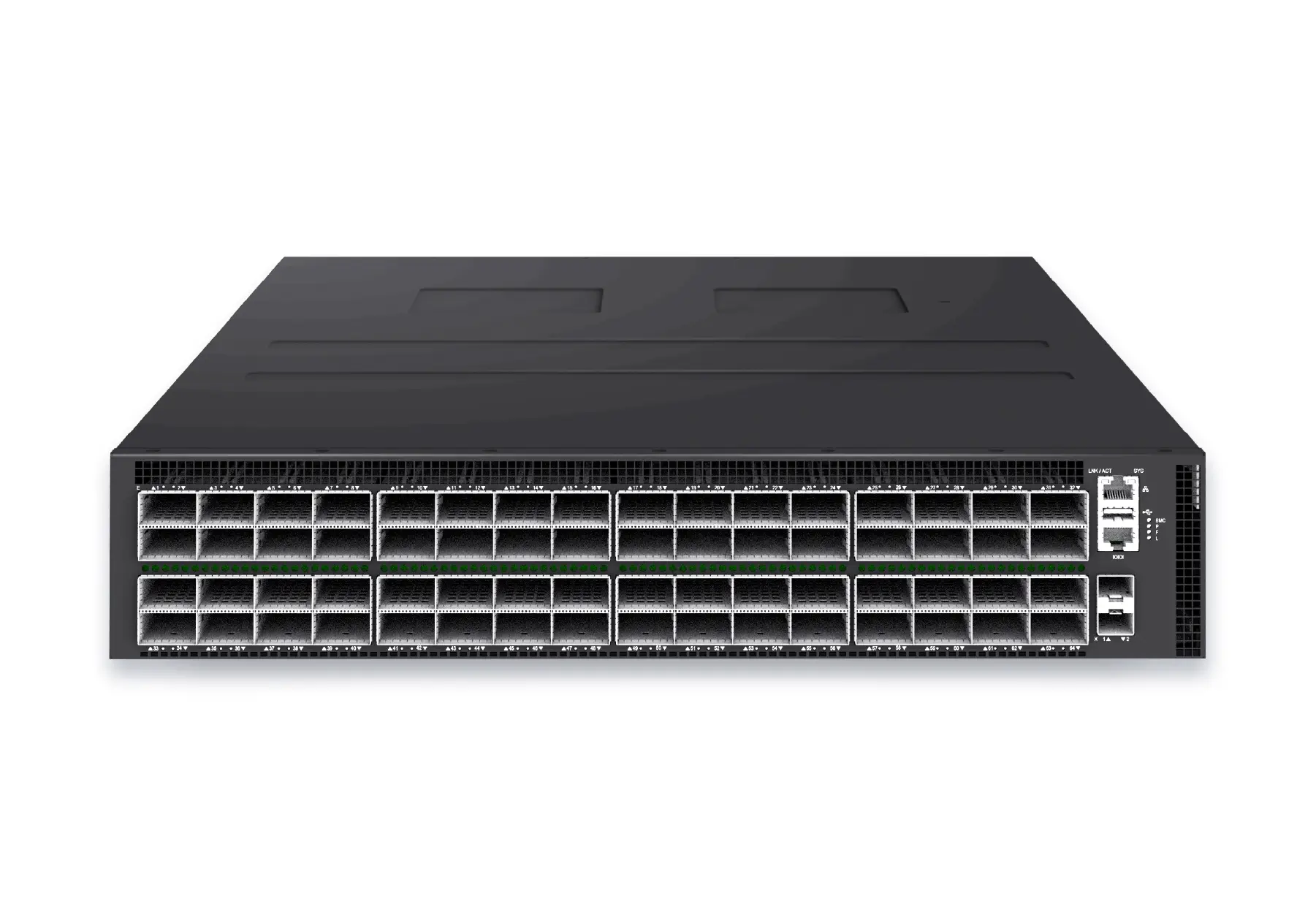 datacenter aiXS-DC-64X800-AI-G164-port 800G AI fabric switch for large-scale GPU clusters, HPC backbones, and ultra-high-throughput data center networks.View product
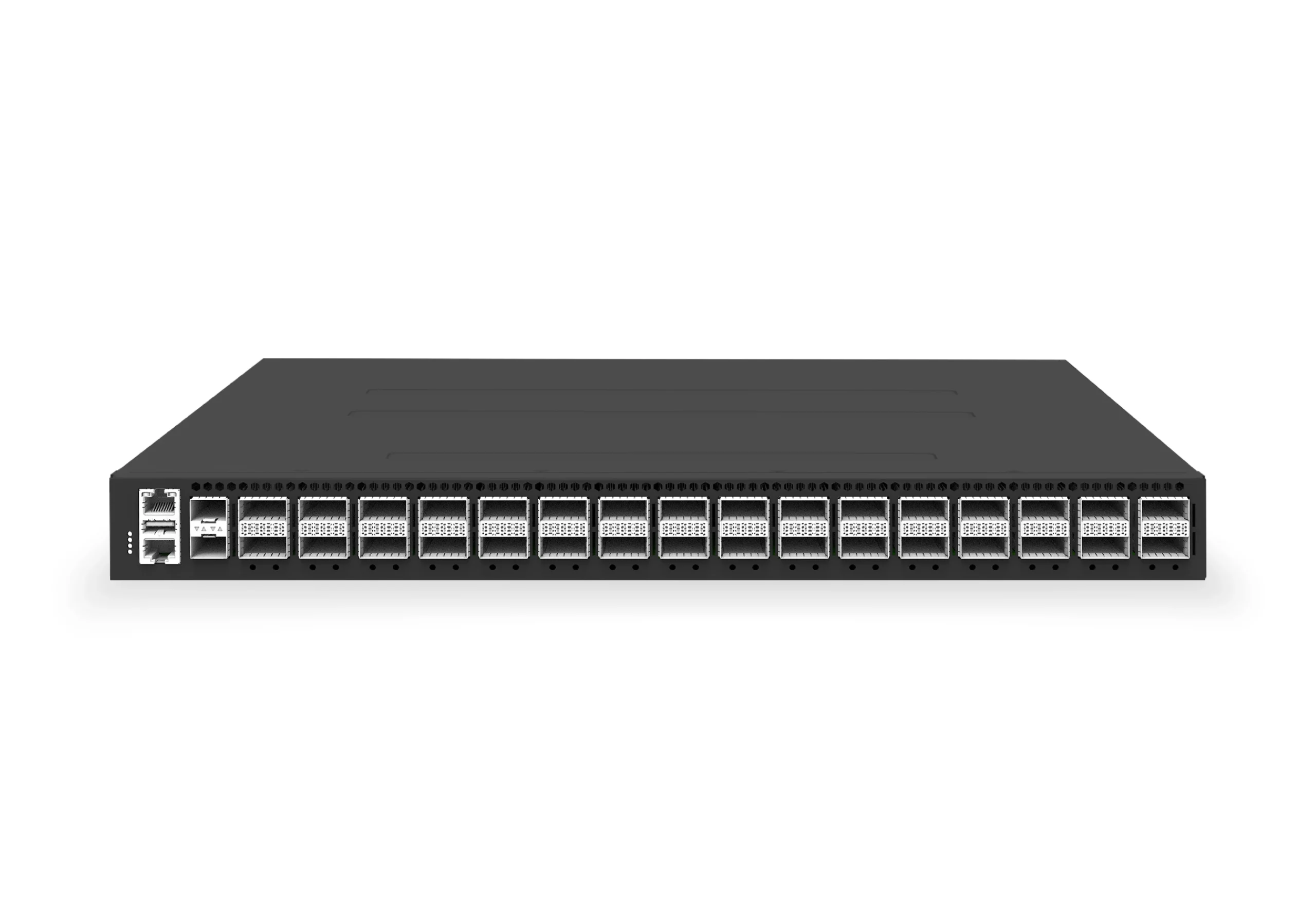 datacenter aiXS-DC-32X400-SP-G232-port 400G spine/core switch for high-capacity data center fabrics and AI-ready backbones.View product
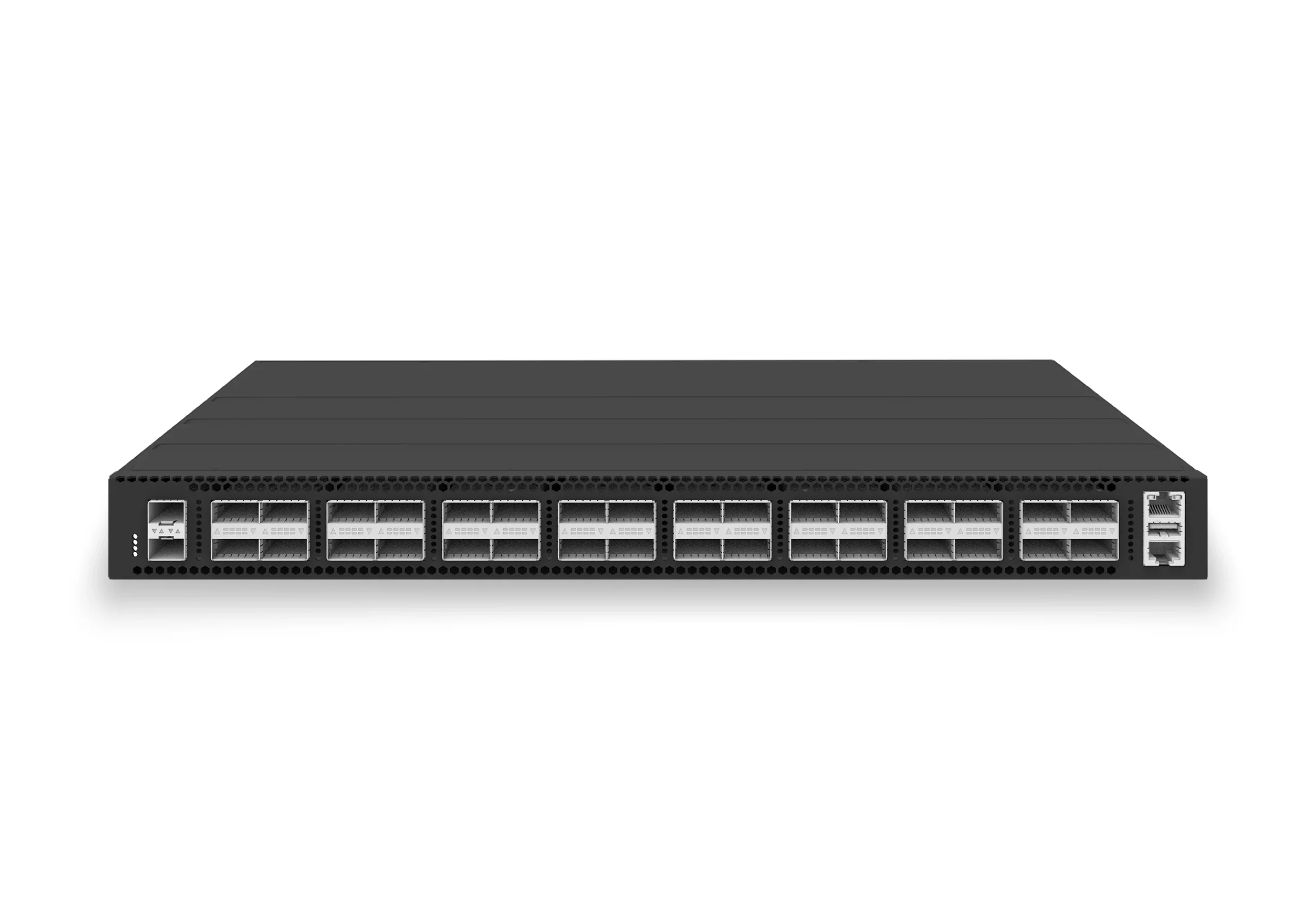 datacenter aiXS-DC-32X100-LS-G232-port 100G leaf/spine switch for VXLAN fabrics, RoCE-ready workloads, and tenant-scale routing.View product
Continue reading
Related articles
 Technical ArticleWhat Enterprise Buyers Actually Get From Open Networking Support: A SONiC Reality CheckA SONiC support reality check for Australian enterprise buyers covering community, commercial distribution, hardware, integration, SLA, and escalation.Read article
 Technical ArticleWarm Reboot and Fast Reboot in SONiC: How to Validate High Availability Without a Full OutageEngineering guide to validating SONiC warm reboot and fast reboot, covering ASIC support, control-plane recovery, traffic loss, telemetry, and rollback.Read article
 Technical ArticleSONiC Security Hardening: A Practical Guide for Data Center Network TeamsA practical SONiC security hardening guide for data center teams covering management access, patching, logging, RBAC, image provenance, telemetry, and audit evidence.Read article