In brief
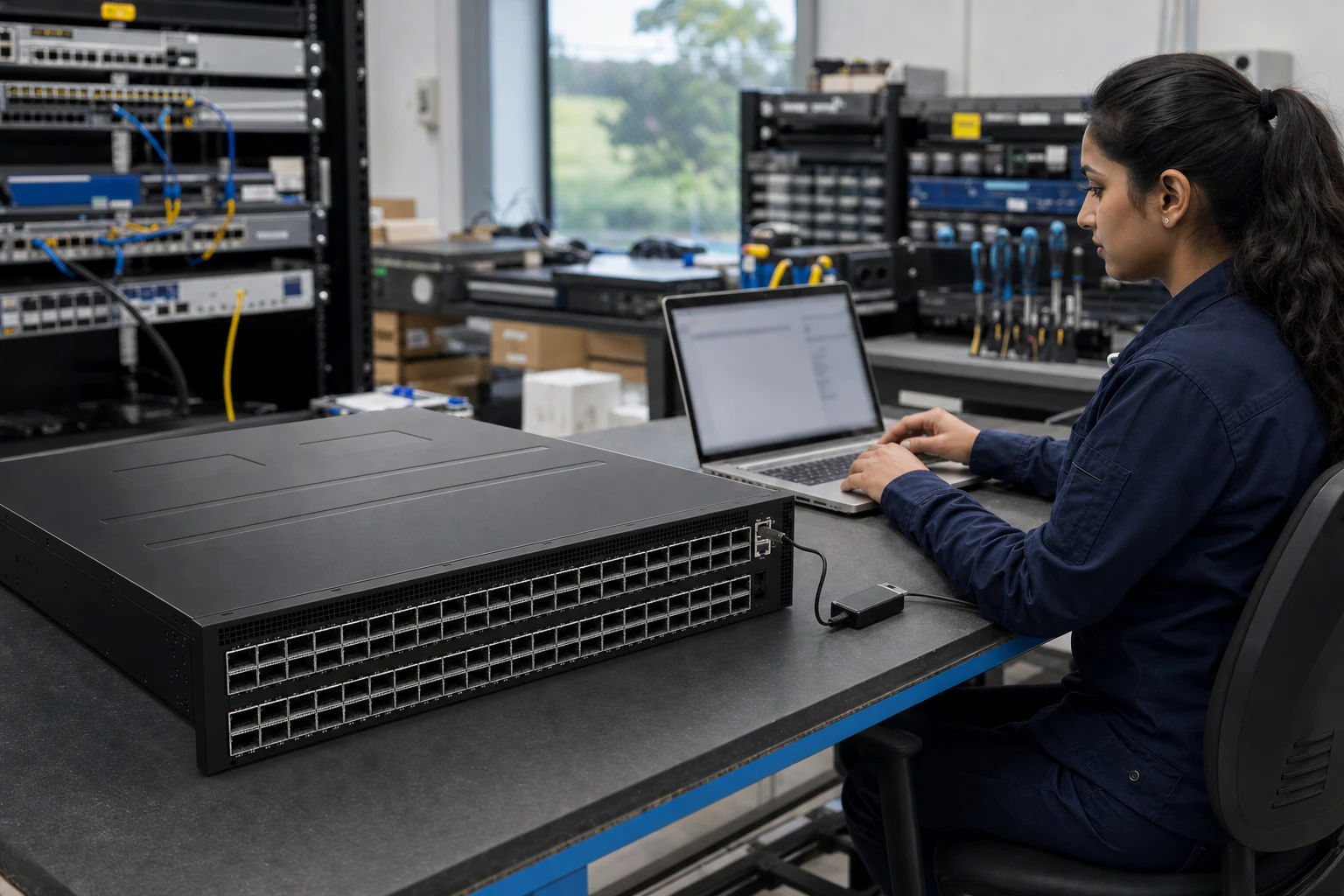
An engineering-led view of SONiC ecosystem maturity for Australian buyers in 2025, covering open NOS support, ASIC diversity, OCP projects, automation, and procurement risk.
Key takeaways
- SONiC, originally developed by Microsoft for Azure-scale data centers, is now a Linux Foundation project with a growing ecosystem of switch hardware vendors, ASIC suppliers, and cloud operators.
- On the hardware side, NVIDIA explicitly lists 'Pure SONiC' as a supported NOS across its Spectrum Ethernet switch portfolio, spanning the SN2000 through the new SN6000 series with co-packaged silicon photonics.
- The key ecosystem signal for buyers is not any single vendor's commitment but the breadth: SONiC's SAI (Switch Abstraction Interface) architecture means the same NOS can, in principle, run on switches built with Broadcom, Marvell, NVIDIA, and other merchant silicon.
What Happened: SONiC’s Ecosystem Breadth Is No Longer Just a Hyperscaler Story
SONiC, originally developed by Microsoft for Azure-scale data centers, is now a Linux Foundation project with a growing ecosystem of switch hardware vendors, ASIC suppliers, and cloud operators. The SONiC Foundation describes it as an open-source network operating system ‘based on Linux that runs on switches from multiple vendors and ASICs,’ offering ‘a full suite of network functionality, like BGP and RDMA, that has been production-hardened in the data centers of some of the largest cloud service providers.’
On the hardware side, NVIDIA explicitly lists ‘Pure SONiC’ as a supported NOS across its Spectrum Ethernet switch portfolio, spanning the SN2000 through the new SN6000 series with co-packaged silicon photonics. NVIDIA positions SONiC alongside Cumulus Linux as a choice for customers who want open networking on Spectrum ASICs. The SONiC GitHub repository (sonic-net/SONiC) shows active development with approximately 2,960 commits, 2.8k stars, and 1.3k forks, indicating sustained community engagement.
The key ecosystem signal for buyers is not any single vendor’s commitment but the breadth: SONiC’s SAI (Switch Abstraction Interface) architecture means the same NOS can, in principle, run on switches built with Broadcom, Marvell, NVIDIA, and other merchant silicon. This decoupling is what makes SONiC a category, not a product.
Why It Matters for Australian Buyers: Open NOS Is Moving Downmarket
For Australian data center operators, managed service providers, and enterprise network teams, the SONiC ecosystem evolution matters for three reasons:
1. Supply chain optionality. A SONiC-compatible switch portfolio means buyers are not locked to a single vendor’s hardware-plus-software stack. In an Australian market where lead times and import logistics can extend procurement cycles, the ability to source compatible bare-metal switches from multiple OCP-registered vendors is a practical advantage.
2. AI fabric readiness. SONiC’s production support for BGP, RDMA (RoCE), and EVPN-VXLAN makes it a credible NOS for AI/ML cluster back-end fabrics — not just traditional leaf-spine data center networks. NVIDIA’s Spectrum-X platform, which explicitly supports SONiC, is positioned for ‘hyperscale AI cloud networking.’ For Australian enterprises building private GPU inference clusters or colocating AI infrastructure, SONiC-based switching offers a path to 100G/400G/800G fabrics without proprietary NOS lock-in.
3. Cost structure shift. Open NOS changes the economics of network operations. When the software is free and the hardware is merchant silicon, the total cost equation shifts toward integration, automation skill, and support contracts rather than per-port licensing. This is particularly relevant for Australian organisations evaluating campus and data center refresh budgets.
However, buyers should note that SONiC’s maturity curve is uneven. Containerized architecture and SAI abstraction are proven at hyperscale, but enterprise-grade tooling, Australian-localised support, and operational documentation for non-cloud teams remain areas where the ecosystem is still developing. The SONiC Foundation’s own page lists ‘For Users’ and ‘For Developers’ as separate community tracks, signalling that operational maturity for mainstream enterprise buyers is a work in progress.
The Vendor Landscape: Who Is In the SONiC Ecosystem Today
Based on publicly accessible sources as of this analysis date, the SONiC ecosystem includes the following categories of participants. Note that specific vendor names beyond what is confirmed in source material are marked as requiring procurement validation.
| Ecosystem Layer | Confirmed from Sources | Status |
|---|---|---|
| NOS (SONiC itself) | Open source, Apache 2.0 license, Linux Foundation project | Confirmed via sonicfoundation.dev and github.com/sonic-net/SONiC |
| Switch ASIC / Silicon | NVIDIA Spectrum (all generations SN2000-SN6000) explicitly support SONiC | Confirmed via nvidia.com |
| Switch ASIC / Silicon | Broadcom — page returned minimal content; Enterprise SONiC Distribution trademark license exists in SONiC GitHub repo | Partially confirmed — human must verify current Broadcom SONiC ASIC support status |
The takeaway for buyers: the SONiC ecosystem is broad enough to support multi-vendor procurement strategies, but the specific vendor matrix for any given deployment speed, port count, and feature requirement needs to be confirmed against current compatibility lists.
The Australian Angle: What Is Missing from the Global Narrative
The global SONiC story is usually told from the perspective of hyperscale cloud operators. Australian buyers need a more practical filter. Most local enterprise teams are not trying to operate like Azure; they are trying to reduce lock-in, keep support accountable, meet compliance expectations, and refresh infrastructure without retraining every engineer on another proprietary switch OS.
Four local questions matter:
- Support jurisdiction. A global vendor logo does not automatically mean APAC escalation, local spares, or production response during Australian business-critical windows.
- Supply chain resilience. Multi-vendor SONiC only helps if the buyer has validated equivalent SKUs, optics, software images, and configuration portability before a shortage or EoL event.
- Operational skill fit. SONiC’s Linux and container model is attractive for teams with automation skills. It can be uncomfortable for teams that rely heavily on proprietary GUI workflows.
- Compliance evidence. Open source gives auditors more visibility into software provenance, but the buyer still needs patch cadence, CVE handling, logging, backup, and access-control evidence from the chosen supplier.
Ecosystem Maturity Matrix for Australian Buyers
The SONiC ecosystem is mature enough for serious procurement, but maturity is uneven by layer. Buyers should separate proven platform signals from areas that still require project-specific validation.
| Ecosystem Layer | 2025 Maturity Signal | Buyer Acceptance Evidence | Rework Trigger |
|---|---|---|---|
| Open NOS core | SONiC Foundation stewardship, Azure documentation, active GitHub project, Apache 2.0 license | Vendor names exact SONiC release, container versions, patch process, rollback method, and supported feature set | Proposal says “SONiC-based” without release, patch, or support details |
| Hardware abstraction | SAI separates NOS logic from ASIC-specific behaviour | Switch SKU, ASIC family, SAI dependency, tested BGP, ACL, QoS, telemetry, and optics matrix | Vendor cannot identify which features depend on ASIC SDK behaviour |
| Install and recovery | ONIE provides an open install environment for network switches | Buyer can reinstall image, recover config, and return switch to baseline after 3 reloads | Recovery requires undocumented vendor access or factory-only process |
| AI and data center fabric | BGP, RDMA/RoCE, 100G/400G/800G Ethernet, PFC, ECN, DCBX, telemetry | 24-48 hour pilot with traffic, link failure, queue counters, ECN marks, PFC counters, and rollback logs | Feature list exists but lossless behaviour cannot be demonstrated |
| Operations automation | JSON config, Linux tooling, gNMI/OpenConfig, NETCONF/YANG options depending on distribution | Golden config push, config backup, telemetry export, alert mapping, and incident runbook | Automation depends on manual CLI sequences that cannot be version controlled |
| Commercial support | Growing vendor ecosystem across silicon, OEMs, and service providers | Written 24x7 or business-critical SLA, APAC escalation, RMA process, 36-month and 60-month lifecycle map | Support boundary is unclear between hardware, NOS, optics, and automation |
This matrix prevents a common mistake: treating SONiC maturity as one number. The NOS core can be strong while a particular vendor’s telemetry packaging is weak. A switch ASIC can be excellent while the local support model is thin. A buyer should approve the full operating system, not only the software project.
Buyer Takeaway: Questions to Ask Before Committing to an Open NOS Strategy
For Australian network teams evaluating SONiC or any open NOS, the following questions are informed by the ecosystem analysis above:
-
Which ASIC vendors does my target switch hardware use, and is SONiC SAI support confirmed for that silicon? NVIDIA Spectrum support is explicit. Broadcom and Marvell status needs vendor confirmation for your specific ASIC generation.
-
What is the operational tooling story? SONiC uses JSON-based configuration and standard Linux interfaces, but enterprise-grade day-2 operations (monitoring, upgrade automation, rollback) depend on the vendor’s software layer or the buyer’s own tooling investment.
-
Who provides Level 3 support in my timezone? Open-source NOS means community support is available, but Australian enterprise SLAs typically require a named support provider with APAC coverage.
-
Does my use case match SONiC’s strengths? SONiC is production-proven for BGP-based data center fabrics and RDMA/AI back-end networks. It is less mature for campus edge, PoE, and WAN use cases, though the ecosystem is expanding.
-
What is the total cost model? Factor in hardware cost (merchant silicon vs. branded), software cost (open source vs. licensed), integration cost, and ongoing operations skill investment.
What This Means for xSONiC Buyers Specifically
xSONiC operates in the SONiC ecosystem as an open networking infrastructure brand offering data center AI switches, bare-metal switching hardware, and optical transceivers. For Australian buyers evaluating xSONiC products in the context of this ecosystem analysis:
-
xSONiC data center AI switches built on SONiC-aligned silicon benefit from the same SAI-driven hardware-software decoupling that makes the broader ecosystem viable for multi-vendor strategies.
-
xSONiC bare-metal switches are relevant for engineering-led teams that want to run SONiC (or other open NOS) on hardware they control, without proprietary software dependencies.
-
xSONiC optical transceivers (SFP28, QSFP28, QSFP-DD, OSFP) fill the physical layer gap in SONiC-based fabric deployments, where compatible, tested optics are a frequent procurement pain point.
The editorial position of this brief is that the SONiC ecosystem has crossed a maturity threshold where it is no longer speculative for enterprise data center buyers — but the operational and support story in Australia still requires local investment and vendor confirmation. xSONiC’s product portfolio maps directly to that buyer need.
Engineering FAQ
Is SONiC mature enough for enterprise procurement in Australia? For data center fabrics and AI-oriented Ethernet, yes, provided the buyer validates the selected distribution, switch SKU, support model, telemetry, and rollback process. The ecosystem is mature; individual proposals still need proof.
What is the difference between community SONiC and an enterprise SONiC offer? Community SONiC is the open project. An enterprise offer should add validated hardware, support ownership, tested images, lifecycle policy, security patch handling, monitoring integration, and escalation paths.
Which ecosystem layer carries the most procurement risk? Usually support boundary and operational packaging, not the SONiC code itself. Buyers should verify who owns incidents involving switch hardware, optics, SONiC containers, ASIC behaviour, and automation tooling.
How should xSONiC be evaluated against larger incumbent brands? Use the same acceptance matrix: tested switch SKU, SONiC release, feature evidence, telemetry, support workflow, optics policy, lifecycle cost, and pilot results. Brand size should not replace engineering proof.
Related xSONiC Resources
Sources Reviewed
- Ethernet Network Adapters - ConnectX NICs | NVIDIA
- NVIDIA BlueField Data Processing Unit
- NVIDIA Spectrum-X Ethernet Platform
- OCP SONiC Community
- Open Network Install Environment (ONIE)
- Switch Abstraction Interface (SAI)
- OpenConfig gNMI Specification
- RFC 6241 - Network Configuration Protocol (NETCONF)
- RFC 7950 - The YANG 1.1 Data Modeling Language
- SONiC Project Documentation
- NVIDIA Ethernet Switching
- Open Compute Networking
- SONiC GitHub
- SONiC Foundation
Product fit
Products referenced for evaluation
These products are referenced for evaluation context in the article. Confirm workload, port, optics, software, interoperability, and support requirements against the exact deployment before procurement.
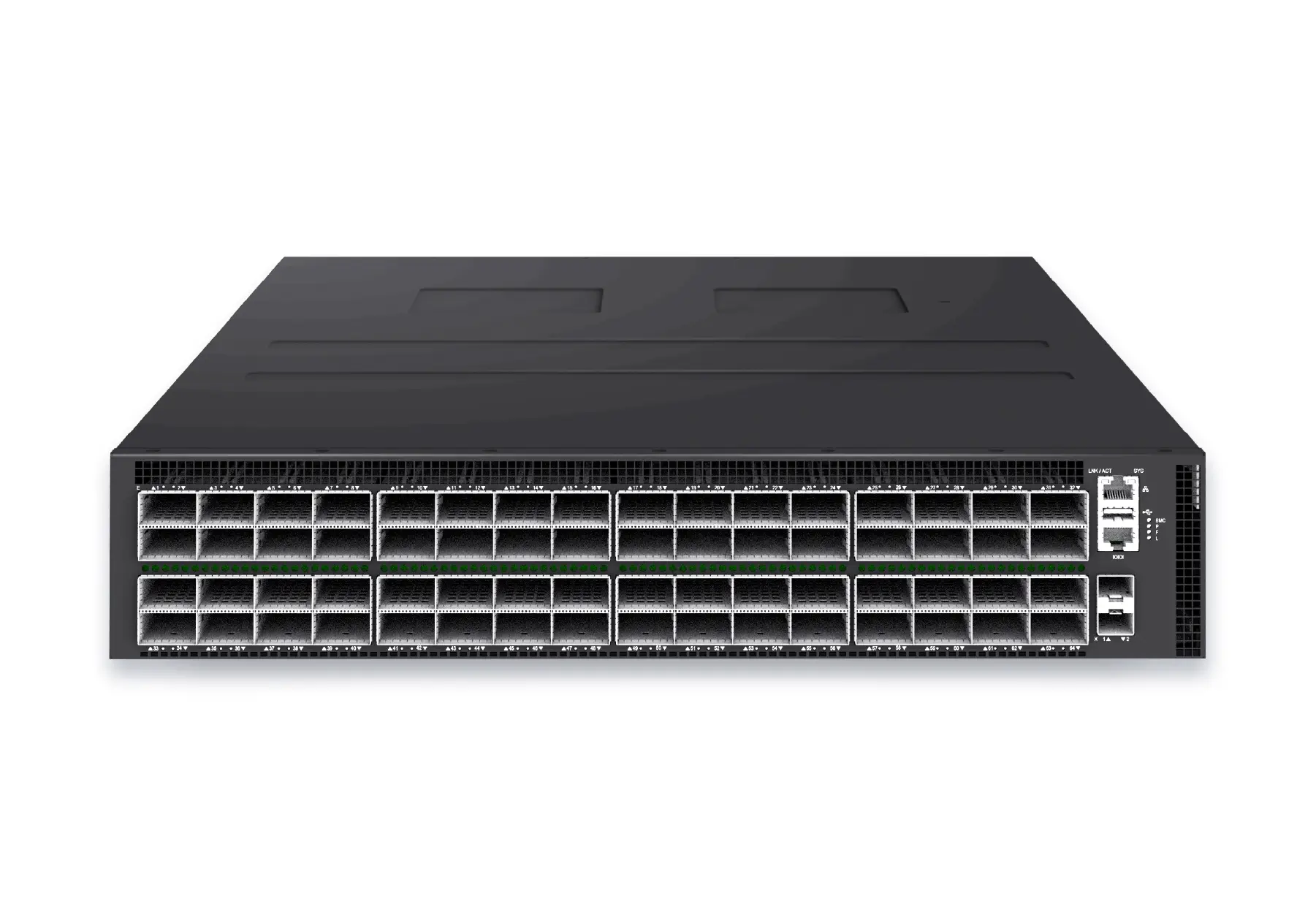 datacenter aiXS-DC-64X800-AI-G164-port 800G AI fabric switch for large-scale GPU clusters, HPC backbones, and ultra-high-throughput data center networks.View product
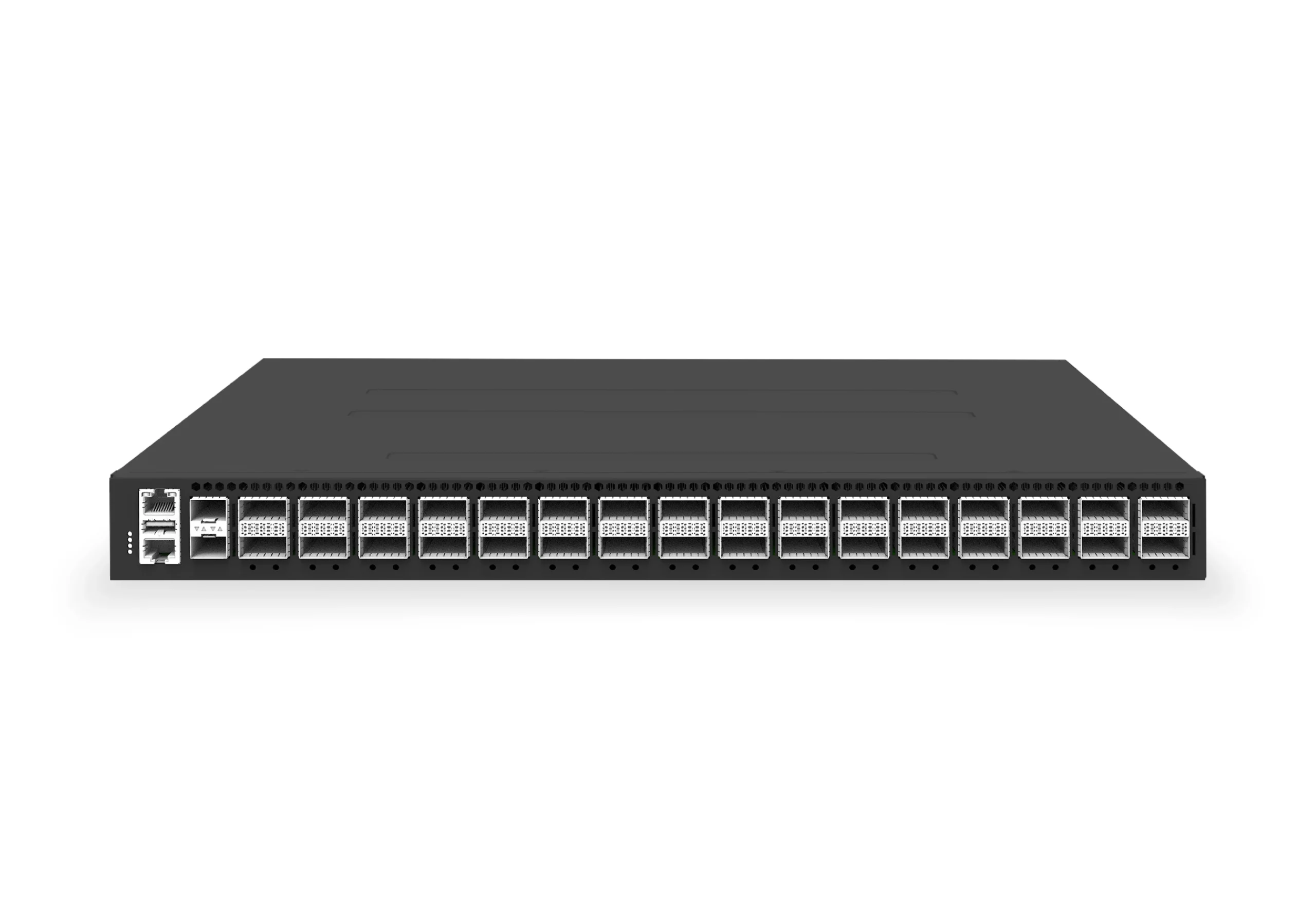 datacenter aiXS-DC-32X400-SP-G232-port 400G spine/core switch for high-capacity data center fabrics and AI-ready backbones.View product
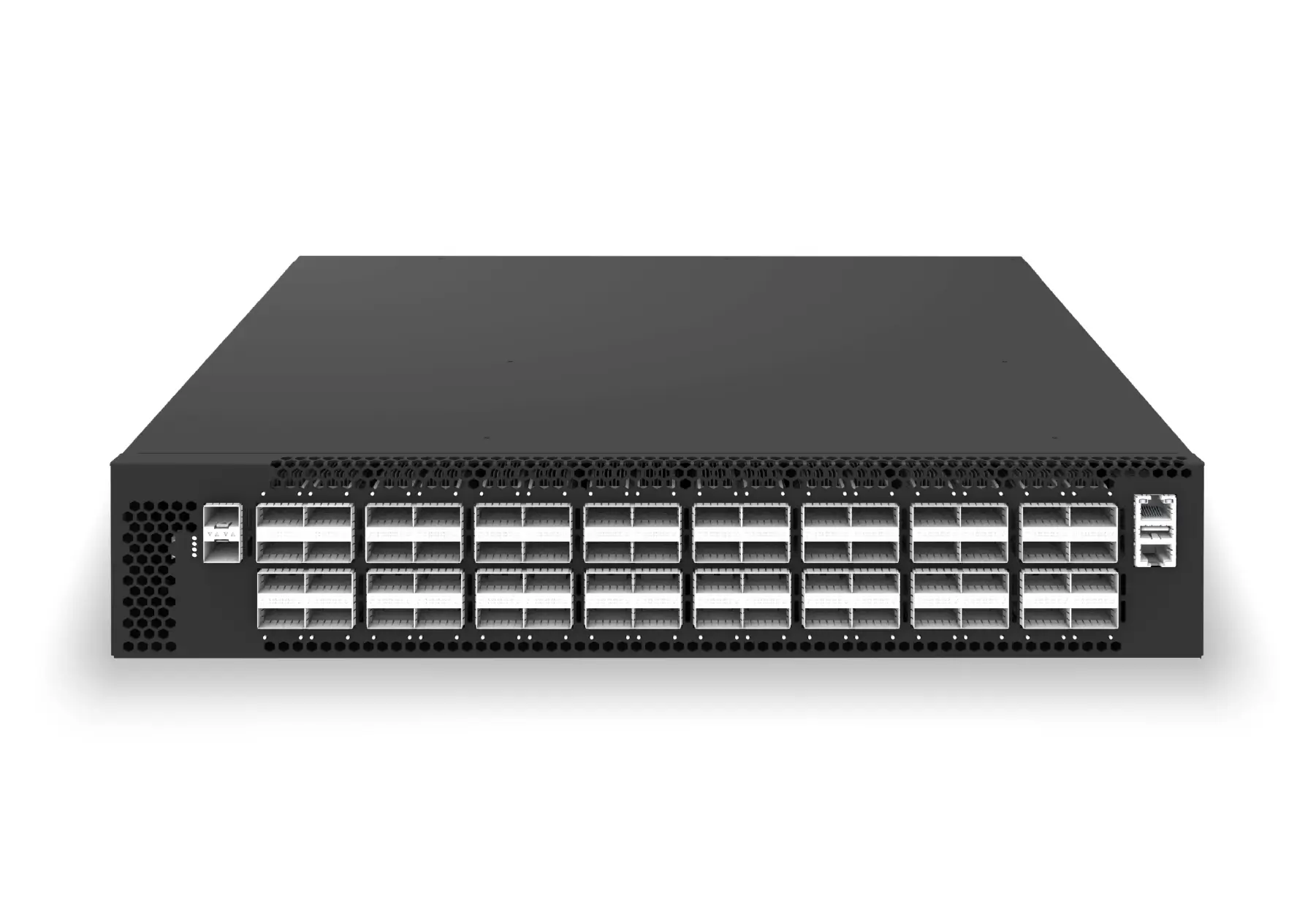 datacenter aiXS-DC-64X200-LS-G164-port 200G leaf/spine switch for high-bandwidth storage, compute, and scale-out data center fabrics.View product
Continue reading
Related articles
 Technical ArticleWhat Enterprise Buyers Actually Get From Open Networking Support: A SONiC Reality CheckA SONiC support reality check for Australian enterprise buyers covering community, commercial distribution, hardware, integration, SLA, and escalation.Read article
 Technical ArticleWarm Reboot and Fast Reboot in SONiC: How to Validate High Availability Without a Full OutageEngineering guide to validating SONiC warm reboot and fast reboot, covering ASIC support, control-plane recovery, traffic loss, telemetry, and rollback.Read article
 Technical ArticleSONiC Security Hardening: A Practical Guide for Data Center Network TeamsA practical SONiC security hardening guide for data center teams covering management access, patching, logging, RBAC, image provenance, telemetry, and audit evidence.Read article