In brief
Engineering guidance on RoCE RDMA and Lossless Ethernet Fabric Design for Australian AI fabric teams, covering RoCE validation, congestion control, telemetry, optics.
Key takeaways
- AI training and inference clusters demand low-latency, high-bandwidth communication between GPUs.
- The appeal is straightforward: Ethernet is familiar, broadly supported, and cost-effective compared to proprietary high-performance interconnects.
- Standard Ethernet is a lossy protocol. When a switch buffer fills, it drops packets, and TCP retransmits them.
Why RoCE RDMA Has Become the Default AI Cluster Interconnect
AI training and inference clusters demand low-latency, high-bandwidth communication between GPUs. RDMA (Remote Direct Memory Access) allows one server’s GPU to read or write directly into another server’s memory without involving the CPU or operating system kernel, cutting latency by microseconds compared to traditional TCP/IP stacks. RoCE v2 (RDMA over Converged Ethernet version 2) carries these RDMA operations over standard UDP/IP on Ethernet, which means organizations can build GPU backend fabrics on the same Ethernet infrastructure they already manage.
The appeal is straightforward: Ethernet is familiar, broadly supported, and cost-effective compared to proprietary high-performance interconnects. For AI workloads that require collective operations such as AllReduce, AllGather, and parameter server synchronization across hundreds or thousands of GPUs, the difference between a well-designed RoCE fabric and a misconfigured one can mean hours added to model training runs.
The Lossless Ethernet Problem: Why AI Fabrics Are Not Just Fast Pipes
Standard Ethernet is a lossy protocol. When a switch buffer fills, it drops packets, and TCP retransmits them. That works fine for web traffic but is catastrophic for RDMA. If an RoCE v2 packet is dropped, the RDMA transport layer cannot simply retransmit like TCP. A dropped RDMA packet typically causes the entire queue pair to stall, which can cascade across the GPU cluster and stall a training job.
This is why AI fabric design revolves around making Ethernet lossless or near-lossless. The primary mechanisms are:
-
Priority Flow Control (PFC): Defined in IEEE 802.1Qbb, PFC allows a switch to send a PAUSE frame on a specific traffic class (priority) when its buffer is filling. The upstream device stops sending on that class while other classes continue. This creates per-priority flow control rather than halting all traffic on a link.
-
Explicit Congestion Notification (ECN): Defined in RFC 3168 and extended for RoCE in DCQCN (Data Center Quantized Congestion Notification), ECN marks packets as they pass through a congested switch. The receiver sends a Congestion Notification Packet (CNP) back to the sender, which then reduces its injection rate. This is a proactive congestion avoidance approach.
-
Data Center Bridging Capability Exchange (DCBX): A protocol that negotiates and distributes lossless Ethernet configuration (PFC settings, ECN thresholds, ETS bandwidth allocation) between directly connected devices, ensuring consistent QoS policy across the fabric.
The operational challenge is that these mechanisms interact in subtle ways. PFC without proper buffer management can cause PFC storms, where PAUSE frames propagate upstream and lock up large portions of the fabric. ECN without correct threshold tuning can either react too slowly (allowing drops) or too aggressively (unnecessarily throttling throughput). DCBX misconfiguration between different vendor equipment can result in inconsistent lossless behavior across a multi-vendor fabric.
Fabric Topology Choices: Rail-Optimized vs. Traditional Leaf-Spine for GPU Backends
The topology of an AI backend fabric matters more than in general-purpose data centers. Traditional leaf-spine designs work well for east-west traffic patterns with many-to-many communication, but GPU clusters have distinctive traffic characteristics:
- GPU servers typically have multiple NICs (one per GPU or one per group of GPUs), each on a separate rail.
- AllReduce and similar collective operations generate concentrated all-to-all traffic within groups of GPUs that are training the same model.
- Traffic patterns are predictable and bandwidth-intensive during training, then largely idle between training iterations or job scheduling.
Rail-optimized (sometimes called rail-only or disaggregated) fabric designs address this by connecting each GPU rail to a separate leaf switch tier, with a superspine tier providing cross-rail connectivity only when needed. This reduces the number of switch hops for intra-rail traffic (the dominant pattern during collective operations) and simplifies buffer management since traffic paths are more predictable.
For AI fabric buyers in Australia, topology choice has practical implications for rack layout, cabling density, optics procurement, and operational complexity. A 400G rail-optimized fabric for a 1,000-GPU cluster will require specific port count planning, breakout optics, and potentially different leaf switch SKUs than a general-purpose data center deployment.
Congestion Management: Where Open Networking Can Differentiate
The buyer risk in this approach is lock-in. When congestion management is tightly coupled to a proprietary NOS and fabric controller, the buyer loses negotiating leverage on pricing, support, and roadmap. Migration between vendors requires retraining operations teams, revalidating QoS behavior, and potentially redesigning fabric topology.
Open networking based on Enterprise SONiC or similar open NOS platforms offers an alternative path. The key congestion management features that matter for RoCE v2 AI fabrics include:
- DCBX with consistent PFC and ECN configuration distribution
- ECN/WRED threshold tuning with DCQCN-compatible CNP handling
- Fast CNP response to minimize the time between congestion detection and sender rate reduction
- In-band telemetry (INT) for per-hop latency and queue depth visibility across the fabric
- Per-priority buffer allocation and headroom management to prevent PFC storms
An open networking approach that delivers these features on standard hardware gives the buyer control over their fabric stack without sacrificing the congestion management behavior that AI workloads demand.
Optics and Cabling: The Hidden Cost Driver in AI Fabric Builds
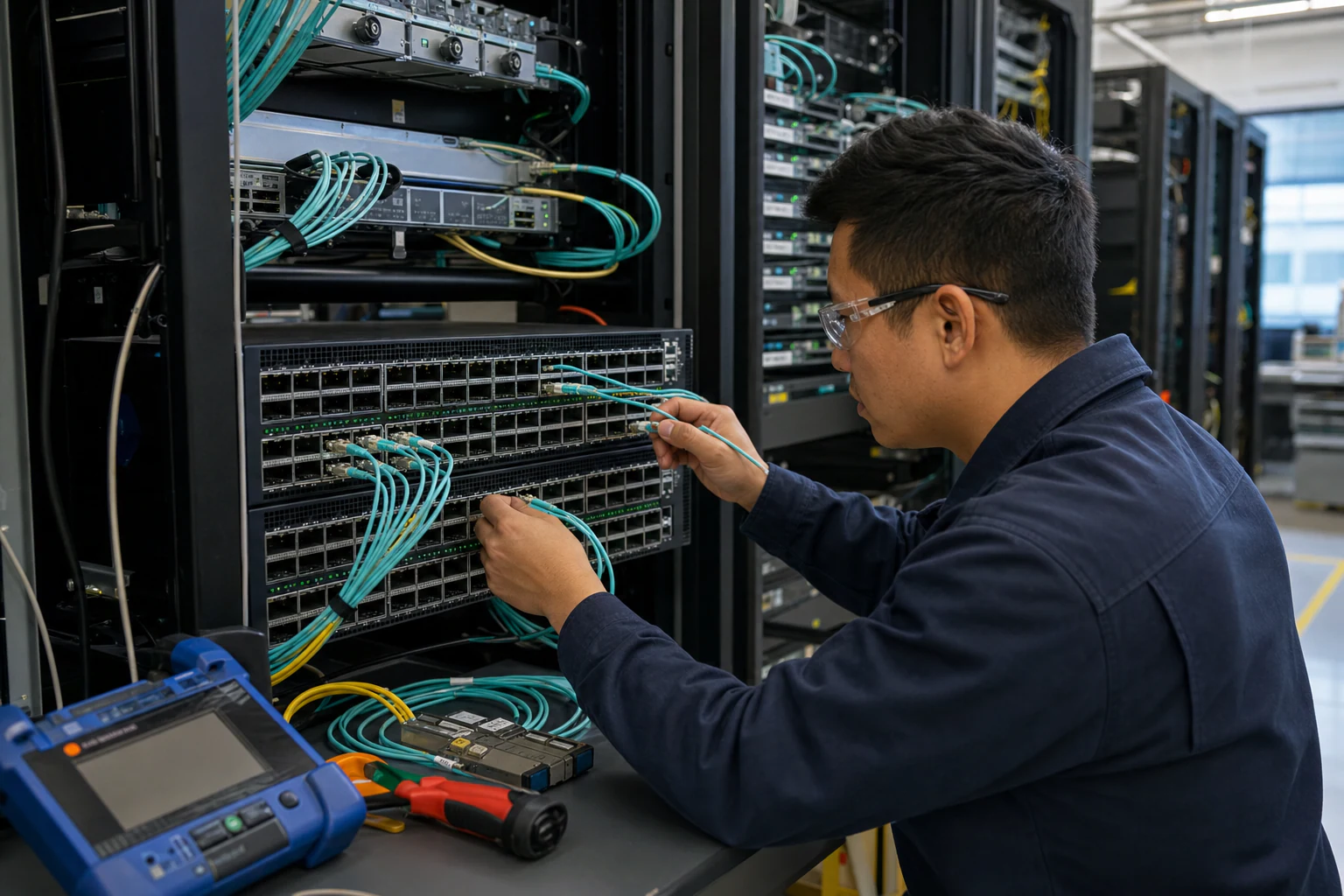
AI fabric optics procurement is a significant but often underestimated cost component. A 400G rail-optimized fabric for a moderately sized GPU cluster can require hundreds of QSFP-DD or OSFP transceivers, plus DAC (Direct Attach Copper) for short in-rack links and AOC (Active Optical Cable) or breakout optics for inter-rack connections.
Key optics decisions for AI fabric builders include:
| Link Type | Typical Distance | Common Optics | Buyer Consideration |
|---|---|---|---|
| In-rack GPU to leaf | 1-3 meters | DAC or AOC | Lowest cost; verify 400G DAC quality and length limits |
| Leaf to superspine | 10-100 meters | SR4/SR8 or AOC | Multi-mode fiber infrastructure required |
| Cross-building or long-haul | 100m-10km | LR4/LR8 or ER4 | Single-mode fiber; higher per-link cost |
For Australian buyers, import logistics, local stock availability, and warranty support for optics can materially affect deployment timelines. Open networking optics sourcing from multiple vendors avoids the markup that comes with OEM-locked transceivers.
Telemetry and Observability: Seeing Inside the Fabric During AI Training
When a GPU training job slows down, the root cause is often in the network. Per-hop latency spikes, microbursts that overflow switch buffers, or asymmetric link utilization can all degrade collective operation performance without triggering traditional SNMP-based monitoring alerts.
Modern AI fabric design requires deeper visibility:
- In-band Network Telemetry (INT): Embeds metadata (switch ID, ingress/egress port, queue depth, latency) into packet headers as they traverse each switch. This gives per-flow, per-hop visibility without relying on sampling.
- IPTPath Telemetry: Provides end-to-end path tracing for troubleshooting connectivity and performance issues across the fabric.
- Streaming telemetry with gNMI/gRPC: Replaces polling-based SNMP with push-based streaming of counters, queue depths, and congestion events at sub-second granularity.
For AI cluster operators, this telemetry data feeds directly into job scheduling decisions. If the fabric is showing congestion on certain paths, the scheduler can route the next training job to GPUs connected through less-congested leaf switches.
Engineering FAQ
What should be validated before treating Ethernet as ready for AI fabric workloads? Validate RoCE v2 end to end, including PFC, ECN, DCBX, queue behaviour, NIC firmware, switch ASIC support, optics, and telemetry. A lab result should include congestion tests, failure tests, and recovery behaviour, not only a throughput screenshot.
Which evidence matters more than headline port speed? The useful evidence is the tested combination of switch SKU, SONiC image, ASIC/SAI version, NIC, optics, cable plant, and workload profile. 400G or 800G labels are not enough unless the fabric can sustain the intended collective traffic pattern.
How should Australian teams reduce deployment risk? Run a proof of concept using the real GPU node class, optics type, cabling distance, monitoring stack, and support workflow. The acceptance report should name owners for NOS defects, ASIC issues, optics faults, and escalation during Australian operating hours.
Related xSONiC Resources
Sources Reviewed
- Ethernet Network Adapters - ConnectX NICs | NVIDIA
- NVIDIA BlueField Data Processing Unit
- NVIDIA Spectrum-X Ethernet Platform
- OpenConfig gNMI Specification
- OpenConfig
- RFC 7950 - The YANG 1.1 Data Modeling Language
- RFC 6241 - Network Configuration Protocol (NETCONF)
- SONiC Project Documentation
- Broadcom Ethernet Switching
- Marvell Switching
- NVIDIA Ethernet Switching
- Open Compute Networking
- SONiC GitHub
- SONiC Foundation
Product fit
Products referenced for evaluation
These products are referenced for evaluation context in the article. Confirm workload, port, optics, software, interoperability, and support requirements against the exact deployment before procurement.
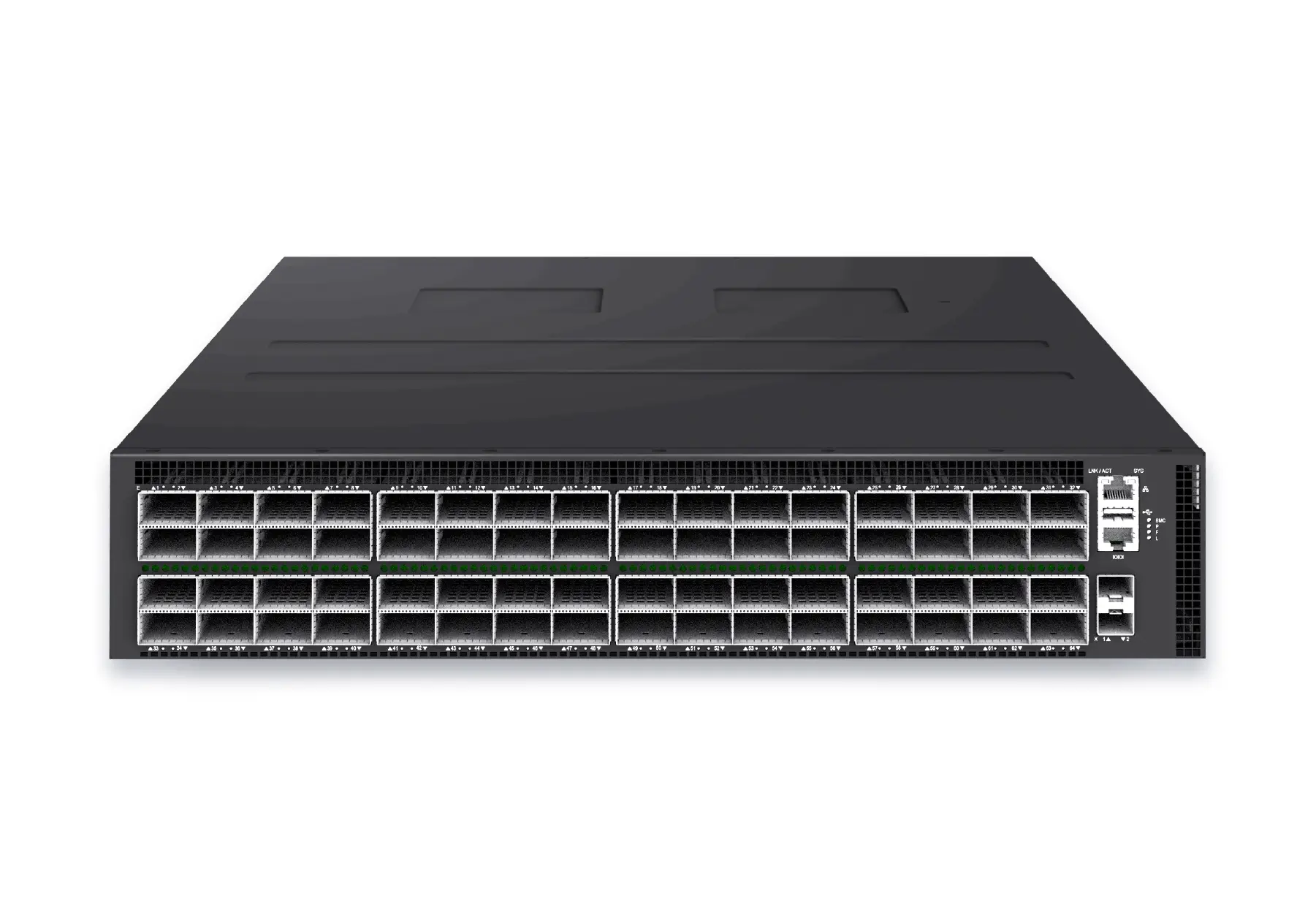 datacenter aiXS-DC-64X800-AI-G164-port 800G AI fabric switch for large-scale GPU clusters, HPC backbones, and ultra-high-throughput data center networks.View product
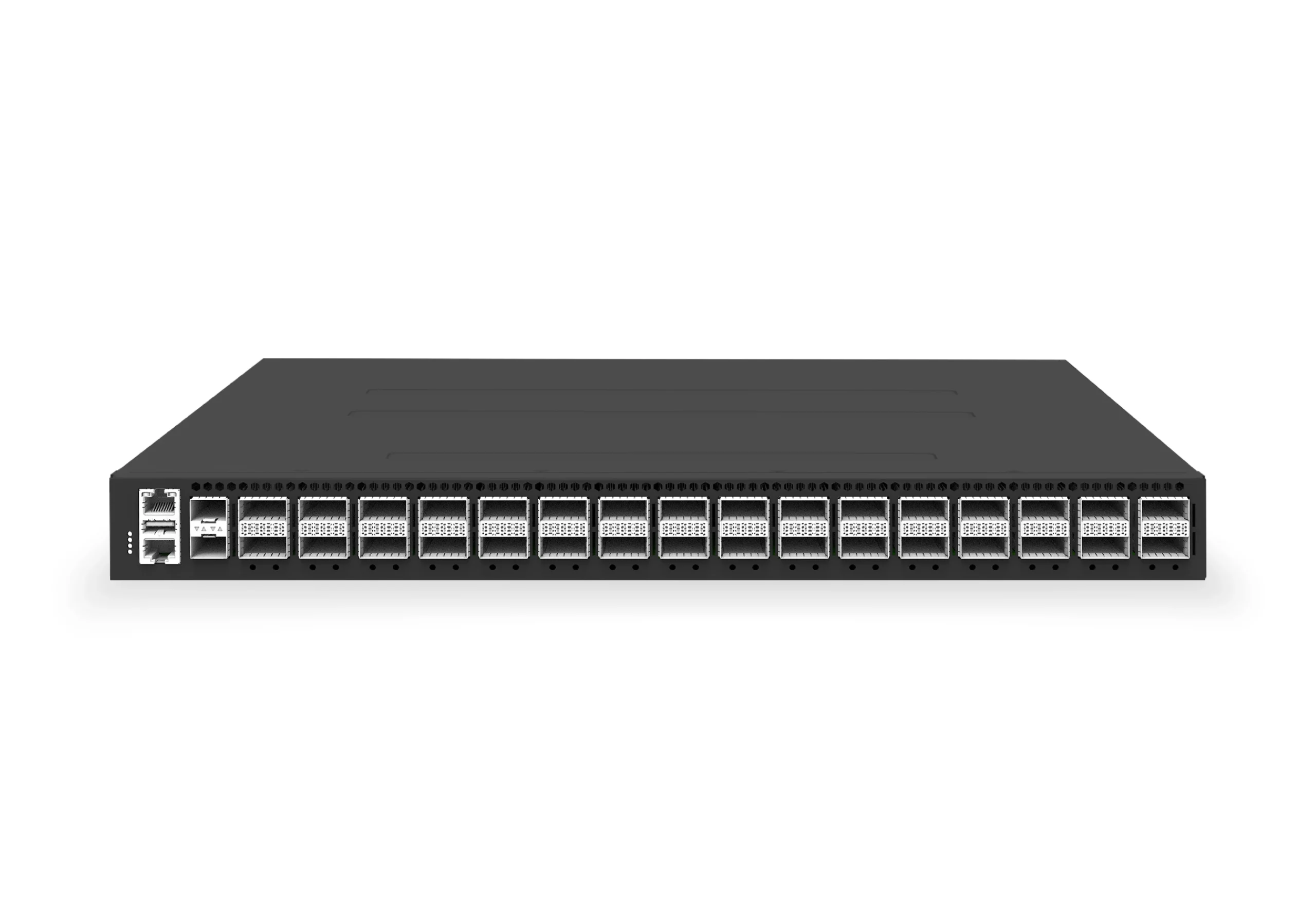 datacenter aiXS-DC-32X400-SP-G232-port 400G spine/core switch for high-capacity data center fabrics and AI-ready backbones.View product
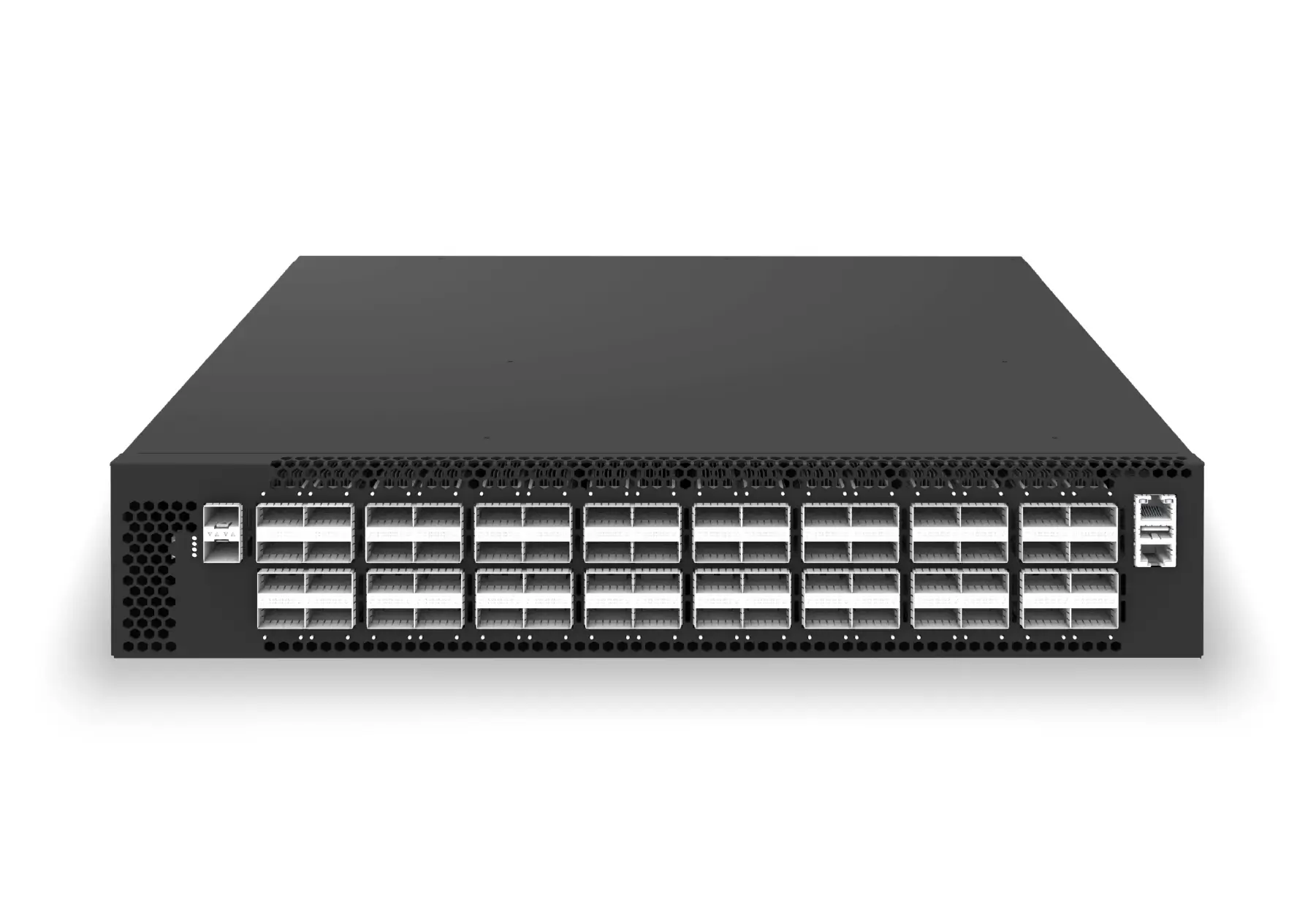 datacenter aiXS-DC-64X200-LS-G164-port 200G leaf/spine switch for high-bandwidth storage, compute, and scale-out data center fabrics.View product
Continue reading
Related articles
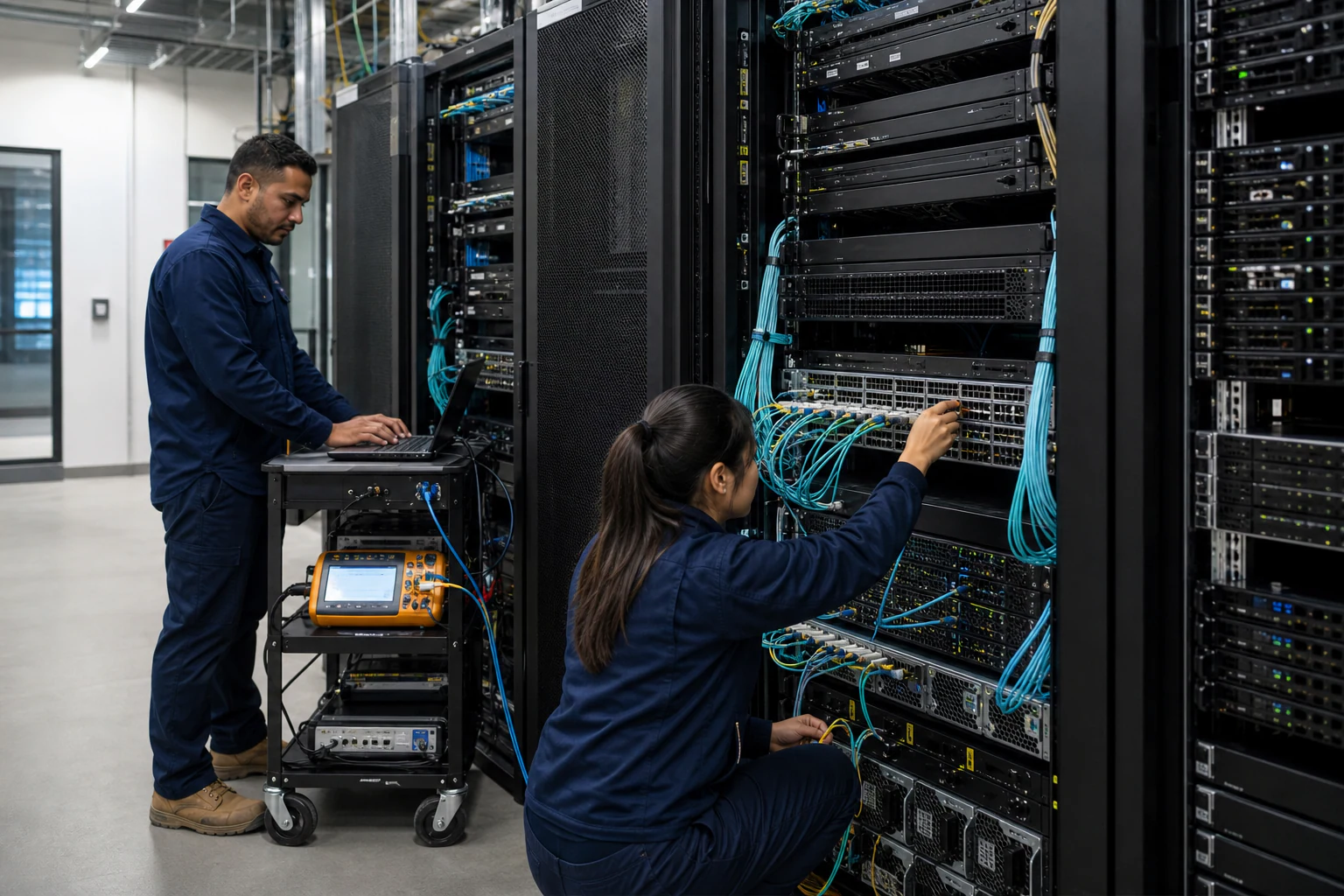 Technical ArticleHow SONiC-Powered 400G and 800G Switches Change AI Data Center Fabric Design in AustraliaEngineering guide for 400G and 800G optics planning covering form factor, reach, telemetry, thermal limits, supply risk, and validation.Read article
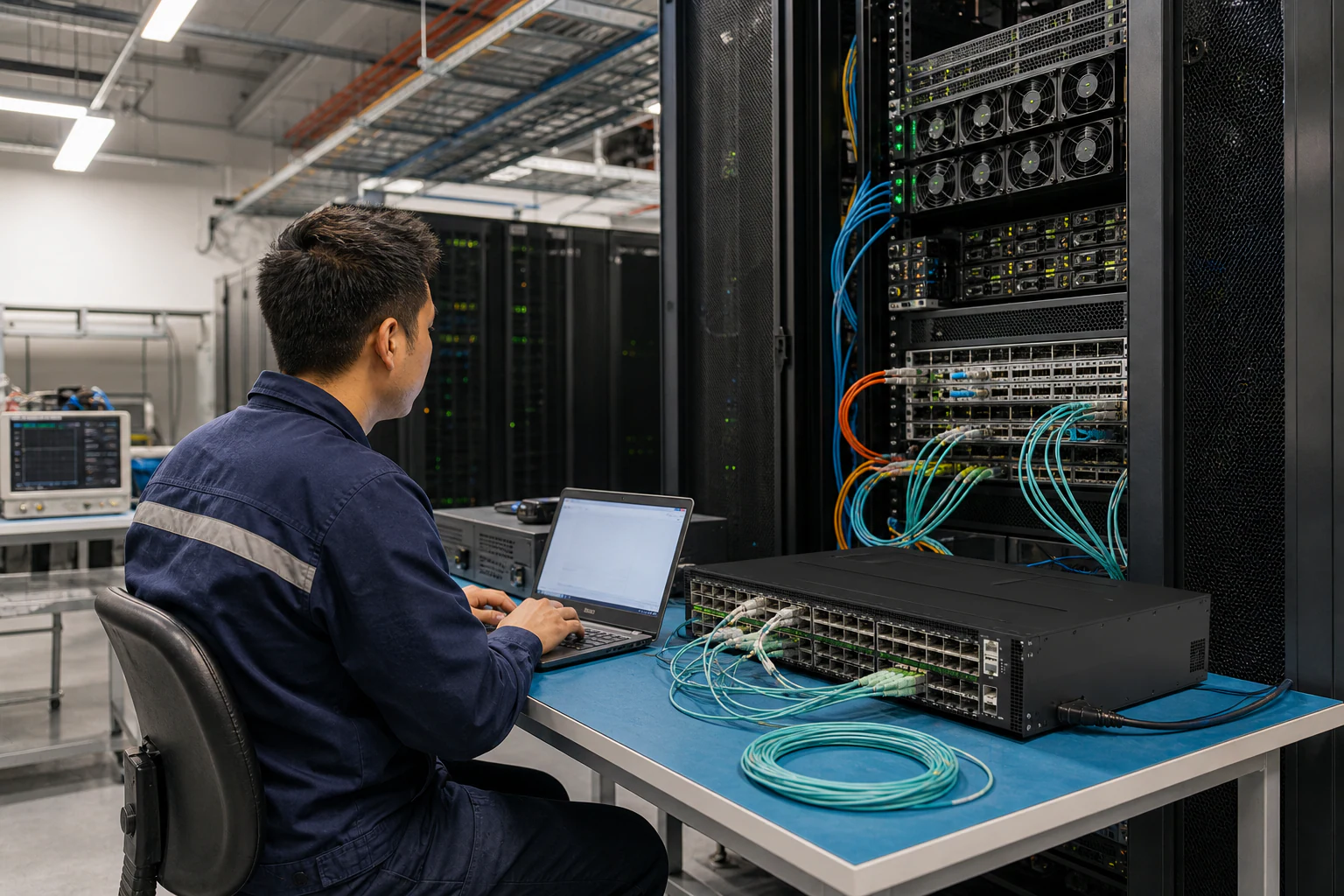 Technical ArticleRoCE v2 GPU Backend Fabrics at 400G and 800G: What Australian Data Center Operators Need to Know in 2026Engineering guide for AI fabric buyers covering RoCE, SONiC, telemetry, optics, support ownership, and deployment validation.Read article
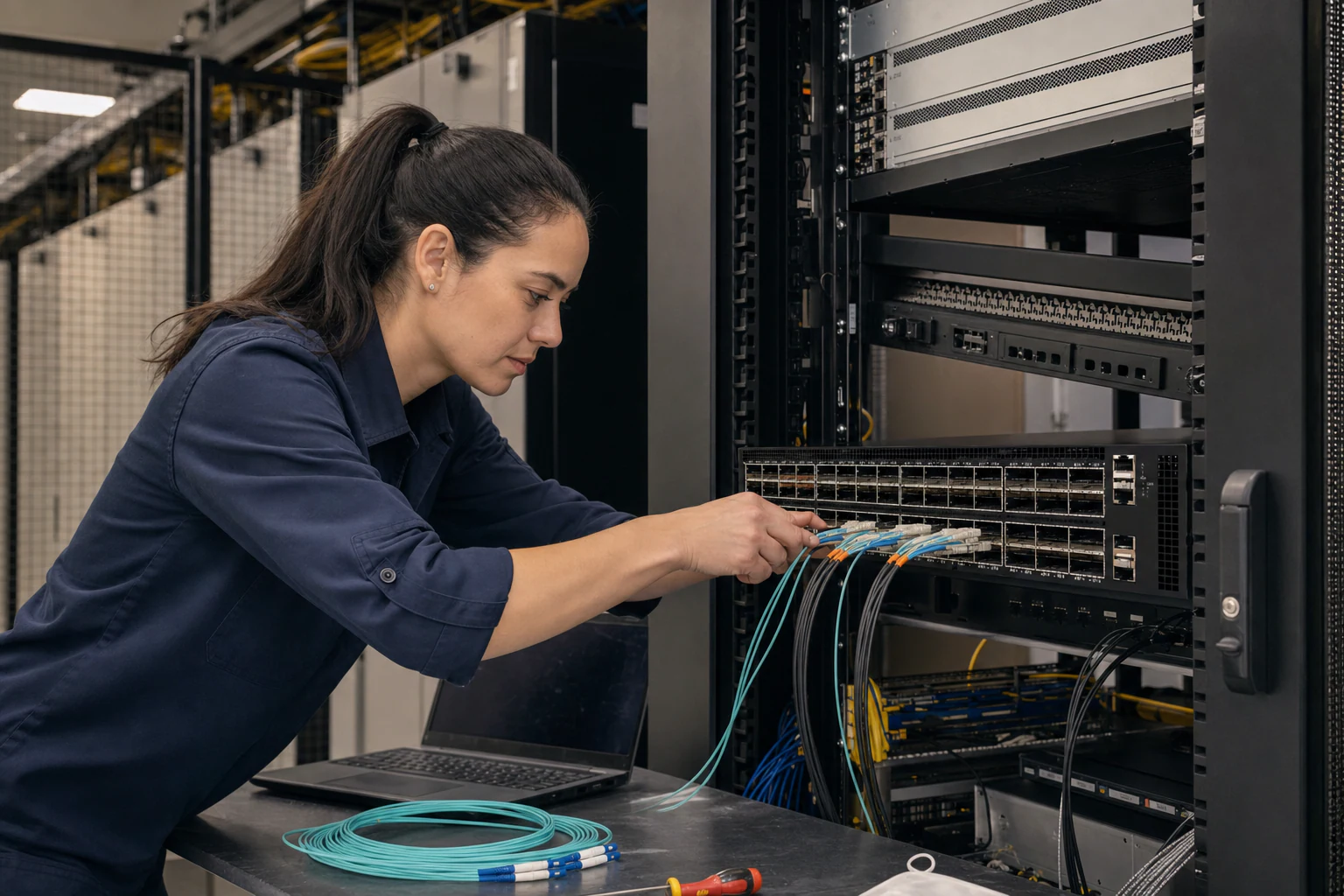 Technical ArticleWhat Australian Data Center Buyers Need to Know Before Choosing SONiC Switches for 400G and 800G UpgradesEngineering guide for 400G and 800G optics planning covering form factor, reach, telemetry, thermal limits, supply risk, and validation.Read article