In brief
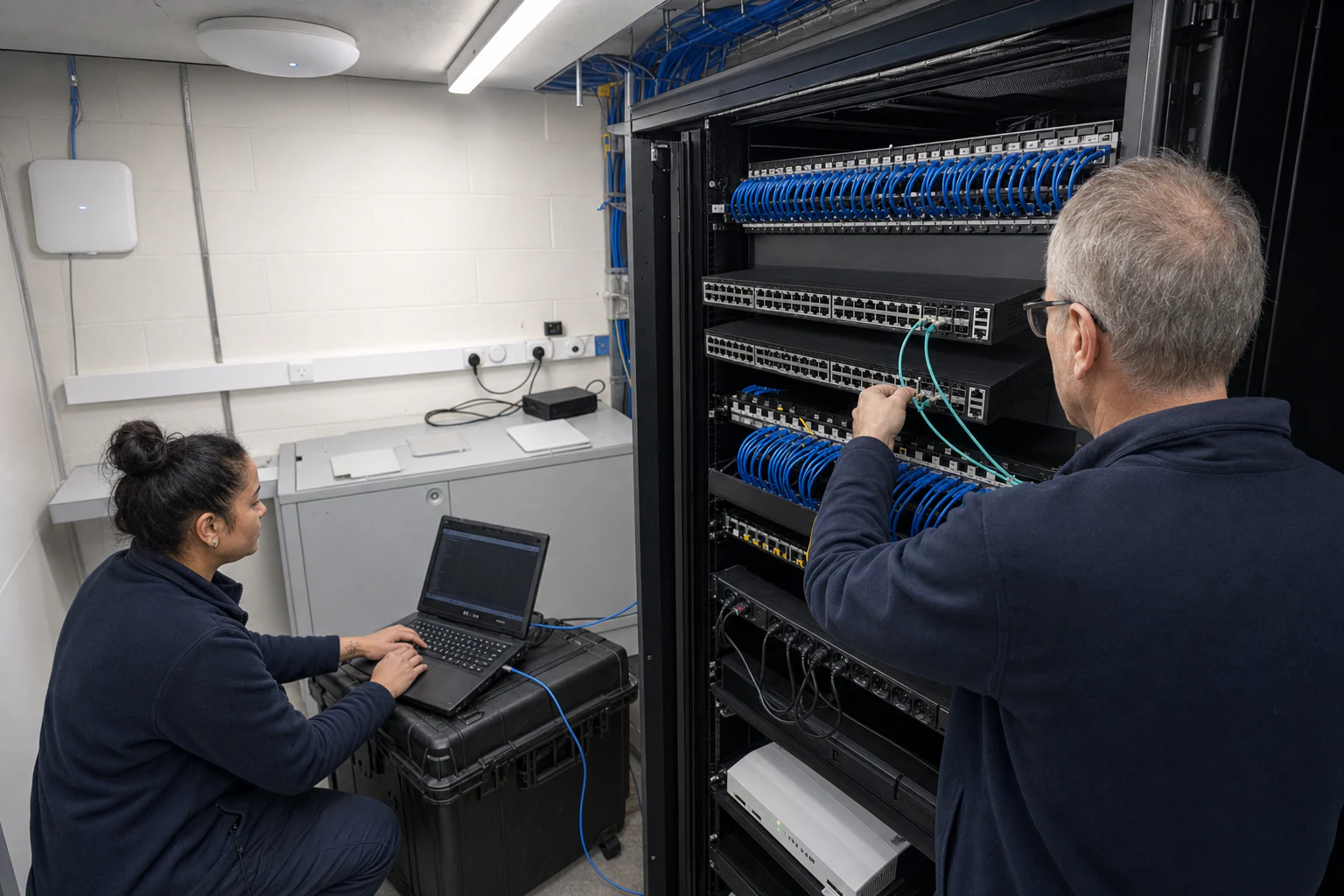
Engineering guidance on open networking at the campus edge, covering MC-LAG, STP, PBR, SONiC validation, failover, operations, and Australian refresh planning.
Key takeaways
- Enterprise campus networks are entering a period of architectural reassessment.
- SONiC (Software for Open Networking in the Cloud), the open-source network operating system that has achieved production maturity in hyperscale data centers, presents an interesting option for campus network architects.
- For Australian enterprise network teams, this raises a practical question: when the campus refresh cycle arrives, should MC-LAG, STP, and PBR capabilities be evaluated only within incumbent vendor portfolios, or does the open networking ecosystem now offer credible alternatives?
The Campus Network Refresh Question
Enterprise campus networks are entering a period of architectural reassessment. As organizations across Australia evaluate network infrastructure upgrades for Wi-Fi 6E/7 densification, IoT proliferation, and hybrid work patterns, the Layer 2 and Layer 3 foundation technologies - MC-LAG for link redundancy, Spanning Tree Protocol for loop prevention, and policy-based routing for traffic engineering - face a strategic choice: continue with incumbent vendor implementations or evaluate open networking alternatives.
SONiC (Software for Open Networking in the Cloud), the open-source network operating system that has achieved production maturity in hyperscale data centers, presents an interesting option for campus network architects. The SONiC ecosystem’s containerized architecture and multi-vendor hardware support through the Switch Abstraction Interface (SAI) provide the technical foundation for disaggregated campus networking.
For Australian enterprise network teams, this raises a practical question: when the campus refresh cycle arrives, should MC-LAG, STP, and PBR capabilities be evaluated only within incumbent vendor portfolios, or does the open networking ecosystem now offer credible alternatives?
MC-LAG and STP: Campus Redundancy Fundamentals Under Review
Multi-Chassis Link Aggregation (MC-LAG) and Spanning Tree Protocol (STP) remain the backbone of campus network resilience. MC-LAG provides active-active link redundancy across distribution or core switches, while STP variants (RSTP, MSTP) prevent broadcast loops in multi-path topologies.
In incumbent campus networks, these features are tightly integrated with proprietary control planes. Cisco’s Virtual PortChannel (vPC), Aruba’s Virtual Switching Extension (VSX), and Juniper’s MC-LAG implementations each carry vendor-specific operational complexity, licensing requirements, and upgrade dependencies.
The SONiC ecosystem’s approach differs fundamentally. As the SONiC Foundation describes, the architecture ‘decouples hardware and software’ through SAI, allowing the same network operating system to run across switches from multiple vendors (sonicfoundation.dev). This architectural choice creates the theoretical foundation for MC-LAG and STP implementations that are hardware-vendor-independent.
However, campus-specific MC-LAG and STP maturity in SONiC requires verification. The available sources focus on data center deployments - the SONiC GitHub repository and foundation documentation emphasize cloud-scale functionality including BGP and RDMA rather than campus Layer 2 features. Enterprise campus network architects should evaluate SONiC’s current MC-LAG and STP feature completeness against their specific topology requirements.
Policy-Based Routing: Traffic Engineering Beyond Static Paths
Policy-based routing (PBR) enables network administrators to direct traffic based on criteria beyond destination IP addresses - source subnet, application type, user group, or time of day. For campus networks, PBR is essential for:
- Directing guest traffic through security inspection appliances
- Prioritizing real-time application flows (voice, video conferencing)
- Segmenting IoT device traffic from corporate user flows
- Implementing branch office traffic optimization
In proprietary campus implementations, PBR is typically configured through vendor-specific CLI syntax, controller-based policies, or overlay management platforms. This creates operational dependencies on vendor documentation, training, and support services.
Open networking approaches to PBR in SONiC-based campus environments offer the potential for standardized policy configuration across multi-vendor hardware. The SONiC architecture’s use of standard Linux interfaces and tools (github.com/sonic-net/SONiC) suggests that policy-based routing could leverage Linux networking fundamentals rather than proprietary command structures.
The practical implications for Australian enterprise campus networks are significant. Multi-site organizations with distributed campus locations could potentially standardize PBR configurations across different hardware vendors, reducing operational complexity and training requirements.
The xSONiC Campus Proposition
xSONiC’s access and aggregation switch portfolio positions within this campus networking transition. As an open networking infrastructure brand, xSONiC offers campus switching hardware designed to run SONiC-based network operating systems, providing an alternative to proprietary campus switches.
For MC-LAG and STP implementations, xSONiC campus switches would need to deliver feature parity with incumbent vendor capabilities - active-active link redundancy, RSTP/MSTP topology management, and controlled failover behavior. These capabilities require verification against specific xSONiC product specifications.
For policy-based routing, xSONiC’s value proposition centers on operational standardization. Rather than maintaining PBR configurations in vendor-specific syntax across different hardware platforms, enterprise network teams could implement standardized PBR policies across xSONiC campus infrastructure.
The Australian market presents specific evaluation criteria for xSONiC campus solutions:
| Evaluation Criterion | Incumbent Vendor | xSONiC/Open Networking |
|---|---|---|
| MC-LAG Implementation | Vendor-specific (vPC, VSX, etc.) | SONiC-based - requires verification |
| STP Support | Full RSTP/MSTP with vendor extensions | Standard implementation - verify extensions |
| PBR Configuration | Vendor CLI/controller syntax | Linux-based - verify campus feature set |
| Hardware Vendor Lock-in | High | Low (SAI abstraction) |
What Australian Network Teams Should Evaluate
For enterprise campus network architects evaluating MC-LAG, STP, and PBR capabilities during infrastructure refresh cycles, the analysis suggests several evaluation approaches:
Include open networking in RFP processes. When issuing campus switch RFPs, include requirements that allow SONiC-based solutions to respond alongside incumbent vendor proposals. This ensures competitive evaluation rather than vendor pre-selection.
Verify feature parity against specific requirements. The SONiC ecosystem’s data center maturity does not automatically translate to campus feature completeness. Network teams should verify MC-LAG, STP, and PBR capabilities against their specific topology, scale, and operational requirements.
Evaluate operational model implications. Open networking approaches require different operational skills than proprietary campus platforms. Network teams should assess Linux networking proficiency, SONiC configuration management, and community support resources.
Consider total cost of ownership. Beyond hardware acquisition costs, evaluate licensing models, support contracts, training requirements, and operational overhead across the infrastructure lifecycle.
Pilot before production commitment. Deploy SONiC-based campus switching in non-critical network segments before committing to enterprise-wide deployment. Validate MC-LAG failover behavior, STP convergence times, and PBR policy enforcement in controlled environments.
The xSONiC campus solutions guide at /solutions/enterprise-campus/campus-refresh/ provides additional evaluation frameworks for enterprise campus network planning. For specific MC-LAG and STP implementation guidance, consult /solutions/enterprise-campus/mclag-stp-guide/. Policy-based routing evaluation criteria are available at /solutions/enterprise-campus/pbr-guide/.
Campus Edge Acceptance Matrix
| Capability | Evidence to Capture | Acceptance Target | Rework Trigger |
|---|---|---|---|
| MC-LAG | Peer status, keepalive path, LACP state, failover logs, MAC movement | Access uplinks survive one distribution switch failure within the accepted window | Split-brain, MAC instability, or unlogged failover |
| STP / loop prevention | RSTP/MSTP mode, root placement, BPDU guard, edge-port policy | Accidental loop is blocked and logged during test | Broadcast storm or silent loop during pilot |
| PBR | Match criteria, next-hop health, policy counters, rollback plan | Guest, IoT, voice, and staff paths follow intended inspection or WAN route | Policy creates asymmetric routing or blackholes traffic |
| Campus access features | PoE, 802.1X, VLANs, multicast, QoS, voice VLAN, monitoring | Representative building pilot proves endpoint behaviour and help-desk workflow | Open switch forwards packets but fails campus operations needs |
| Operations | Config backup, telemetry export, alert mapping, 24-hour log sample | Team can diagnose failed link, blocked port, policy match, and recovery time | Failure succeeds technically but cannot be explained afterward |
This matrix should sit inside the RFP. It lets open networking compete on measurable campus behaviour rather than brand familiarity.
Engineering Evidence Floor
For campus and access switching topics, acceptance should be based on endpoint behaviour under real operating constraints. The evidence package should include endpoint classes, PoE budget, NAC/802.1X, LLDP-MED, voice VLANs, multicast, STP or MC-LAG behaviour, uplink capacity, monitoring, rollback, and help-desk workflow. A representative pilot should run at least 48 ports for 30 days, include one planned rollback inside 24 hours, and document support ownership before scale-out.
| Evidence area | What to validate | Acceptance gate | Rework trigger |
|---|---|---|---|
| Endpoint mix | APs, phones, cameras, laptops, IoT, and printers | 48 ports run mixed load for 24 hours | Only laptop traffic is tested |
| Power and uplinks | PoE budget, 1G/2.5G/5G/10G access, and 100G uplinks | No power or uplink bottleneck in pilot | Refresh ignores closet constraints |
| Resilience | STP, MC-LAG, link loss, member loss, and rollback | 3 failure cases captured | Campus works only in steady state |
| Operations | Monitoring, logs, backup, restore, and help-desk runbook | Incident evidence ready within 2 hours | Support depends on informal notes |
| Rollout | Site selection, training, spares, and change windows | 30 days pilot approved before estate rollout | Procurement scales before validation |
Engineering FAQ
Can open networking replace incumbent campus switching in one refresh cycle? Sometimes, but it should not be assumed. The safer path is to select bounded domains such as a building, distribution block, or non-critical campus segment, then prove MC-LAG, STP, PBR, 802.1X, PoE, and operational recovery before expanding.
What makes campus MC-LAG harder than data centre leaf-spine routing? Campus networks often include mixed access switches, legacy VLANs, voice devices, security appliances, and cabling changes made over many years. MC-LAG must coexist with STP and operational habits from incumbent vendors, so the proof point is interop behaviour under failure, not just normal forwarding.
How should PBR be tested on a SONiC-based campus switch? Test source-based, destination-based, VLAN-based, and application-adjacent policies against the actual traffic classes used onsite: guest, IoT, voice, security, and staff networks. Confirm counters, rollback behaviour, and failure paths so a policy mistake does not blackhole critical traffic.
Where does xSONiC fit in a campus edge evaluation? xSONiC should be the open networking option in the RFP when the buyer wants a SONiC operating model and hardware flexibility. Its role is strongest when paired with a pilot plan that measures convergence, supportability, and policy behaviour against the incumbent baseline.
Related xSONiC Resources
Sources Reviewed
- IEEE 802.1Q Bridges and Bridged Networks
- IEEE 802.1AX Link Aggregation
- Ethernet Network Adapters - ConnectX NICs | NVIDIA
- NVIDIA BlueField Data Processing Unit
- NVIDIA Spectrum-X Ethernet Platform
- ACSC Essential Eight
- OAIC Notifiable Data Breaches
- APRA CPS 234 Information Security
- NETSCOUT Network Packet Definition
- Cloudflare Network Packet Definition
- IEEE 802.11be Wireless LAN Standard
- IEEE 802.3bt Power over Ethernet
- SONiC Project Documentation
- Broadcom Ethernet Switching
- Marvell Switching
- NVIDIA Ethernet Switching
- Open Compute Networking
- SONiC GitHub
- SONiC Foundation
Product fit
Products referenced for evaluation
These products are referenced for evaluation context in the article. Confirm workload, port, optics, software, interoperability, and support requirements against the exact deployment before procurement.
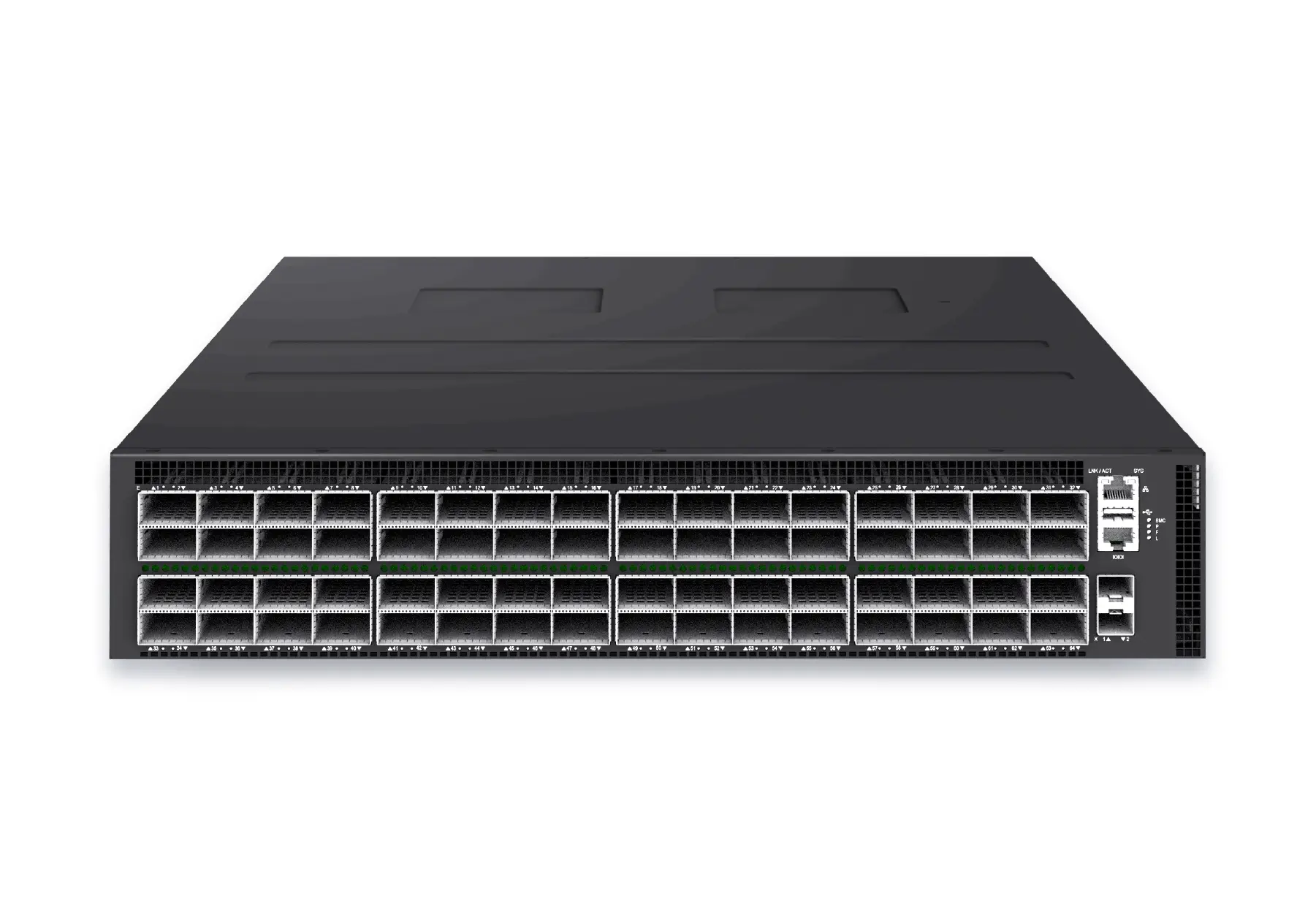 datacenter aiXS-DC-64X800-AI-G164-port 800G AI fabric switch for large-scale GPU clusters, HPC backbones, and ultra-high-throughput data center networks.View product
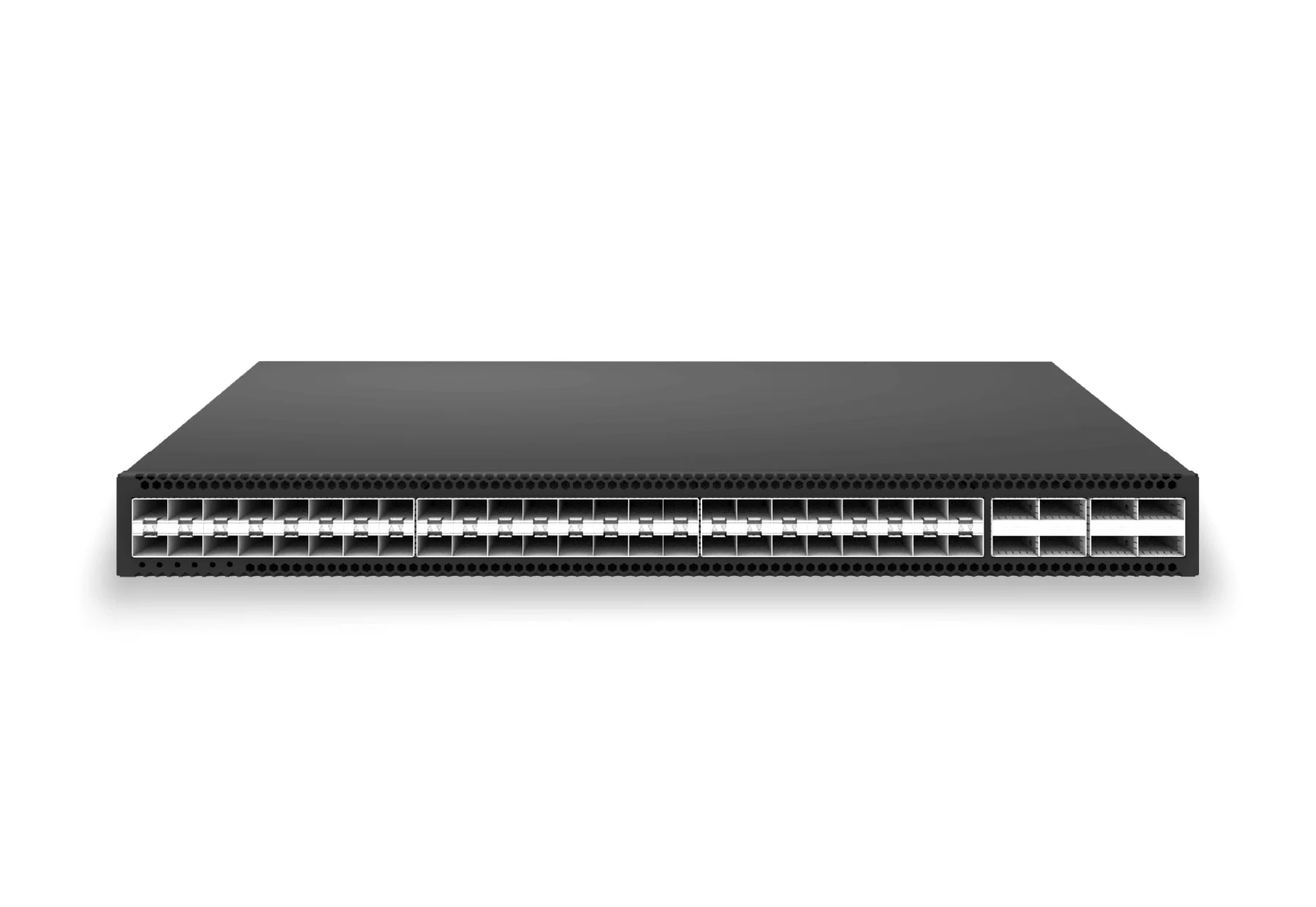 access aggregateXS-AA-48X25-8X100-AGG48x 25G SFP28 aggregation/core switch with 8x 100G QSFP28 for enterprise access and aggregation networks.View product
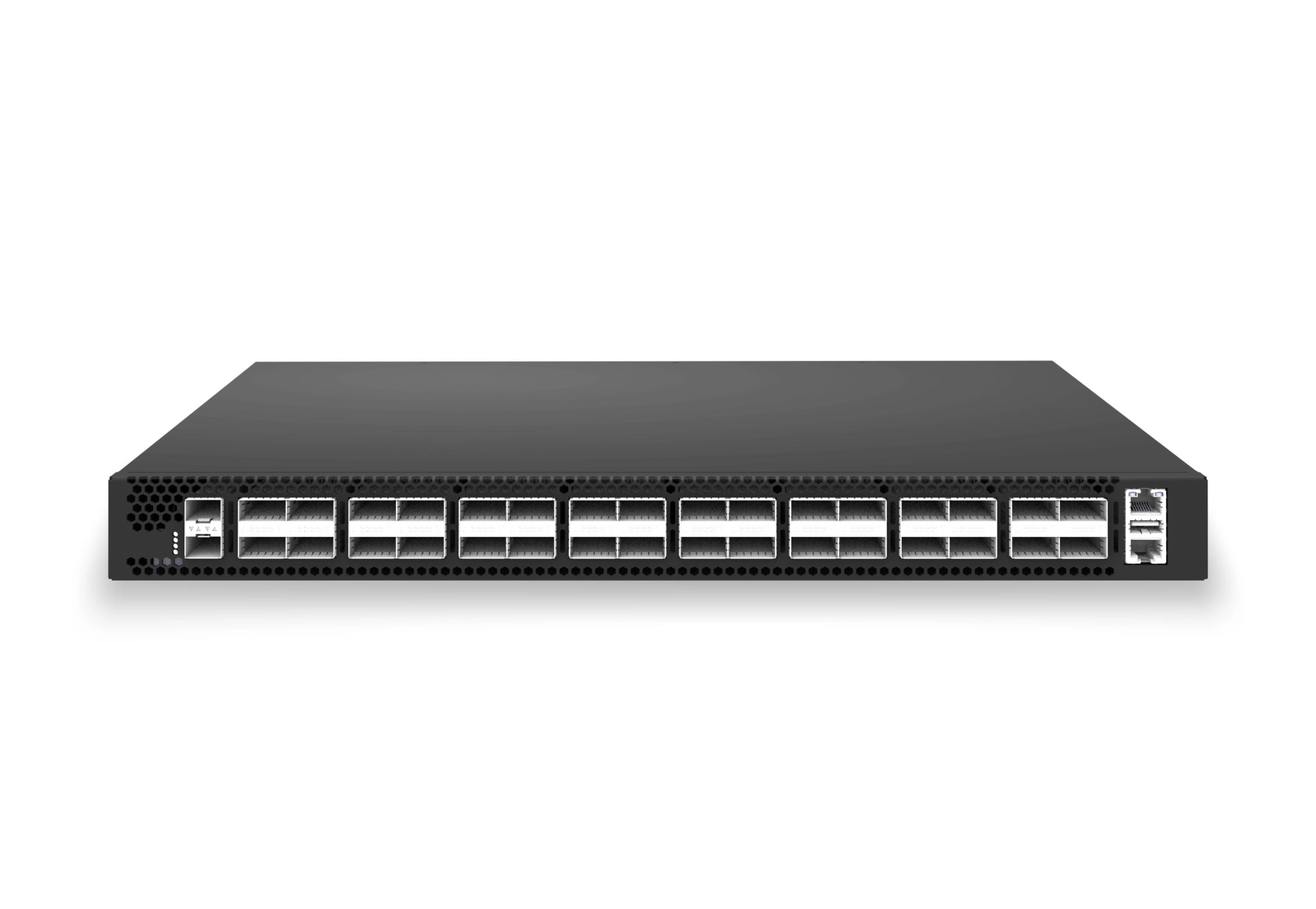 access aggregateXS-AA-32X100-CORE32x 100G QSFP28 aggregation/core switch with 2x 10G SFP+ auxiliary for enterprise access and aggregation networks.View product
Continue reading
Related articles
 Technical ArticleWi-Fi 6E/7 Access Point Planning for Australian Enterprise CampusesA practical Wi-Fi 6E and Wi-Fi 7 access point planning guide for Australian campuses covering 6 GHz spectrum, PoE++, backhaul, client readiness, and pilot validation.Read article
 Technical ArticleCampus Access and Aggregation Refresh with Enterprise SONiCEngineering guide for campus switching teams covering PoE, access design, MC-LAG/STP risk, telemetry, support, and pilot validation.Read article
 Technical ArticlePoE Campus Planning Checklist for Enterprise SONiC Access SwitchesEngineering guidance on PoE Campus Planning Checklist for Enterprise SONiC Access Switches for Australian campus networks, covering RF planning, security controls.Read article