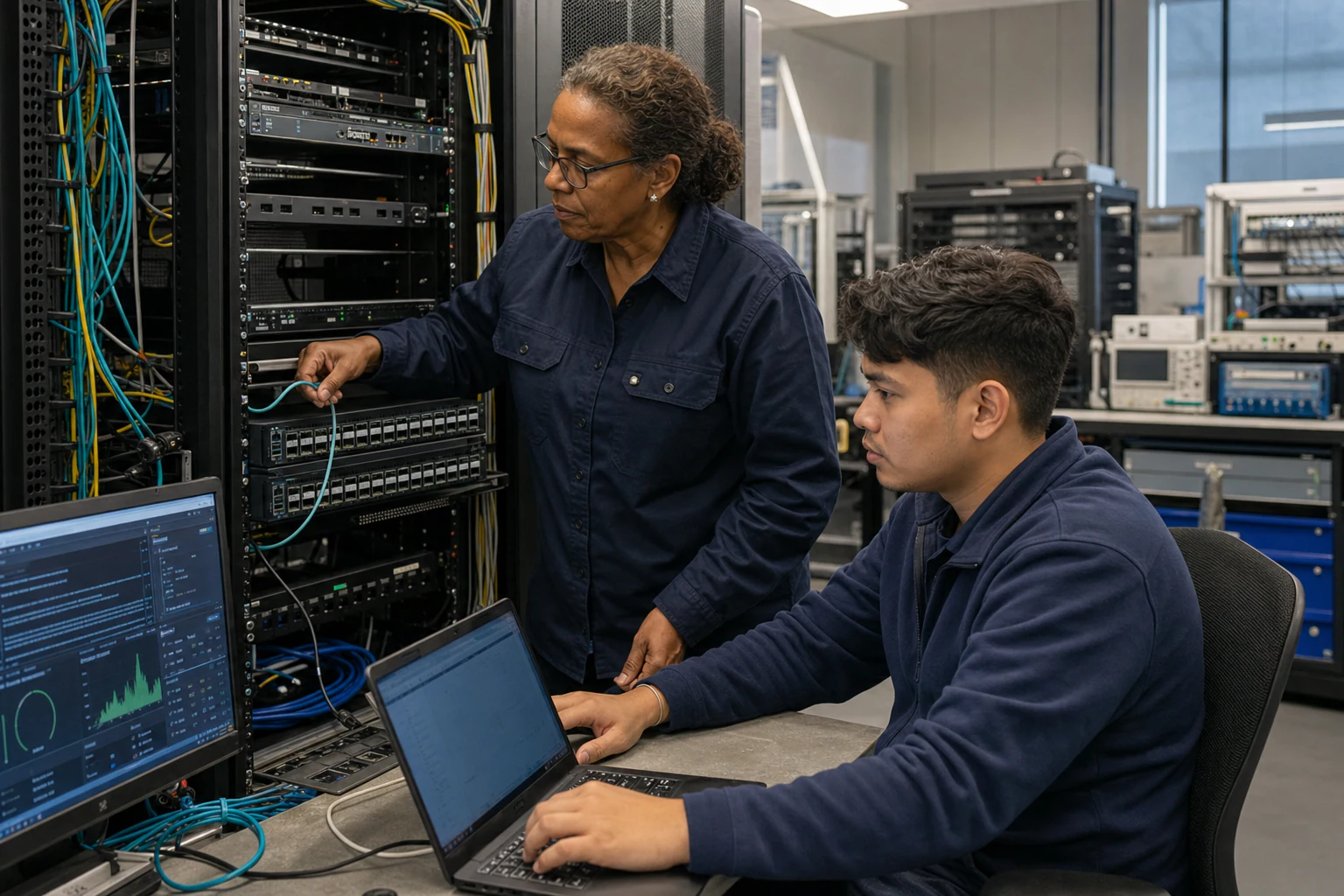
In brief
How NETCONF and YANG reshape SONiC network management for Australian teams, covering schemas, automation, rollback, drift, and validation.
Key takeaways
- Network operations teams running SONiC-based switch fabrics face a familiar tension.
- Yet despite SONiC's broad feature set, many teams still manage their fabrics through CLI scripting, SNMP polling, or custom JSON configuration pushes.
- For Australian enterprise and data center teams evaluating open networking for AI fabric builds, campus refreshes, or aggregation layer upgrades, understanding where NETCONF and YANG fit into the SONiC automation stack is becoming a practical buying decision rather than an academic one.
Why NETCONF and YANG matter for SONiC networks now
Network operations teams running SONiC-based switch fabrics face a familiar tension. SONiC is an open-source network operating system built on Linux that runs on switches from multiple vendors and ASICs, offering a full suite of network functionality including BGP and RDMA that has been production-hardened in large-scale cloud environments. The SONiC project is maintained under the Linux Foundation through the SONiC Foundation, which brings together premier members and contributing organizations across the networking ecosystem.
Yet despite SONiC’s broad feature set, many teams still manage their fabrics through CLI scripting, SNMP polling, or custom JSON configuration pushes. NETCONF and YANG offer a standards-based alternative: model-driven, programmable configuration and state retrieval that works across multi-vendor SONiC deployments.
For Australian enterprise and data center teams evaluating open networking for AI fabric builds, campus refreshes, or aggregation layer upgrades, understanding where NETCONF and YANG fit into the SONiC automation stack is becoming a practical buying decision rather than an academic one.
What NETCONF and YANG actually do
NETCONF (Network Configuration Protocol) is an IETF standard protocol for installing, manipulating, and deleting the configuration of network devices. It uses XML-encoded messages over SSH or TLS and provides transactional configuration capabilities that CLI scripting cannot match.
YANG (Yet Another Next Generation) is the data modeling language that defines what configuration and state data a network device exposes through NETCONF. Think of YANG as the schema and NETCONF as the transport. Together, they let automation tools read, write, and validate network configurations in a structured, vendor-neutral way.
For SONiC networks, this matters because:
- Atomic transactions: NETCONF supports confirmed commits and rollback. A configuration change either applies fully or reverts, which reduces partial-config drift across a spine-leaf fabric.
- Standardized models: OpenConfig and IETF YANG models provide a common abstraction layer across different SONiC-compatible switch platforms and ASIC vendors.
- Intent-based automation: YANG models let teams express what the network should look like, and automation controllers handle how to apply it across dozens or hundreds of switches.
How SONiC handles configuration today
SONiC uses JSON-based configuration files and supports both CLI and programmatic configuration methods. This is documented in the SONiC project’s GitHub repository, which serves as the landing page for the SONiC project coordination including documentation, wiki, and architecture references.
SONiC’s container-based architecture, where each network function runs in its own Docker container, provides fault isolation, easier debugging, and simplified upgrades. This modular design is well-suited to NETCONF/YANG integration because each containerized service can expose its own YANG models without affecting others.
However, the standard SONiC configuration pipeline revolves around ConfigDB (a Redis-based configuration database) and the config CLI tool. NETCONF support in upstream SONiC is available through the management framework, but production adoption varies across SONiC distributions and hardware platforms.
The data center case: AI fabric automation at scale
For data center teams building AI fabrics with SONiC-based spine-leaf architectures, NETCONF/YANG automation addresses several operational pain points:
| Challenge | CLI/SNMP approach | NETCONF/YANG approach |
|---|---|---|
| Provisioning 100+ leaf switches | Per-device SSH scripts or Ansible playbooks against CLI | Centralized push of YANG-validated config to all devices |
| Validating config changes | Manual review or post-push diff | Pre-commit validation against YANG schema |
| Detecting config drift | Periodic polling and comparison | NETCONF notification streams and config-change subscriptions |
| Rolling back failed changes | Manual rollback or backup restore | Transactional rollback via NETCONF confirmed commits |
| Onboarding new switch models | Rewrite CLI parsers per platform | Same YANG models, platform-agnostic automation |
NVIDIA’s Spectrum Ethernet switch portfolio, which supports Pure SONiC as one of its NOS options alongside Cumulus Linux, demonstrates the scale at which SONiC fabrics now operate. The SN5000 series, for example, supports port speeds up to 800 Gb/s for connecting GPU compute clusters. At that scale, manual or semi-manual configuration management becomes a reliability risk.
The campus case: aggregation and access automation
NETCONF/YANG is not only a data center story. For enterprise campus networks undergoing refresh cycles, model-driven automation can simplify the management of access and aggregation layer switches that are typically deployed in higher numbers with more varied configurations than data center leaf switches.
Campus networks face distinct automation challenges:
- PoE provisioning: Power over Ethernet configuration for access points, IP cameras, and IoT devices varies by port and location. YANG models can express PoE policy at the port-group level.
- VLAN and ACL management: Campus access switches often carry hundreds of VLANs and ACLs. NETCONF transactions reduce the risk of partial VLAN propagation during changes.
- Multi-site consistency: For organizations with branch offices across Australian states, NETCONF-based automation ensures configuration consistency without requiring on-site networking staff at each location.
What to watch: the automation tooling ecosystem
NETCONF and YANG do not exist in isolation. The value of model-driven management depends on the broader automation toolchain:
- OpenConfig vs. vendor-native YANG models: OpenConfig provides vendor-neutral models, but vendor-native models often expose more granular functionality. Teams should evaluate which approach their SONiC distribution and hardware platform supports.
- Ansible, NAPALM, and Nornir: These popular Python-based automation frameworks can interact with NETCONF/YANG as well as CLI. The choice of automation framework affects how NETCONF integrates into existing CI/CD pipelines.
- Streaming telemetry: gNMI (gRPC Network Management Interface) often pairs with YANG models for real-time state monitoring. For AI fabric deployments where link health directly impacts job completion times, streaming telemetry is a natural complement to NETCONF configuration management.
The Australian buyer angle
Australian enterprise and DC teams evaluating open networking automation should consider several factors specific to the local market:
- Support and ecosystem: Open-source SONiC has community support, but commercial SONiC distributions and hardware vendors offer varying levels of NETCONF-related support. Australian buyers should evaluate local partner and support options.
Bottom line
NETCONF and YANG are not new protocols, but their practical adoption in SONiC-based networks is accelerating as fabric scale increases and operational consistency becomes non-negotiable. For Australian teams evaluating xSONiC data center AI switches, campus access and aggregation switches, or bare-metal platforms, understanding where NETCONF/YANG fits in the automation stack is a worthwhile due-diligence step.
NETCONF/YANG Acceptance Matrix
| Management area | Acceptance evidence | Rework trigger |
|---|---|---|
| Schema coverage | YANG modules cover interface, VLAN, BGP, ACL, QoS, and telemetry needs for at least 2 switch roles | Operators must fall back to CLI for routine production changes |
| Candidate config | Automation can stage, diff, commit, and confirm rollback within a 5-minute validation window | A failed commit leaves partial live state without automatic rollback |
| Drift control | Live config and intended state are compared at least every 24 hours with ticket evidence | Manual config can persist for more than 1 day without detection |
| Observability | NETCONF/gNMI pipeline exports config status, session health, and validation result into monitoring | Management failure is visible only when users report an outage |
Engineering Evidence Floor
For telemetry and automation topics, accept the design only when state, change, and incident evidence are connected. The evidence package should include gNMI or NETCONF/YANG support, telemetry cadence, collector location, alert thresholds, config source of truth, rollback, packet visibility, retention, and escalation ownership. A practical pilot should run 24 hours of streaming telemetry, include 3 automated changes, and prove that an incident bundle can be produced within 2 hours.
| Evidence area | What to validate | Acceptance gate | Rework trigger |
|---|---|---|---|
| State export | gNMI/OpenConfig, NETCONF/YANG, counters, and optics data | 24 hours telemetry stream retained | Dashboards lose data during faults |
| Change control | Source of truth, diff, validation, and rollback | 3 automated changes pass readback | Automation pushes config without proof |
| Incident view | Alerts, logs, packet feeds, and queue/drop counters | Root cause path identified within 15 minutes | Graphs show symptoms but not cause |
| Security | Access control, retention, audit trail, and sovereignty | 30 days evidence policy documented | Telemetry path violates data handling rules |
| Support | Escalation owner, evidence bundle, patching, and RMA | P1 package ready within 2 hours | Vendor handoff lacks data |
Engineering FAQ
What should be tested before moving campus switching to SONiC or open networking? Test PoE behaviour, NAC integration, VLAN and policy design, STP or MC-LAG interaction, multicast, monitoring, upgrade rollback, and help-desk workflows. Campus readiness is an operations test, not only a forwarding test.
Where do campus refresh projects usually carry hidden risk? The risk often sits in closets: power budget, old cabling, undocumented uplinks, mixed endpoint types, voice devices, cameras, badge systems, and change windows. Those details should be inventoried before selecting switch models.
How should Australian campus teams structure a pilot? Choose one representative site or building, document endpoint classes, run PoE and failover tests, verify monitoring, train operations staff, and define rollback steps before expanding to the broader estate.
Related xSONiC Resources
Sources Reviewed
- Ethernet Network Adapters - ConnectX NICs | NVIDIA
- NVIDIA BlueField Data Processing Unit
- NVIDIA Spectrum-X Ethernet Platform
- OpenConfig gNMI Specification
- OpenConfig
- RFC 7950 - The YANG 1.1 Data Modeling Language
- RFC 6241 - Network Configuration Protocol (NETCONF)
- IEEE 802.11be Wireless LAN Standard
- IEEE 802.3bt Power over Ethernet
- SONiC Project Documentation
- Broadcom Ethernet Switching
- Marvell Switching
- NVIDIA Ethernet Switching
- Open Compute Networking
- SONiC GitHub
- SONiC Foundation
Product fit
Products referenced for evaluation
These products are referenced for evaluation context in the article. Confirm workload, port, optics, software, interoperability, and support requirements against the exact deployment before procurement.
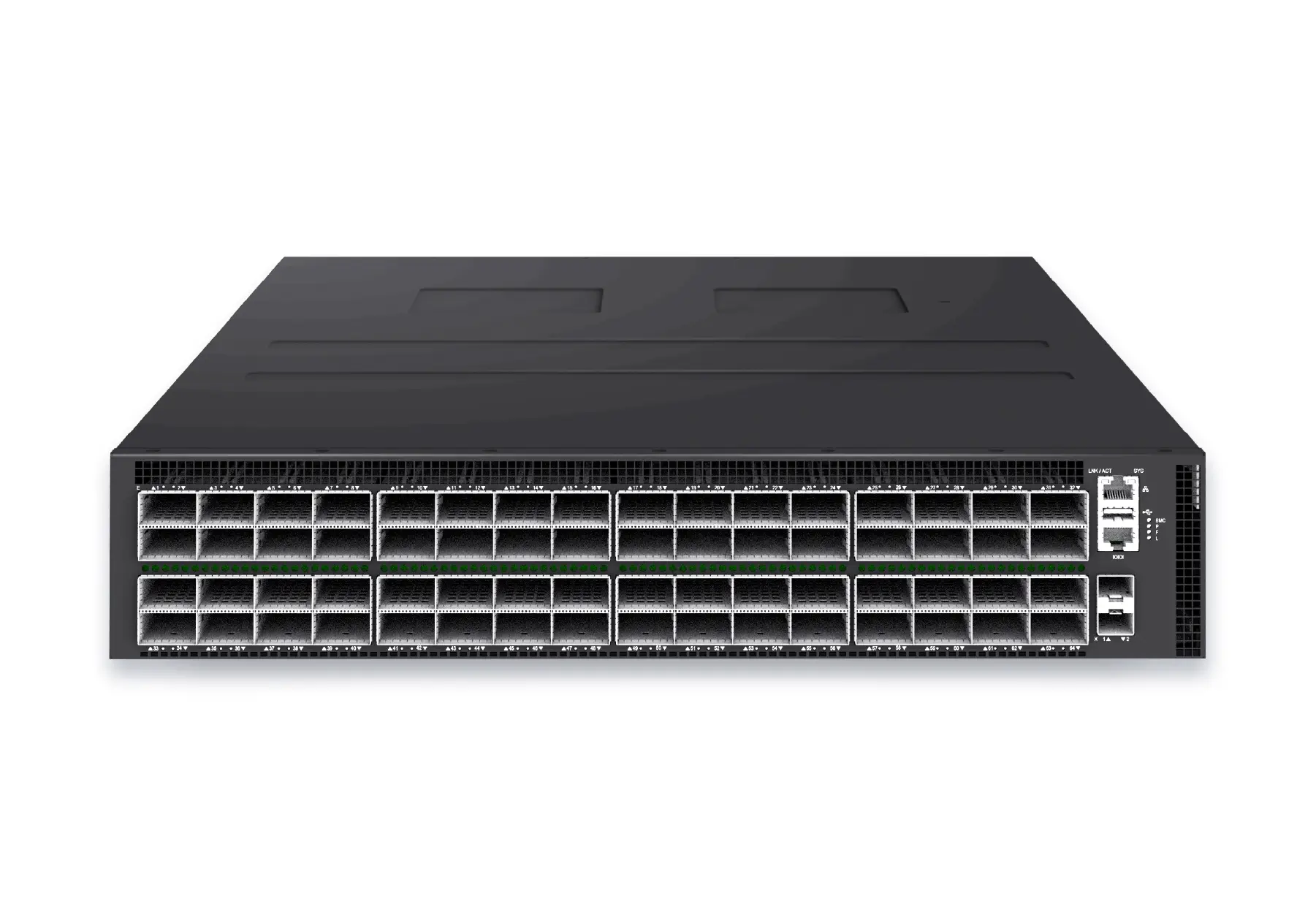 datacenter aiXS-DC-64X800-AI-G164-port 800G AI fabric switch for large-scale GPU clusters, HPC backbones, and ultra-high-throughput data center networks.View product
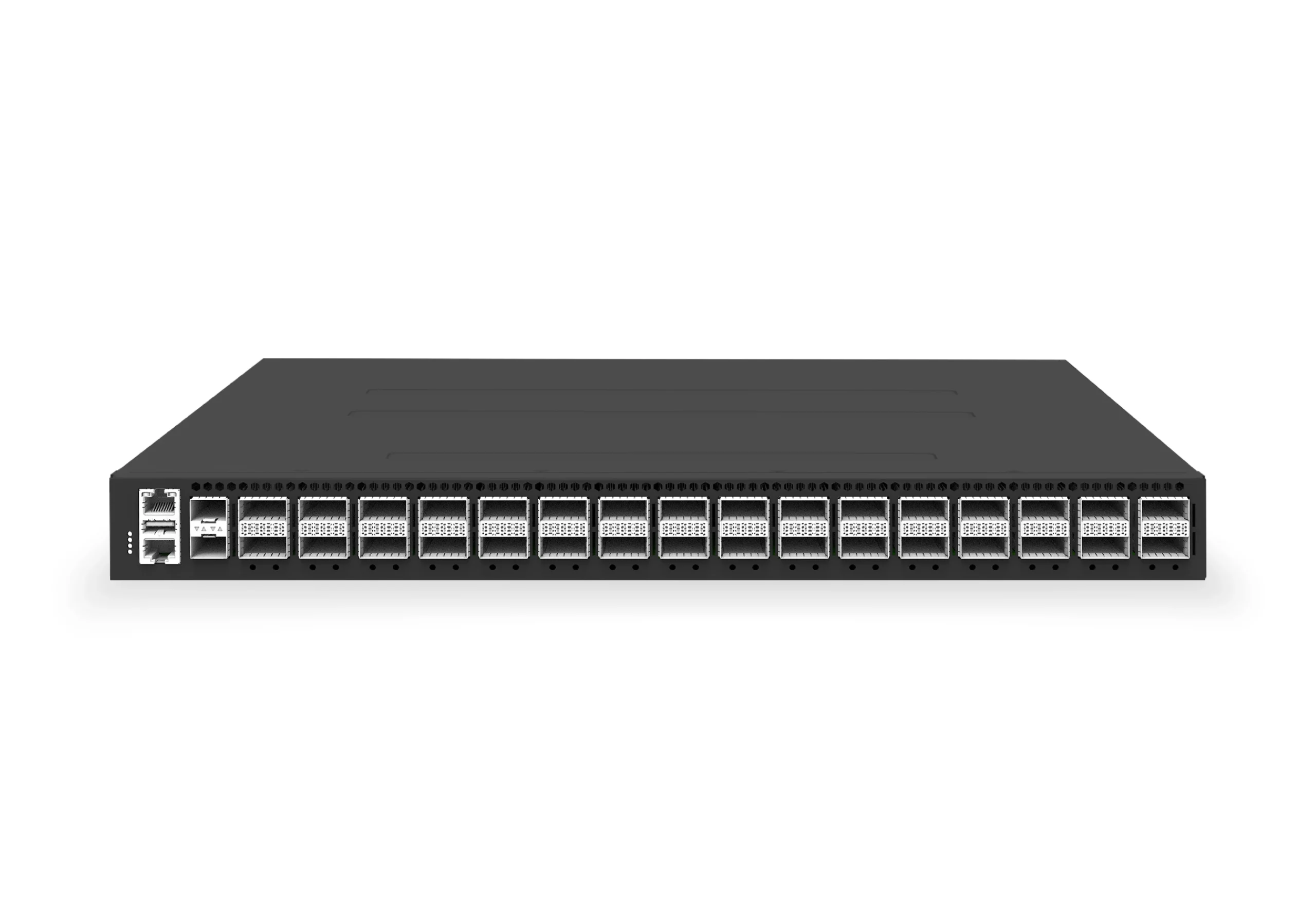 datacenter aiXS-DC-32X400-SP-G232-port 400G spine/core switch for high-capacity data center fabrics and AI-ready backbones.View product
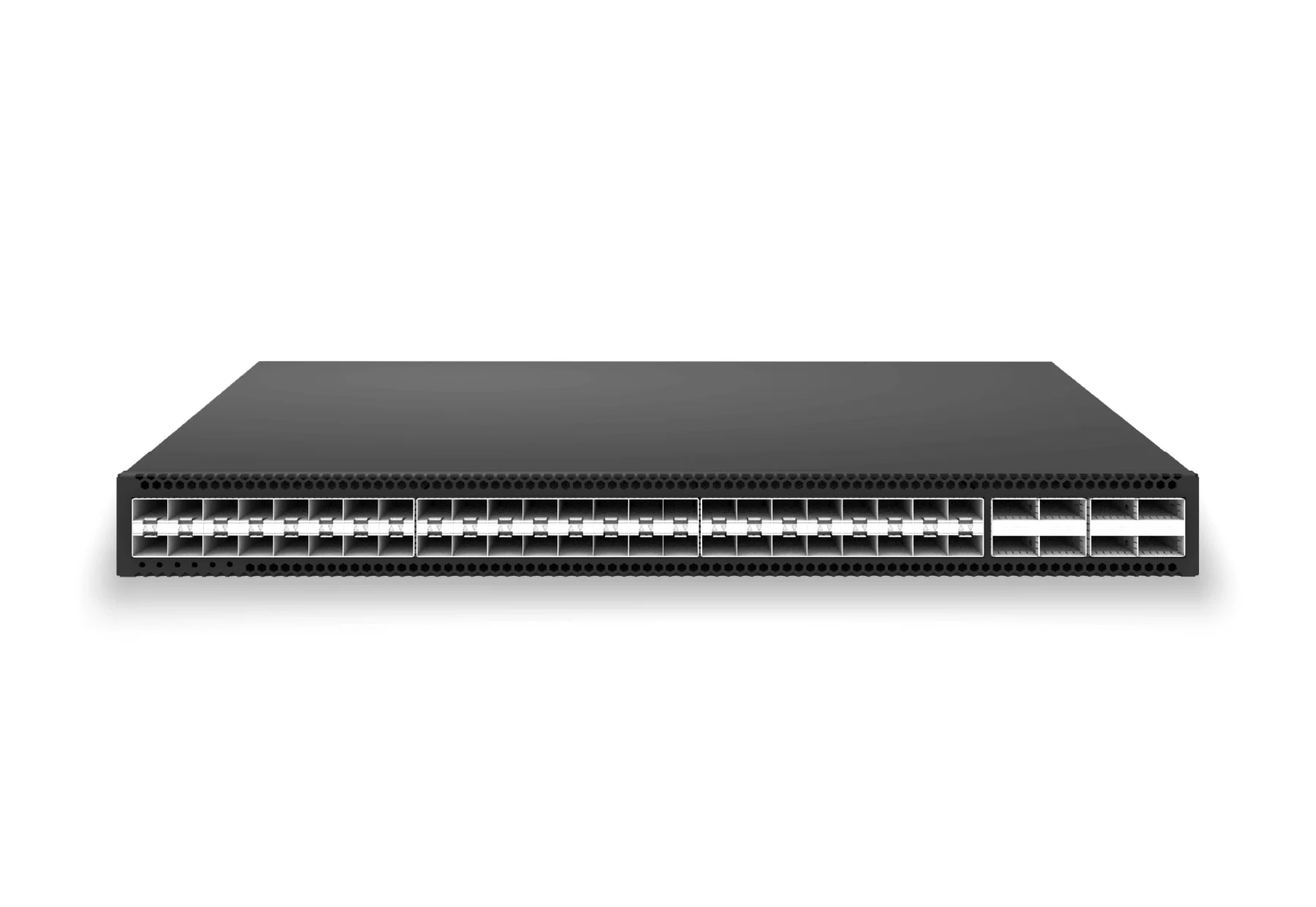 access aggregateXS-AA-48X25-8X100-AGG48x 25G SFP28 aggregation/core switch with 8x 100G QSFP28 for enterprise access and aggregation networks.View product
Continue reading
Related articles
 Technical ArticleWhat Australian Enterprise Buyers Can Learn from the SONiC Community in 2025What Australian buyers can learn from SONiC community signals, OCP networking, ASIC support, release cadence, and enterprise validation.Read article
 Technical ArticleWhy SONiC Open Networking on Celestica Data Center Switches Matters for Australian EnterprisesHow SONiC on Celestica data center switches should be evaluated by Australian operators for ASIC fit, support, RoCE, automation, and TCO.Read article
 Technical ArticleWhy Enterprise Buyers Are Moving to SONiC on White Box Switches: A Practical Guide for Australian NetworksPractical guide for Australian enterprise buyers evaluating SONiC on white-box switches, covering hardware, ASICs, support, automation, and TCO.Read article