In brief
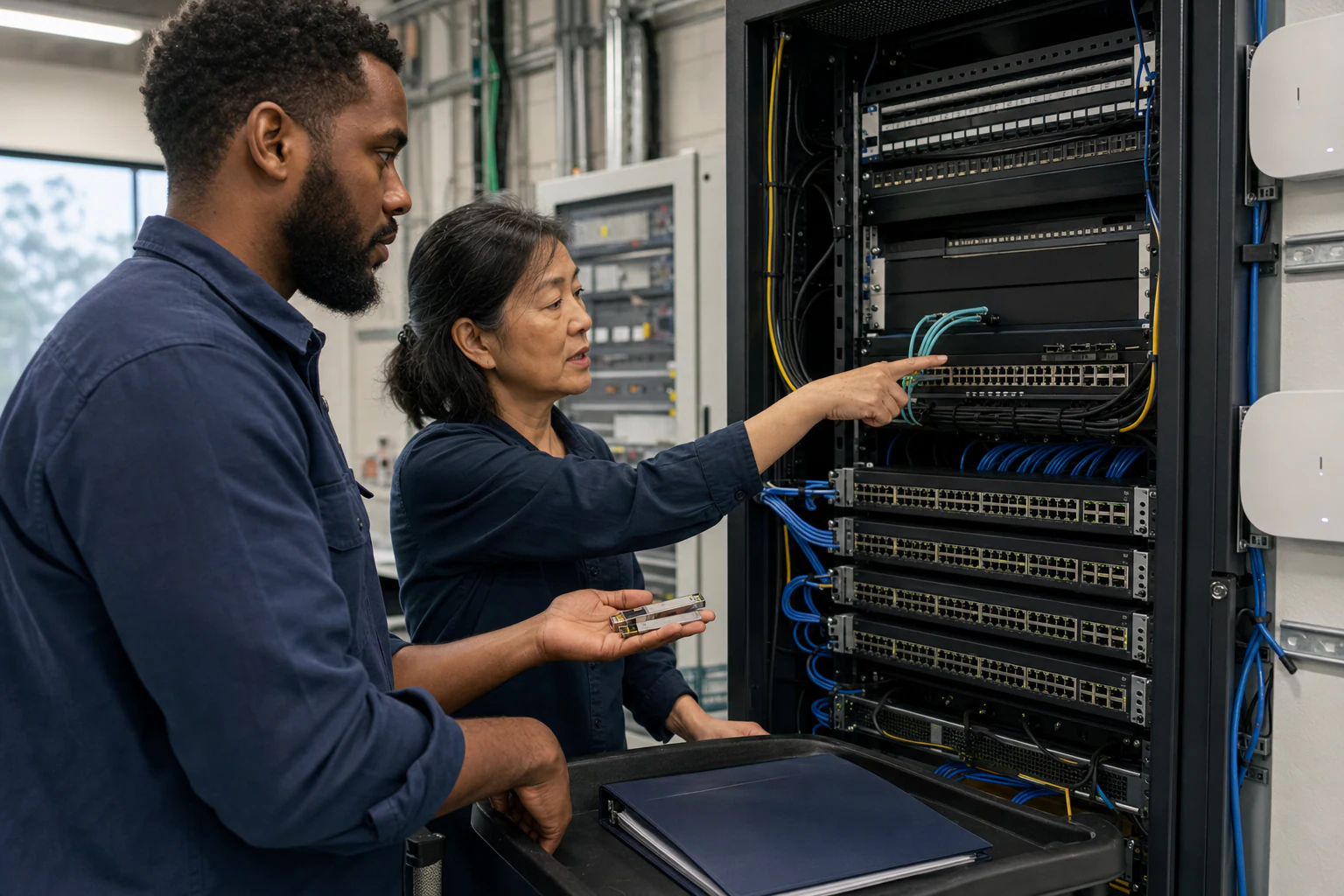
Engineering guide for campus switching teams covering PoE, access design, MC-LAG/STP risk, telemetry, support, and pilot validation.
Key takeaways
- Ethernet switch marketing leads with headline port speeds: 1G, 2.5G, 5G, 10G, 25G, 100G, 200G, 400G, 800G.
- This guide maps Ethernet speed categories to the workloads Australian enterprise and data center buyers actually run, then shows where open SONiC-based switching can simplify operations across the full stack.
- The IEEE 802.3 working group defines Ethernet speeds from 10 Mbps to 800 Gbps, with 1.6 Tbps work underway.
Why Port Speed Alone Does Not Tell You What Switch You Need
Ethernet switch marketing leads with headline port speeds: 1G, 2.5G, 5G, 10G, 25G, 100G, 200G, 400G, 800G. But a 100G port in a campus aggregation closet solves a completely different problem than a 100G port on a data center leaf connecting GPU nodes. Choosing the wrong tier wastes budget and creates architectural debt that is expensive to unwind.
This guide maps Ethernet speed categories to the workloads Australian enterprise and data center buyers actually run, then shows where open SONiC-based switching can simplify operations across the full stack. Every speed tier discussed here corresponds to a real product category in the xSONiC portfolio, from campus PoE access to 800G AI fabric spine switches.
The Ethernet Speed Tiers: A Practical Map
The IEEE 802.3 working group defines Ethernet speeds from 10 Mbps to 800 Gbps, with 1.6 Tbps work underway. For practical network design, buyers can group these into five operational tiers:
Tier 1 - Campus Access (1G / 2.5G / 5G / 10G): These speeds serve end-user devices, wireless access points, IP cameras, and PoE endpoints. The 2.5GBASE-T and 5GBASE-T standards (IEEE 802.3bz) were specifically created to run over existing Category 5e and Category 6 cabling, making them a cost-effective upgrade path for Australian offices and campuses that cannot justify full cabling replacement. Power-over-Ethernet capability at these speeds is a key differentiator for campus switches.
Tier 2 - Campus Aggregation and Distribution (10G / 25G / 40G): Aggregation layers consolidate traffic from access switches before handing off to the core or data center. In Australian enterprise campuses, 10G SFP+ uplinks remain common, while 25G SFP28 is gaining ground for higher-density aggregation and for connecting to data center fabrics. MC-LAG and STP are common resilience mechanisms at this tier.
Tier 3 - Data Center Top-of-Rack / Leaf (25G / 100G): The 25GBASE-SR and 25GBASE-CR standards dominate server-facing ports in modern data center leaf switches, while 100G QSFP28 uplinks connect leaf switches to spine switches. This is the sweet spot for enterprise data centers running virtualized workloads, container orchestration, and storage fabrics. SONiC has been production-hardened at this tier by some of the world’s largest cloud providers, as noted by the SONiC Foundation.
Tier 4 - Data Center Spine and DCI (100G / 200G / 400G): Spine switches aggregate leaf traffic at 100G or 400G per port. The 200GBASE and 400GBASE standards enable high-radix spine fabrics that reduce hop count and latency. For Australian data center operators managing sovereign workloads, as discussed in OCP Podcast episode 18 featuring Macquarie Data Centres CEO David Hirst, the shift toward AI-class infrastructure is driving demand for 400G spine capacity even in mid-tier colocation facilities.
Tier 5 - AI Fabric and Hyperscale Backbones (400G / 800G): The 800GBASE standard supports the massive east-west traffic patterns of AI/ML training clusters. NVIDIA’s Spectrum-4 and Spectrum-6 switches, for example, deliver 51.2 Tbps aggregate throughput with 64x 800GbE ports in a 2U form factor, and they support SONiC as a network operating system option. This tier is where RoCE v2, RDMA, congestion management, and lossless Ethernet become critical fabric requirements.
Where SONiC Changes the Buying Equation
Historically, each switch speed tier came with a proprietary network operating system tied to a single vendor’s hardware. SONiC (Software for Open Networking in the Cloud) breaks that coupling. As the SONiC Foundation describes it, SONiC is an open-source network operating system based on Linux that runs on switches from multiple vendors and multiple ASICs.
The practical benefit for Australian buyers is threefold:
Multi-vendor hardware flexibility. SONiC runs on switches using ASICs from Broadcom, Marvell, NVIDIA, and others. This means an organization can evaluate switch hardware on price-performance and port density rather than being locked into a single vendor’s NOS licensing model. The OCP Networking project explicitly aims to create fully disaggregated and open networking hardware and software.
Container-based modularity. SONiC’s architecture separates each network function into its own Docker container, enabling independent upgrades of BGP, LLDP, telemetry, or other services without restarting the entire switch. This is operationally significant for teams managing mixed campus and data center environments.
Production-hardened at scale. SONiC has been deployed in some of the world’s largest data centers. The GitHub repository shows active development with thousands of commits and an extensive contributor base. For Australian buyers evaluating SONiC-based switches, this production track record reduces perceived risk.
The key buyer takeaway: when evaluating Ethernet switches across speed tiers, ask whether the NOS supports SONiC or offers a migration path to SONiC. This question matters at every tier, not just in the data center.
Matching Speed Tiers to Australian Workload Profiles
Australian enterprise and data center buyers face a specific set of constraints that influence switch selection:
Sovereign data requirements. The Australian Government’s hosting certification framework and data sovereignty rules mean that more workloads are staying onshore. This drives investment in local data center capacity and, by extension, in campus-to-DC network fabrics that can support growing traffic volumes.
AI infrastructure buildout. As highlighted in the OCP Podcast episode with Macquarie Data Centres, Australian data center design is shifting from cloud-real-estate thinking to chip-out thinking, where rack power density and network bandwidth per GPU node drive architectural decisions. This pulls demand toward 400G and 800G switch tiers.
Campus refresh cycles. Many Australian enterprises are mid-cycle in Wi-Fi 6E and Wi-Fi 7 campus deployments. These wireless standards require multi-gigabit uplinks (2.5G, 5G, 10G) at the access layer and 10G-25G at aggregation, creating a natural pull-through for SONiC-compatible campus switches with PoE.
Geographic distribution. Australia’s geographic spread means branch offices, remote sites, and edge compute locations need right-sized switching. Not every site needs 100G leaf switches, but every site benefits from consistent, manageable NOS tooling.
A Buyer Checklist: Questions to Ask at Each Speed Tier
Before selecting an Ethernet switch at any speed tier, Australian buyers should evaluate the following:
| Factor | Campus Access (1-10G) | Aggregation (10-40G) | DC Leaf (25-100G) | DC Spine (100-400G) | AI Fabric (400-800G) |
|---|---|---|---|---|---|
| PoE budget per port | Critical | Optional | N/A | N/A | N/A |
| SONiC or open NOS support | Evaluate | Evaluate | Strong preference | Strong preference | Required for portability |
| Optical transceiver ecosystem | SFP/SFP+ | SFP+/SFP28 | SFP28/QSFP28 | QSFP28/QSFP-DD | QSFP-DD/OSFP |
| Latency sensitivity | Low | Low-Medium | Medium | Medium-High | Critical (RoCE/RDMA) |
| Stacking or virtual chassis | Common | Common | Less common | N/A | N/A |
| EVPN-VXLAN overlay | Optional | Optional | Recommended | Recommended | Required |
| Telemetry and visibility | Basic SNMP | Basic SNMP | Streaming telemetry | INT / streaming | INT / IPTPath |
The Optical Transceiver Layer: Speed Tiers Need the Right Optics
Ethernet switch port speed is only as good as the optical transceiver plugged into it. Each speed tier has a corresponding transceiver form factor:
- 1G-10G: SFP and SFP+ modules dominate campus and early data center links.
- 25G: SFP28 modules for server-facing leaf ports.
- 100G: QSFP28 modules (4x 25G lanes) for spine-leaf uplinks.
- 400G: QSFP-DD and OSFP modules (4x 100G or 8x 50G PAM4 lanes).
- 800G: OSFP and next-generation form factors for AI backbone links.
The transceiver choice affects link distance, power consumption, cabling type (DAC, AOC, or fiber), and total cost of ownership. Australian buyers should evaluate whether their switch vendor supports a broad range of third-party compatible optics or restricts transceiver sourcing. Open networking ecosystems typically allow multi-source transceiver procurement, which can reduce per-link cost and shorten lead times for Australian deployments where specific optics may have limited local stock.
Looking Ahead: 1.6 Tbps and the Multi-Terabit Horizon
The IEEE 802.3dj working group is developing the 1.6 Tbps Ethernet standard, targeting 200G per lane PAM4 signaling. This next generation will further compress AI fabric architectures, enabling higher radix switches with fewer interconnect tiers.
For Australian data center operators planning 3-to-5-year infrastructure roadmaps, the practical implication is straightforward: invest in switch platforms and NOS ecosystems that are actively tracking these standards. SONiC’s open-source development model and its backing by the Linux Foundation give it a structural advantage in adopting new speed tiers as they mature.
The transition from multi-gigabit campus to multi-terabit AI backbone is not a single purchasing event. It is an architectural journey that benefits from consistent operational tooling, open hardware choice, and a NOS that grows with the workload. That is the case for SONiC-based open networking at every speed tier.
Engineering Evidence Floor
For campus and access switching topics, acceptance should be based on endpoint behaviour under real operating constraints. The evidence package should include endpoint classes, PoE budget, NAC/802.1X, LLDP-MED, voice VLANs, multicast, STP or MC-LAG behaviour, uplink capacity, monitoring, rollback, and help-desk workflow. A representative pilot should run at least 48 ports for 30 days, include one planned rollback inside 24 hours, and document support ownership before scale-out.
| Evidence area | What to validate | Acceptance gate | Rework trigger |
|---|---|---|---|
| Endpoint mix | APs, phones, cameras, laptops, IoT, and printers | 48 ports run mixed load for 24 hours | Only laptop traffic is tested |
| Power and uplinks | PoE budget, 1G/2.5G/5G/10G access, and 100G uplinks | No power or uplink bottleneck in pilot | Refresh ignores closet constraints |
| Resilience | STP, MC-LAG, link loss, member loss, and rollback | 3 failure cases captured | Campus works only in steady state |
| Operations | Monitoring, logs, backup, restore, and help-desk runbook | Incident evidence ready within 2 hours | Support depends on informal notes |
| Rollout | Site selection, training, spares, and change windows | 30 days pilot approved before estate rollout | Procurement scales before validation |
Engineering FAQ
What should be checked before ordering 400G or 800G optics? Check port form factor, lane speed, reach, fibre type, breakout plan, DOM telemetry, firmware compatibility, thermal budget, and the switch vendor optics support matrix. The same speed can behave differently across QSFP-DD, OSFP, DAC, AOC, and fibre modules.
Why is optics validation part of a SONiC deployment? SONiC exposes the NOS layer, but optics behaviour still depends on the switch platform, transceiver EEPROM data, firmware, thermal design, and operational tooling. Buyers should test the exact module and cable combination before volume rollout.
What should be included in an optics procurement record? Record SKU, reach, connector, fibre type, temperature class, supported breakout modes, switch platform, SONiC image, DOM fields, link test result, and spare strategy. That record becomes the reference for future replacements.
Related xSONiC Resources
Sources Reviewed
- IEEE 802.1Q Bridges and Bridged Networks
- IEEE 802.1AX Link Aggregation
- Ethernet Network Adapters - ConnectX NICs | NVIDIA
- NVIDIA BlueField Data Processing Unit
- NVIDIA Spectrum-X Ethernet Platform
- IEEE 802.11be Wireless LAN Standard
- IEEE 802.3bt Power over Ethernet
- SONiC Project Documentation
- Broadcom Ethernet Switching
- Marvell Switching
- NVIDIA Ethernet Switching
- Open Compute Networking
- SONiC GitHub
- SONiC Foundation
Product fit
Products referenced for evaluation
These products are referenced for evaluation context in the article. Confirm workload, port, optics, software, interoperability, and support requirements against the exact deployment before procurement.
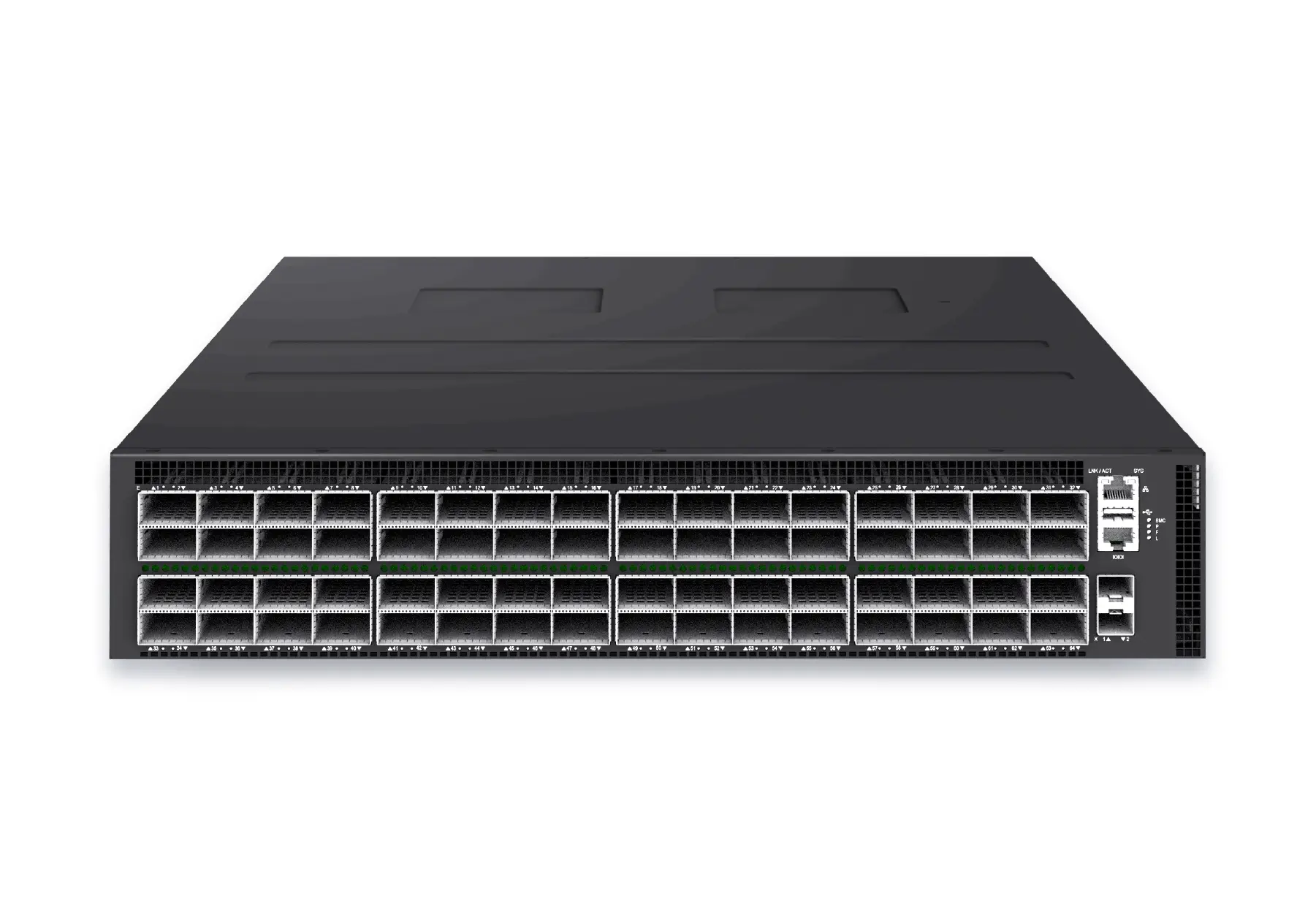 datacenter aiXS-DC-64X800-AI-G164-port 800G AI fabric switch for large-scale GPU clusters, HPC backbones, and ultra-high-throughput data center networks.View product
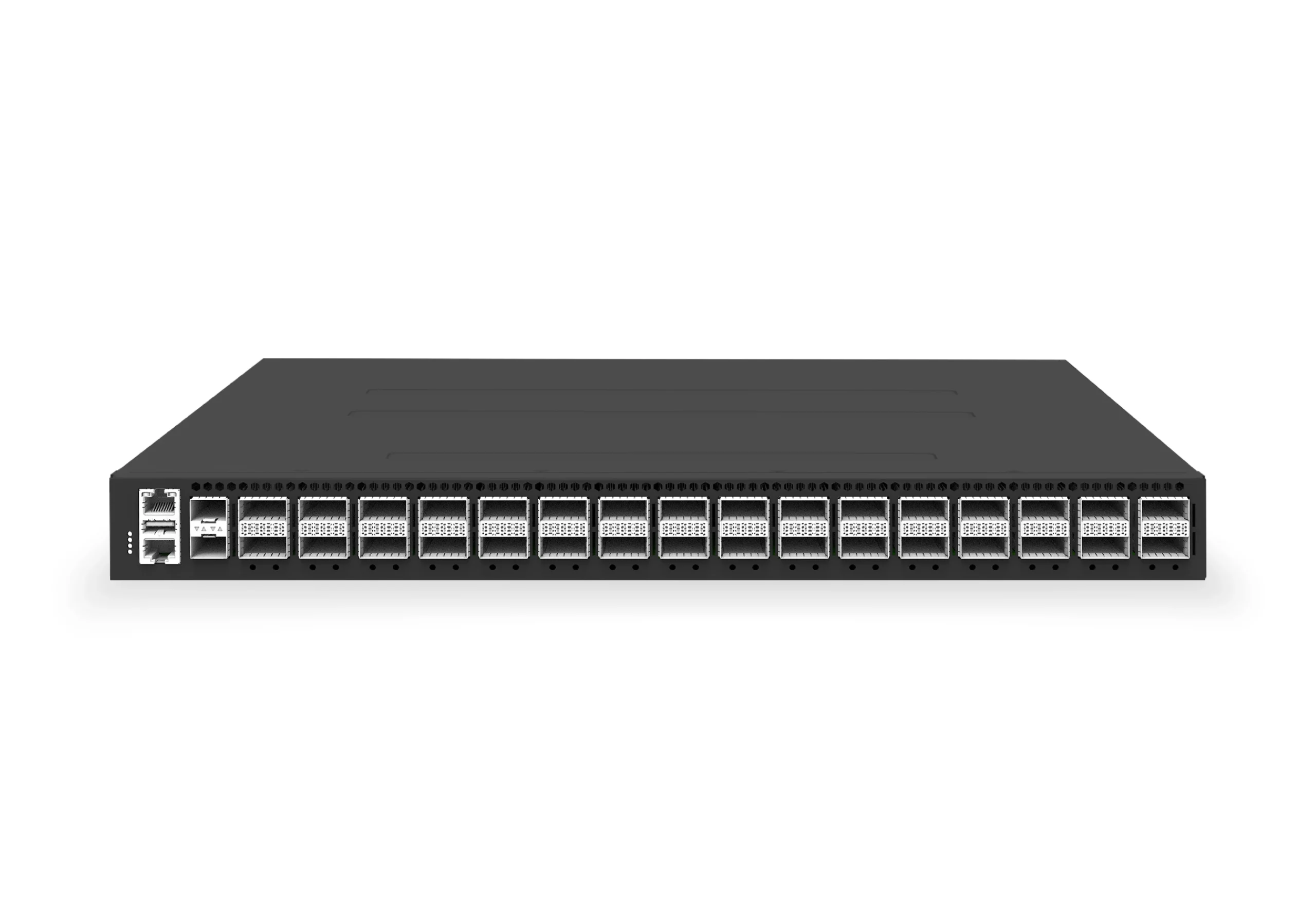 datacenter aiXS-DC-32X400-SP-G232-port 400G spine/core switch for high-capacity data center fabrics and AI-ready backbones.View product
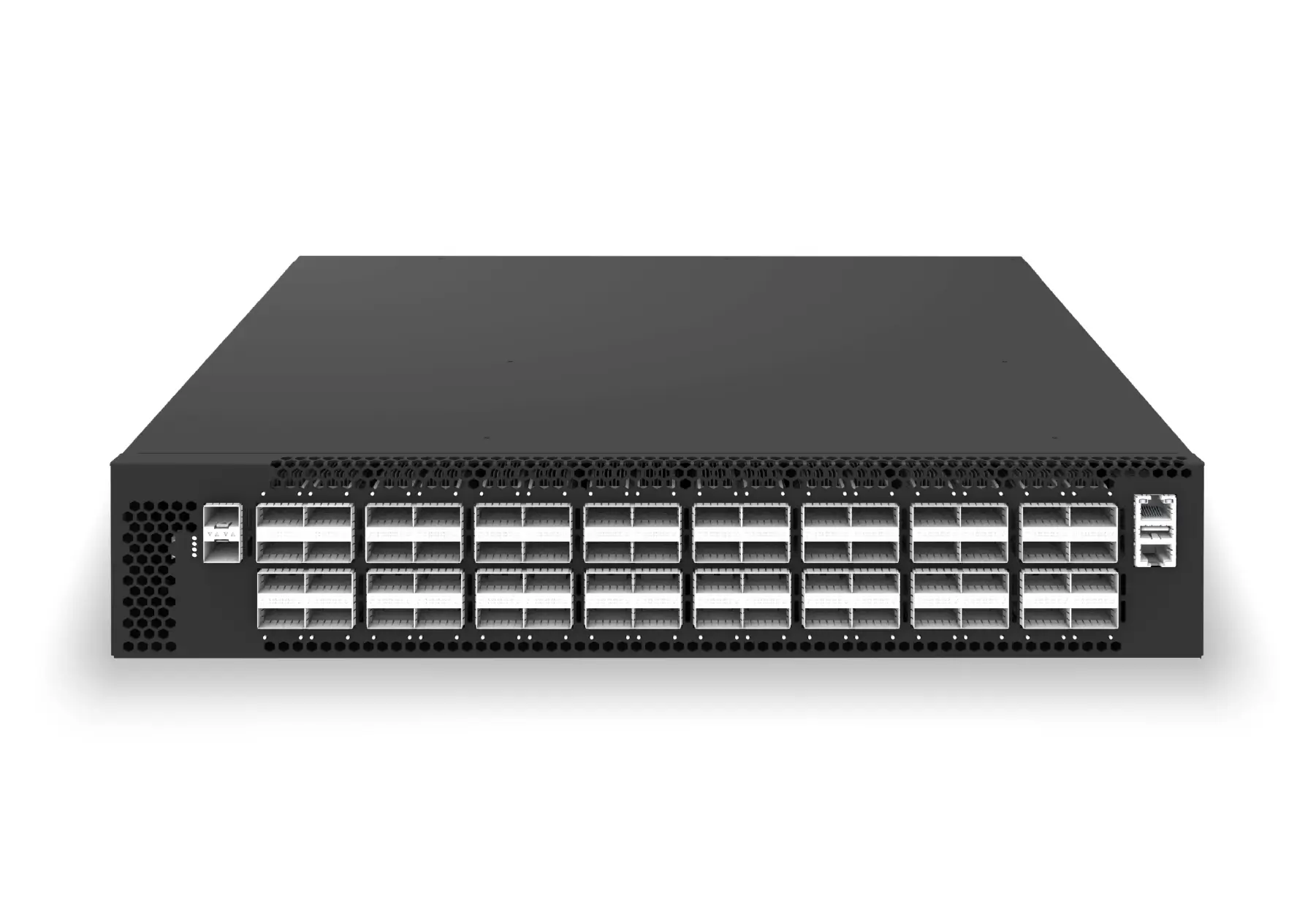 datacenter aiXS-DC-64X200-LS-G164-port 200G leaf/spine switch for high-bandwidth storage, compute, and scale-out data center fabrics.View product
Continue reading
Related articles
 Technical ArticleWhy Enterprise SONiC Is Gaining Ground in Campus Access and Aggregation: An Australian PerspectiveEngineering guide for campus switching teams covering PoE, access design, MC-LAG/STP risk, telemetry, support, and pilot validation.Read article
 Technical ArticleWhy Australian Enterprises Are Rethinking Campus Switching with Enterprise SONiCEngineering guide for campus switching teams covering PoE, access design, MC-LAG/STP risk, telemetry, support, and pilot validation.Read article
 Technical ArticleVirtual Chassis Without Vendor Lock-In: What SONiC Architecture Means for Campus Network Refresh in AustraliaAn engineering guide to virtual chassis without vendor lock-in, covering SONiC campus architecture, MC-LAG, stacking tradeoffs, PoE, 802.1X, and pilot validation.Read article