
In brief
A practical engineering analysis of where packet visibility gaps form, how packet brokers reduce them, and what Australian security teams should validate before deployment.
Key takeaways
- A visibility gap exists when production traffic is present on the network but absent, incomplete, duplicated, or unusable at the security tool.
- The job is not simply to copy packets. The job is to prove which packets were observed, which were filtered, which were replicated, which were dropped, and which tool received each feed.
- Packet broker filtering is only useful when the broker can parse the fields that matter.
Engineering Position
A visibility gap exists when production traffic is present on the network but absent, incomplete, duplicated, or unusable at the security tool. For Australian security and observability teams, the packet broker is the control point that turns raw TAP and SPAN feeds into evidence-grade tool delivery.
The job is not simply to copy packets. The job is to prove which packets were observed, which were filtered, which were replicated, which were dropped, and which tool received each feed. Without that proof, IDS, NDR, SIEM, packet capture, and performance tools are operating on assumption.
Where Visibility Gaps Form
1. SPAN oversubscription. Mirror ports are convenient, but they are not a capacity guarantee. If multiple source ports exceed the destination mirror bandwidth, the mirrored copy can drop while production traffic continues normally. That is the worst type of monitoring failure because the tool may not know it went blind.
2. Tool mismatch. A 100G or 400G link can easily overwhelm a 10G, 25G, or software-based inspection tool. Sending every packet to every tool wastes licensed throughput and hides useful evidence inside noise.
3. Duplicated observation points. The same flow may be captured at access, aggregation, internet edge, and data centre boundary points. Without deduplication, downstream tools can overcount sessions, inflate storage, and generate incorrect detections.
4. Tunnel opacity. VXLAN, GRE, MPLS, EVPN, and overlay designs can hide the inner workload flow from tools that only understand the outer tunnel. RFC 7348, RFC 2784, RFC 3031, and RFC 7432 are directly relevant here because they define the encapsulations that packet brokers must recognise or strip.
5. Poor evidence handling. A broker policy that is not versioned, logged, and tied to an incident timeline cannot support a serious post-incident review.
Why Packet Structure Matters
Packet broker filtering is only useful when the broker can parse the fields that matter. IPv4 datagrams are specified by RFC 791, IPv6 by RFC 8200, TCP by RFC 9293, and UDP by RFC 768. In practical broker policy, those standards become match fields: source and destination IP, transport ports, protocol number, fragmentation state, TCP flags, VLAN, VNI, and sometimes application headers.
For security monitoring, these fields drive decisions such as:
- Send DNS, TLS handshake, and authentication flows to NDR.
- Send database traffic involving regulated segments to packet capture.
- Slice packet payloads before delivery to lower-trust analytics tools.
- Preserve both directions of a TCP session when load balancing across IDS sensors.
- Decode or strip overlay headers before sending inner flows to tools that do not parse VXLAN or GRE.
What the Packet Broker Must Prove
| Requirement | Evidence to request |
|---|---|
| Ingress coverage | Source-to-broker map for every TAP, SPAN, virtual TAP, and routed handoff. |
| Capacity | Peak packet-rate and bandwidth tests, not only headline Gbps forwarding. |
| Filter accuracy | Pcap comparison showing each output port receives the intended flows only. |
| Loss accounting | Separate counters for ingress drops, filter drops, egress congestion, and tool backpressure. |
| Flow symmetry | Proof that stateful tools receive both directions of a conversation when required. |
| Deduplication | Test traffic with known duplicate captures and measured removal behaviour. |
| Tunnel handling | VXLAN, GRE, MPLS, and EVPN test cases using the site’s real encapsulations. |
| Auditability | Exported configuration, change logs, operator identity, and timestamped policy changes. |
Security and Compliance Context
NIST SP 800-137 frames continuous monitoring as ongoing awareness of security status, threats, vulnerabilities, and control effectiveness. NIST SP 800-94 separates IDPS design into placement, collection, analysis, and maintenance. A packet broker influences both: it decides what the sensors are able to observe.
For APRA-regulated organisations, CPS 234 requires information security capability commensurate with threats and vulnerabilities, systematic control testing, and incident response processes from detection through post-incident review. A visibility layer that cannot prove tool delivery weakens that evidence chain.
The ASD Essential Eight is not a packet broker standard, but Essential Eight uplift often increases the need for reliable detection and investigation. Packet brokers help feed the systems that verify whether hardening controls are actually working in production.
xSONiC Evaluation Angle
xSONiC packet broker evaluations should include a traffic delivery matrix, not just a product comparison. For each tool, document:
- Source ports and observation points.
- Required filters and exclusions.
- Full-payload, header-only, or metadata-only delivery.
- Required encapsulation handling.
- Accepted packet loss threshold.
- Tool capacity and backpressure behaviour.
- Operational owner and escalation path.
This connects naturally with packet broker platforms, INT telemetry, IPTPath telemetry, and AI fabric design. The broker supplies scoped packet evidence; telemetry explains path, queue, and congestion context.
Capacity Test Model
The broker should be tested with copied traffic, not production traffic averages. A 100G source link mirrored to 3 tools creates up to 300G of egress demand before filtering. A 400G AI fabric link with 25% sampled capture, 2 replicated security feeds, and 1 full-packet forensic feed can still exceed the tool budget if the broker cannot filter before replication.
Use a 30-minute lab run with at least 3 traffic classes: small packets to stress packet-per-second forwarding, jumbo frames to stress bandwidth, and mixed overlay traffic to prove VXLAN or GRE handling. Record ingress packets, accepted packets, filter drops, egress drops, queue depth, CPU load, and tool backpressure counters every 1 minute. The acceptance threshold should be explicit: for example, 0 unexplained egress drops during the agreed peak profile and 100% symmetric delivery for the stateful IDS feed.
This is also where evidence quality improves. If the packet broker can export counters and policy versions into the same incident timeline as SIEM, NDR, and packet capture tools, security teams can prove what the monitoring layer saw during an event rather than reconstructing it from assumptions.
Visibility Gap Checklist
- Identify every link, VLAN, VNI, and segment that must be observable.
- Mark which links are TAP-fed, SPAN-fed, virtually tapped, or currently invisible.
- Measure peak packet rate and bandwidth per source.
- Define what each downstream tool needs and what it must not receive.
- Test filter output with pcaps from every broker egress port.
- Test tunnel handling using real overlay traffic.
- Test tool backpressure and broker drop counters.
- Store the broker configuration and policy changes with incident records.
Bottom Line
Visibility gaps are not abstract. They become missed lateral movement, incomplete packet captures, weak incident timelines, and unreliable performance data. A well-designed packet broker layer closes those gaps only when it is capacity-tested, policy-controlled, and auditable.
Engineering FAQ
What should be measured before sizing a packet broker? Measure source link speed, 95th-percentile utilisation, burst peaks, replication factor, filter complexity, tunnel handling needs, and tool-port capacity. Packet broker sizing fails when it is based on average traffic rather than copied and filtered traffic.
What proves that a visibility design is production ready? The design should prove aggregation, filtering, replication, load balancing, packet slicing or deduplication if required, and tool failover under realistic traffic. Security teams should also verify that drops are reported rather than hidden.
Where do Australian buyers most often under-scope visibility projects? The common gaps are east-west data centre traffic, encrypted or tunneled flows, AI cluster bursts, retention requirements, and tool oversubscription. A procurement brief should model those before asking vendors for a bill of materials.
Related xSONiC Resources
Sources Reviewed
- RFC 791 - Internet Protocol
- RFC 8200 - Internet Protocol, Version 6
- RFC 9293 - Transmission Control Protocol
- RFC 7348 - VXLAN
- RFC 7432 - BGP MPLS-Based Ethernet VPN
- ACSC Essential Eight
- OAIC Notifiable Data Breaches
- APRA CPS 234 Information Security
- NETSCOUT Network Packet Definition
- Cloudflare Network Packet Definition
- SONiC Project Documentation
- Broadcom Ethernet Switching
- Marvell Switching
- NVIDIA Ethernet Switching
- Open Compute Networking
- SONiC GitHub
- SONiC Foundation
Product fit
Products referenced for evaluation
These products are referenced for evaluation context in the article. Confirm workload, port, optics, software, interoperability, and support requirements against the exact deployment before procurement.
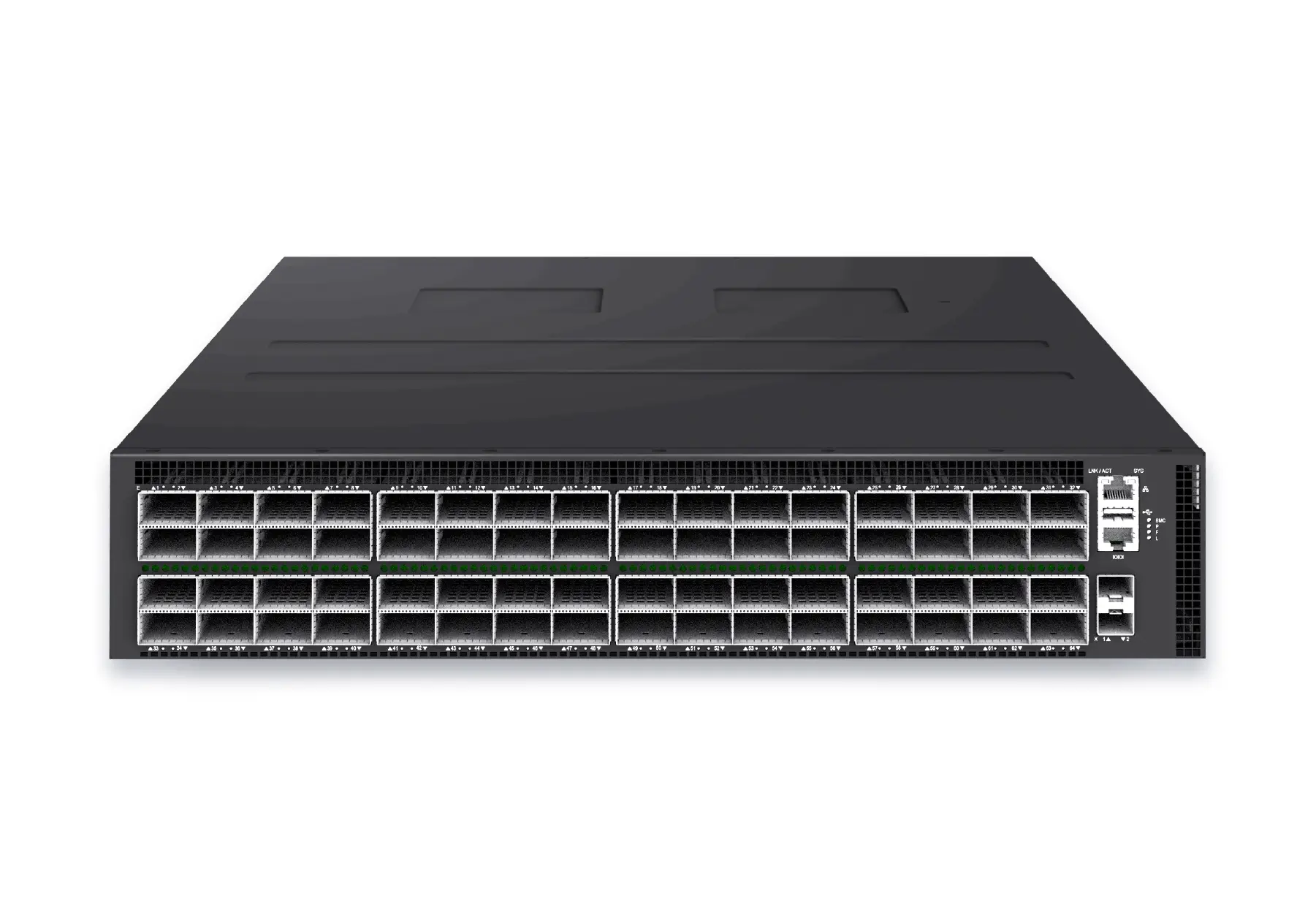 datacenter aiXS-DC-64X800-AI-G164-port 800G AI fabric switch for large-scale GPU clusters, HPC backbones, and ultra-high-throughput data center networks.View product
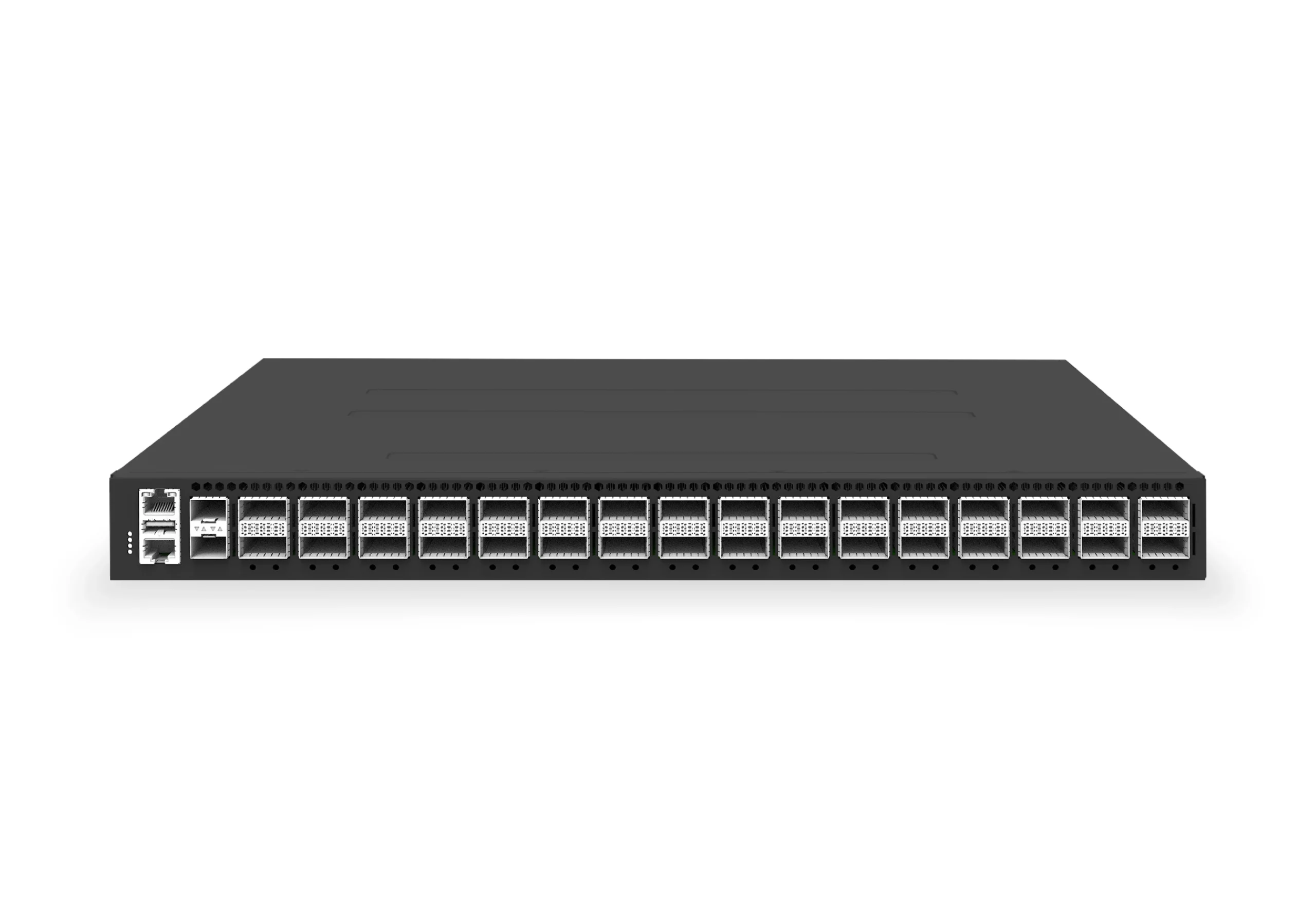 datacenter aiXS-DC-32X400-SP-G232-port 400G spine/core switch for high-capacity data center fabrics and AI-ready backbones.View product
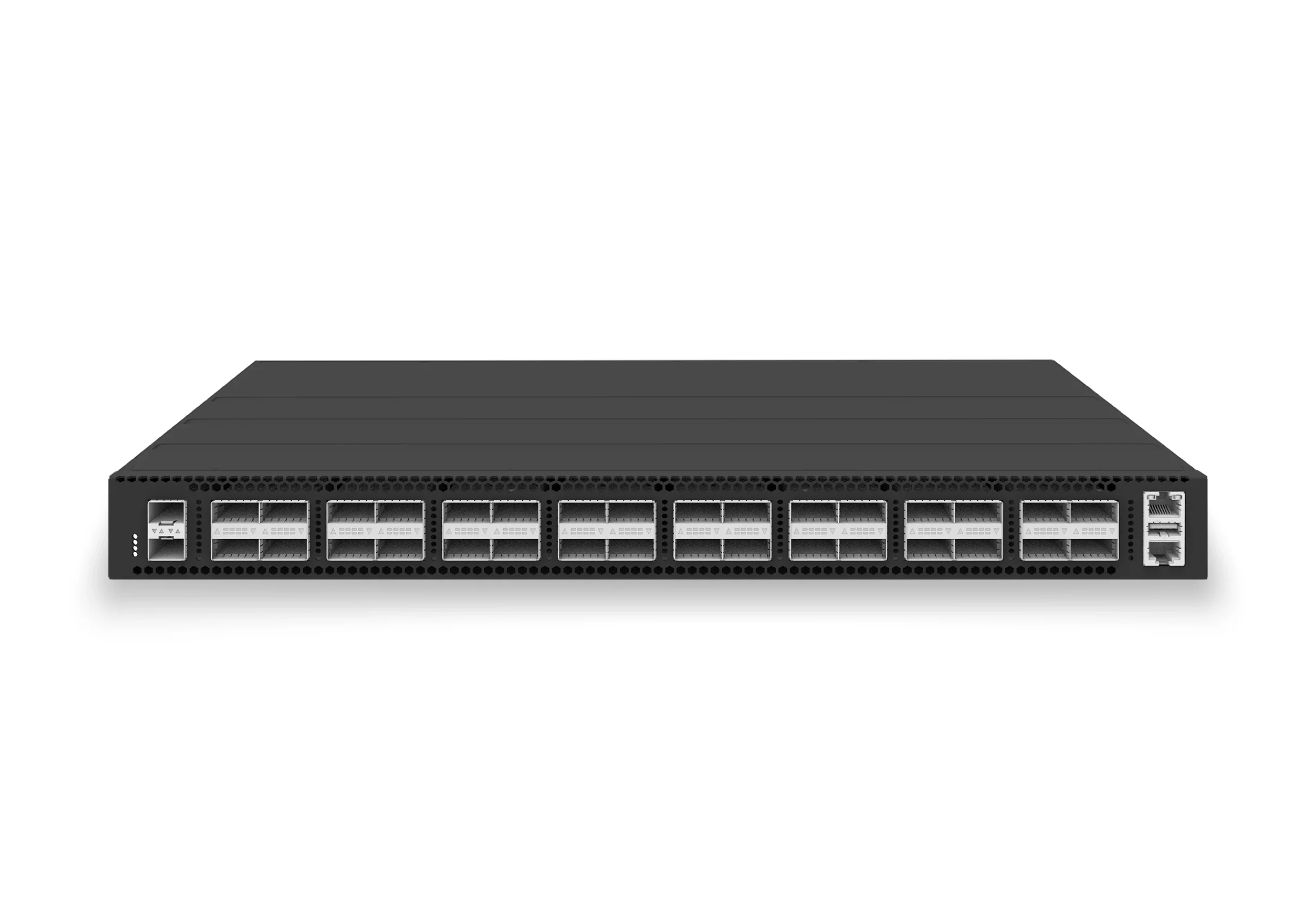 datacenter aiXS-DC-32X100-LS-G232-port 100G leaf/spine switch for VXLAN fabrics, RoCE-ready workloads, and tenant-scale routing.View product
Continue reading
Related articles
 Technical ArticleNetwork Packet Broker Deployment for Australian NetworksEngineering guidance on Network Packet Broker Deployment Playbook for Australian network and security teams, covering traffic visibility, capacity modelling, tool.Read article
 Technical ArticleNetwork Packet Broker Deployment Playbook for Australian Enterprise NetworksA practical engineering guide for Australian network architects and security teams deploying packet brokers for TAP/SPAN aggregation, filtering, tunnel handling, and tool delivery.Read article
 Technical ArticleINT Telemetry and Path Visibility for AI Data Center Switches: An xSONiC Deployment PlaybookEngineering guidance on INT Telemetry and Path Visibility for AI Data Center Switches for Australian network operators, covering gNMI, NETCONF/YANG, OpenConfig.Read article