In brief
Engineering guidance on Broadcom vs Marvell Switch Silicon for SONiC for Australian campus teams, covering PoE budgets, access-layer resilience, migration risk.
Key takeaways
- SONiC (Software for Open Networking in the Cloud) decouples the network operating system from the underlying hardware through the Switch Abstraction Interface (SAI).
- For Australian data center operators, campus network architects, and AI infrastructure builders evaluating open networking, the silicon decision narrows to two dominant families: Broadcom switch ASIC families and Marvell Prestera/Teralynx series.
- Broadcom switch ASIC families with generation-specific forwarding, buffer, and telemetry capabilities has been the dominant switch silicon in hyperscale and cloud data center networks for over a decade.
Why Switch Silicon Choice Matters for SONiC Deployments
SONiC (Software for Open Networking in the Cloud) decouples the network operating system from the underlying hardware through the Switch Abstraction Interface (SAI). This architecture lets buyers run the same NOS on switches from different vendors and with different ASICs. However, SAI is an abstraction layer, not an equalizer. The depth, maturity, and performance characteristics of each silicon vendor’s SAI implementation vary significantly, and those differences directly affect which SONiC features actually work on a given platform.
For Australian data center operators, campus network architects, and AI infrastructure builders evaluating open networking, the silicon decision narrows to two dominant families: Broadcom switch ASIC families and Marvell Prestera/Teralynx series. Both have production SONiC deployments. Neither is universally superior. The right choice depends on your workload profile, scale, feature requirements, and supply chain preferences.
The Two Silicon Families: Broadcom switch silicon Switch and Marvell Prestera/Teralynx
Broadcom switch ASIC families with generation-specific forwarding, buffer, and telemetry capabilities has been the dominant switch silicon in hyperscale and cloud data center networks for over a decade. Broadcom’s SAI implementation is the most mature in the SONiC ecosystem, largely because Microsoft Azure’s production SONiC deployment historically ran on Broadcom silicon. This means the Broadcom SAI codebase has had the most production hardening and the broadest feature coverage in SONiC Community Edition.
Marvell’s switch silicon portfolio includes the Prestera family for enterprise and campus deployments and the Teralynx family targeted at data center and AI fabric workloads. Marvell has invested significantly in SONiC SAI support, and several ODM switch vendors ship Marvell-based platforms with SONiC compatibility. Marvell positions Teralynx as a competitive alternative for high-bandwidth, low-latency data center fabrics.
NVIDIA Spectrum switches, which use NVIDIA Spectrum switch silicon, also support SONiC through Pure SONiC. However, this guide focuses on the Broadcom vs Marvell comparison because those two vendors dominate the bare-metal and white-box switch market that SONiC’s open networking model primarily targets.
Key point: SAI maturity is not just about feature checkboxes. It includes how well features perform under production load, how quickly bug fixes ship, and how well the SAI driver integrates with SONiC’s containerized architecture. Broadcom has a multi-year head start in production SONiC deployments. Marvell is closing the gap but requires careful validation for each use case.
SAI Feature Coverage: Where the Gaps Are
The SONiC feature set is extensive: Layer 2 switching, Layer 3 routing (BGP, OSPF), EVPN-VXLAN, QoS, ACLs, port mirroring, telemetry (INT, gNMI), and RDMA features like RoCE v2, DCBX, PFC, and ECN. Not all features are equally supported across all SAI implementations.
Broadcom SAI generally has the broadest feature coverage for SONiC Community Edition, particularly for:
- BGP and advanced routing features
- EVPN-VXLAN overlay networking
- QoS and traffic management with deep buffer configurations
- ACL scale and flexibility
- Telemetry and INT support
Marvell SAI covers core Layer 2/Layer 3 features well and has been improving data center feature support. Key areas to validate before committing to Marvell silicon for production SONiC include:
- RoCE v2 and DCBX feature completeness and performance
- EVPN-VXLAN scale and multi-tenancy support
- INT telemetry pipeline support
- Buffer management and PFC behavior under congestion
For AI fabric and GPU backend workloads that require RoCE v2, lossless Ethernet, and RDMA optimizations, the SAI feature gap between Broadcom and Marvell becomes critical. Teams must run feature validation tests against their specific SONiC version and ASIC revision before procurement.
Decision Criteria Matrix
Use the following decision criteria to map your deployment requirements to the appropriate silicon family. This matrix is a starting framework and must be validated against current SONiC release notes and your ODM partner’s platform support.
| Decision Criterion | Broadcom switch ASIC advantage | Marvell Prestera/Teralynx Advantage | Equal or Validate |
|---|---|---|---|
| SAI maturity in SONiC Community | More production-hardened codebase, longer history | Improving, but narrower production track record | — |
| RoCE v2 / RDMA workload support | Deeper SAI support for lossless Ethernet features | Validate per Teralynx generation | Broadcom |
| EVPN-VXLAN overlay scale | Production-proven at hyperscale | Available but validate scale limits | Broadcom |
| Bare-metal switch availability (ODM) | Widest ODM platform selection | Growing ODM availability, fewer validated models | Broadcom |
| Campus / access use cases | Available but not primary focus | Prestera family designed for campus | Marvell |
| Price competitiveness | Premium silicon, higher BOM | Potential BOM savings on some models | Marvell |
| AI fabric (400G/800G spine-leaf) | Broadcom switch ASIC generations for 400G/800G | Teralynx targeting 800G | Validate |
| INT / telemetry support | Broad SAI telemetry support | Validate per ASIC and SONiC version | Broadcom |
| Supply chain diversity | Single-vendor dependency risk | Adds second-source option | Marvell |
| Broadcom switch ASIC for campus PoE | Limited PoE-optimized ASICs | Prestera family has PoE campus models | Marvell |
This table represents a decision framework, not a guaranteed feature comparison. All cells marked ‘Validate’ require confirmation against specific ASIC models, SAI versions, and SONiC release compatibility before procurement.
Deployment Checklist: Broadcom switch ASIC platforms
Before deploying SONiC on Broadcom-based bare-metal switches, work through this checklist:
- ASIC and platform validation
- Confirm the specific Memory Switch ASIC generation (Memory Switch, Memory Switch, Memory Switch) and SAI version supported
- Check the SONiC supported devices wiki for your exact switch model and ONIE compatibility
- Verify the SAI pipeline profile matches your feature requirements (L3, EVPN-VXLAN, RoCE, ACL scale)
- SONiC image and SAI driver
- Download the SONiC image built for your platform from the SONiC community builds or your enterprise SONiC distribution
- Confirm SAI driver version compatibility with your target SONiC release
- Test critical features in a lab environment before production deployment
- RDMA and lossless Ethernet (if required)
- Validate PFC, ECN, and DCBX configuration through SAI APIs
- Run RoCE v2 traffic tests with your actual server NICs (Mellanox/NVIDIA ConnectX or Broadcom NetXtreme)
- Confirm buffer allocation and headroom behavior under congestion
- EVPN-VXLAN overlay
- Verify VNI scale meets your tenant segmentation requirements
- Test MAC-VRF and IP-VRF route target configurations
- Confirm VXLAN decap/encap performance at line rate
- Telemetry and observability
- Test gNMI streaming telemetry for interface counters and queue depths
- Verify INT support if you require in-band network telemetry
- Confirm SONiC sFlow or port mirroring for traffic analysis
- ODM and supply chain
- Source bare-metal switches from validated ODM vendors (Accton/Edgecore, Delta, Celestica, Quanta, etc.)
- Confirm Australian distributor stock availability and lead times
- Negotiate firmware update and SAI patch support terms with your ODM partner
Deployment Checklist: Marvell Prestera/Teralynx Platforms
Before deploying SONiC on Marvell-based bare-metal switches, work through this checklist:
- ASIC and platform validation
- Identify the specific Marvell ASIC family: Prestera (campus/access) or Teralynx (data center)
- Check the SONiC supported devices wiki for Marvell platform compatibility
- Confirm SAI pipeline profile and feature completeness for your workload
- SONiC image and SAI driver
- Verify SONiC image availability for your Marvell-based switch model
- Check SAI driver version and confirm it ships with the SONiC release you plan to deploy
- Test in lab before production; Marvell SAI may have a shorter production track record
- RDMA and lossless Ethernet (if required)
- Critically validate PFC, ECN, and DCBX through SAI on Marvell silicon
- Run RoCE v2 traffic tests with your server NICs
- Confirm buffer management behavior; Marvell buffer architecture differs from Broadcom
- This is the highest-risk area for Marvell in data center SONiC deployments
- EVPN-VXLAN overlay
- Verify VNI scale and multi-tenancy support through SAI
- Test MAC-VRF and IP-VRF configurations
- Confirm VXLAN performance characteristics
- Campus and PoE (if applicable)
- For Prestera-based campus switches, validate PoE budget management through SONiC
- Confirm VLAN, STP, and access port configuration support
- Test PoE power delivery with your AP and endpoint devices
- ODM and supply chain
- Identify which ODMs ship Marvell-based SONiC-validated platforms
- Confirm Australian availability; Marvell-based platforms may have narrower distribution
- Negotiate SAI update and bug fix support terms
AI Fabric and GPU Backend Considerations
For AI fabric and GPU backend network deployments, silicon choice has outsized impact. AI training clusters and GPU inference fabrics require:
- Lossless Ethernet with PFC and ECN for RoCE v2 RDMA traffic
- Deep or flexible buffer management to handle incast patterns
- Low and predictable latency across the spine-leaf fabric
- DCBX for automated QoS negotiation between NICs and switches
- INT or equivalent telemetry for fabric health monitoring
- 400G and 800G port density for GPU-to-GPU backend connectivity
Broadcom switch silicon currently has the most mature SAI support for these features in SONiC. Production AI fabric deployments at hyperscale cloud providers have historically used Broadcom silicon, which means the SAI codebase for RDMA and lossless Ethernet features has the most production validation.
Marvell Teralynx is positioned as a data center and AI fabric ASIC, and Marvell has been investing in SONiC SAI support for RDMA features. However, buyers deploying AI fabrics in production should run comprehensive validation testing before committing to Marvell silicon for lossless Ethernet workloads.
The NVIDIA Spectrum silicon family is also a strong option for AI fabrics through Pure SONiC, particularly for buyers already invested in the NVIDIA networking ecosystem (ConnectX NICs, DOCA software, NetQ observability). This guide focuses on Broadcom vs Marvell, but the NVIDIA option should be evaluated alongside both.
For Australian AI infrastructure buyers, the key risk is deploying Marvell-based SONiC switches for GPU backend fabric without first validating RoCE v2, PFC, and DCBX behavior under production AI training traffic patterns. This validation must happen in a lab environment that mirrors your actual GPU cluster topology.
Campus and Access Network Considerations
For enterprise campus and access network SONiC deployments in Australia, the silicon evaluation shifts away from RDMA and AI fabric features toward:
- PoE power budget management and per-port PoE control
- VLAN segmentation, STP/RSTP, and access port configuration
- QoS for voice, video, and data traffic prioritization
- Policy-based routing (PBR) and inter-VLAN routing
- Virtual chassis or MC-LAG for redundancy
- NETCONF/YANG for centralized management
Marvell Prestera has a stronger position in the campus and access switch market, with ASICs designed specifically for PoE edge and aggregation use cases. Broadcom has campus-capable silicon but is less focused on this segment.
For Australian campus refresh projects evaluating SONiC as an alternative to traditional vendor-locked campus switches, Marvell Prestera-based platforms may offer a better fit for PoE access and aggregation layers. However, SONiC’s campus feature set is less mature than its data center feature set, regardless of silicon vendor.
Engineering FAQ
What should be tested before moving campus switching to SONiC or open networking? Test PoE behaviour, NAC integration, VLAN and policy design, STP or MC-LAG interaction, multicast, monitoring, upgrade rollback, and help-desk workflows. Campus readiness is an operations test, not only a forwarding test.
Where do campus refresh projects usually carry hidden risk? The risk often sits in closets: power budget, old cabling, undocumented uplinks, mixed endpoint types, voice devices, cameras, badge systems, and change windows. Those details should be inventoried before selecting switch models.
How should Australian campus teams structure a pilot? Choose one representative site or building, document endpoint classes, run PoE and failover tests, verify monitoring, train operations staff, and define rollback steps before expanding to the broader estate.
Related xSONiC Resources
Sources Reviewed
- IEEE 802.1Q Bridges and Bridged Networks
- IEEE 802.1AX Link Aggregation
- Ethernet Network Adapters - ConnectX NICs | NVIDIA
- NVIDIA BlueField Data Processing Unit
- NVIDIA Spectrum-X Ethernet Platform
- OpenConfig gNMI Specification
- OpenConfig
- RFC 7950 - The YANG 1.1 Data Modeling Language
- RFC 6241 - Network Configuration Protocol (NETCONF)
- IEEE 802.11be Wireless LAN Standard
- IEEE 802.3bt Power over Ethernet
- SONiC Project Documentation
- Broadcom Ethernet Switching
- Marvell Switching
- NVIDIA Ethernet Switching
- Open Compute Networking
- SONiC GitHub
- SONiC Foundation
Product fit
Products referenced for evaluation
These products are referenced for evaluation context in the article. Confirm workload, port, optics, software, interoperability, and support requirements against the exact deployment before procurement.
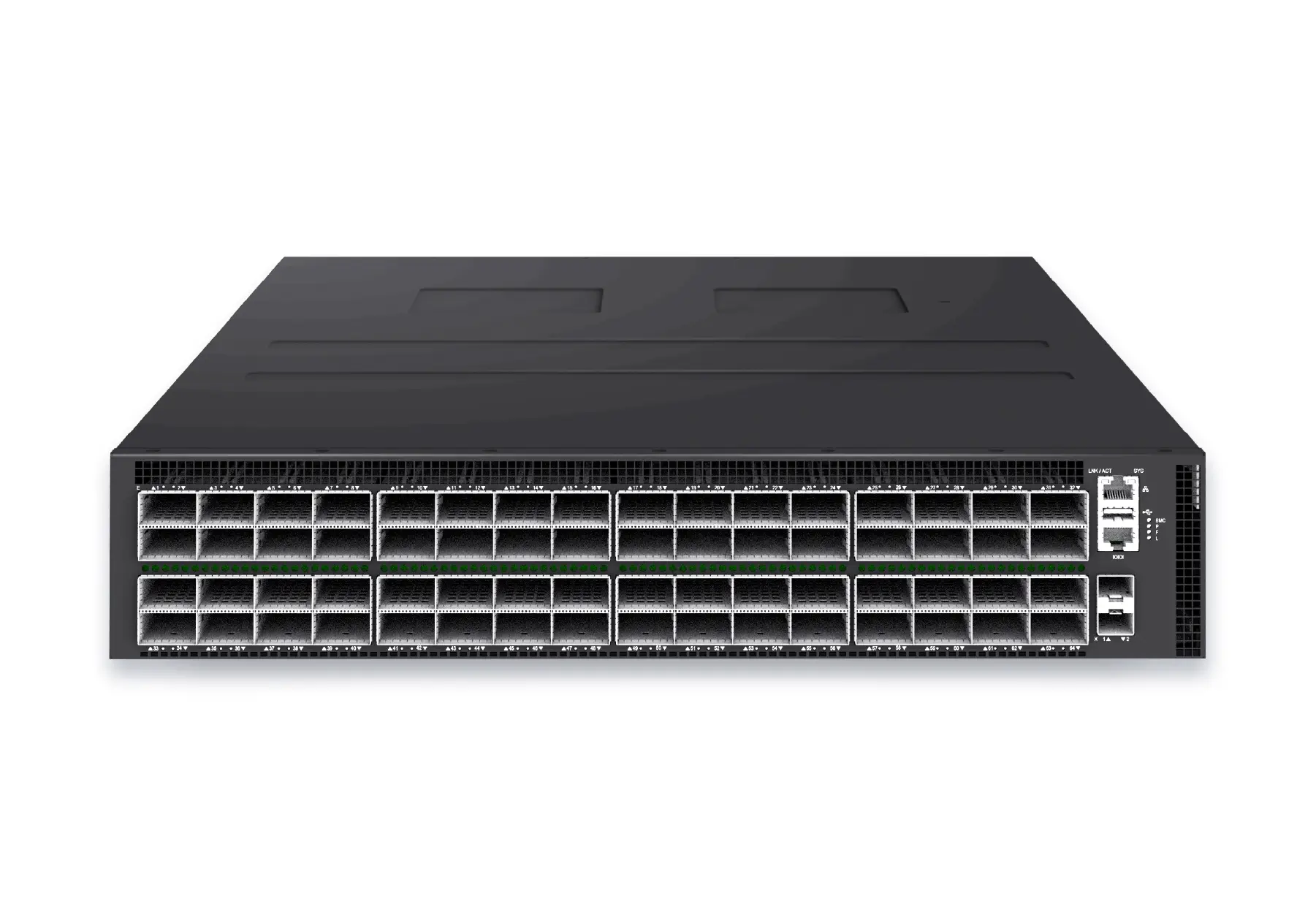 datacenter aiXS-DC-64X800-AI-G164-port 800G AI fabric switch for large-scale GPU clusters, HPC backbones, and ultra-high-throughput data center networks.View product
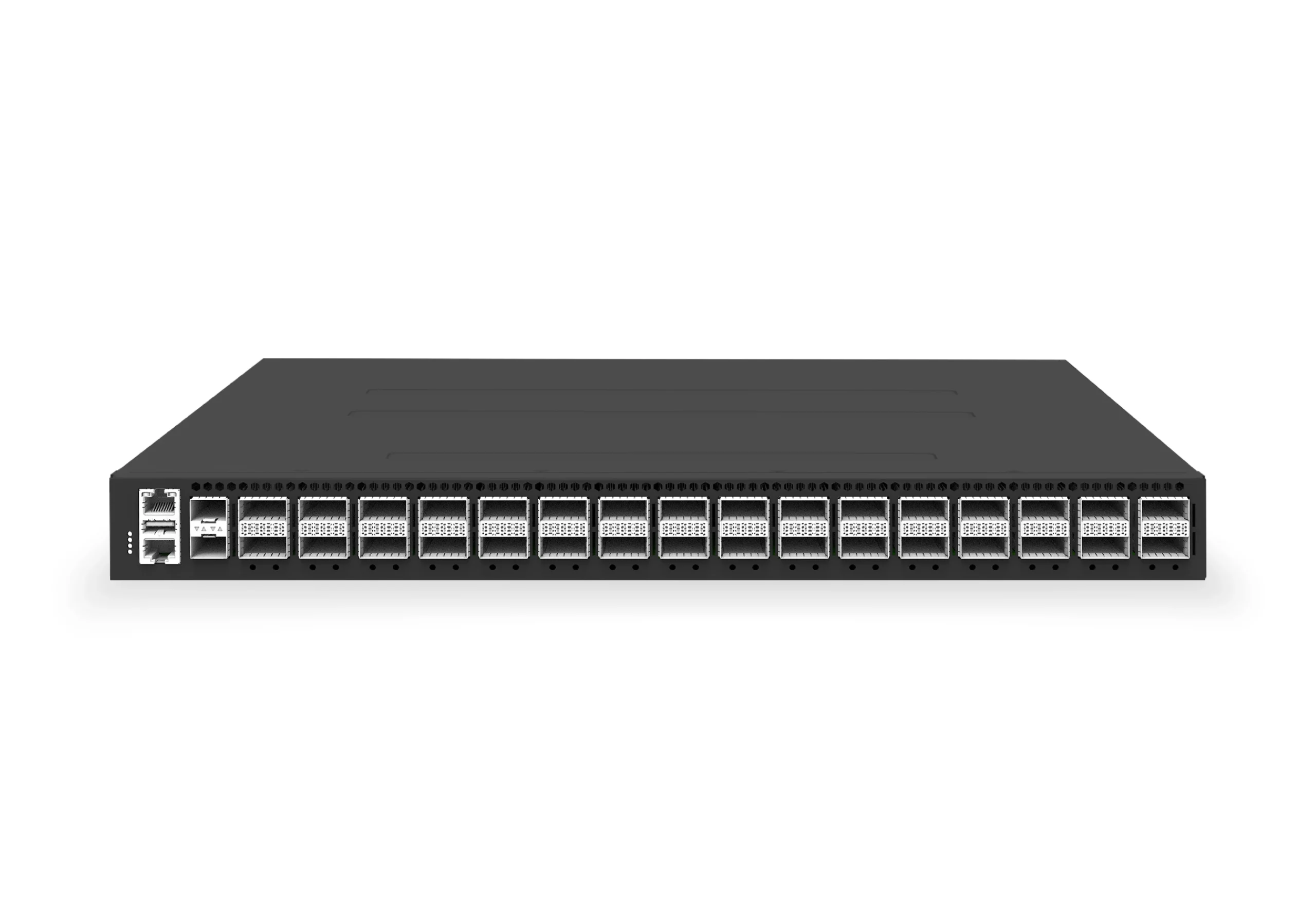 datacenter aiXS-DC-32X400-SP-G232-port 400G spine/core switch for high-capacity data center fabrics and AI-ready backbones.View product
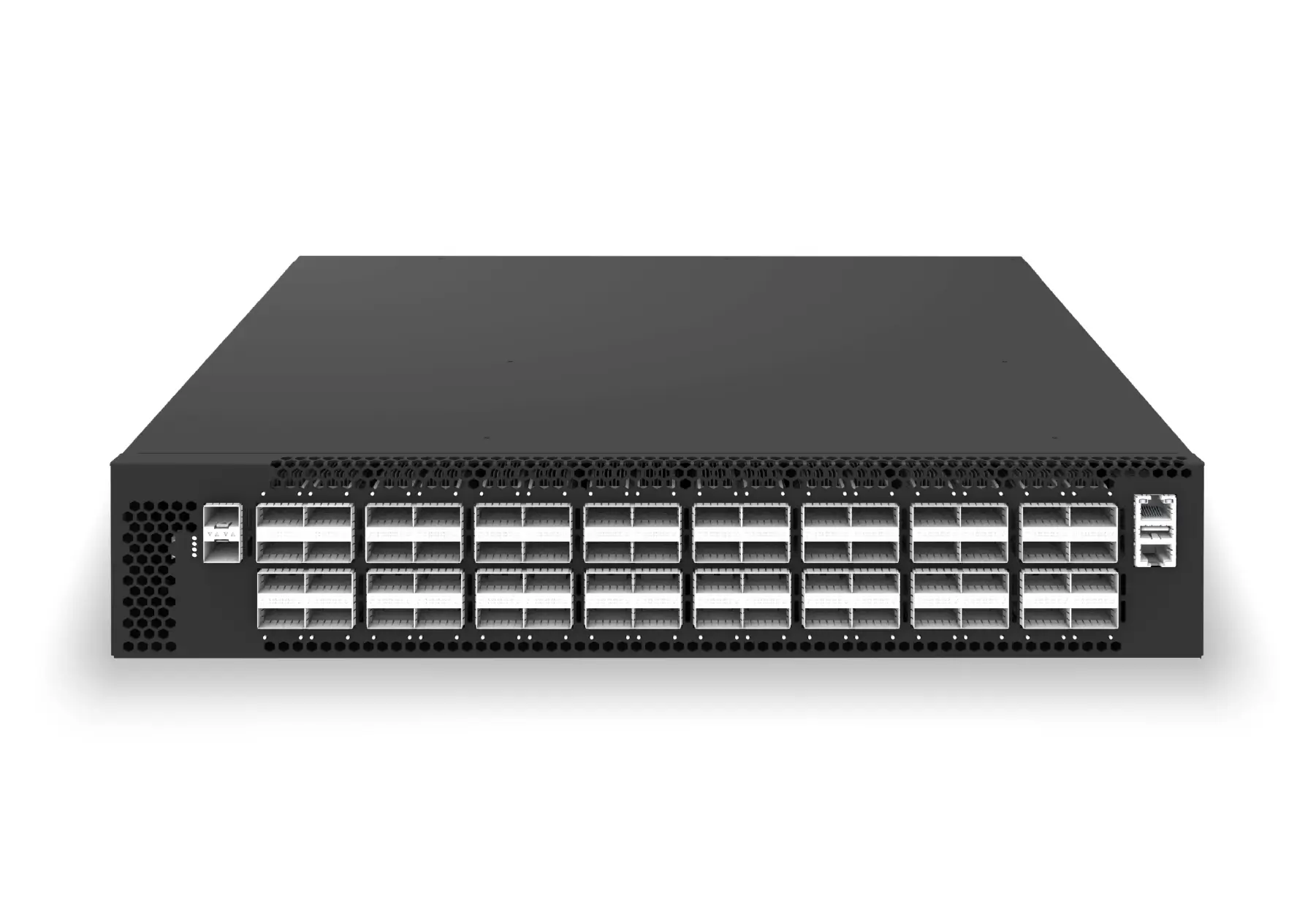 datacenter aiXS-DC-64X200-LS-G164-port 200G leaf/spine switch for high-bandwidth storage, compute, and scale-out data center fabrics.View product
Continue reading
Related articles
 Technical ArticleWhat AI Fabric Ethernet Switching Requires: A Buyer Guide for SONiC-Based Data CentersEngineering guidance on AI Fabric Ethernet Switching Requires for Australian network and security teams, covering traffic visibility, capacity modelling, tool feeds.Read article
 Technical ArticleProprietary Switch OS Lock-in vs Enterprise SONiC: An Australian Buyer Migration AnalysisMigration analysis for Australian buyers comparing proprietary switch OS lock-in with Enterprise SONiC pilot, support, automation, and TCO evidence.Read article
 Technical ArticleWhite Box Switch vs Traditional Switch: What Enterprise Buyers in Australia Need to KnowEngineering comparison of white-box and traditional switches for Australian enterprise buyers, covering SONiC, support, optics, risk, and TCO.Read article