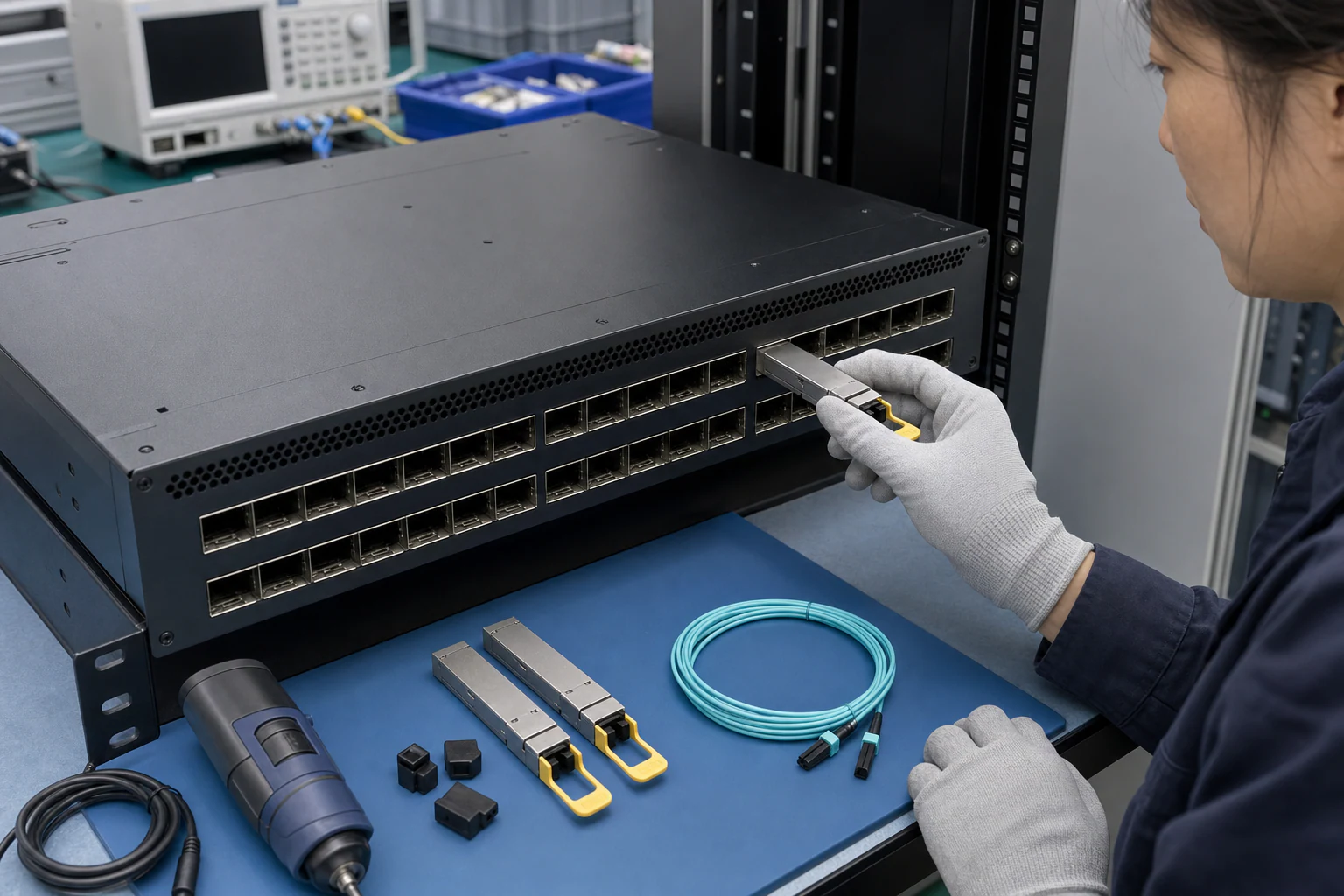
In brief
Engineering guide for 400G and 800G optics planning covering form factor, reach, telemetry, thermal limits, supply risk, and validation.
Key takeaways
- For Australian enterprise and data center network architects, the question is no longer whether to plan for 400G and 800G optical connectivity.
- 400G QSFP-DD and OSFP transceivers are already shipping in volume from multiple suppliers.
- The practical challenge for Australian buyers is that this transition creates real planning complexity.
The 400G-to-800G Transition Is Not a Future Event for Australian Networks
For Australian enterprise and data center network architects, the question is no longer whether to plan for 400G and 800G optical connectivity. It is how to plan for it without locking into a form factor, cable type, or vendor path that creates a dead end two refresh cycles from now.
400G QSFP-DD and OSFP transceivers are already shipping in volume from multiple suppliers. 800G modules based on the QSFP-DD800 and OSFP form factors are entering early production. Meanwhile, Australian data center operators face a compounding set of pressures: AI workload demand is driving GPU cluster interconnect requirements that 100G and even 200G links cannot serve, hyperscale cloud regions in Sydney and Melbourne are absorbing dark fiber capacity, and enterprise campus networks are starting to need 400G uplinks at the aggregation layer.
The practical challenge for Australian buyers is that this transition creates real planning complexity. The choice between QSFP-DD and OSFP, between direct attach copper (DAC) and active optical cables (AOC), and between breakout and straight-through cabling has downstream effects on switch port density, power budgets, cable management, and long-term upgrade flexibility.
QSFP-DD vs OSFP: The Form Factor Decision Australian Buyers Face
The two dominant form factors for 400G and 800G optics are QSFP-DD (Quad Small Form Factor Pluggable Double Density) and OSFP (Octal Small Form Factor Pluggable). Both support 400G today, and both have 800G variants on the market or in development.
QSFP-DD has a backward compatibility advantage: a QSFP-DD port can accept legacy QSFP+ and QSFP28 modules with an adapter or directly, depending on the switch platform. This matters for Australian enterprises running mixed 100G/400G environments during a multi-year migration. The QSFP-DD form factor is widely supported by switch silicon from major ASIC vendors and has strong adoption across enterprise SONiC-compatible platforms.
OSFP is slightly larger and has its own thermal and power advantages for 800G and beyond. It was designed with 800G in mind from the outset, and the OSFP Multi-Source Agreement (MSA) group has published specifications targeting 1.6T future roadmap. However, OSFP does not have backward compatibility with QSFP ports, which means a switch platform built around OSFP is a clean-sheet deployment decision.
For Australian data center buyers planning new spine-leaf fabrics for AI or general compute, the practical question is: does the switch platform you are evaluating support QSFP-DD, OSFP, or both? The answer shapes every downstream optics and cable decision.
DAC vs AOC vs Fiber: Cable Planning That Avoids Rework
Within the 400G and 800G optics ecosystem, the cable type decision is just as important as the transceiver form factor.
Direct Attach Copper (DAC) cables are the lowest-cost option for short-reach connections, typically under 5 meters. For intra-rack or adjacent-rack connections in a data center pod, 400G DAC cables offer a plug-and-play solution with no separate transceiver module needed. The tradeoff is reach limitation and the weight and stiffness of high-speed copper cable bundles at 400G speeds.
Active Optical Cables (AOC) extend reach to 30-100 meters depending on the variant, with lighter and more flexible cable runs than DAC. AOCs integrate the transceiver and cable into a single assembly, simplifying procurement but creating a single point of failure that requires full cable replacement if a connector fails.
For runs beyond 100 meters, or where flexibility to swap transceivers independently from the cable plant is important, discrete transceiver modules (SR4, SR8, DR4, FR4, LR4) paired with fiber patch cords remain the standard approach. The 400G SR4 and DR4 modules use parallel fiber (MPO/MTP connectors), while FR4 and LR4 use duplex single-mode fiber, which can leverage existing single-mode cabling infrastructure.
For Australian buyers, the cable planning conversation must also account for local data center rack density, cable tray capacity, and the reality that many Australian enterprise data centers are smaller footprint facilities where intra-rack and short inter-rack connections dominate.
Breakout Cabling: A Practical Strategy for Phased 400G Migration
One of the most practical deployment patterns for Australian enterprises moving to 400G is breakout cabling. A single 400G QSFP-DD port can break out to 4x 100G or 2x 200G connections using appropriate breakout DAC or fiber assemblies.
This matters because not every device in a fabric needs a 400G connection on day one. In a typical AI cluster deployment, the spine switches may run 400G uplinks while leaf switches serving compute nodes use 100G or 200G server-facing ports. Breakout cabling lets an architect deploy 400G-capable spine switches now and progressively migrate leaf and server connections without replacing the spine layer.
For 800G planning, the breakout math becomes even more favorable: a single 800G port can break out to 2x 400G, 4x 200G, or 8x 100G, depending on the module type. This provides a clear scaling path from current 400G deployments.
Australian buyers evaluating this approach should confirm that their target switch platform and NOS (such as Enterprise SONiC) support the specific breakout mode they plan to use, as not all platforms support all breakout configurations on all port types.
The AI Fabric Accelerant: Why 400G/800G Planning Has a Deadline
The most aggressive driver of 400G and 800G adoption in Australian data centers is AI infrastructure. GPU cluster interconnects for training and inference workloads demand high-bandwidth, low-latency fabric links that 100G cannot deliver.
In a typical GPU backend fabric, each GPU server with 8 GPUs may require multiple 400G or 200G connections to the leaf switch layer. A training cluster with 64 or more GPU servers can saturate a 400G spine fabric quickly, making 800G spine uplinks a near-term planning requirement rather than a future consideration.
Australian organizations deploying private AI infrastructure for compliance, data sovereignty, or latency reasons face the same interconnect requirements as global hyperscalers, but often with smaller initial cluster sizes. This creates a planning sweet spot: deploy 400G leaf-to-spine now with 800G-ready spine switches, and use breakout cabling to serve 100G/200G server connections until the GPU fleet justifies full 400G server-to-leaf links.
The xSONiC AI Fabric and GPU Backend Fabric solution pillars are designed around this exact deployment pattern, using Enterprise SONiC-based switches with QSFP-DD ports and modular optics to support phased scaling.
What Australian Buyers Should Watch: Lead Times, Compliance, and Sourcing
Australian data center operators face specific procurement considerations for 400G and 800G optics and cables that buyers in larger markets may not encounter with the same intensity.
Sourcing strategy also matters. Buying optics through the switch vendor’s branded channel typically costs 3-10x more than sourcing compatible third-party or open networking optics, but it simplifies support escalation. For Australian organizations with lean network teams, the support model may matter more than the optics price delta. For organizations with in-house engineering capability, open networking optics from vendors like xSONiC offer significant cost advantages without compromising interoperability.
A Practical Planning Checklist for 400G/800G Optical Migration
For Australian network architects starting 400G and 800G optics planning, the following decision framework covers the key considerations:
-
Switch platform form factor: Confirm whether your target switches support QSFP-DD, OSFP, or both. Prefer QSFP-DD for backward compatibility in mixed environments. Prefer OSFP if you are building a greenfield 800G-first fabric.
-
Cable reach requirements: Map every inter-switch and server-to-switch connection by distance. Use DAC for under 5m, AOC for 5-100m, and fiber transceivers for beyond 100m.
-
Breakout strategy: Determine which ports will operate at 400G native and which will use breakout to 100G or 200G. Confirm NOS support for the breakout mode.
-
Fiber infrastructure: Verify that existing single-mode or multi-mode fiber plant supports the module type (SR4 for multi-mode parallel, DR4/FR4/LR4 for single-mode). If deploying new fiber, prefer single-mode for long-term flexibility.
-
Power and thermal budget: 400G and 800G transceivers consume more power than 100G modules. Confirm switch platform power budget and airflow direction match your deployment.
-
NOS and management: Verify that your network operating system (e.g., Enterprise SONiC) supports the transceiver modules and breakout modes you plan to use. Confirm telemetry and monitoring visibility for the optics.
-
Sourcing and compliance: Confirm ACMA/RCM compliance for imported optics. Evaluate open networking optics vendors against branded channel options based on your support model and budget.
Engineering Evidence Floor
For optics topics, speed is not the acceptance criterion. The evidence package should include form factor, reach, fibre type, link budget, DOM telemetry, FEC counters, CRC errors, temperature, breakout plan, spare availability, and switch/NOS compatibility. A useful validation run should capture 24 hours of link telemetry at 400G or 800G, include one optics replacement, and test the packet visibility path where SecOps or monitoring tools depend on copied traffic.
| Evidence area | What to validate | Acceptance gate | Rework trigger |
|---|---|---|---|
| Link health | DOM, FEC, CRC, flaps, temperature, and power | 24 hours clean record at 400G/800G | Errors are accepted without cause |
| Form factor | QSFP-DD, OSFP, DAC, AOC, fibre, and breakout | Exact module works on target switch image | Generic compatibility is assumed |
| Visibility | TAP/SPAN, packet broker, filter rules, and tool capacity | 30 minutes traffic replay without drops | SecOps path is designed after cabling |
| Supply | Local stock, RMA, spare optics, and lead time | 12 months spare plan approved | Replacement depends on unknown import timing |
| Operations | Replacement runbook, rollback, escalation, and evidence bundle | Fault isolated within 4 hours | Ownership splits across network and supplier |
Engineering FAQ
What should be checked before ordering 400G or 800G optics? Check port form factor, lane speed, reach, fibre type, breakout plan, DOM telemetry, firmware compatibility, thermal budget, and the switch vendor optics support matrix. The same speed can behave differently across QSFP-DD, OSFP, DAC, AOC, and fibre modules.
Why is optics validation part of a SONiC deployment? SONiC exposes the NOS layer, but optics behaviour still depends on the switch platform, transceiver EEPROM data, firmware, thermal design, and operational tooling. Buyers should test the exact module and cable combination before volume rollout.
What should be included in an optics procurement record? Record SKU, reach, connector, fibre type, temperature class, supported breakout modes, switch platform, SONiC image, DOM fields, link test result, and spare strategy. That record becomes the reference for future replacements.
Related xSONiC Resources
Sources Reviewed
- Ethernet Network Adapters - ConnectX NICs | NVIDIA
- NVIDIA BlueField Data Processing Unit
- NVIDIA Spectrum-X Ethernet Platform
- SONiC Project Documentation
- Broadcom Ethernet Switching
- Marvell Switching
- NVIDIA Ethernet Switching
- Open Compute Networking
- SONiC GitHub
- SONiC Foundation
Product fit
Products referenced for evaluation
These products are referenced for evaluation context in the article. Confirm workload, port, optics, software, interoperability, and support requirements against the exact deployment before procurement.
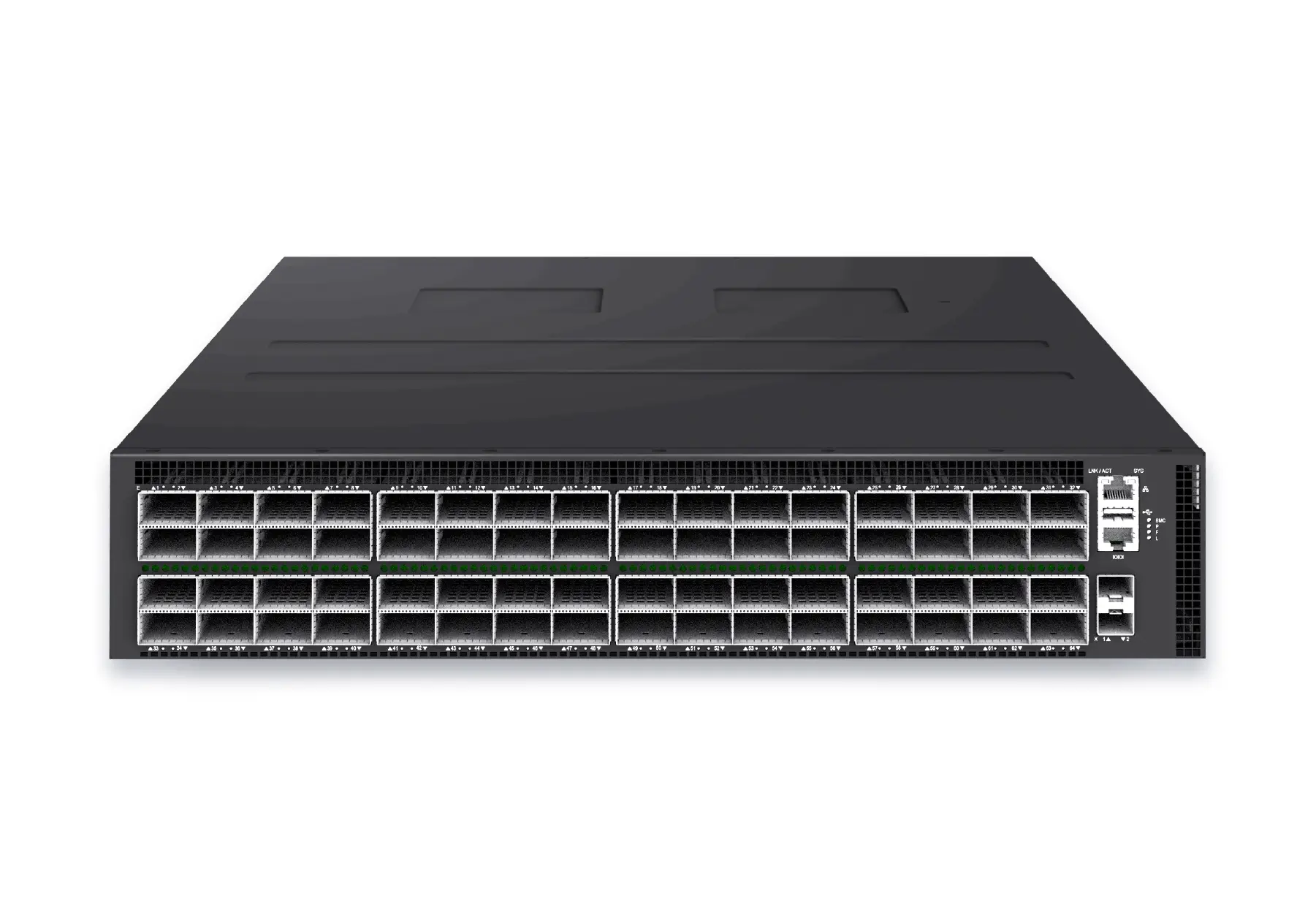 datacenter aiXS-DC-64X800-AI-G164-port 800G AI fabric switch for large-scale GPU clusters, HPC backbones, and ultra-high-throughput data center networks.View product
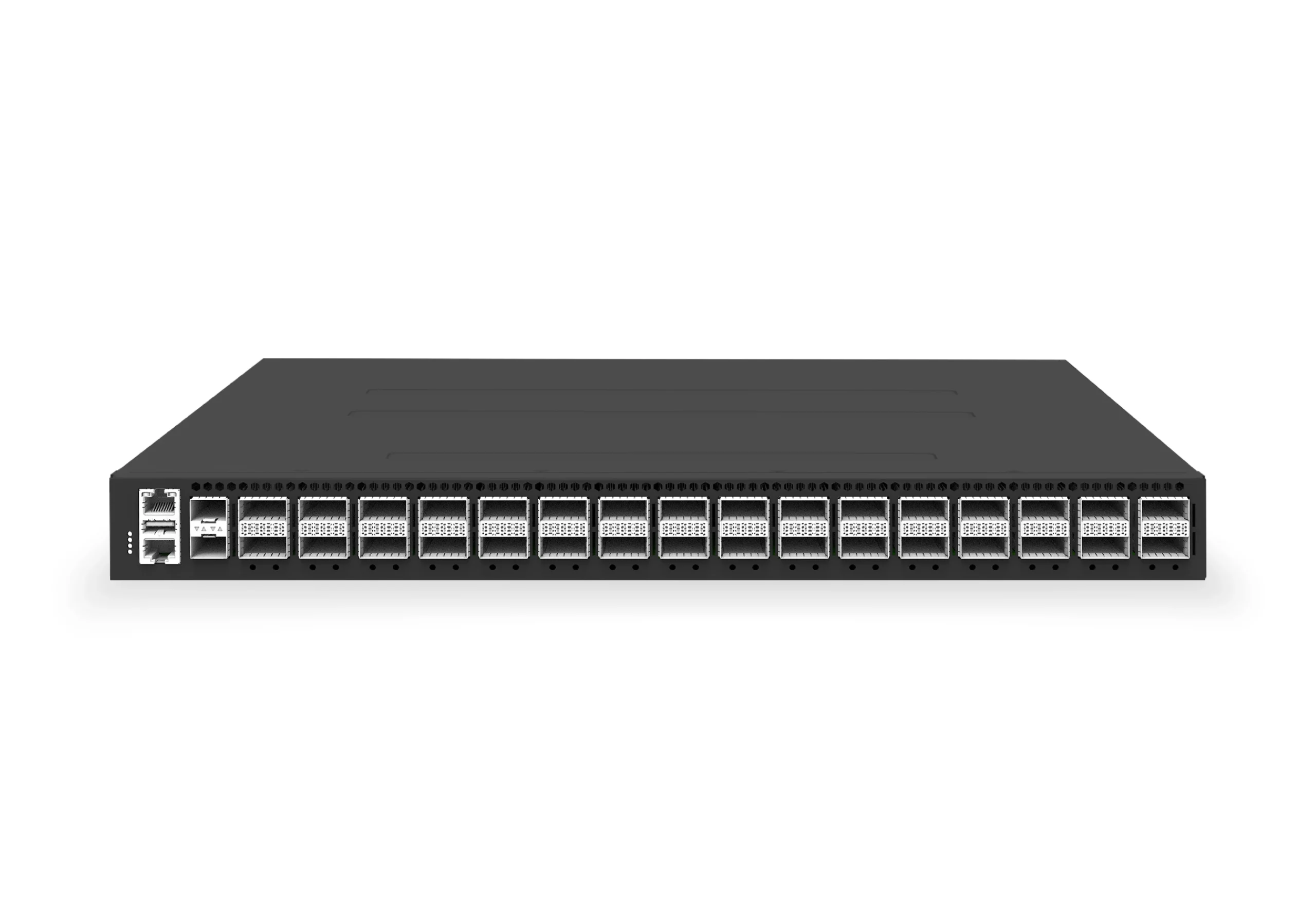 datacenter aiXS-DC-32X400-SP-G232-port 400G spine/core switch for high-capacity data center fabrics and AI-ready backbones.View product
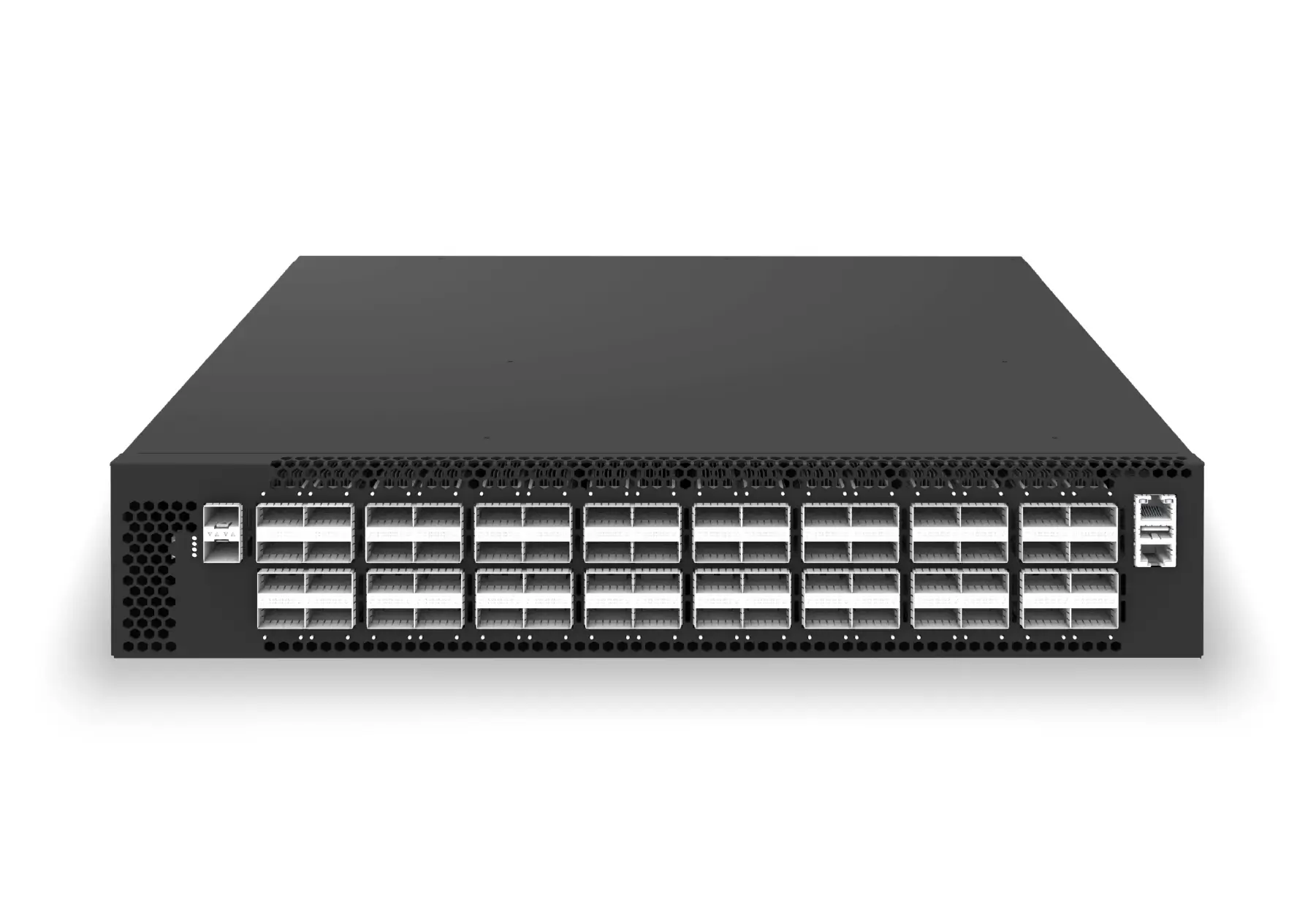 datacenter aiXS-DC-64X200-LS-G164-port 200G leaf/spine switch for high-bandwidth storage, compute, and scale-out data center fabrics.View product
Continue reading
Related articles
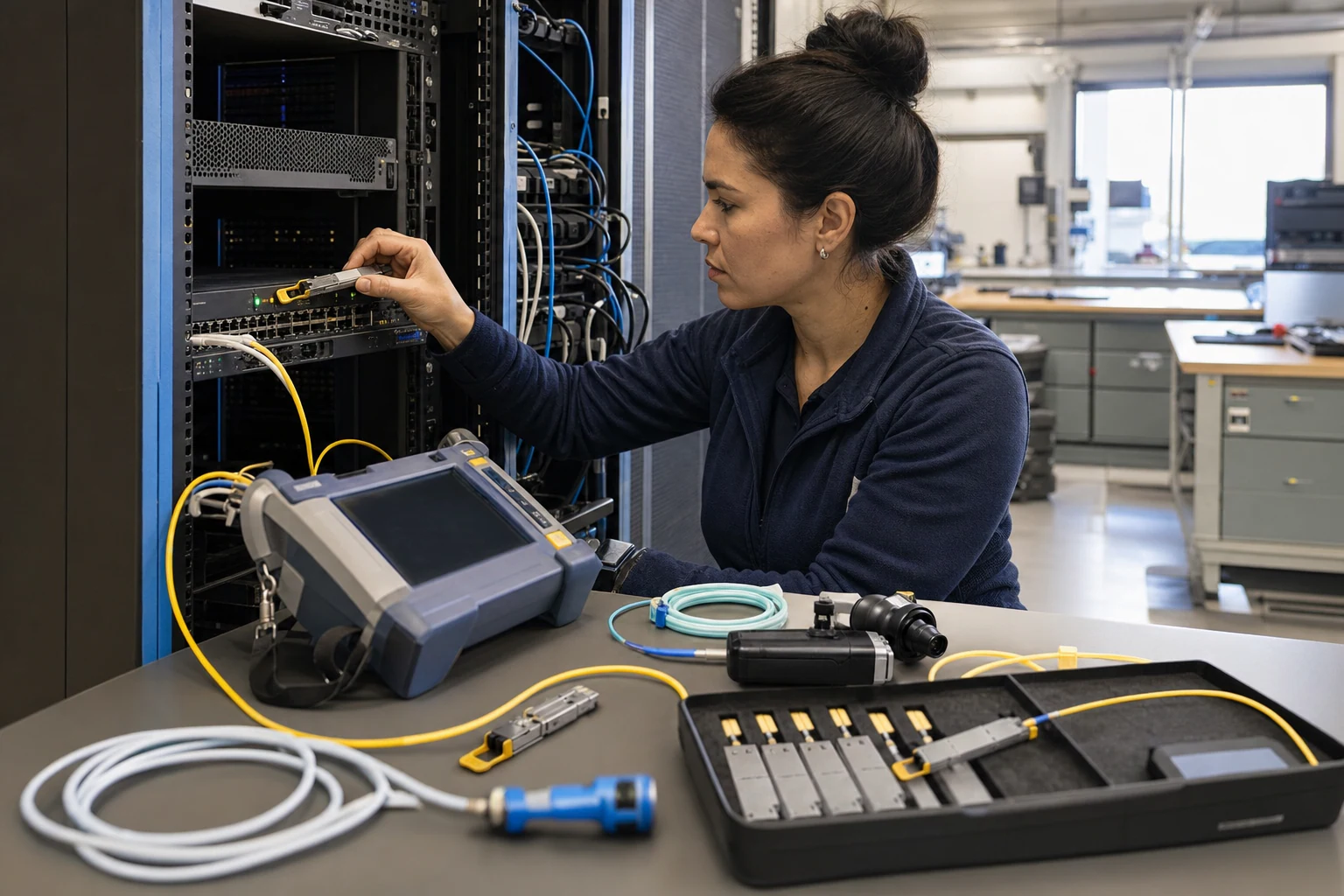 Technical ArticleAustralia's 800G and 400G Optics Gap: What the Local Cabling Market Reveals About High-Speed Network ReadinessEngineering guide for 400G and 800G optics planning covering form factor, reach, telemetry, thermal limits, supply risk, and validation.Read article
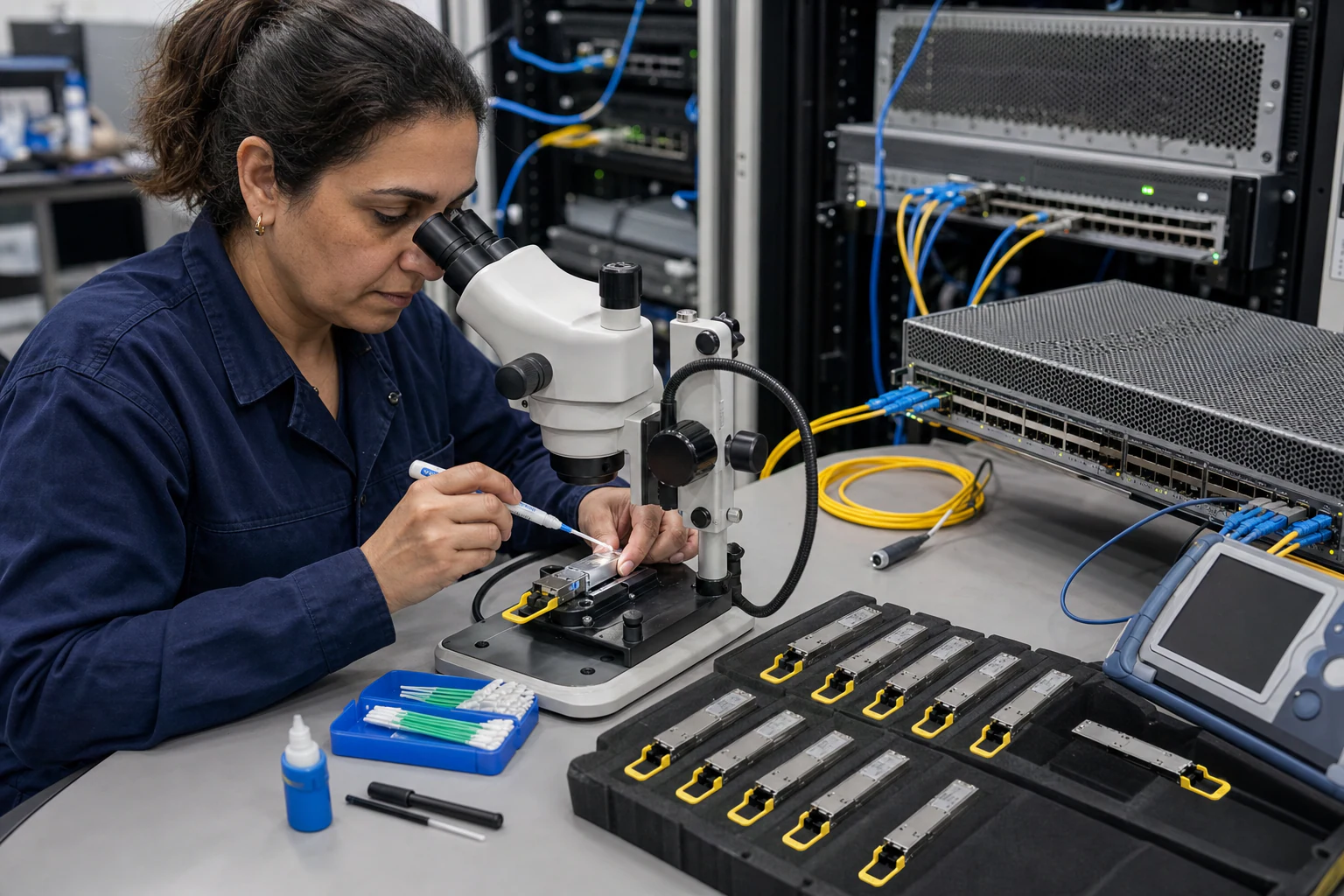 Technical ArticleHow to Choose 400G and 800G Optics for SONiC Data Center Fabrics: A Buyer's FrameworkEngineering guidance on to Choose 400G and 800G Optics for SONiC Data Center Fabrics for Australian data centre buyers, covering form factor choice, link budgets.Read article
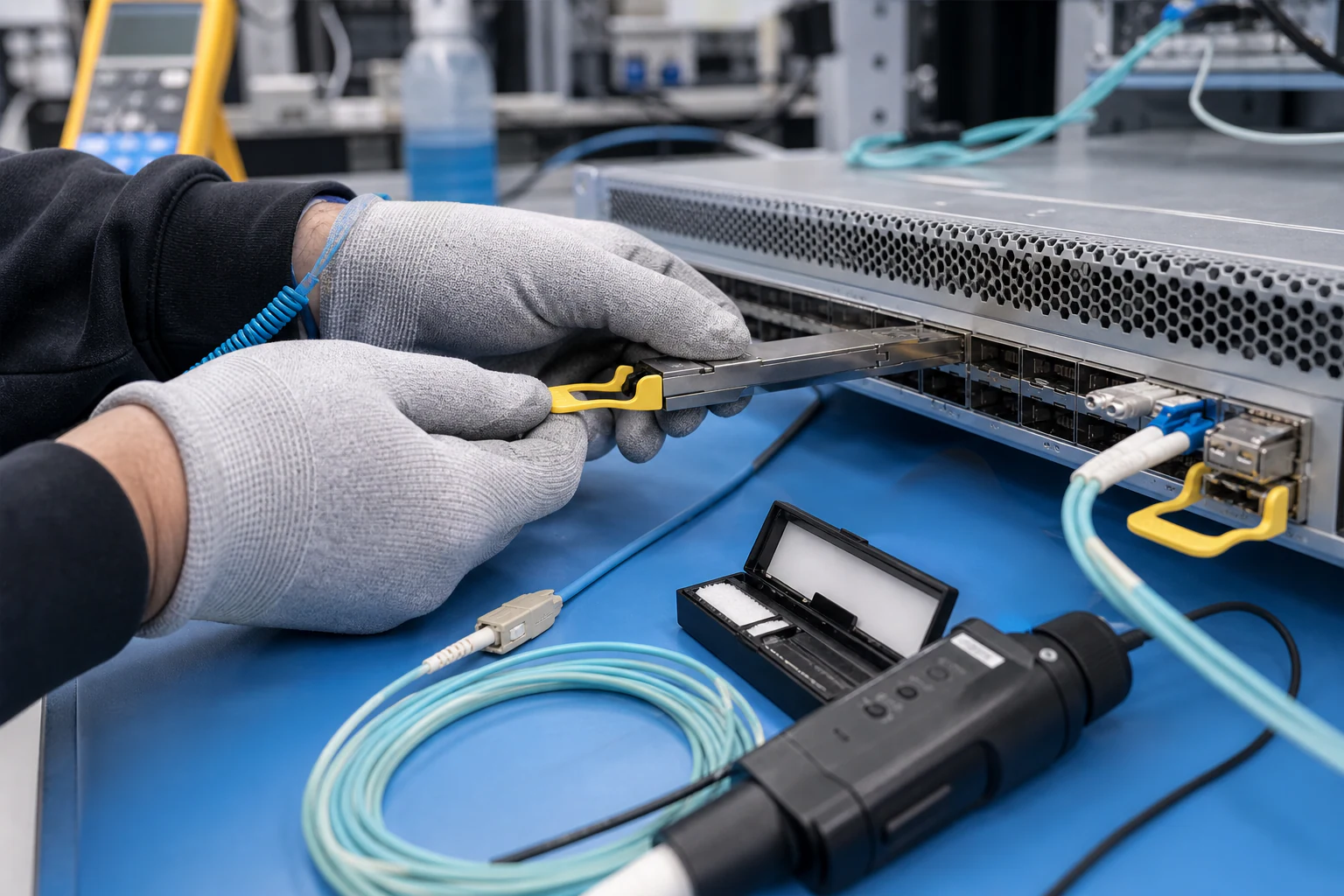 Technical ArticleCo-Packaged Optics for AI Networking: What Australian Data Center Buyers Should WatchBuyer-focused engineering analysis of co-packaged optics, CPO readiness, SONiC/SAI implications and Australian deployment risk.Read article