In brief
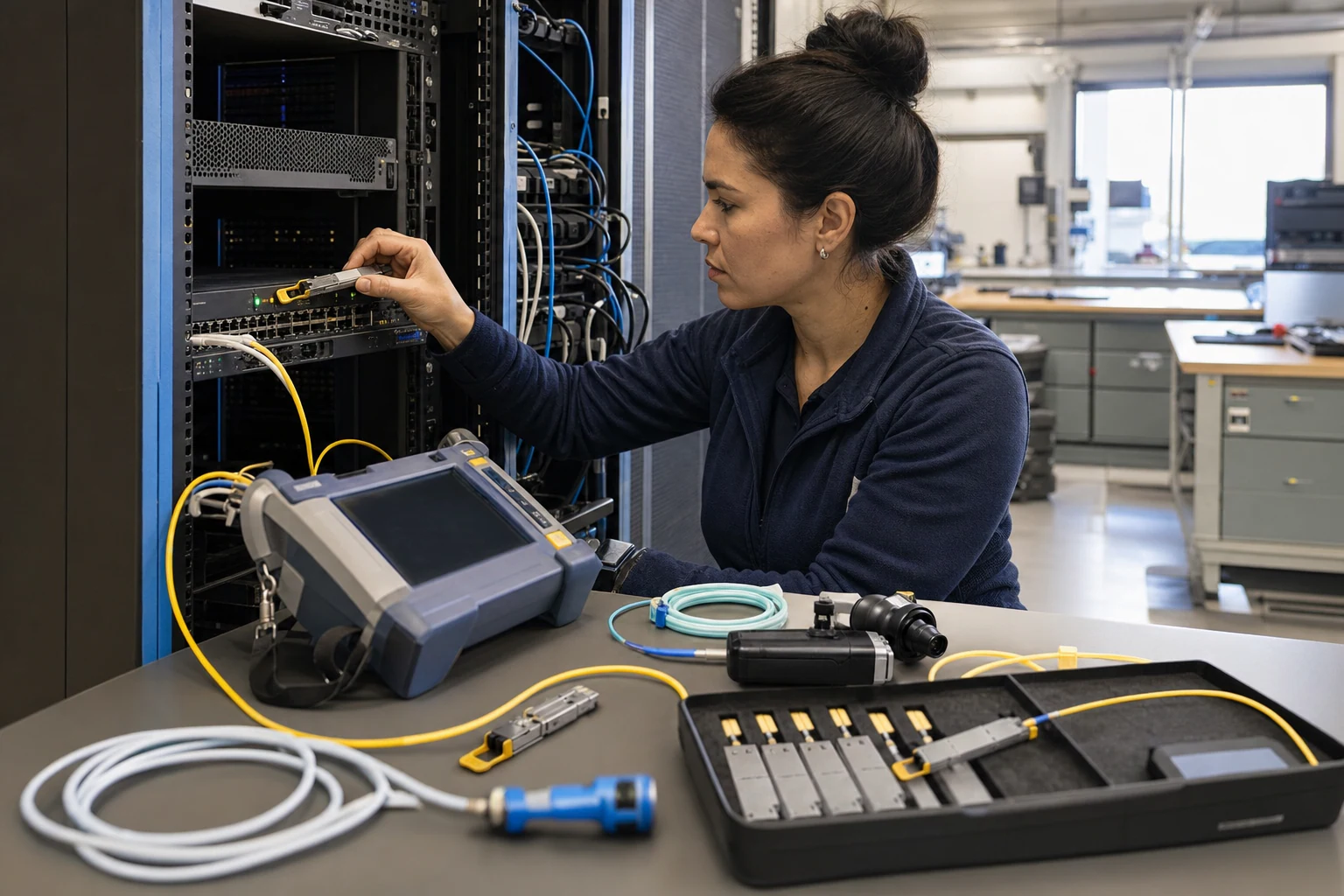
Engineering guide for 400G and 800G optics planning covering form factor, reach, telemetry, thermal limits, supply risk, and validation.
Key takeaways
- Australia is in the middle of a significant data center construction wave.
- Yet when Australian buyers search for the physical layer components that connect these next-generation racks -- 400G and 800G QSFP-DD and OSFP transceivers, DAC breakout cables, and InfiniBand HDR/NDR optics -- the local retail and distribution landscape tells a different story.
- This gap does not mean the products are unavailable in Australia through specialized distributors.
What Happened: Australia Builds AI Data Centers, But the Optics Supply Chain Has Not Caught Up
Australia is in the middle of a significant data center construction wave. Macquarie Data Centres CEO David Hirst described the shift in a January 2026 interview with the Open Compute Project Podcast, noting that AI workloads are changing data center design from a ‘real estate’ model to a ‘chip-out thinking’ model that prioritizes compute density, liquid cooling, and megawatt-per-rack power budgets. Hirst specifically cited the Australian market as distinct because of sovereign data requirements, dense urban construction constraints, and a compliance environment that rewards long-term operators over short-term developers.
Yet when Australian buyers search for the physical layer components that connect these next-generation racks — 400G and 800G QSFP-DD and OSFP transceivers, DAC breakout cables, and InfiniBand HDR/NDR optics — the local retail and distribution landscape tells a different story. Mainstream domestic cable and electronics channels primarily surface consumer or premises-grade products: CAT5e and CAT6 patch cables, HDMI, USB, power cables, server rack accessories, and fibre optic products in OM1/OM3/OM4 multimode and OS1/OS2 singlemode duplex patchleads. Those categories are useful for campus cabling, but they do not represent a reliable procurement path for QSFP28, QSFP-DD, OSFP, 400G/800G Ethernet, or InfiniBand cable assemblies.
This gap does not mean the products are unavailable in Australia through specialized distributors. It does mean that the local buyer journey for high-speed data center optics does not resemble the familiar path of ordering CAT6 patch leads from a domestic e-commerce site.
Why It Matters: The Speed Ladder from 10G to 800G Is Now a Deployment Constraint
The transition to 400G and 800G Ethernet is not aspirational. It is a production requirement for AI training and inference clusters that use RoCE v2 or InfiniBand for GPU-to-GPU communication. SONiC, the open-source network operating system maintained under the Linux Foundation, explicitly supports RDMA and BGP functionality that has been production-hardened in hyperscale data centers, according to the SONiC Foundation’s public documentation. The Open Compute Project’s Networking project lists SONiC as a sub-project alongside SAI (Switch Abstraction Interface) and ONIE (Open Network Install Environment), all of which depend on interoperable optics at the switch layer.
For Australian enterprises building private AI infrastructure — whether for sovereign LLM inference, RAG pipelines, or GPU-as-a-service platforms — the physical layer cannot be an afterthought. A spine-leaf fabric running 400G uplinks with 100G server-facing ports requires matched transceiver and cabling plans. Mismatched optics, vendor-locked transceivers, or long lead times for qualified modules directly impact deployment timelines.
The OCP Podcast episode featuring Macquarie’s David Hirst underscored this point from the Australian market perspective: planning for ‘bursty, unpredictable AI workloads’ requires infrastructure that can scale rapidly, and that includes the optical interconnect layer. When the local supply chain does not stock these components at the pace of deployment, buyers either import directly (adding lead time and warranty complexity) or default to incumbent vendor optics at premium pricing.
The Australian Buyer Problem: Domestic Retailers Stock CAT6, Not QSFP-DD
A snapshot of Australian cable and connectivity retailers illustrates the structural mismatch:
| Category | Specialist cable retail channel | Consumer electronics retail channel |
|---|---|---|
| Ethernet patch cables | CAT5E, CAT6, CAT6A | Consumer-grade network cables |
| Fibre optic products | OM1/OM3/OM4 multimode, OS1/OS2 singlemode patchleads, pigtails, enclosures | Not listed in IT Cables category |
| High-speed data center transceivers (QSFP28/QSFP-DD/OSFP) | Not listed | Not listed |
| 400G/800G DAC or AOC cables | Not listed | Not listed |
| InfiniBand cables or optics | Not listed | Not listed |
| Server racks and accessories | Full range (18RU to 45RU, wall mount, accessories) | Not listed |
Cables Online, based in Castle Hill, NSW, positions itself as a specialist in ‘analog and digital cabling products’ serving the Australian market. Its fibre optic catalog covers OM1 62.5/125 multimode through OM4 10G-40G-100G duplex patchleads and OS1/OS2 singlemode products, with tools, testing equipment, enclosures, and connectors. This is a solid catalog for enterprise campus and premises cabling. It does not extend to data center interconnect optics at 400G or 800G line rates.
A consumer electronics cable category is useful for home and office accessories, but it is not a data centre optics supply chain.
Neither retailer represents a procurement path for a data center engineer assembling a 400G AI fabric.
What the Source Data Does Not Say: Market Size, Pricing, and Vendor Availability
This analysis is based on publicly available retailer websites and industry podcast interviews. It does not include:
- Private quote data from specialist optical transceiver distributors.
- Hyperscaler or colocation operator supply contracts.
- Lead-time commitments from switch vendors or optics OEMs.
- Failure-rate data for third-party 400G or 800G modules in Australian facilities.
- Compatibility results across specific SONiC images, ASIC SDK versions, and transceiver EEPROM profiles.
That boundary matters. The conclusion is not that 400G and 800G optics cannot be sourced in Australia. The conclusion is that the visible buyer journey is fragmented: consumer retailers do not cover AI-fabric optics, specialist suppliers often require quote-based procurement, and compatibility assurance usually sits with the integrator or the buyer’s lab.
The Open Networking Angle: Why SAI and SONiC Change the Optics Buying Decision
For enterprises evaluating open networking infrastructure, the optics purchase is not just a cabling decision. It is a software-compatibility decision. SONiC’s architecture relies on SAI (Switch Abstraction Interface) to abstract ASIC-level operations across multiple switch vendors. This design, documented in the SONiC GitHub repository and the OCP Networking project pages, means that a transceiver qualified on one SAI-compliant platform should interoperate on others — provided the transceiver follows standard form-factor and firmware conventions.
This is the open networking value proposition that xSONiC can bring to the Australian market: not just hardware, but a qualified, tested optics-to-switch stack where the transceiver, the cable, the switch, and the NOS are validated as a unit. In a market where domestic retailers do not stock 400G optics and hyperscalers are building sovereign AI capacity, the ability to source a complete, tested spine-leaf optics kit from a single vendor with local support is a meaningful differentiator.
xSONiC Buyer Angle: Bridging the Australian Optics Gap with a Tested Stack
The engineering conclusion for xSONiC in the Australian market is straightforward: the data center construction boom is outpacing the local supply chain for high-speed optics. Australian buyers building AI fabrics need 400G and 800G transceivers, DAC and AOC cables, and InfiniBand-grade interconnects. The domestic retail channel does not serve this need. Specialist distributors exist but often operate on quote-based models with long lead times and limited compatibility testing.
xSONiC’s positioning as an open networking infrastructure brand with an optical transceiver product family (/products/optical-transceiver/) and data center AI switch portfolio (/products/datacenter-ai/) maps directly to this gap. The value proposition is not just price. It is:
- Tested optics-to-switch compatibility with SONiC/SAI platforms
- Single-vendor sourcing for switch + optics + cables
- Local or regional support with ANZ-relevant lead times
- Open networking alignment that avoids vendor lock-in on the transceiver layer
What Comes Next: A Practical Optics Planning Checklist
Australian buyers planning 400G or 800G fabrics should treat optics as part of the network design, not an accessory line item. A credible plan should include:
- A speed-transition map: which links stay at 100G, which move to 400G, and which fabric tiers need 800G within the next refresh cycle.
- A form-factor decision: QSFP-DD, OSFP, DAC, AOC, and structured fiber options mapped to rack distance, airflow, and switch platform constraints.
- A compatibility matrix: switch SKU, ASIC, SONiC or vendor NOS image, optics firmware, cable type, and validated link mode.
- A spares model: on-site modules for critical paths, supplier lead-time assumptions, and a process for isolating link faults without swapping random parts.
- A telemetry requirement: DOM visibility, link error counters, temperature, power, and alarm export into the same monitoring path used for the switching fabric.
This is where open networking becomes practical rather than philosophical. The buyer is not simply looking for a cheaper transceiver; they are looking for a tested switch, optics, and NOS stack that can be operated with predictable evidence.
Engineering Evidence Floor
For optics topics, speed is not the acceptance criterion. The evidence package should include form factor, reach, fibre type, link budget, DOM telemetry, FEC counters, CRC errors, temperature, breakout plan, spare availability, and switch/NOS compatibility. A useful validation run should capture 24 hours of link telemetry at 400G or 800G, include one optics replacement, and test the packet visibility path where SecOps or monitoring tools depend on copied traffic.
| Evidence area | What to validate | Acceptance gate | Rework trigger |
|---|---|---|---|
| Link health | DOM, FEC, CRC, flaps, temperature, and power | 24 hours clean record at 400G/800G | Errors are accepted without cause |
| Form factor | QSFP-DD, OSFP, DAC, AOC, fibre, and breakout | Exact module works on target switch image | Generic compatibility is assumed |
| Visibility | TAP/SPAN, packet broker, filter rules, and tool capacity | 30 minutes traffic replay without drops | SecOps path is designed after cabling |
| Supply | Local stock, RMA, spare optics, and lead time | 12 months spare plan approved | Replacement depends on unknown import timing |
| Operations | Replacement runbook, rollback, escalation, and evidence bundle | Fault isolated within 4 hours | Ownership splits across network and supplier |
Engineering FAQ
What should be checked before ordering 400G or 800G optics? Check port form factor, lane speed, reach, fibre type, breakout plan, DOM telemetry, firmware compatibility, thermal budget, and the switch vendor optics support matrix. The same speed can behave differently across QSFP-DD, OSFP, DAC, AOC, and fibre modules.
Why is optics validation part of a SONiC deployment? SONiC exposes the NOS layer, but optics behaviour still depends on the switch platform, transceiver EEPROM data, firmware, thermal design, and operational tooling. Buyers should test the exact module and cable combination before volume rollout.
What should be included in an optics procurement record? Record SKU, reach, connector, fibre type, temperature class, supported breakout modes, switch platform, SONiC image, DOM fields, link test result, and spare strategy. That record becomes the reference for future replacements.
Related xSONiC Resources
Sources Reviewed
- Ethernet Network Adapters - ConnectX NICs | NVIDIA
- NVIDIA BlueField Data Processing Unit
- NVIDIA Spectrum-X Ethernet Platform
- SONiC Project Documentation
- Broadcom Ethernet Switching
- Marvell Switching
- NVIDIA Ethernet Switching
- Open Compute Networking
- SONiC GitHub
- SONiC Foundation
Product fit
Products referenced for evaluation
These products are referenced for evaluation context in the article. Confirm workload, port, optics, software, interoperability, and support requirements against the exact deployment before procurement.
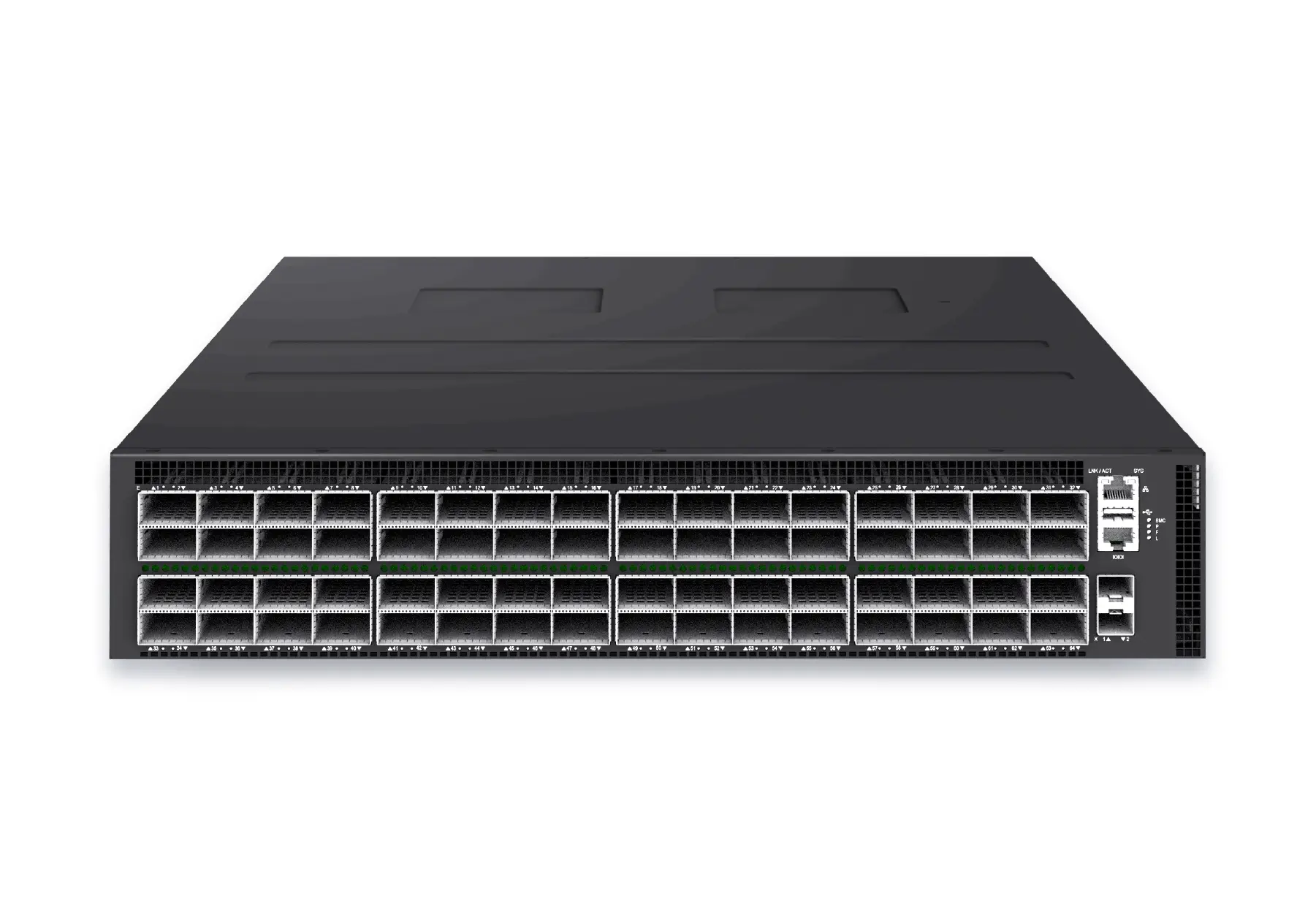 datacenter aiXS-DC-64X800-AI-G164-port 800G AI fabric switch for large-scale GPU clusters, HPC backbones, and ultra-high-throughput data center networks.View product
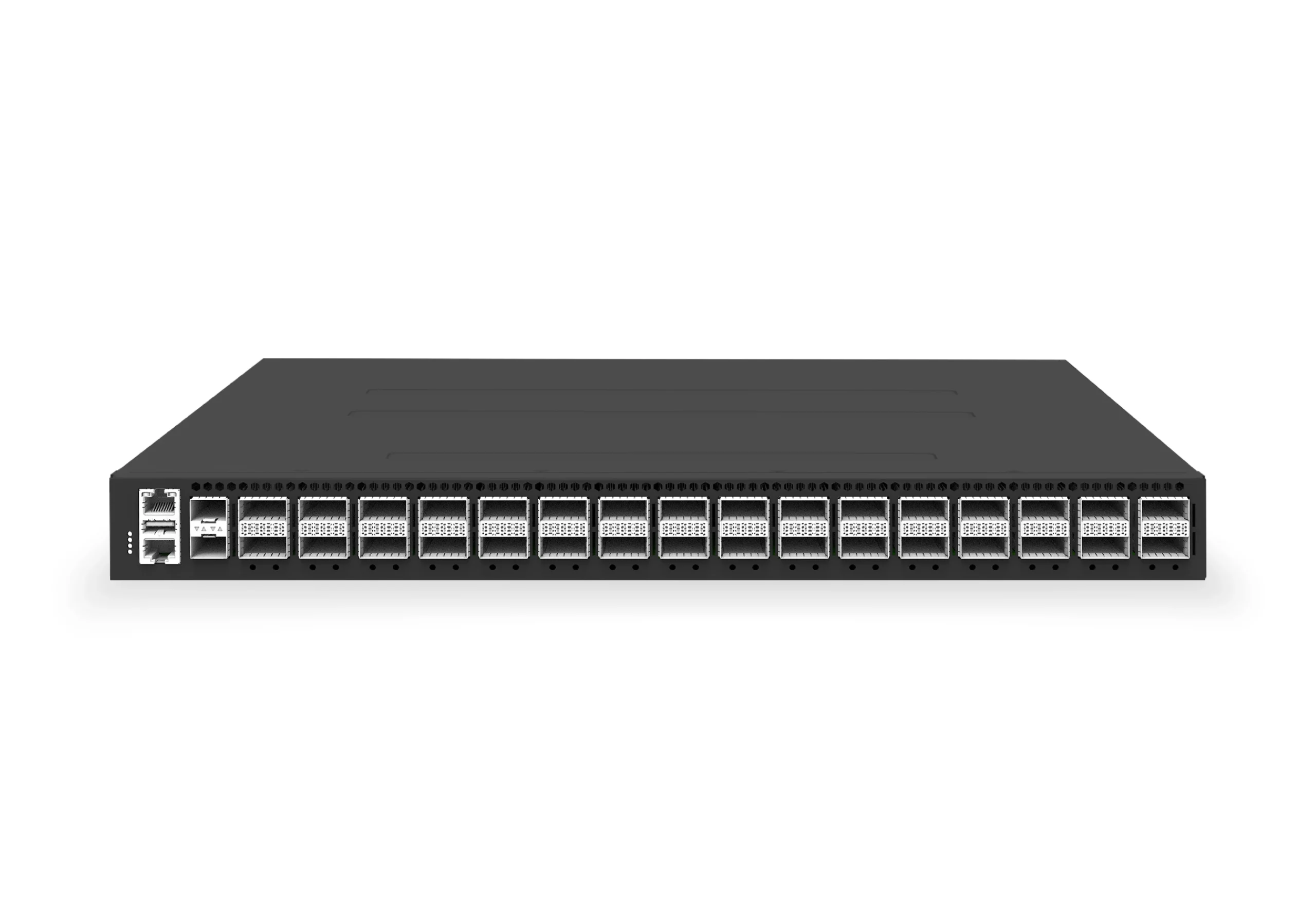 datacenter aiXS-DC-32X400-SP-G232-port 400G spine/core switch for high-capacity data center fabrics and AI-ready backbones.View product
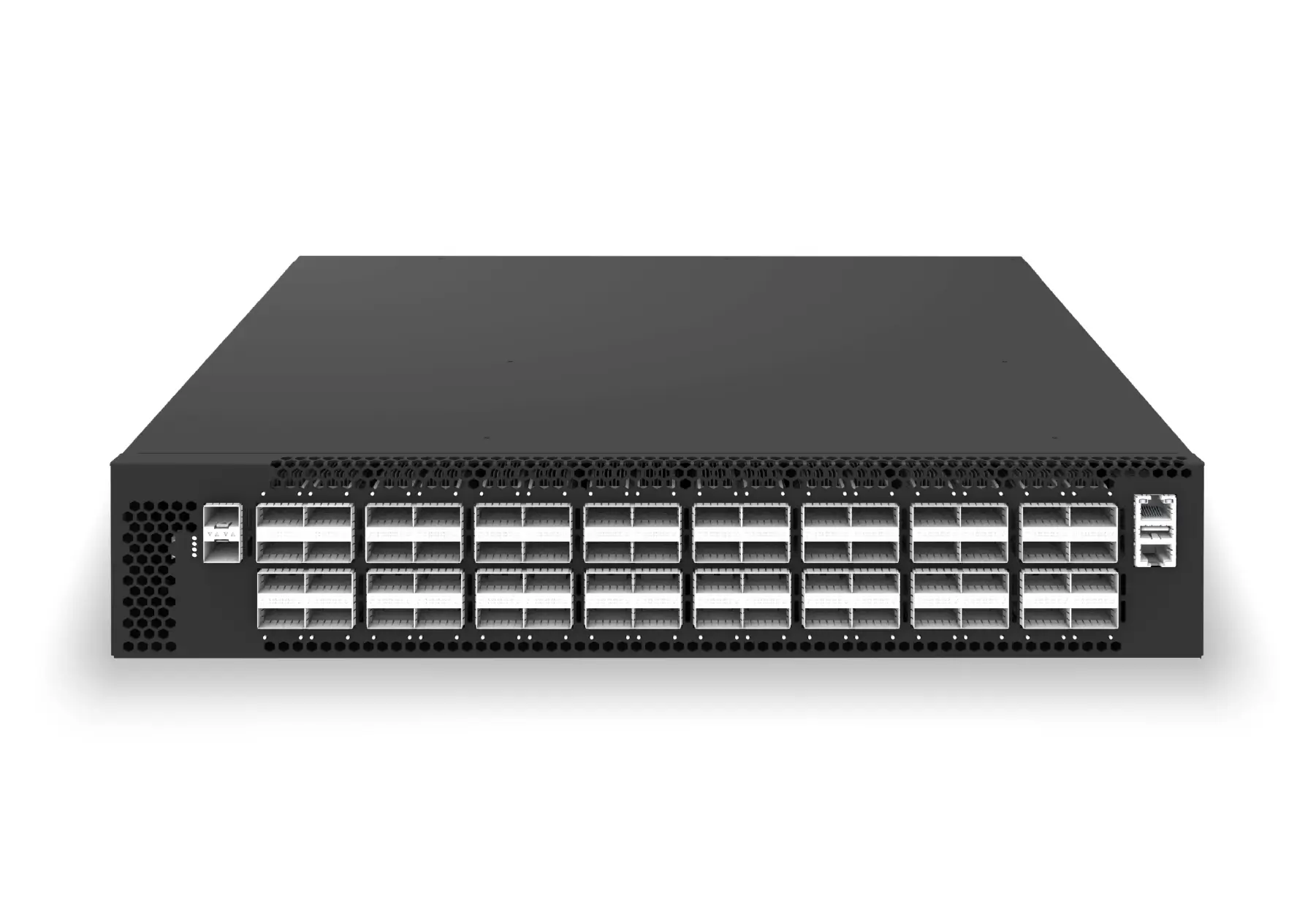 datacenter aiXS-DC-64X200-LS-G164-port 200G leaf/spine switch for high-bandwidth storage, compute, and scale-out data center fabrics.View product
Continue reading
Related articles
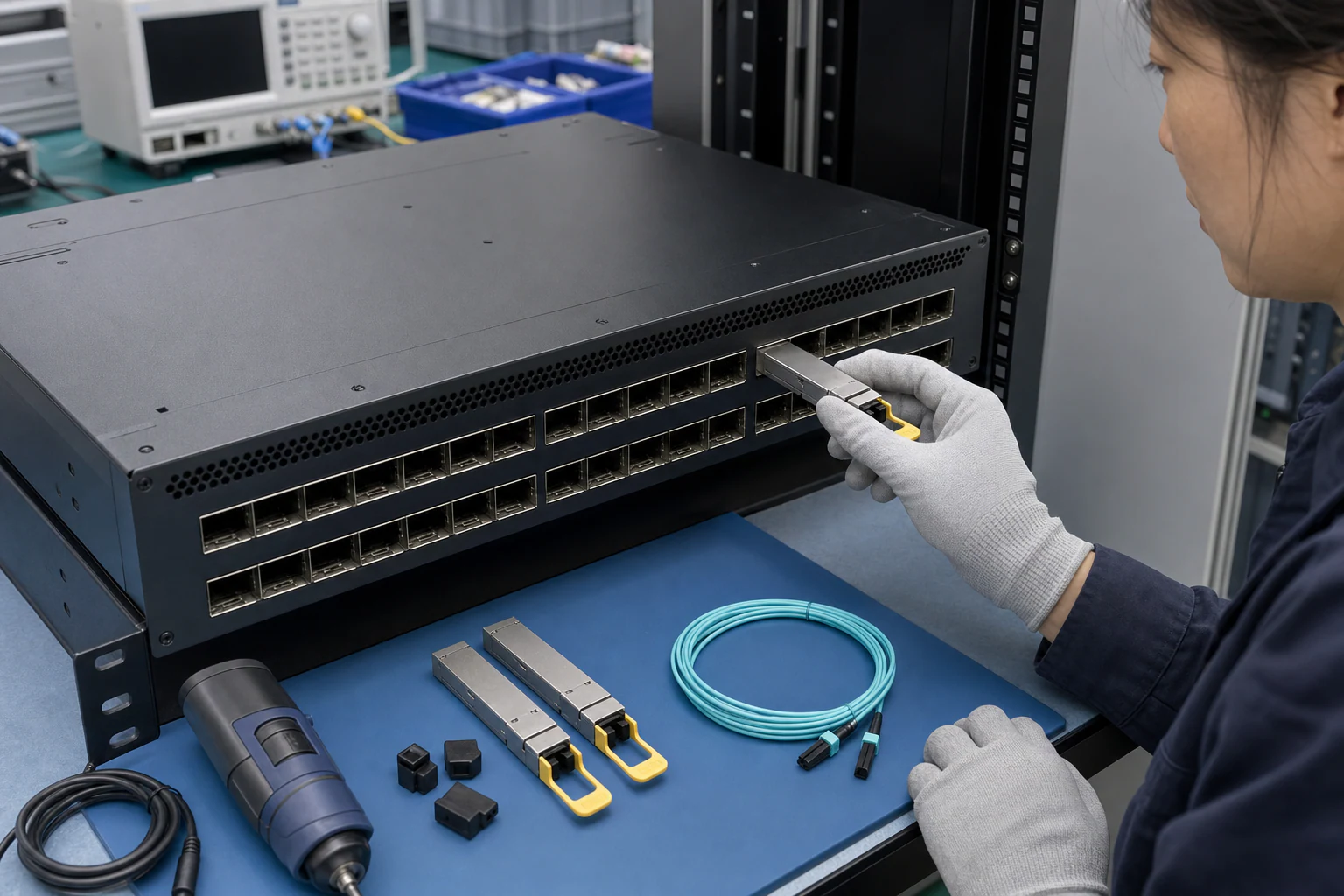 Technical Article400G/800G Optics Planning for Australian Data CentresEngineering guide for 400G and 800G optics planning covering form factor, reach, telemetry, thermal limits, supply risk, and validation.Read article
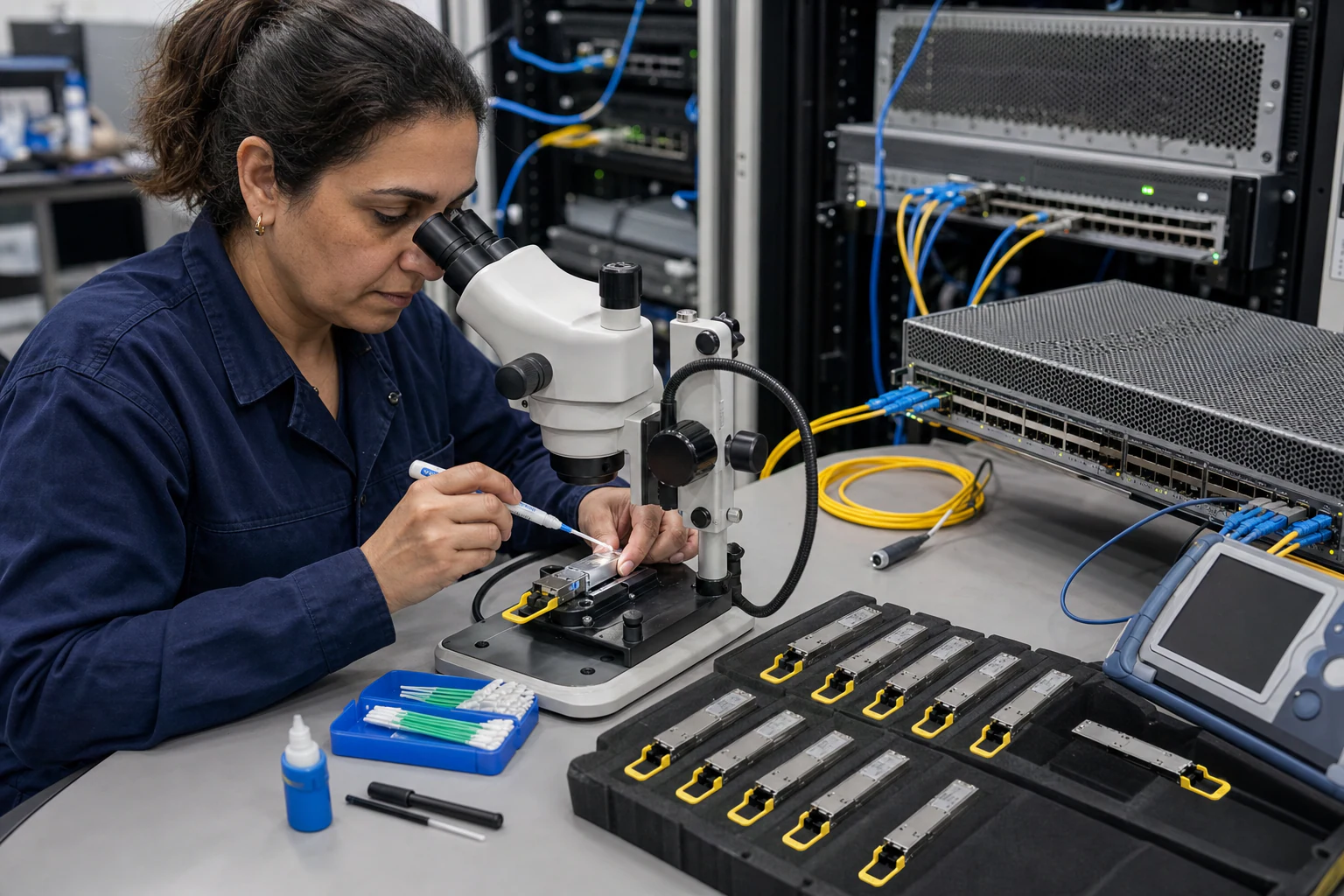 Technical ArticleHow to Choose 400G and 800G Optics for SONiC Data Center Fabrics: A Buyer's FrameworkEngineering guidance on to Choose 400G and 800G Optics for SONiC Data Center Fabrics for Australian data centre buyers, covering form factor choice, link budgets.Read article
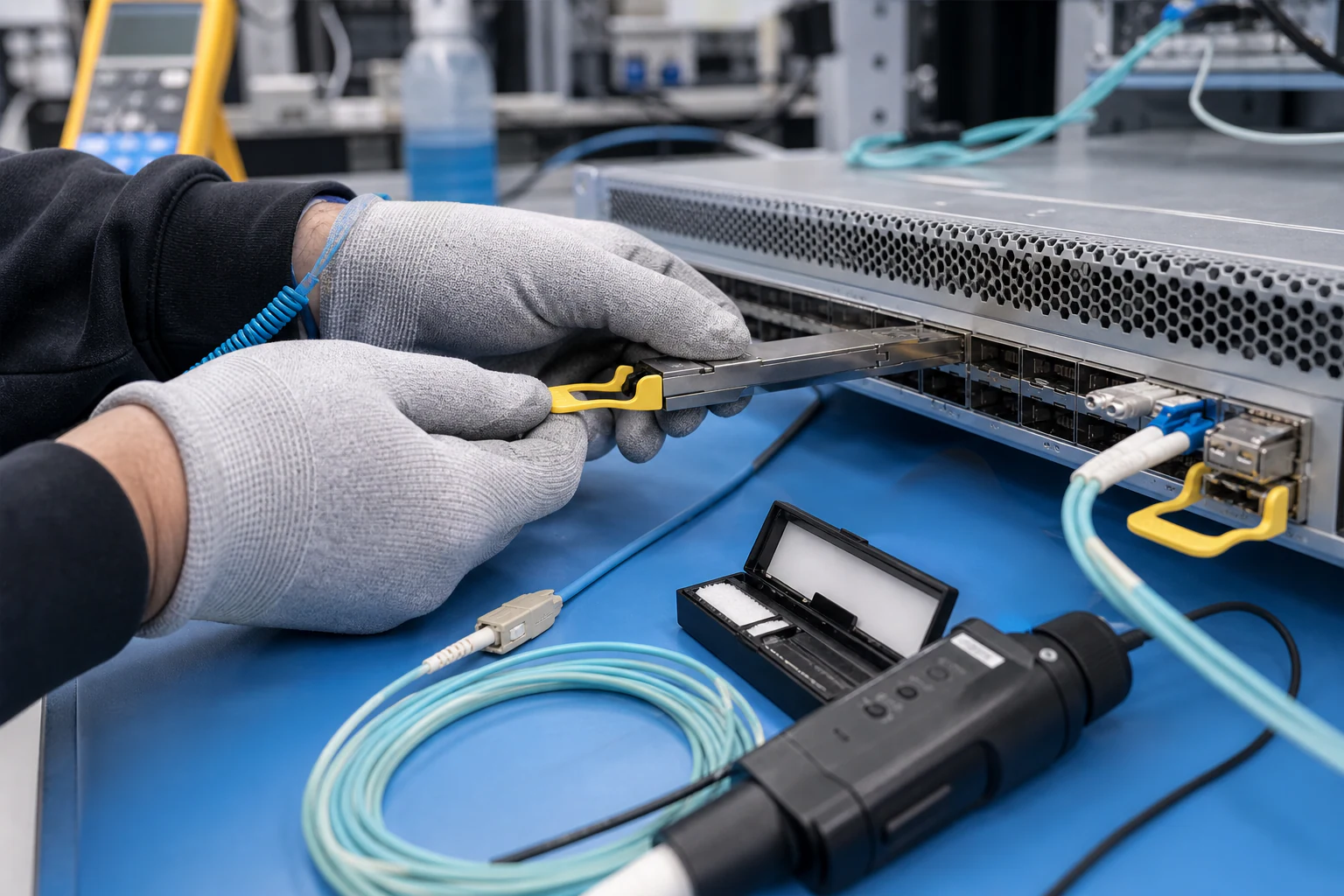 Technical ArticleCo-Packaged Optics for AI Networking: What Australian Data Center Buyers Should WatchBuyer-focused engineering analysis of co-packaged optics, CPO readiness, SONiC/SAI implications and Australian deployment risk.Read article