In brief
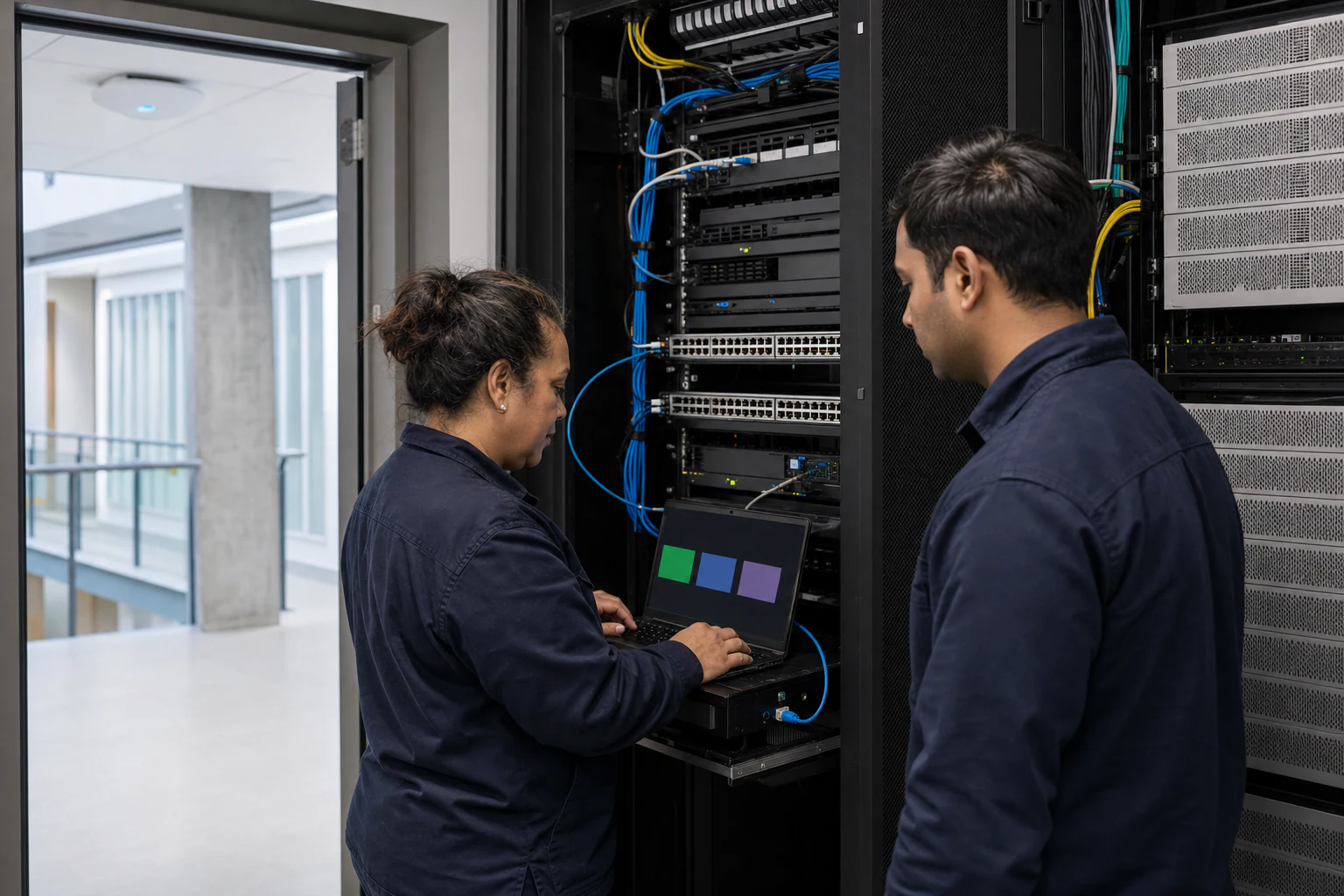
Wi-Fi 7 OpenWiFi enterprise AP deployment planning for Australian campus teams, covering RF, clients, PoE, backhaul, security, and pilots.
Key takeaways
- Wi-Fi 7 (IEEE 802.11be) has reached a stage where enterprise-grade access points are entering the market with support for 320 MHz channels, 4096-QAM modulation, multi-link operation (MLO), and deterministic latency improvements over Wi-Fi 6E.
- The convergence of these two trends creates a planning inflection point for enterprise campus network teams: Wi-Fi 7 refresh cycles present an opportunity to evaluate whether open, disaggregated wireless infrastructure can deliver the same flexibility and cost advantages that SONiC-based open switching brought to data center fabrics.
- Australia's enterprise networking landscape has several characteristics that make the Wi-Fi 7 OpenWiFi conversation particularly relevant:
What Happened: Wi-Fi 7 Standardization Meets the Open Networking Movement
Wi-Fi 7 (IEEE 802.11be) has reached a stage where enterprise-grade access points are entering the market with support for 320 MHz channels, 4096-QAM modulation, multi-link operation (MLO), and deterministic latency improvements over Wi-Fi 6E. In parallel, the Telecom Infra Project’s (TIP) OpenWiFi initiative has been developing an open-source, disaggregated approach to enterprise WLAN — analogous to how SONiC disaggregated the data center switch NOS from proprietary hardware.
The convergence of these two trends creates a planning inflection point for enterprise campus network teams: Wi-Fi 7 refresh cycles present an opportunity to evaluate whether open, disaggregated wireless infrastructure can deliver the same flexibility and cost advantages that SONiC-based open switching brought to data center fabrics.
Why It Matters for Australian Enterprise Campuses
Australia’s enterprise networking landscape has several characteristics that make the Wi-Fi 7 OpenWiFi conversation particularly relevant:
Public infrastructure precedent. Victoria’s VicFreeWiFi program, managed by Vocus, operates over 400 hotspots in the Melbourne CBD and extends to Ballarat and Bendigo, providing up to 5 GB per device per day with no login friction. While this is a public access service rather than an enterprise deployment, it demonstrates that Australian organisations and government bodies are willing to invest in large-scale Wi-Fi infrastructure and are familiar with managed wireless models.
Campus refresh cycles. Many Australian universities, hospitals, government agencies, and multi-site enterprises that deployed Wi-Fi 5 (802.11ac) or early Wi-Fi 6 infrastructure are entering refresh planning windows. The decision criteria for these refreshes increasingly include vendor lock-in risk, total cost of ownership over a 5-7 year lifecycle, and the ability to integrate wireless management with existing wired campus infrastructure.
Supply chain and procurement considerations. Australian enterprise buyers face longer hardware lead times and higher logistics costs compared to North American or European markets for many incumbent wireless vendors. Open, disaggregated models that allow sourcing APs from multiple hardware suppliers could offer procurement flexibility.
The SONiC-to-OpenWiFi Analogy: What Open Switching Teaches About Open Wireless
The SONiC (Software for Open Networking in the Cloud) project, governed by the SONiC Foundation under the Linux Foundation, provides a proven model for how open-source network operating systems can disrupt proprietary incumbency. According to the SONiC Foundation and the project’s GitHub repository, SONiC is:
- A free and open-source NOS based on Linux that runs on switches from multiple vendors and ASICs
- Built on the Switch Abstraction Interface (SAI) that decouples hardware from software
- The first solution to break monolithic switch software into containerized components
- Production-hardened in the data centers of large-scale cloud providers
- Supported by a growing ecosystem of hardware vendors and chip manufacturers
The relevance to Wi-Fi 7 enterprise AP deployment planning is architectural: if the open networking model can deliver multi-vendor flexibility, faster software evolution, and reduced lock-in for data center switching, the same principles should apply — in theory — to campus wireless infrastructure.
However, the analogy has limits. SONiC’s maturity and ecosystem breadth in data center switching does not automatically translate to the wireless edge. SONiC itself is focused on wired L2/L3 switching, BGP, and RDMA — not wireless LAN controller functions, RF management, or AP firmware. The OpenWiFi initiative operates as a separate project with its own ecosystem, maturity level, and hardware compatibility matrix.
Wi-Fi 7 Enterprise AP Decision Criteria: What to Evaluate
For Australian enterprise network teams entering Wi-Fi 7 planning, the following decision framework applies whether evaluating open or proprietary options:
1. Multi-link operation (MLO) support. Wi-Fi 7’s defining capability is simultaneous multi-band operation across 2.4 GHz, 5 GHz, and 6 GHz. Evaluate whether candidate APs support true concurrent MLO or only single-link operation with band steering.
2. 6 GHz spectrum availability in Australia. The ACMA (Australian Communications and Media Authority) has made the 6 GHz band available for Wi-Fi use, but specific power limits and channel availability may differ from FCC or ETSI allocations. Verify that candidate APs support Australian 6 GHz regulatory parameters.
3. Controller vs. cloud vs. disaggregated management. Traditional enterprise Wi-Fi requires a hardware controller or cloud-managed subscription. OpenWiFi models aim to disaggregate the AP firmware from the management plane, allowing integration with third-party or on-premises controllers. Evaluate management architecture against your existing campus wired infrastructure.
4. PoE power budget. Wi-Fi 7 APs with tri-band radios and multi-gigabit uplinks may require PoE++ (802.3bt, Class 6 or higher). Ensure your campus switch infrastructure can deliver sufficient per-port power. If you are also refreshing access switches, this is an opportunity to align wired and wireless refresh timelines.
5. Backhaul and uplink. Wi-Fi 7 APs with 320 MHz 6 GHz channels will push aggregate throughput beyond 2.5 Gbps. Evaluate whether your campus cabling and switch uplinks support 5GbE or 10GbE per AP.
6. Vendor lock-in and exit cost. Proprietary wireless stacks create controller dependencies, licensing renewals, and AP-controller version coupling. Open or disaggregated models aim to decouple these, but verify that the open alternative offers feature parity for your specific requirements (guest access, NAC integration, WPA3-Enterprise, RADIUS, captive portal).
OpenWiFi vs. Proprietary: The Trade-offs for Campus Buyers
The following comparison reflects general architectural trade-offs between open/disaggregated and proprietary enterprise wireless models. Neither approach is universally superior; the right choice depends on organisational capability, scale, and risk tolerance.
| Criterion | OpenWiFi / Disaggregated Model | Traditional Proprietary Model |
|---|---|---|
| Hardware sourcing | Multi-vendor AP options, competitive procurement | Single-vendor AP ecosystem, volume discounts |
| Management plane | Separate controller or cloud; integration required | Integrated controller or cloud; turnkey |
| Software updates | Community or vendor-driven; variable cadence | Vendor-scheduled; tested as a bundle |
| RF optimisation | Depends on controller implementation | Mature, vendor-tuned RF algorithms |
| Vendor lock-in risk | Lower (hardware and software decoupled) | Higher (controller + AP coupling) |
| Support model | Community + commercial support options | Vendor TAC with SLA |
| Feature maturity | Growing but may lag proprietary on advanced features | Full feature set including analytics, AI-RF, location |
xSONiC Buyer Angle: Aligning Wireless Refresh with Open Campus Infrastructure
For enterprise buyers already evaluating or deploying SONiC-based campus access and aggregation switches, a Wi-Fi 7 refresh is a natural extension of the open networking strategy. The alignment logic:
-
Consistent management philosophy. If your wired campus runs on SONiC-based switches with NETCONF/YANG programmability, extending the same management model to wireless APs reduces operational complexity.
-
PoE campus integration. Wi-Fi 7 AP power requirements (PoE++) align with next-generation campus access switches. A combined wired and wireless refresh allows unified PoE budget planning, cabling assessment, and switch-AP compatibility testing.
-
Campus refresh solution framing. xSONiC’s campus refresh and PoE campus solution pillars already address the wired side of campus modernisation. Adding Wi-Fi 7 OpenWiFi AP planning creates a complete campus infrastructure refresh narrative.
What to Watch: Key Signals for Australian Enterprise Buyers
-
TIP OpenWiFi Wi-Fi 7 certification milestones. Track when the first Wi-Fi 7 APs achieve TIP OpenWiFi compliance and what hardware vendors are included.
-
ACMA 6 GHz spectrum updates. Any changes to Australian 6 GHz power limits or channel availability will directly affect Wi-Fi 7 AP performance planning.
-
Incumbent vendor licensing changes. Major enterprise wireless vendors are shifting to subscription-based management models. Monitor whether per-AP annual licensing costs are increasing in the Australian market, as this strengthens the economic case for open alternatives.
-
Australian enterprise case studies. Watch for early enterprise Wi-Fi 7 deployments in Australian education, healthcare, or government sectors. These will provide real-world performance, management, and support data.
-
OpenWiFi ecosystem breadth. Evaluate whether the OpenWiFi ecosystem includes sufficient AP form factors (indoor ceiling, outdoor, wall-plate, high-density) for your campus requirements.
Wi-Fi 7 OpenWiFi Pilot Matrix
| Pilot area | Acceptance evidence | Rework trigger |
|---|---|---|
| RF design | 2.4/5/6 GHz plan, channel width, power, interference, and roaming tested in at least 2 representative areas | Pilot assumes 320 MHz channels without validating Australian spectrum limits |
| Client readiness | 30+ client devices tested for WPA3, 802.1X, MLO behavior, roaming, and throughput | Most business-critical clients fall back to legacy behavior |
| Wired edge | 2.5G/5G/10G AP ports, 802.3bt PoE, LLDP, and 25G/100G aggregation validated | APs disable radios or throttle because the switch cannot supply power or backhaul |
| Operations | Controller, logs, packet capture, firmware rollback, and help-desk workflow tested | Support team cannot diagnose RF or authentication failures without vendor escalation |
Engineering FAQ
What should be validated before a Wi-Fi 6E or Wi-Fi 7 rollout? Validate channel plan, 6 GHz client readiness, PoE budget, uplink capacity, roaming, authentication, RF density, interference, and management tooling. The AP standard alone does not prove campus performance.
Why does backhaul planning matter for modern access points? Wi-Fi 6E and Wi-Fi 7 can expose bottlenecks in access switching, PoE, cabling, and uplink design. Buyers should confirm whether 2.5G, 5G, 10G, and PoE budgets match the real AP deployment plan.
What evidence should vendors provide for enterprise WLAN projects? Ask for supported security modes, firmware lifecycle, controller or cloud management model, RF planning assumptions, client compatibility notes, and a pilot report from a representative building or floor.
Related xSONiC Resources
Sources Reviewed
- Ethernet Network Adapters - ConnectX NICs | NVIDIA
- NVIDIA BlueField Data Processing Unit
- NVIDIA Spectrum-X Ethernet Platform
- OpenConfig gNMI Specification
- OpenConfig
- RFC 7950 - The YANG 1.1 Data Modeling Language
- RFC 6241 - Network Configuration Protocol (NETCONF)
- IEEE 802.11be Wireless LAN Standard
- IEEE 802.3bt Power over Ethernet
- SONiC Project Documentation
- Broadcom Ethernet Switching
- Marvell Switching
- NVIDIA Ethernet Switching
- Open Compute Networking
- SONiC GitHub
- SONiC Foundation
Product fit
Products referenced for evaluation
These products are referenced for evaluation context in the article. Confirm workload, port, optics, software, interoperability, and support requirements against the exact deployment before procurement.
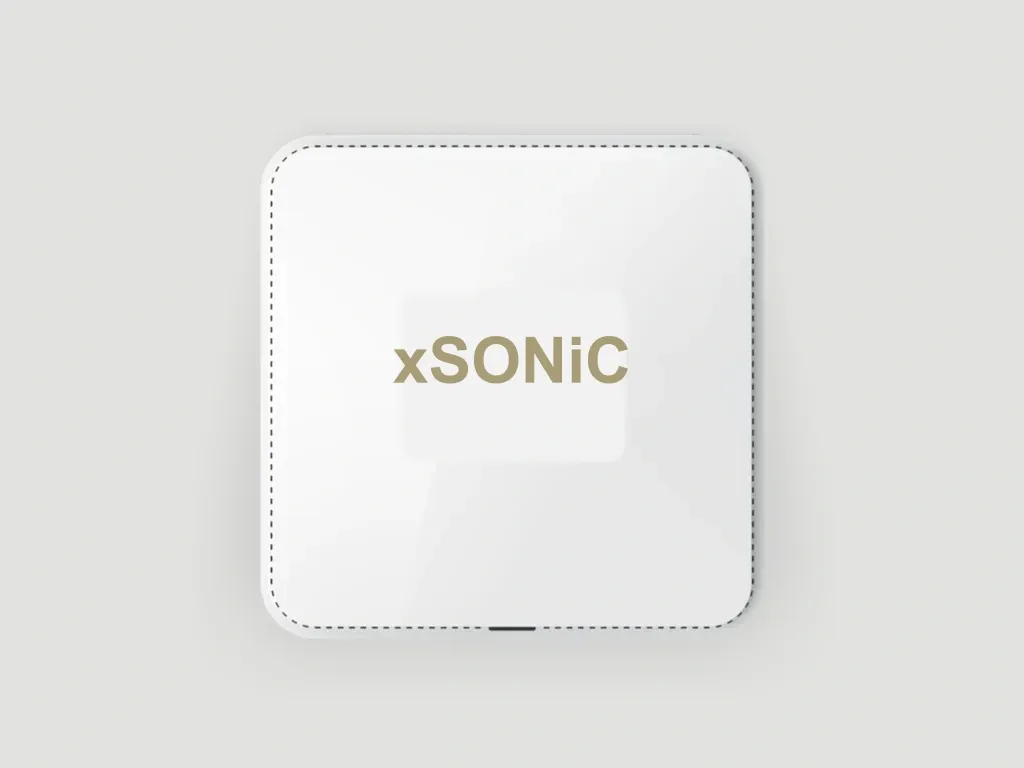 access pointXS-AP-7360Wi-Fi 7 ceiling enterprise access point with 18Gbps aggregate wireless capacity and OpenWiFi-aligned operations.View product
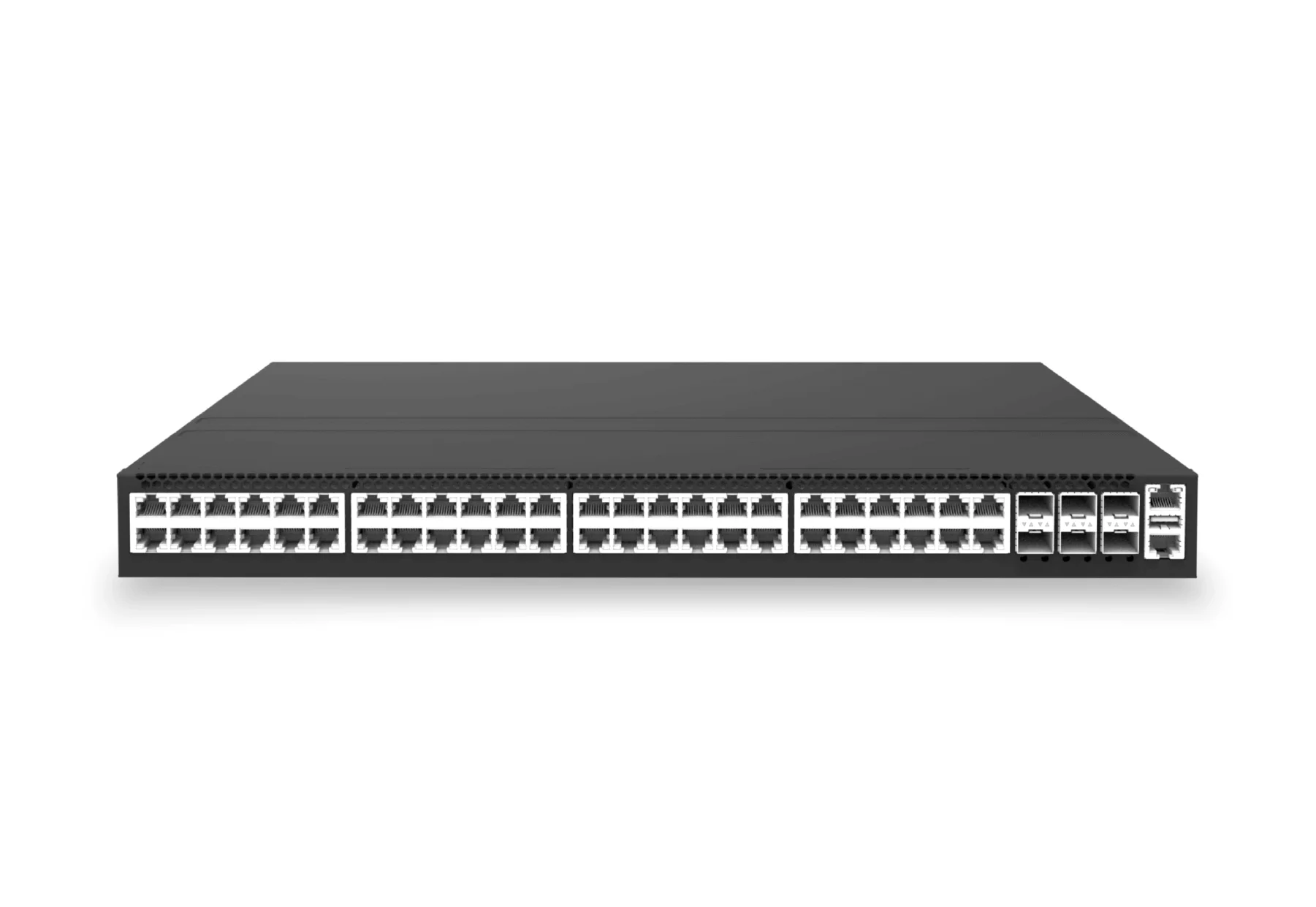 access aggregateXS-AA-48X2P5-6X25-POE144048x 2.5G RJ45 PoE campus access switch with 6x 25G SFP28 for PoE edge, access and aggregation networks.View product
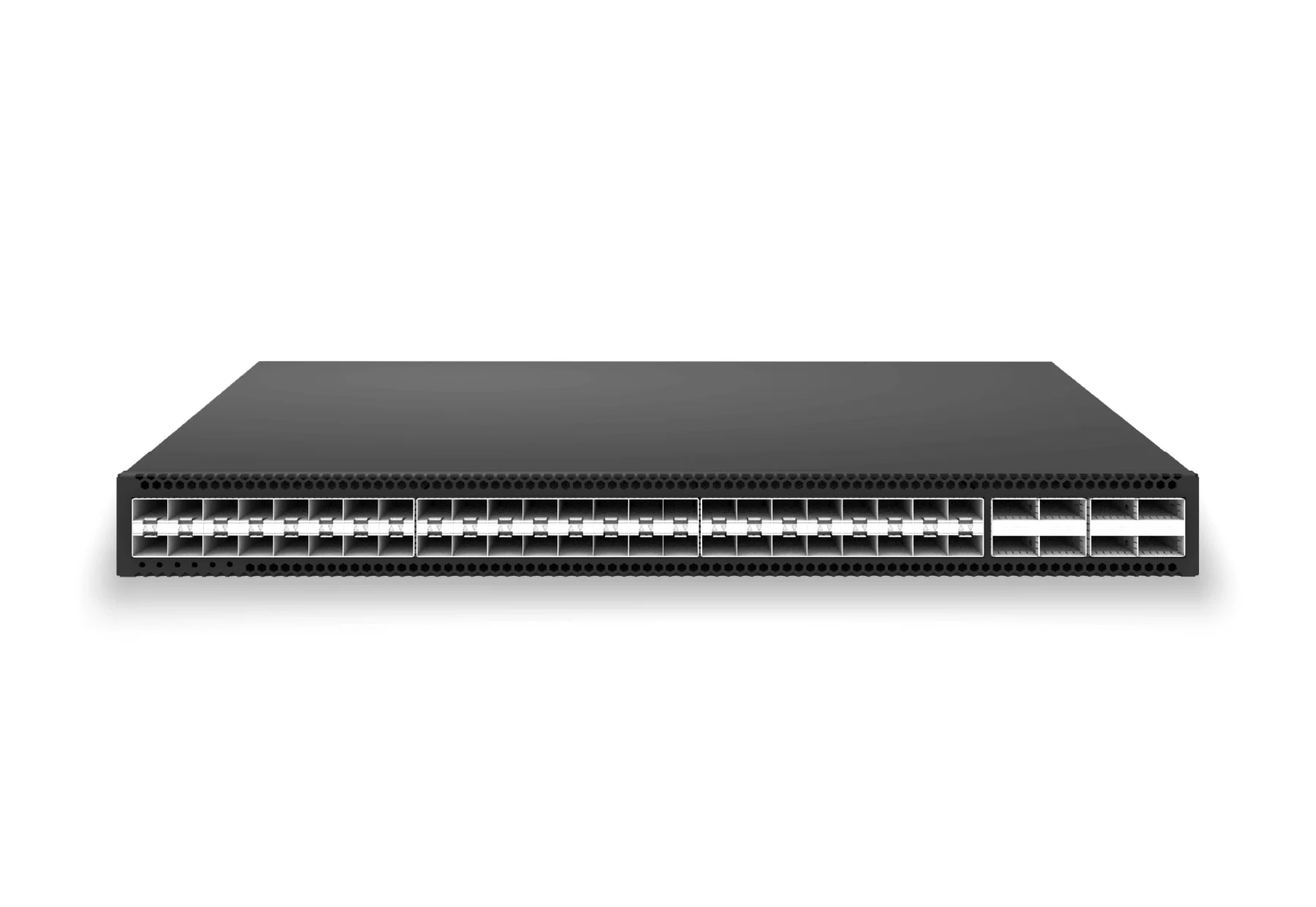 access aggregateXS-AA-48X25-8X100-AGG48x 25G SFP28 aggregation/core switch with 8x 100G QSFP28 for enterprise access and aggregation networks.View product
Continue reading
Related articles
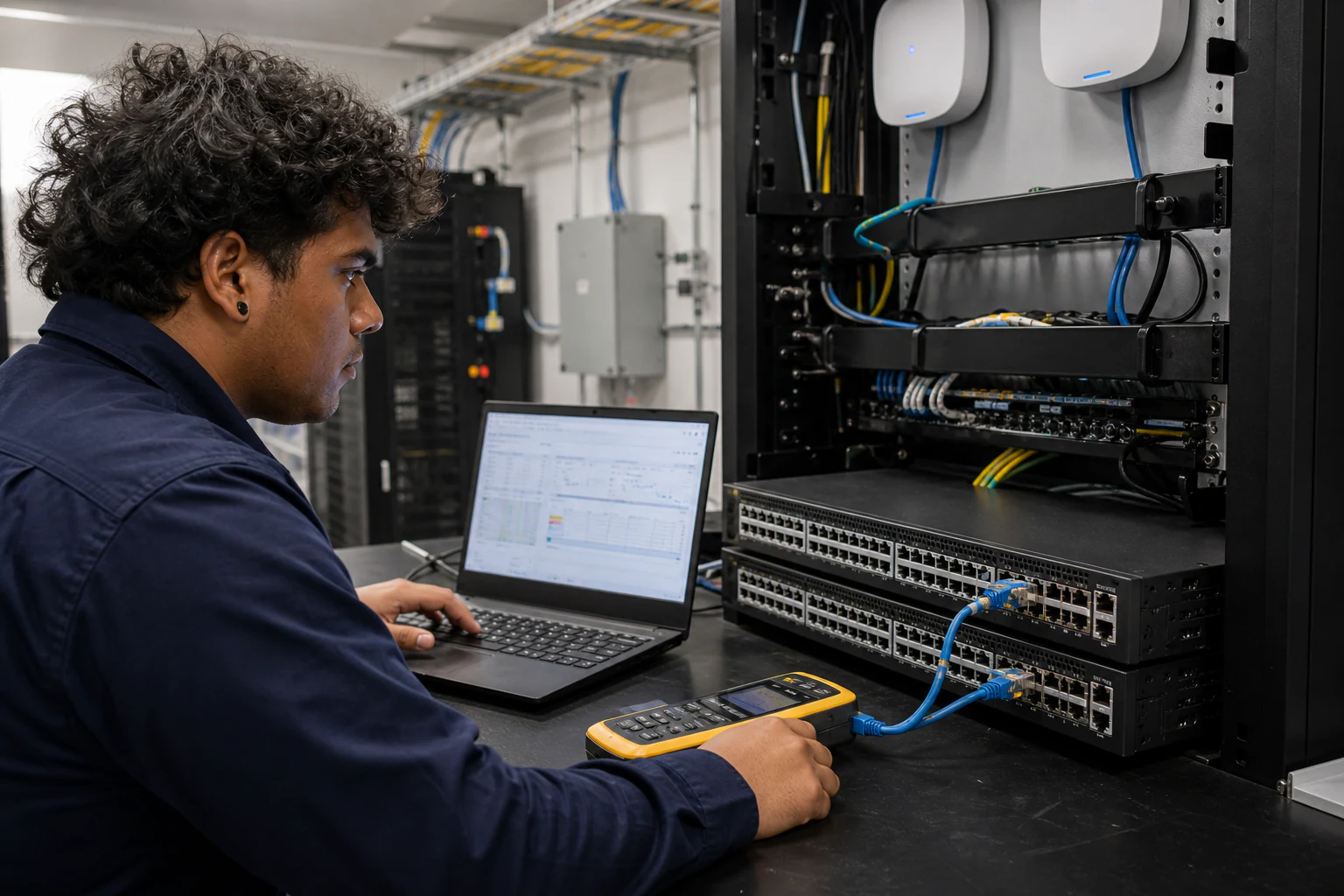 Technical ArticleWi-Fi 7 and OpenWiFi Reshape Enterprise Access Planning: What Australian Network Buyers Should WatchEngineering guidance for Australian Wi-Fi 7 and OpenWiFi planning, covering 6 GHz spectrum, MLO, 320 MHz channels, PoE++, multi-gig backhaul, and controller support.Read article
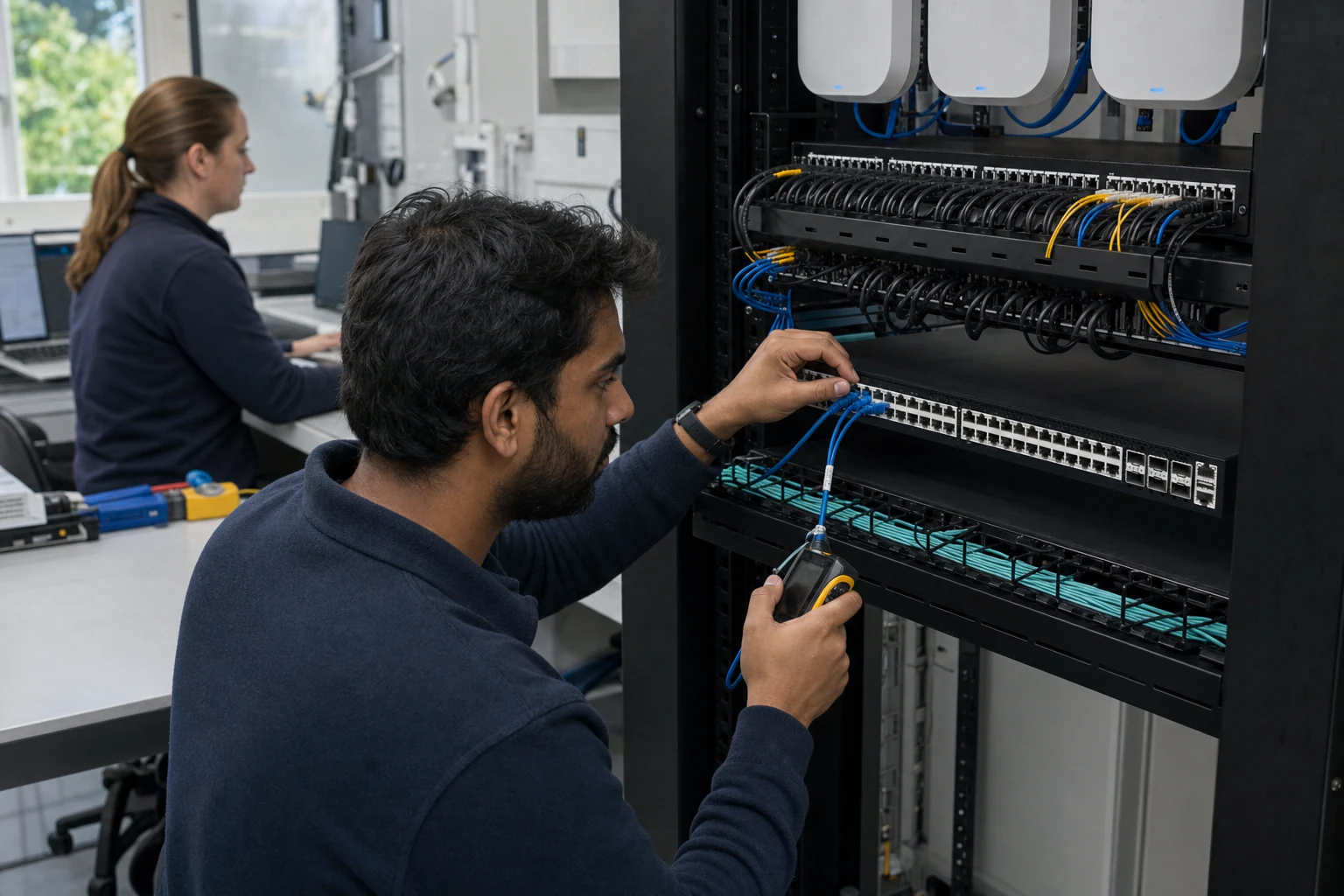 Technical ArticleWi-Fi 6E and Wi-Fi 7 Enterprise Campus Planning in Australia: What Network Buyers Need to Know NowEnterprise Wi-Fi 6E and Wi-Fi 7 campus planning guidance for Australia, covering RF, 6 GHz rules, PoE budgets, uplinks, clients, and pilots.Read article
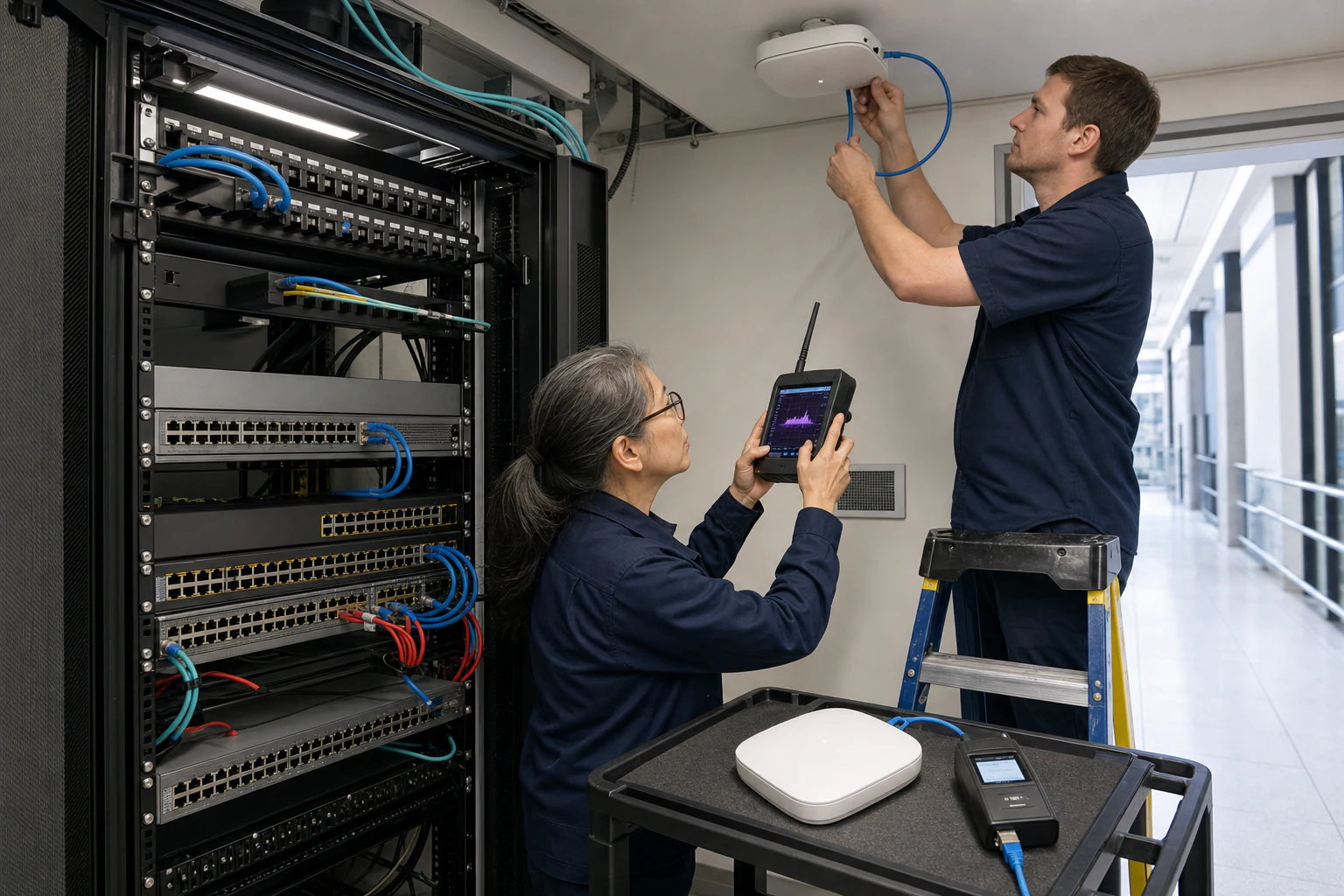 Technical ArticleWi-Fi 7 OpenWiFi Deployment Risk Checklist for Australian IT TeamsWi-Fi 7 OpenWiFi enterprise AP risk-test guide for Australian campus teams, covering RF, security, client readiness, PoE, backhaul, and pilots.Read article