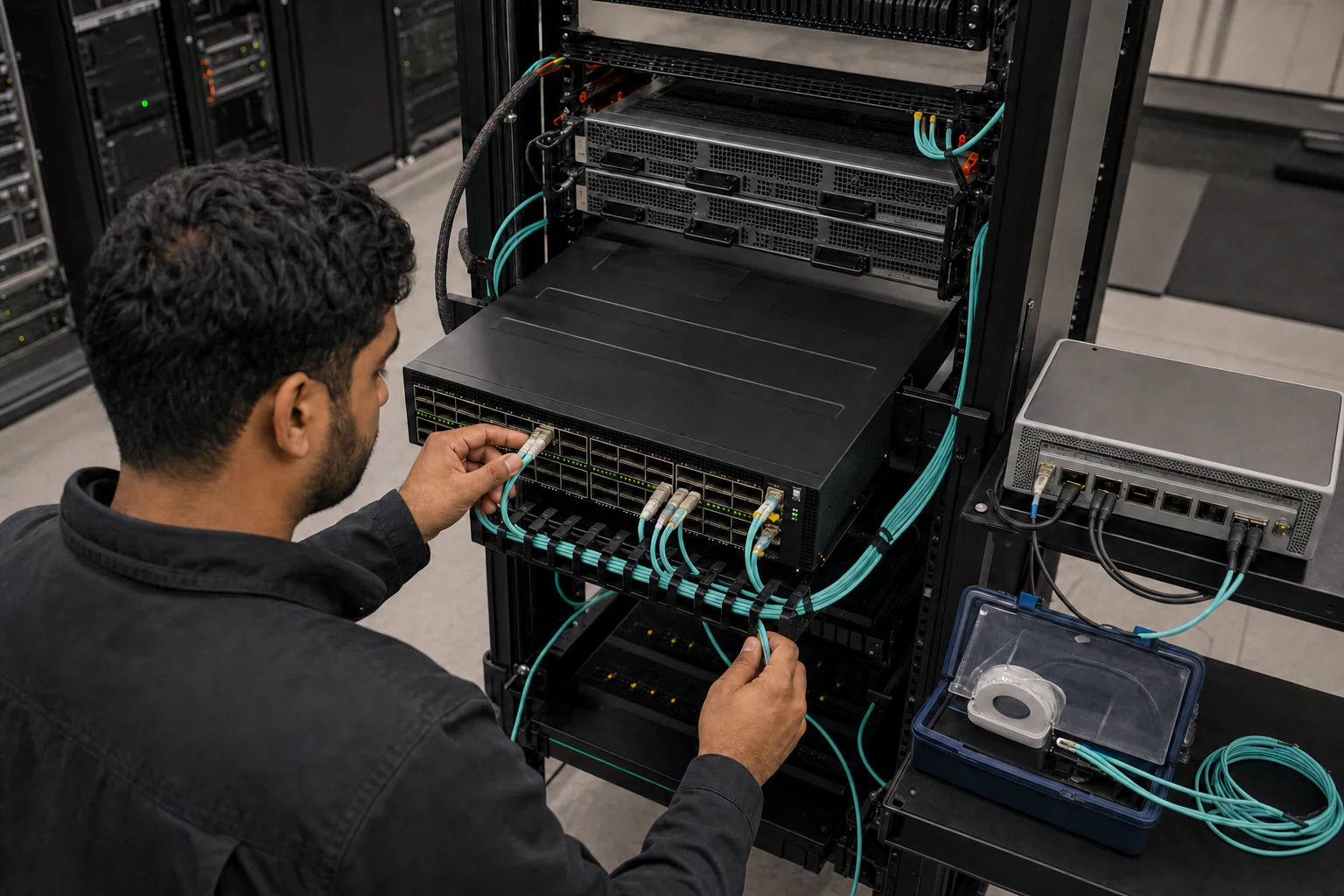
In brief
Practical RoCE v2 on SONiC guidance for Australian GPU cluster builders validating lossless Ethernet fabrics.
Key takeaways
- GPU clusters for training and inference need lossless, low-latency backend fabric.
- SONiC (Software for Open Networking in the Cloud) is a Linux-based, open-source NOS that runs on switches from multiple vendors and ASICs.
- SONiC is built on the Switch Abstraction Interface (SAI), which decouples the NOS from the underlying switch ASIC.
Why RoCE v2 on SONiC is becoming a real option for GPU cluster backends
GPU clusters for training and inference need lossless, low-latency backend fabric. RDMA over Converged Ethernet version 2 (RoCE v2) has become the dominant protocol for moving collective traffic between GPUs across Ethernet switches. The question for many data center operators is no longer whether to use RoCE v2, but which network operating system and which switch hardware to run it on.
SONiC (Software for Open Networking in the Cloud) is a Linux-based, open-source NOS that runs on switches from multiple vendors and ASICs. It offers a full suite of network functionality, including BGP and RDMA, that has been production-hardened in the data centers of some of the largest cloud service providers. For Australian organizations building AI infrastructure, SONiC presents a credible path to multi-vendor RoCE v2 fabric without committing to a single vendor’s proprietary NOS.
What SONiC actually provides for RDMA workloads
SONiC is built on the Switch Abstraction Interface (SAI), which decouples the NOS from the underlying switch ASIC. Its container-based architecture runs each network function in its own Docker container, providing fault isolation, easier troubleshooting, and simplified upgrades. Key features relevant to AI fabric deployment include:
- Multi-vendor switch hardware support across major ASIC families
- Standard Linux interfaces and tooling for configuration and monitoring
- RDMA and RoCE v2 support as part of the core networking feature set
- Programmatic configuration via JSON-based config files and REST/gNMI APIs
- Active open-source community with regular releases and bug fixes
The deployment guidance gap
While SONiC supports RDMA and RoCE v2 at the protocol level, deploying a production-grade GPU cluster fabric requires more than enabling a feature. The practical decisions include:
- DCBX (Data Center Bridging Capability Exchange): Auto-negotiating priority flow control (PFC) and traffic class settings between NICs and switches. Misconfigured DCBX is a common source of RoCE fabric instability.
- Congestion notification: RoCE v2 relies on ECN (Explicit Congestion Notification) and congestion notification packets (CNP) to maintain lossless behavior. Fast CNP generation and proper ECN marking thresholds are critical for GPU collective traffic patterns.
- Telemetry and visibility: INT (In-band Network Telemetry) and path telemetry help operators identify where congestion or packet drops occur in a multi-hop fabric. SONiC supports some telemetry capabilities, but the integration with GPU workload monitoring is still maturing.
- Queue and buffer tuning: AI training traffic has bursty, many-to-many patterns that differ from typical east-west web traffic. Buffer allocation and scheduling profiles need to be tuned for these patterns.
- Scale testing: Validating fabric performance under realistic GPU collective operations (all-reduce, all-to-all) at 100G, 400G, or 800G per port.
The SONiC community documentation covers feature enablement, but end-to-end deployment playbooks for GPU cluster RoCE v2 fabric are not yet standardized in the public SONiC ecosystem. For Australian operators, this means relying on vendor-specific guides, community forum knowledge, or building internal expertise through trial and error.
What this means for Australian AI infrastructure buyers
Australia’s AI infrastructure market is growing as enterprises, research institutions, and cloud providers build out local GPU capacity. The key buying decisions for AI fabric include:
| Decision Area | Proprietary NOS Path | SONiC-Based Path |
|---|---|---|
| Vendor lock-in | Single-vendor NOS and ASIC coupling | Multi-vendor hardware with SAI abstraction |
| RoCE v2 support | Mature, vendor-tested | Supported, community-validated |
| Deployment guidance | Vendor documentation and professional services | Community docs, vendor SONiC guides, internal expertise required |
| Operational tooling | Integrated vendor ecosystem | Standard Linux tools, NETCONF/gNMI, community plugins |
| Cost structure | License fees plus hardware | Open-source NOS, hardware cost focus |
| Long-term flexibility | Migration between vendors requires NOS change | Hardware swap without NOS change |
For organizations that value operational independence and multi-vendor hardware sourcing, SONiC-based RoCE v2 fabric is a credible alternative. The trade-off is that deployment and troubleshooting expertise must be built internally or sourced from specialists, since the ecosystem of professional services and validated deployment guides is thinner than for proprietary alternatives.
The vendor landscape: who supports SONiC on AI-capable switches
Several major switch hardware vendors support SONiC on their data center switching platforms. The list includes vendors using Broadcom-based switch ASICs and other ASIC families. For Australian buyers, the relevant question is which vendors offer local support, warranty, and supply chain access for SONiC-compatible hardware. This is a practical consideration that does not appear in global SONiC community documentation.
NVIDIA’s endorsement of Pure SONiC on its Spectrum switch portfolio is significant because it means the same hardware used for NVIDIA’s own AI networking solutions can run SONiC. However, Pure SONiC is NVIDIA’s distribution, and feature parity with community SONiC may vary. Buyers should verify which SONiC distribution and version their chosen hardware vendor supports and test against their specific GPU collective traffic patterns.
What to watch next
The SONiC community is actively developing RDMA and telemetry capabilities. Key areas to monitor include:
- DCBX and PFC automation improvements in upcoming SONiC releases
- INT and path telemetry maturity for multi-hop RoCE fabric visibility
- Community deployment guides for GPU cluster backends (currently sparse)
- Australian partner and integrator ecosystem for SONiC-based AI fabric design and support
- 800G switch and optics availability in the Australian supply chain for next-generation GPU clusters
Editorial assessment
SONiC is a viable NOS for RoCE v2 AI fabric, backed by production use in major cloud providers and support from key switch ASIC vendors including NVIDIA. The gap is not capability but practical deployment guidance, especially for organizations outside the hyperscaler ecosystem. For Australian AI infrastructure builders evaluating open networking alternatives to proprietary stacks, the path is real but requires investment in expertise or access to specialists who have validated the end-to-end fabric.
xSONiC’s position in this market is to provide the product, solution, and guide content that closes the gap between SONiC’s feature set and a production-ready GPU cluster deployment. The editorial opportunity is to be the Australian source that answers the practical questions the community docs leave open.
RoCE v2 Validation Matrix
| Validation area | Evidence to capture | Rework trigger |
|---|---|---|
| Lossless class | PFC priority, ECN policy, DCBX state, MTU and queue mapping across every 100G, 400G or 800G link | One switch or NIC uses a different lossless class or MTU |
| Congestion behaviour | Microburst, many-to-one and link-failure tests with queue telemetry and CNP evidence | Throughput passes but tail latency or pause behaviour is invisible |
| Platform stack | Switch SKU, SONiC image, ASIC/SAI version, NIC firmware, optics and cable type | The deployment is described as “RoCE ready” without a reproducible stack |
| Operations | Runbook, rollback, alerting and 24 hours of representative workload telemetry | The team cannot identify whether a failure sits in NIC, optics, SAI, QoS or application behaviour |
Engineering FAQ
What should be proven before adopting RoCE v2 on SONiC? Prove PFC, ECN, DCBX, MTU, queue policy, NIC firmware, optics, telemetry and failure recovery on the exact switch and GPU node stack. RoCE should be accepted as an end-to-end fabric, not a feature checkbox.
Why does telemetry matter so much for RoCE? Lossless Ethernet can fail through congestion, pause storms, mismatched priorities or optics errors. Without queue, ECN, PFC and path telemetry, teams often blame the GPU job before proving the fabric state.
What should be included in a RoCE operations runbook? Include QoS policy, PFC priorities, ECN thresholds, MTU, DCBX state, NIC firmware, switch image, telemetry fields, rollback commands, failure checks and escalation ownership for the selected SONiC image.
Related xSONiC Resources
Sources Reviewed
- Ethernet Network Adapters - ConnectX NICs | NVIDIA
- NVIDIA BlueField Data Processing Unit
- NVIDIA Spectrum-X Ethernet Platform
- OpenConfig gNMI Specification
- OpenConfig
- RFC 7950 - The YANG 1.1 Data Modeling Language
- RFC 6241 - Network Configuration Protocol (NETCONF)
- SONiC Project Documentation
- Broadcom Ethernet Switching
- Marvell Switching
- NVIDIA Ethernet Switching
- Open Compute Networking
- SONiC GitHub
- SONiC Foundation
Product fit
Products referenced for evaluation
These products are referenced for evaluation context in the article. Confirm workload, port, optics, software, interoperability, and support requirements against the exact deployment before procurement.
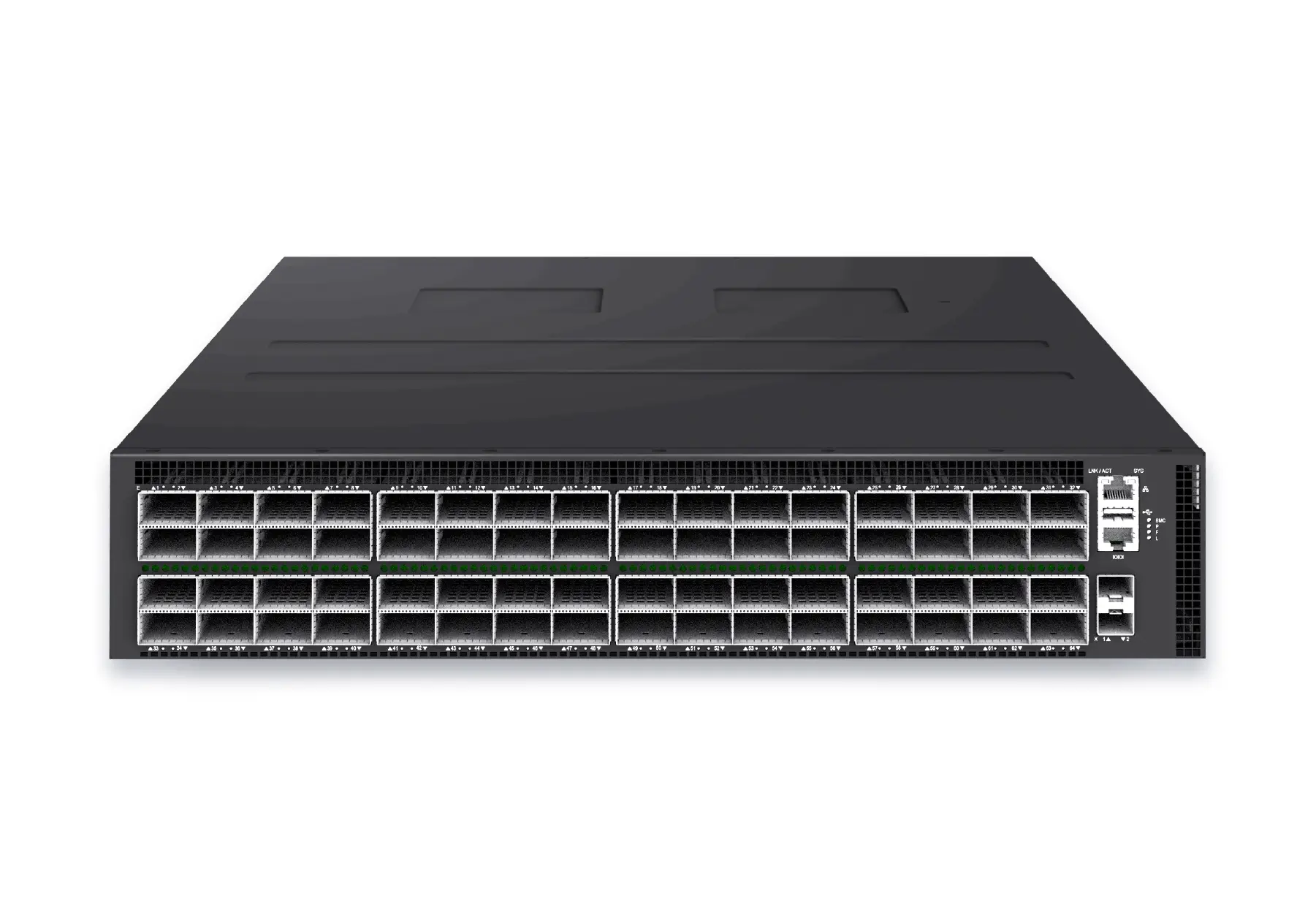 datacenter aiXS-DC-64X800-AI-G164-port 800G AI fabric switch for large-scale GPU clusters, HPC backbones, and ultra-high-throughput data center networks.View product
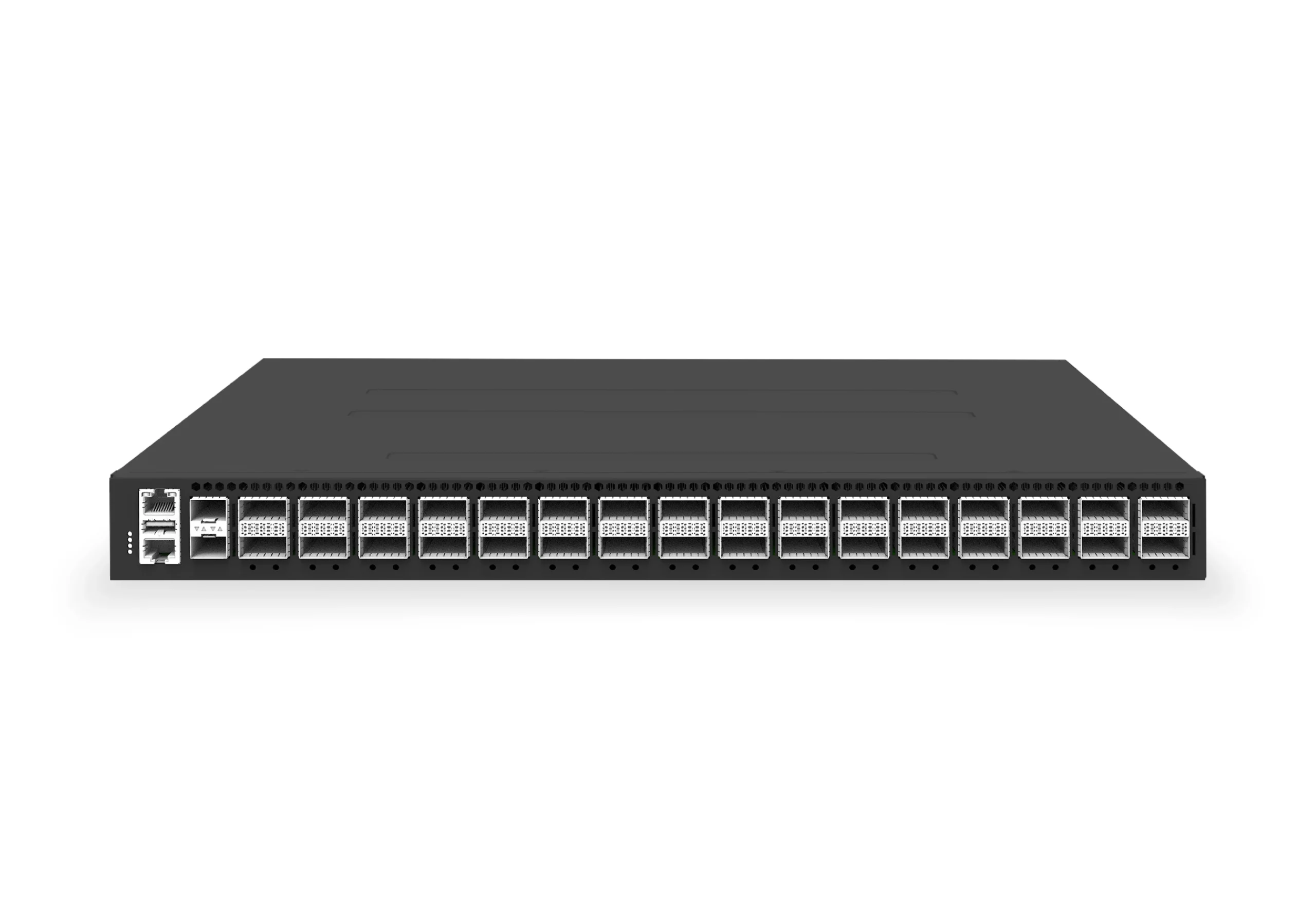 datacenter aiXS-DC-32X400-SP-G232-port 400G spine/core switch for high-capacity data center fabrics and AI-ready backbones.View product
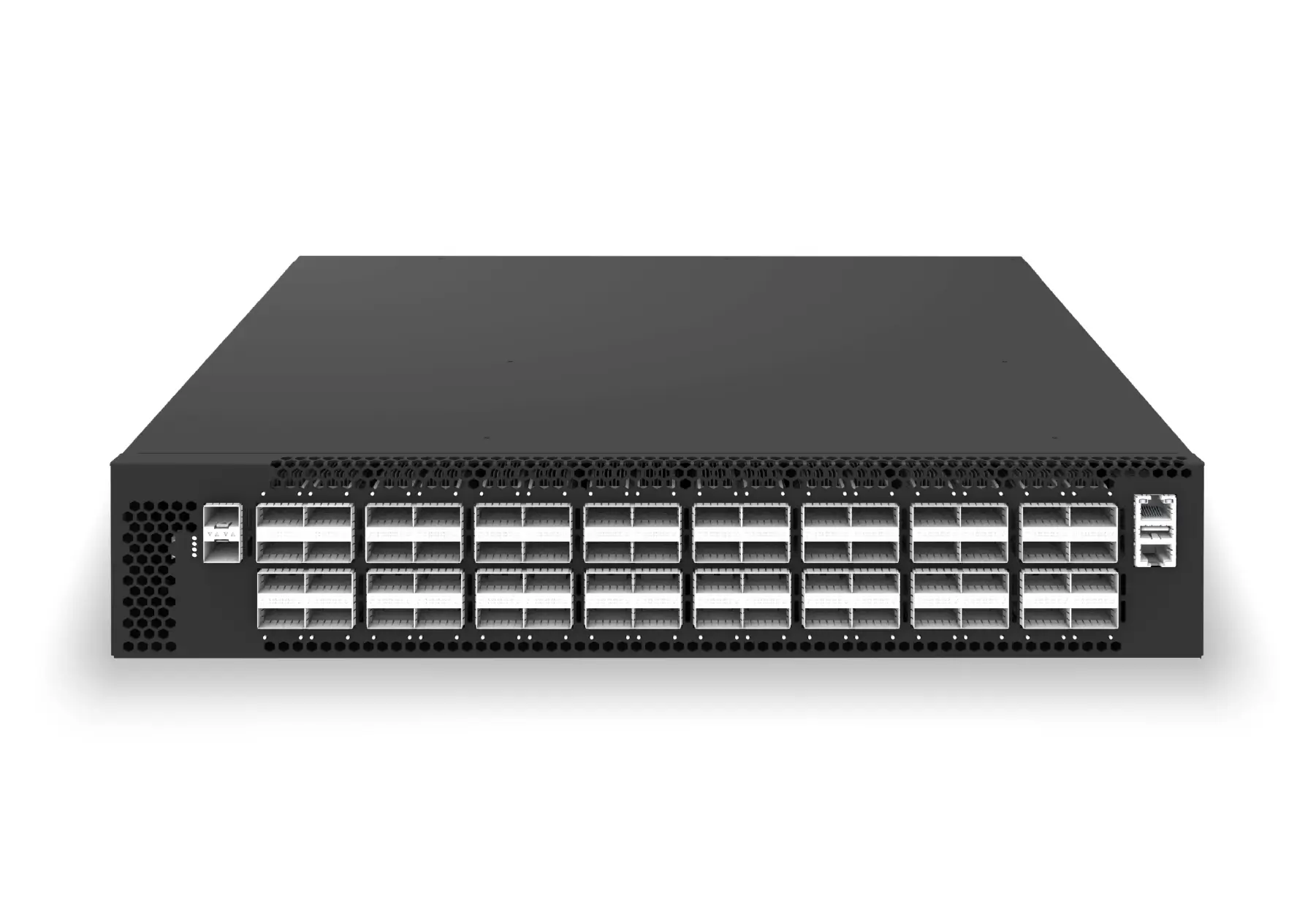 datacenter aiXS-DC-64X200-LS-G164-port 200G leaf/spine switch for high-bandwidth storage, compute, and scale-out data center fabrics.View product
Continue reading
Related articles
 Technical ArticleDesigning GPU Backend Fabrics with RoCE v2: How SONiC 400G/800G Switches Transform AI Data CentersEngineering guide for AI fabric buyers covering RoCE, SONiC, telemetry, optics, support ownership, and deployment validation.Read article
 Technical ArticleWhy Open SONiC Ethernet Is Becoming the Default AI Fabric for GPU Backend ClustersEngineering guidance on Open SONiC Ethernet Is Becoming the Default AI Fabric for GPU Backend Clusters for Australian network teams, covering underlay design.Read article
 Technical ArticleGPU Cluster Fabric Design: Why AI Workloads Need Purpose-Built EthernetArchitecture guide to GPU cluster fabrics covering RoCE v2, PFC, ECN, DCBX, SONiC, 400G/800G, telemetry, InfiniBand trade-offs, and acceptance evidence.Read article