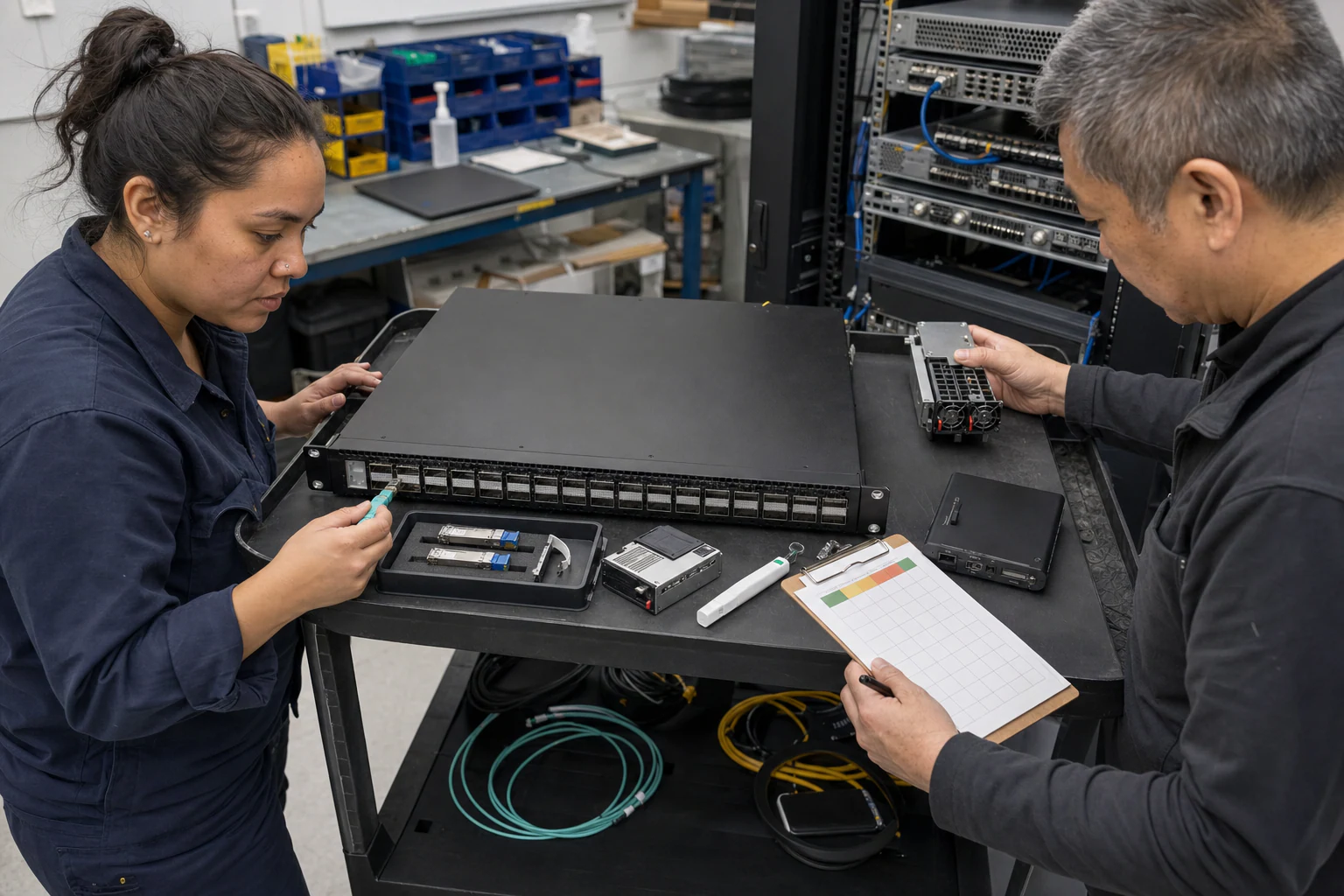
In brief
A practical runbook for Australian teams evaluating packet brokers for traffic visibility, aggregation, filtering, tool load balancing, and compliance monitoring.
Key takeaways
- Network packet brokers sit at the intersection of security, compliance, and operational visibility.
- A packet broker aggregates network traffic from multiple tap and SPAN points, applies filtering and load-balancing rules, and delivers curated traffic flows to downstream tools including intrusion detection systems, application performance monitors, forensic recorders, and compliance appliances.
- This runbook provides a structured approach to evaluating, specifying, and procuring network packet broker infrastructure for Australian enterprise campus, data center, and hybrid cloud environments.
Why Australian Procurement Leads Need a Packet Broker Runbook
Network packet brokers sit at the intersection of security, compliance, and operational visibility. For Australian enterprise and data center programs, the procurement decision carries weight beyond simple port-count calculations. Regulatory frameworks such as the Australian Privacy Act, the Notifiable Data Breaches scheme, and sector-specific requirements from APRA for financial services demand that security and monitoring tools receive complete, unfiltered access to relevant traffic streams.
A packet broker aggregates network traffic from multiple tap and SPAN points, applies filtering and load-balancing rules, and delivers curated traffic flows to downstream tools including intrusion detection systems, application performance monitors, forensic recorders, and compliance appliances. When procurement leads treat this as a commodity purchase, the result is often incomplete visibility, tool oversubscription, and blind spots that attackers exploit.
This runbook provides a structured approach to evaluating, specifying, and procuring network packet broker infrastructure for Australian enterprise campus, data center, and hybrid cloud environments. It is written for procurement teams working alongside network architects and security operations leads.
Traffic Visibility Architecture: Mapping What You Need to See
Before evaluating packet broker hardware or software, procurement leads should confirm the traffic visibility architecture with their engineering and security teams. The core questions are:
-
What traffic sources exist? Physical TAPs on backbone links, SPAN ports on campus switches, virtual TAPs inside hypervisor hosts, cloud VPC flow mirroring, and inter-data-center WAN links all produce traffic feeds that may need brokerage.
-
What tools consume the traffic? IDS/IPS appliances, SIEM collectors, network detection and response (NDR) platforms, application performance monitoring (APM), packet capture and forensics, and compliance logging systems each have different bandwidth, latency, and data-format requirements.
-
What is the total traffic volume at peak? In Australian data center environments running AI and HPC workloads, east-west traffic between GPU clusters and storage fabrics can dwarf north-south volumes. Campus environments with high-density Wi-Fi and IoT deployments generate their own traffic patterns.
-
What are the deduplication and packet-slicing requirements? Duplicate packets from multiple TAP points waste tool bandwidth. Slicing headers or payloads before delivery can reduce load without losing the metadata that security tools require.
A visibility architecture diagram should be a procurement deliverable, not an afterthought. If the engineering team cannot produce one, that is a signal to pause and map the environment before issuing an RFP.
Aggregation Use Cases in Australian Data Centers
Traffic aggregation is the primary use case driving packet broker procurement. In a typical Australian enterprise data center, aggregation scenarios include:
Spine-leaf fabric monitoring. Modern data center fabrics built on SONiC-based switches with BGP EVPN-VXLAN architectures generate high volumes of east-west traffic across 100G and 400G leaf-to-spine links. Packet brokers aggregate traffic from multiple leaf TAP points and deliver filtered feeds to monitoring tools without requiring those tools to match the raw fabric bandwidth.
AI cluster backend visibility. GPU training and inference clusters using RoCE v2 for RDMA traffic require low-latency, lossless monitoring. Packet brokers positioned between backend fabric switches and monitoring tools can aggregate traffic from multiple GPU backend links while preserving the RDMA flow metadata that performance analysis tools depend on. For Australian organizations deploying private LLM infrastructure, this visibility is essential for identifying congestion, retransmissions, and flow completion time issues.
Multi-site interconnect monitoring. Australian enterprises with data centers in Sydney, Melbourne, and Brisbane often run dedicated WAN or wavelength links between sites. Packet brokers can aggregate WAN link traffic and apply filtering to deliver only relevant flows to geographically distributed security tools.
Campus-to-data-center aggregation. Campus traffic traversing aggregation and core switches before reaching the data center can be tapped at the aggregation layer. A packet broker consolidates traffic from multiple campus uplinks and delivers segmented feeds based on VLAN, subnet, or application classification.
The procurement specification for aggregation should define the maximum aggregate bandwidth, the number of ingress ports at each speed tier, and whether non-blocking forwarding is required.
Filtering and Load-Balancing Use Cases
Raw aggregation without filtering overwhelms downstream tools. The filtering and load-balancing capabilities of a packet broker directly determine tool utilization efficiency.
Flow-based filtering. Procurement leads should specify whether the broker supports L2 through L4 header matching, including VLAN ID, source and destination IP, protocol, and port number. For Australian financial services organizations under APRA CPS 234, the ability to filter and forward traffic matching specific application profiles to dedicated compliance recording appliances is a common requirement.
Application-aware filtering. Advanced packet brokers can identify application-layer protocols and filter accordingly. This is useful when security teams need DNS traffic routed to one tool and HTTP/S traffic to another.
GRE and VXLAN tunnel stripping. In overlay network environments common in Australian data centers running EVPN-VXLAN, packet brokers that can strip outer tunnel headers and deliver inner packet payloads to monitoring tools simplify tool configuration and reduce processing overhead.
Load balancing across tool pools. When aggregate traffic exceeds the capacity of a single monitoring appliance, packet brokers can distribute flows across a pool of identical tools using hash-based load balancing. This enables horizontal scaling of capture and analysis infrastructure.
Deduplication. Traffic tapped at multiple points in the network path produces duplicate packets. Deduplication at the packet broker reduces tool processing waste by 20 to 40 percent in typical campus and data center environments, though actual savings depend on the specific topology.
Packet slicing. For compliance logging where full payload capture is not required, packet brokers can truncate packets to a configurable byte count, preserving headers while discarding payload data. This reduces storage requirements on capture appliances significantly.
Procurement Decision Framework for Australian Programs
The following decision criteria should guide packet broker procurement evaluation for Australian enterprise and data center programs:
| Criterion | What to Evaluate | Why It Matters |
|---|---|---|
| Aggregate bandwidth capacity | Total non-blocking throughput at full line rate | Prevents oversubscription during traffic bursts |
| Port density by speed tier | Number of 10G/25G/40G/100G/400G ports | Must match current and planned network link speeds |
| Filtering granularity | L2-L4 header matching, application awareness | Determines how precisely traffic can be routed to tools |
| Tunnel processing | GRE, VXLAN, MPLS stripping capability | Essential for overlay network visibility |
| Deduplication and slicing | Hardware-accelerated packet manipulation | Reduces tool load and storage requirements |
| Management and automation | CLI, SNMP, REST API, NETCONF/YANG | Integration with existing operations tooling |
| Open NOS compatibility | SONiC, Cumulus, or other open NOS support | Reduces vendor lock-in and simplifies lifecycle management |
| Form factor and power | 1U/2U rack depth, power draw, cooling | Relevant for Australian colocation facilities with per-rack power budgets |
| Australian support and spares | Local TAC, spare pool, RMA turnaround | Downtime on packet broker means lost visibility across all tools |
Procurement leads should evaluate packet broker solutions against these criteria using a weighted scoring matrix. Do not let a single feature drive the decision without validating that the baseline aggregation and filtering capabilities meet the environment’s requirements.
Open Networking Alignment: Why SONiC Ecosystem Matters
The broader shift toward disaggregated, open networking infrastructure affects packet broker procurement decisions. SONiC (Software for Open Networking in the Cloud), a Linux Foundation project and Open Compute Project sub-project, has become the reference NOS for hyperscale and enterprise data center networking. SONiC decouples hardware from software, runs on switches from multiple vendors and ASICs, and offers a container-based architecture that enables modular deployment and rapid evolution.
For packet broker buyers, the open networking alignment matters in three ways:
Consistent operations tooling. If the data center fabric already runs SONiC-based switches, selecting a packet broker built on the same open NOS ecosystem reduces training overhead and enables unified management, monitoring, and automation workflows.
Avoiding proprietary lock-in. Traditional packet broker vendors often use proprietary operating systems and management planes. Open networking packet brokers based on SONiC or SAI (Switch Abstraction Interface) give procurement teams the option to change hardware suppliers without replacing the entire operational workflow.
Community-driven feature velocity. SONiC benefits from contributions by major cloud providers and network chip vendors, including Broadcom and others contributing to the SAI hardware abstraction layer. Features developed for hyperscale deployments flow into the community distribution and vendor distributions, giving enterprise buyers access to capabilities that proprietary vendors may take longer to deliver.
Australian data center programs evaluating 400G fabric upgrades or AI infrastructure deployments should consider whether their packet broker strategy aligns with their broader open networking roadmap. Mixing proprietary packet brokers into an otherwise SONiC-based fabric introduces operational fragmentation.
Common Procurement Pitfalls to Avoid
Australian procurement leads evaluating packet broker programs should watch for these common pitfalls:
Specifying port counts without defining the visibility architecture. A packet broker with 48 ports is useless if the architecture requires 64 ingress feeds. Map the visibility architecture first, then specify the hardware.
Ignoring east-west traffic growth. AI workload clusters, microservices architectures, and storage replication traffic generate heavy east-west flows that traditional north-south monitoring architectures miss. Packet broker sizing must account for current and projected east-west volumes.
Treating the packet broker as a one-time purchase. Traffic volumes grow, new tools are added, and filtering requirements change. Procurement should plan for modular expansion, including the ability to stack or cluster packet broker units.
Underestimating Australian logistics lead times. Hardware lead times for specialized networking equipment in Australia can extend to 8 to 16 weeks depending on vendor and configuration. Procurement timelines should account for this, especially for new data center fit-outs with fixed commissioning dates.
Failing to specify management API requirements. If the security operations team plans to automate traffic forwarding rules based on threat intelligence feeds, the packet broker must support programmatic configuration via REST API or NETCONF/YANG. This requirement should appear in the RFP, not as a post-purchase discovery.
Next Steps for Procurement Teams
Procurement leads managing Australian enterprise and data center packet broker programs should take the following steps:
- Commission a traffic visibility architecture review with the network and security engineering teams.
- Quantify aggregate bandwidth requirements at peak load, including east-west and north-south volumes.
- Document tool inventory with bandwidth, latency, and data-format requirements for each downstream consumer.
- Evaluate packet broker solutions against the weighted decision framework above.
- Confirm Australian support capabilities, including local TAC access and spare pool availability.
- Align packet broker selection with the broader open networking and NOS strategy for the data center or campus environment.
- Issue the RFP with explicit requirements for filtering granularity, tunnel processing, management APIs, and expansion capability.
xSONiC network packet broker products are designed for enterprise and data center traffic visibility workloads with aggregation, filtering, replication, load balancing, tunnel processing, packet slicing, and deduplication capabilities. For procurement teams evaluating open networking-aligned packet broker solutions for Australian programs, xSONiC provides product specifications and solution guidance tailored to campus, data center, and AI infrastructure environments.
Engineering Evidence Floor
For packet broker and traffic visibility topics, accept capacity claims only after replication, filtering, and tool delivery are modelled together. The evidence package should include source links, 95th percentile utilisation, burst peaks, tunnel handling, packet slicing or deduplication, replication factor, tool-port capacity, HA behaviour, and alert ownership. A useful pilot should replay 30 minutes of representative traffic, cover 100G/400G links where present, and include at least 3 failure or tool-overload cases.
| Evidence area | What to validate | Acceptance gate | Rework trigger |
|---|---|---|---|
| Source traffic | Link speed, burst peak, packet mix, and tunnel mix | Model covers current and 12 months growth | Average utilisation drives sizing |
| Replication | Copy count, filters, deduplication, slicing, and load balance | 30 minutes replay with rules enabled | Vendor proof uses clean traffic only |
| Tool delivery | IDS/NDR/SIEM ingress, loss counters, and failover | No sustained drops at broker or tool | Tools overload while broker is healthy |
| Resilience | HA, bypass, link failure, tool failure, and rollback | 3 failure cases documented | Visibility disappears during incidents |
| Audit | Evidence bundle, retention, access control, and ownership | P1 packet evidence ready within 2 hours | Teams debate which data is authoritative |
Engineering FAQ
What should be measured before buying a packet broker? Measure every ingress source, every tool output, and the peak bandwidth for east-west, north-south, WAN, and campus aggregation traffic. A credible bill of materials should state port speed mix, non-blocking throughput target, expected deduplication ratio, tunnel handling requirements, and the number of tool outputs that must remain active during maintenance.
When does filtering become a hard requirement rather than a convenience? Filtering becomes mandatory when raw mirrored traffic can exceed downstream tool capacity, when APRA CPS 234 or internal control testing requires evidence capture for specific application classes, or when packet slicing is needed to reduce payload exposure while preserving header-level forensic value.
How should procurement teams test load balancing? Use flow-aware test traffic, not only port counters. The acceptance test should verify that all packets in a conversation stay on the same analysis tool, failed tools are removed without creating a visibility gap, and the remaining tool pool does not exceed its inspected throughput limit during traffic bursts.
What support evidence matters in Australia? Ask for Australian-timezone escalation, local spare availability, documented RMA targets, supported software versions, and a patch process for security-sensitive management interfaces. For a packet broker, downtime means the security and observability tools behind it lose visibility at the same time.
Related xSONiC Resources
Sources Reviewed
- Ethernet Network Adapters - ConnectX NICs | NVIDIA
- NVIDIA BlueField Data Processing Unit
- NVIDIA Spectrum-X Ethernet Platform
- OpenConfig gNMI Specification
- OpenConfig
- RFC 7950 - The YANG 1.1 Data Modeling Language
- RFC 6241 - Network Configuration Protocol (NETCONF)
- ACSC Essential Eight
- OAIC Notifiable Data Breaches
- APRA CPS 234 Information Security
- NETSCOUT Network Packet Definition
- Cloudflare Network Packet Definition
- SONiC Project Documentation
- Broadcom Ethernet Switching
- Marvell Switching
- NVIDIA Ethernet Switching
- Open Compute Networking
- SONiC GitHub
- SONiC Foundation
Product fit
Products referenced for evaluation
These products are referenced for evaluation context in the article. Confirm workload, port, optics, software, interoperability, and support requirements against the exact deployment before procurement.
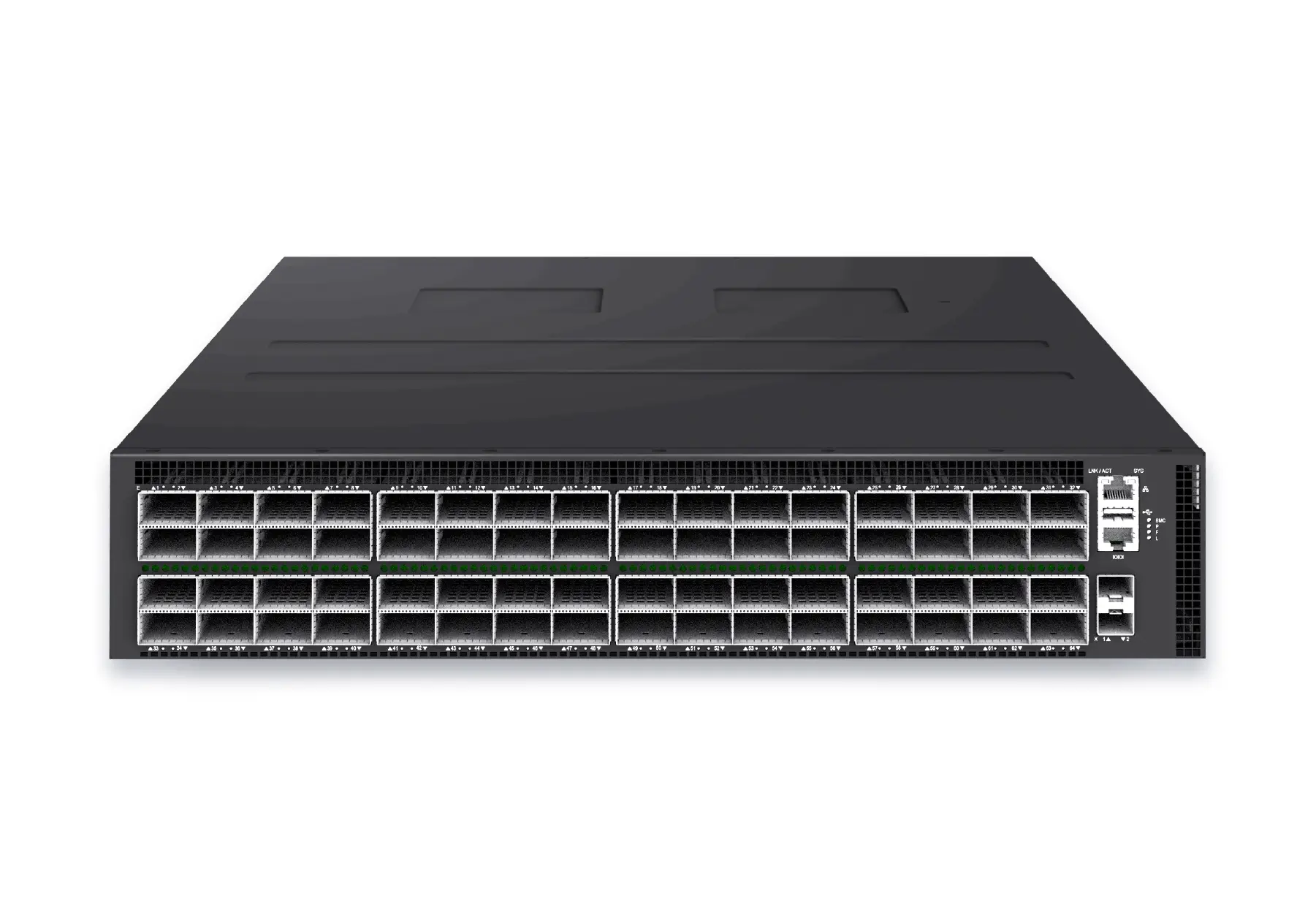 datacenter aiXS-DC-64X800-AI-G164-port 800G AI fabric switch for large-scale GPU clusters, HPC backbones, and ultra-high-throughput data center networks.View product
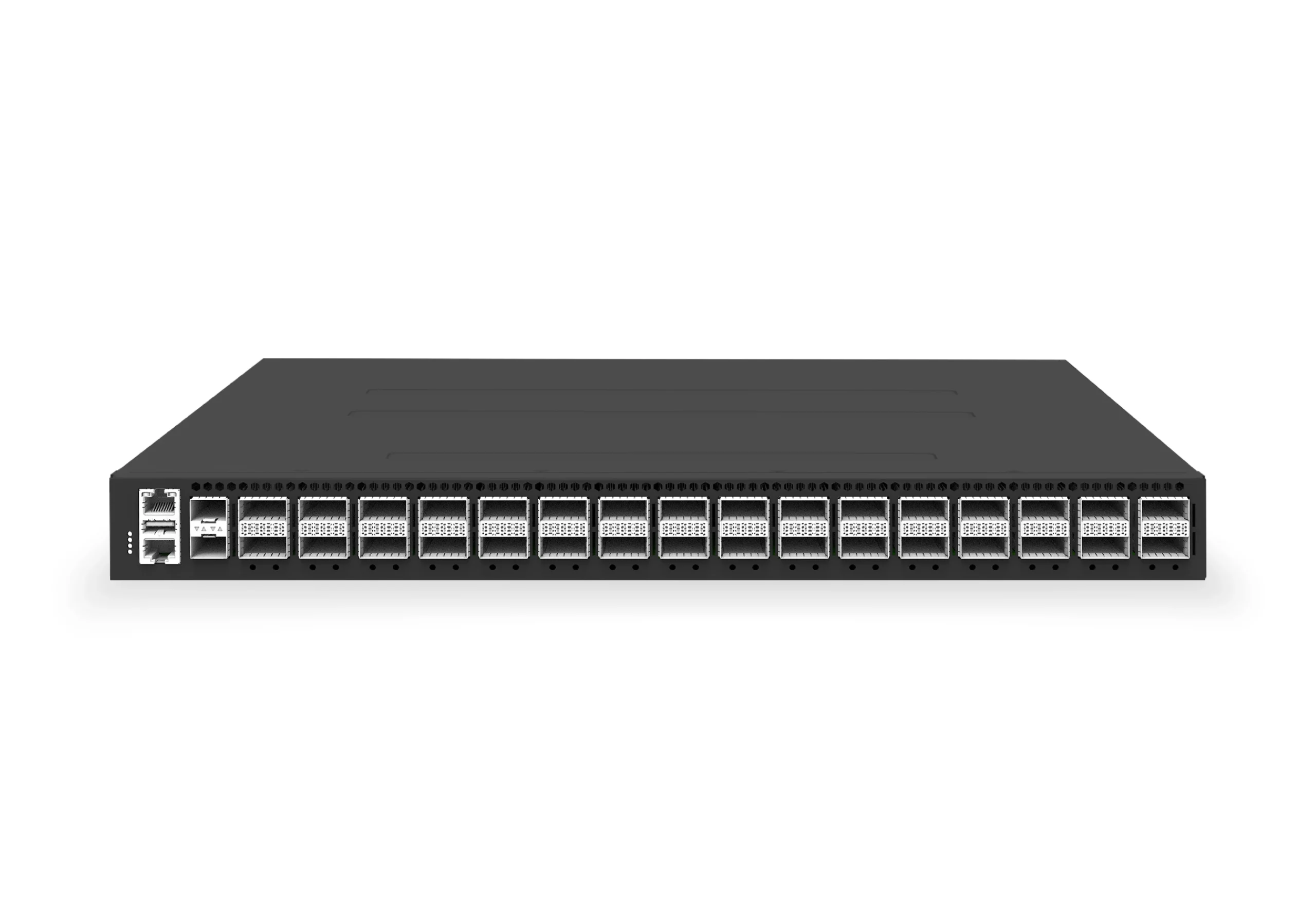 datacenter aiXS-DC-32X400-SP-G232-port 400G spine/core switch for high-capacity data center fabrics and AI-ready backbones.View product
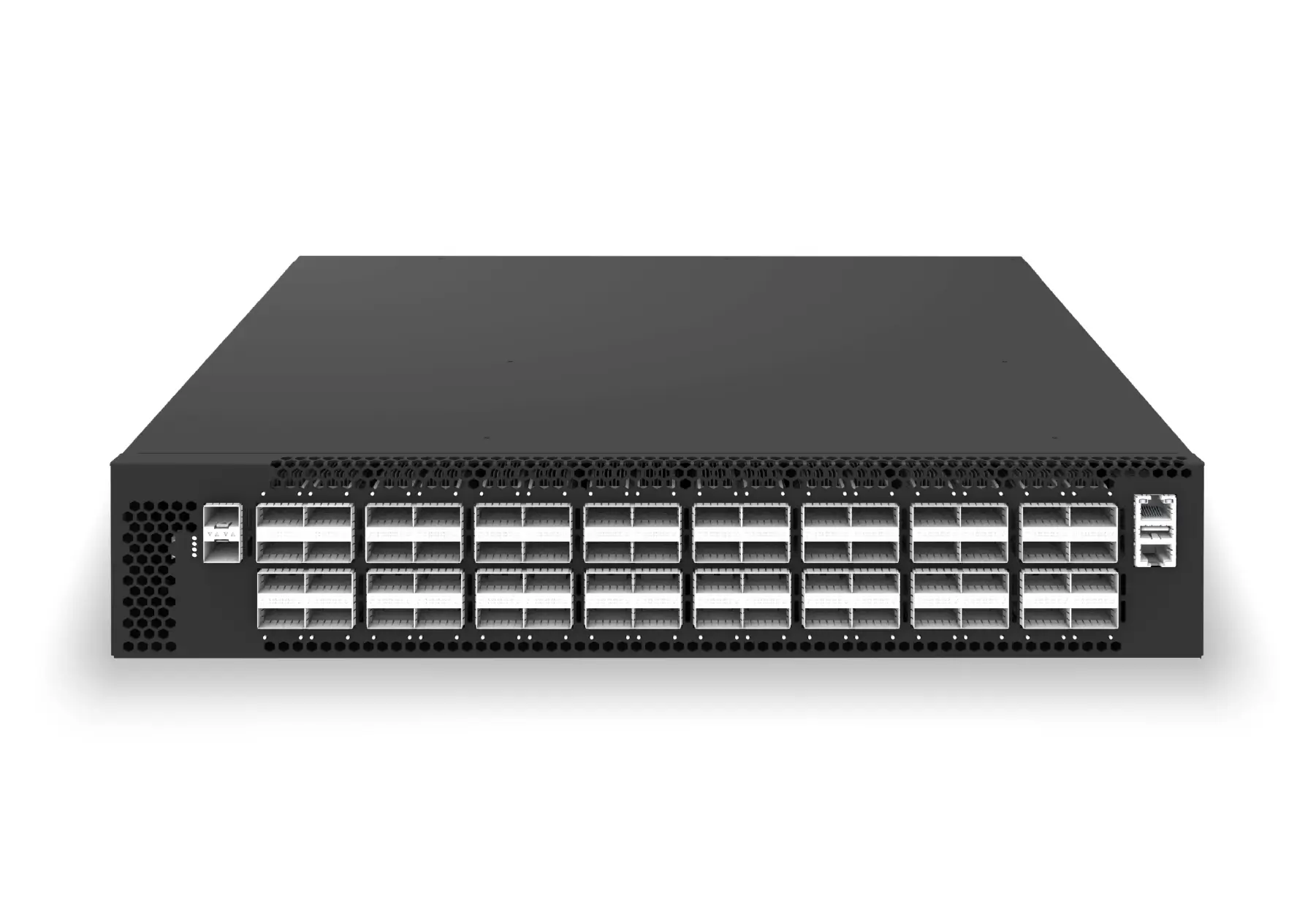 datacenter aiXS-DC-64X200-LS-G164-port 200G leaf/spine switch for high-bandwidth storage, compute, and scale-out data center fabrics.View product
Continue reading
Related articles
 Technical ArticleNetwork Packet Broker Deployment for Australian NetworksEngineering guidance on Network Packet Broker Deployment Playbook for Australian network and security teams, covering traffic visibility, capacity modelling, tool.Read article
 Technical ArticleINT Telemetry and Path Visibility for AI Data Center Switches: An xSONiC Deployment PlaybookEngineering guidance on INT Telemetry and Path Visibility for AI Data Center Switches for Australian network operators, covering gNMI, NETCONF/YANG, OpenConfig.Read article
 Technical ArticleClosing the Packet Broker Visibility Gap: A Practical Analysis for Security and Observability TeamsA practical engineering analysis of where packet visibility gaps form, how packet brokers reduce them, and what Australian security teams should validate before deployment.Read article