In brief
Learn how NETCONF and YANG data models enable structured, vendor-neutral network automation on SONiC switches for data center and enterprise campus deployments in Australia.
Key takeaways
- Network teams running SONiC switches face a familiar tension: the platform offers powerful programmability through its Linux-based, containerized architecture, yet many organizations still manage configurations through CLI scripts or ad-hoc JSON edits.
- SONiC (Software for Open Networking in the Cloud) is an open-source network operating system built on Linux that runs on switches from multiple hardware vendors.
- This guide is for Australian network engineers and architects evaluating or already deploying SONiC switches in data center or campus roles.
Why NETCONF and YANG Matter for SONiC Switch Owners
Network teams running SONiC switches face a familiar tension: the platform offers powerful programmability through its Linux-based, containerized architecture, yet many organizations still manage configurations through CLI scripts or ad-hoc JSON edits. NETCONF and YANG provide a structured alternative that aligns with how SONiC itself is designed.
SONiC (Software for Open Networking in the Cloud) is an open-source network operating system built on Linux that runs on switches from multiple hardware vendors. According to the SONiC Foundation, the platform decouples hardware from software through the Switch Abstraction Interface (SAI), uses a modular Docker-container architecture, and supports a full suite of network functionality including BGP and RDMA. This architecture makes SONiC a strong candidate for NETCONF/YANG-driven automation, but the practical path requires understanding what NETCONF and YANG actually do, where they fit in SONiC environments, and where they do not.
This guide is for Australian network engineers and architects evaluating or already deploying SONiC switches in data center or campus roles. It covers the fundamentals, real-world use cases, and migration considerations without overpromising on capabilities that may require specific firmware or controller support.
What NETCONF and YANG Actually Are
Before connecting these standards to SONiC, it helps to clarify the terms.
YANG: The Data Model Language
YANG (Yet Another Next Generation) is a data modeling language defined in RFC 7950. It describes the structure of configuration and state data that a network device exposes. Think of YANG as a schema: it defines what configuration knobs exist, what their data types are, and how they relate to each other.
A YANG model for a switch might define:
- Interface names, speeds, and admin states
- VLAN assignments and trunk configurations
- BGP neighbor parameters and route policies
- ACL entries with match criteria and actions
- QoS queue mappings and scheduling profiles
YANG models can be vendor-specific (native models) or standards-based (openconfig models). The openconfig initiative is particularly relevant for SONiC environments because it promotes vendor-neutral data models that work across multiple NOS platforms.
NETCONF: The Protocol
NETCONF (Network Configuration Protocol), defined in RFC 6241, is an XML-based protocol that uses YANG models to read and write device configuration. It provides four basic operations:
- get-config: Retrieve running or startup configuration
- edit-config: Push configuration changes to a datastore
- commit: Apply candidate configuration to the running state
- lock/unlock: Prevent conflicting changes during a maintenance window
NETCONF runs over SSH (port 830) and supports capabilities negotiation, so a management system can discover what YANG models a device supports at connection time.
SONiC Architecture and Programmability
SONiC’s containerized design is relevant to NETCONF/YANG automation because each network function runs in its own Docker container. According to the SONiC project repository, this provides better fault isolation, easier debugging, simplified upgrades, and enhanced scalability compared to monolithic switch software.
SONiC uses JSON-based configuration files and supports both CLI and programmatic configuration methods. The primary programmatic interfaces historically include:
- Redis DB (ConfigDB and StateDB): SONiC stores its configuration in Redis databases. Tools and scripts can read and write configuration through the Redis interface.
- sonic-utilities CLI: The familiar
showandconfigcommands that wrap Redis operations. - REST API and gNMI: Newer SONiC versions and enterprise distributions have added RESTCONF and gNMI support alongside or instead of NETCONF.
The critical point for NETCONF/YANG evaluation is that SONiC’s support for NETCONF as a management protocol depends on the specific SONiC distribution, version, and hardware platform. The open-source SONiC project has been evolving its management framework, with the Management Framework container providing NETCONF and RESTCONF capabilities using YANG models. However, the maturity and completeness of NETCONF support varies between community SONiC and commercial enterprise distributions.
Where NETCONF/YANG Fits in Data Center SONiC Deployments
For data center teams running SONiC switches in spine-leaf architectures, NETCONF/YANG automation addresses several operational challenges.
Consistent Configuration at Scale
A typical AI or HPC fabric might include dozens to hundreds of leaf and spine switches. Pushing consistent VLAN, BGP, and EVPN-VXLAN configurations through NETCONF ensures every switch receives the same structured data, validated against YANG models before deployment. This reduces drift and makes configuration audits straightforward.
Infrastructure as Code
NETCONF integrates with Ansible, Terraform, and Python libraries like ncclient (NETCONF client) and pyang (YANG validator). A network team can define their desired fabric state in version-controlled YANG-modeled data, validate it offline, and push it to switches through NETCONF with rollback capability.
This aligns with SONiC’s philosophy of treating switches as programmable infrastructure rather than manually managed appliances.
Telemetry and State Validation
Beyond configuration, NETCONF’s get and get-config operations allow management systems to read operational state and compare it against the intended configuration. For SONiC data center fabrics, this means automated drift detection across BGP sessions, interface states, and ACL counters.
For Australian data center operators managing distributed sites, this capability supports remote validation without SSH sessions to individual switches.
Where NETCONF/YANG Fits in Campus SONiC Deployments
Enterprise campus networks running SONiC-based access and aggregation switches present different automation challenges than data center fabrics, but NETCONF/YANG still applies.
Campus Configuration Templates
Campus switches typically need:
- PoE configuration for access points, IP phones, and IoT devices
- VLAN segmentation for users, devices, and management traffic
- 802.1X port authentication policies
- QoS marking for voice and video traffic
- ACLs for inter-VLAN traffic control
YANG models can define these configuration blocks as reusable templates. NETCONF can push them to campus switches during provisioning or maintenance windows.
Policy Consistency Across Sites
For organizations with multiple campus locations across Australia, NETCONF/YANG enables a central management platform to enforce consistent security and QoS policies. Rather than relying on CLI scripts that vary between sites, YANG-validated configurations ensure every switch applies the same policy structure.
This connects to the concept of a centralized controller model, such as the xSONiC AIDC Controller, which can orchestrate configurations across distributed switch fleets.
NETCONF vs. gNMI vs. RESTCONF for SONiC
SONiC’s evolving management framework supports multiple programmability protocols. Understanding the trade-offs helps teams choose the right approach.
| Feature | NETCONF | gNMI | RESTCONF |
|---|---|---|---|
| Transport | SSH (port 830) | gRPC (port 9339) | HTTPS (port 443) |
| Data Encoding | XML | Protobuf (JSON also supported) | JSON or XML |
| Data Models | YANG | YANG (via OpenConfig) | YANG |
| Streaming Telemetry | No (poll-based) | Yes (subscribe/push) | No (poll-based) |
| Configuration Commit | Yes (candidate/running) | No (set only) | Yes (candidate/running) |
| Industry Momentum | Established standard | Growing, cloud-native | REST-friendly alternative |
For SONiC environments:
- NETCONF is the appropriate fit when teams need transactional configuration with commit, rollback, and candidate datastore semantics.
- gNMI is preferred for streaming telemetry and operational state monitoring at scale.
- RESTCONF appeals to teams with existing REST API tooling who want YANG model validation.
Many production SONiC deployments use a combination: gNMI for telemetry collection and NETCONF or RESTCONF for configuration management.
Practical Steps for Adopting NETCONF/YANG on SONiC Switches
For Australian network teams starting their NETCONF/YANG journey with SONiC switches, this phased approach reduces risk.
Phase 1: Inventory and Model Discovery
- Identify which switches in your fleet run SONiC and what version.
- Connect to each switch and retrieve the list of supported YANG models using
netconfcapability negotiation or theshow yangCLI command if available. - Document which models cover your critical configuration domains (interfaces, routing, VLANs, ACLs).
Phase 2: Read-Only Validation
- Use NETCONF
get-configoperations to pull running configurations from a test switch. - Parse the XML output against the YANG models using pyang or YANG Explorer.
- Compare the structured output against your intended configuration templates.
Phase 3: Lab Testing with edit-config
- Set up a lab environment with at least two SONiC switches.
- Push test configurations using NETCONF
edit-configto the candidate datastore. - Validate the changes with
get-configand operationalshowcommands. - Test rollback by discarding the candidate configuration.
Phase 4: Integration with Automation Tools
- Choose an automation platform (Ansible with netconf connection type, Python with ncclient, or a commercial NMS).
- Build playbooks or scripts for your top five configuration workflows.
- Add pre-check and post-check validation steps using NETCONF state reads.
Phase 5: Production Rollout
- Deploy to a staging environment that mirrors production topology.
- Run parallel validation: apply changes via both NETCONF and existing methods, compare results.
- Graduate to NETCONF-first workflows with manual approval gates.
- Gradually remove manual CLI gates as confidence builds.
Common Pitfalls and How to Avoid Them
Incomplete YANG Model Coverage
Not every configuration knob on a SONiC switch may be exposed through YANG models. Some platform-specific settings might only be available through CLI or Redis DB. Plan for hybrid automation where NETCONF handles the bulk of configuration and CLI covers edge cases.
Version Drift Between Switches
Different SONiC versions may expose different YANG models or model revisions. Standardize firmware versions across your fleet before deploying NETCONF automation at scale.
XML Verbosity
NETCONF uses XML encoding by default, which is more verbose than JSON. Teams accustomed to JSON-based REST APIs may find the payloads harder to read. Libraries like ncclient handle the XML parsing, but ensure your automation templates are well-documented.
Firewall and Security Policies
NETCONF runs over SSH on port 830. Ensure your management network firewall rules and jump-host configurations allow this traffic. Some Australian enterprise environments have strict SSH policies that may need exception requests.
Connecting NETCONF/YANG to the xSONiC Open Networking Stack
For teams evaluating xSONiC data center switches, campus switches, or bare-metal hardware, NETCONF/YANG support is one factor in a broader programmability assessment. The xSONiC open networking approach, built on Enterprise SONiC with SAI-based hardware abstraction, aligns with the NETCONF/YANG goal of structured, vendor-neutral automation.
Key evaluation questions for xSONiC buyers:
- Does the specific xSONiC switch model and SONiC distribution include NETCONF server support in its management framework?
- Which YANG models are validated for data center fabric configurations (EVPN-VXLAN, BGP, RDMA/QoS)?
- Which YANG models cover campus use cases (PoE, 802.1X, VLANs, ACLs)?
- Is there a centralized controller option, such as the xSONiC AIDC Controller, that uses NETCONF or gNMI for orchestration?
- What is the support and update cadence for YANG models across SONiC releases?
Summary: NETCONF/YANG as an Automation Foundation
NETCONF and YANG provide a structured, standards-based automation layer for SONiC switches in both data center and campus roles. They are not a replacement for all other management methods, but they offer transactional configuration, model-validated data, and vendor-neutral interfaces that align with SONiC’s open networking philosophy.
For Australian network teams considering SONiC-based open networking, NETCONF/YANG readiness is a meaningful evaluation criterion. It signals that a platform can integrate with enterprise automation toolchains and support infrastructure-as-code workflows at scale.
The practical path starts small: discover YANG models, validate read-only operations, test in the lab, and build confidence before production deployment. Hybrid approaches that combine NETCONF with gNMI telemetry and CLI edge cases are normal and expected.
To discuss how xSONiC switches support NETCONF/YANG automation in your specific environment, contact the xSONiC team or explore the NETCONF solution guide.
Engineering Evidence Floor
For campus and access switching topics, acceptance should be based on endpoint behaviour under real operating constraints. The evidence package should include endpoint classes, PoE budget, NAC/802.1X, LLDP-MED, voice VLANs, multicast, STP or MC-LAG behaviour, uplink capacity, monitoring, rollback, and help-desk workflow. A representative pilot should run at least 48 ports for 30 days, include one planned rollback inside 24 hours, and document support ownership before scale-out.
| Evidence area | What to validate | Acceptance gate | Rework trigger |
|---|---|---|---|
| Endpoint mix | APs, phones, cameras, laptops, IoT, and printers | 48 ports run mixed load for 24 hours | Only laptop traffic is tested |
| Power and uplinks | PoE budget, 1G/2.5G/5G/10G access, and 100G uplinks | No power or uplink bottleneck in pilot | Refresh ignores closet constraints |
| Resilience | STP, MC-LAG, link loss, member loss, and rollback | 3 failure cases captured | Campus works only in steady state |
| Operations | Monitoring, logs, backup, restore, and help-desk runbook | Incident evidence ready within 2 hours | Support depends on informal notes |
| Rollout | Site selection, training, spares, and change windows | 30 days pilot approved before estate rollout | Procurement scales before validation |
Engineering FAQ
What should be tested before moving campus switching to SONiC or open networking? Test PoE behaviour, NAC integration, VLAN and policy design, STP or MC-LAG interaction, multicast, monitoring, upgrade rollback, and help-desk workflows. Campus readiness is an operations test, not only a forwarding test.
Where do campus refresh projects usually carry hidden risk? The risk often sits in closets: power budget, old cabling, undocumented uplinks, mixed endpoint types, voice devices, cameras, badge systems, and change windows. Those details should be inventoried before selecting switch models.
How should Australian campus teams structure a pilot? Choose one representative site or building, document endpoint classes, run PoE and failover tests, verify monitoring, train operations staff, and define rollback steps before expanding to the broader estate.
Related xSONiC Resources
Sources Reviewed
- Ethernet Network Adapters - ConnectX NICs | NVIDIA
- NVIDIA BlueField Data Processing Unit
- NVIDIA Spectrum-X Ethernet Platform
- OpenConfig gNMI Specification
- OpenConfig
- RFC 7950 - The YANG 1.1 Data Modeling Language
- RFC 6241 - Network Configuration Protocol (NETCONF)
- IEEE 802.11be Wireless LAN Standard
- IEEE 802.3bt Power over Ethernet
- SONiC Project Documentation
- Broadcom Ethernet Switching
- Marvell Switching
- NVIDIA Ethernet Switching
- Open Compute Networking
- SONiC GitHub
- SONiC Foundation
Product fit
Products referenced for evaluation
These products are referenced for evaluation context in the article. Confirm workload, port, optics, software, interoperability, and support requirements against the exact deployment before procurement.
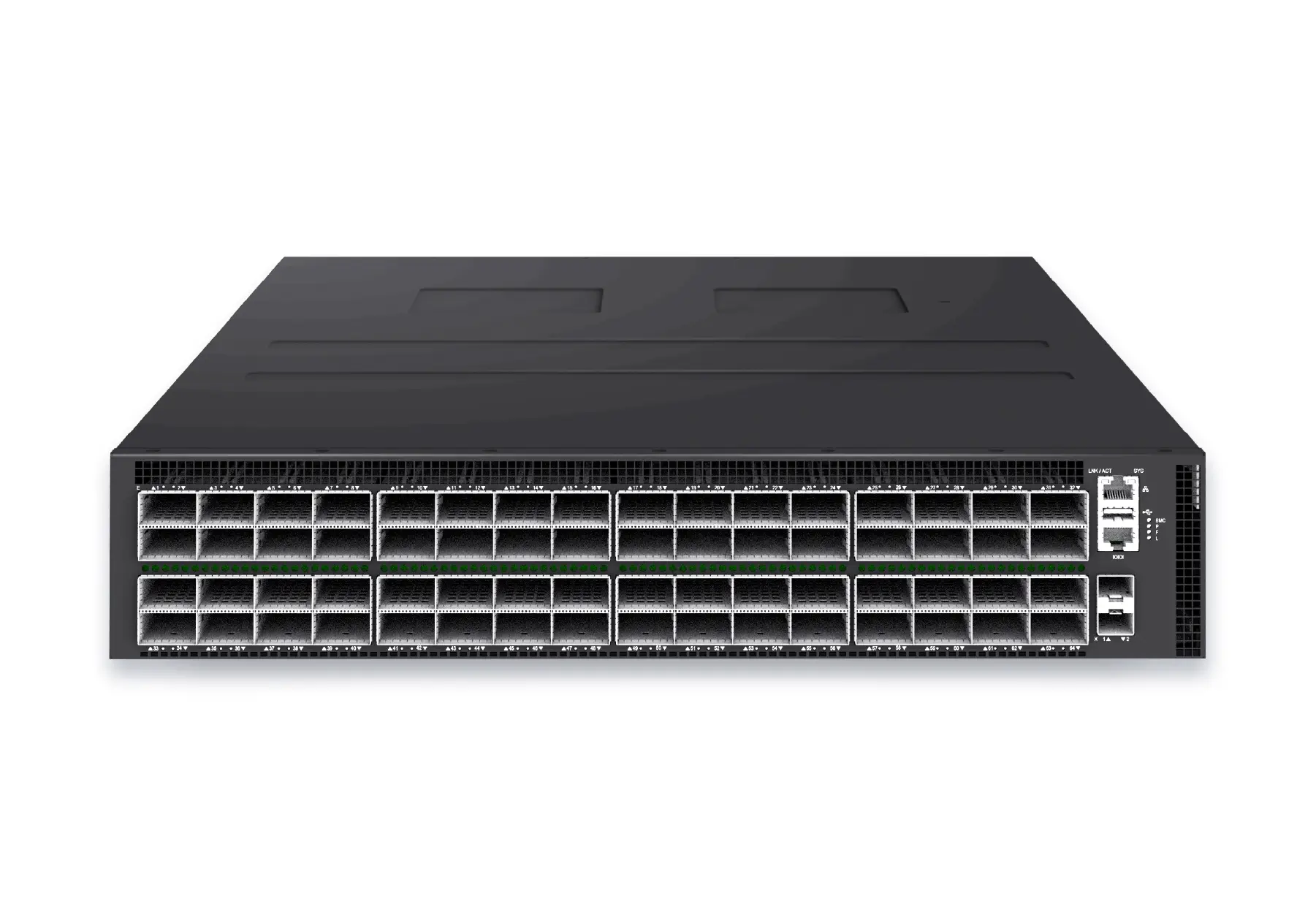 datacenter aiXS-DC-64X800-AI-G164-port 800G AI fabric switch for large-scale GPU clusters, HPC backbones, and ultra-high-throughput data center networks.View product
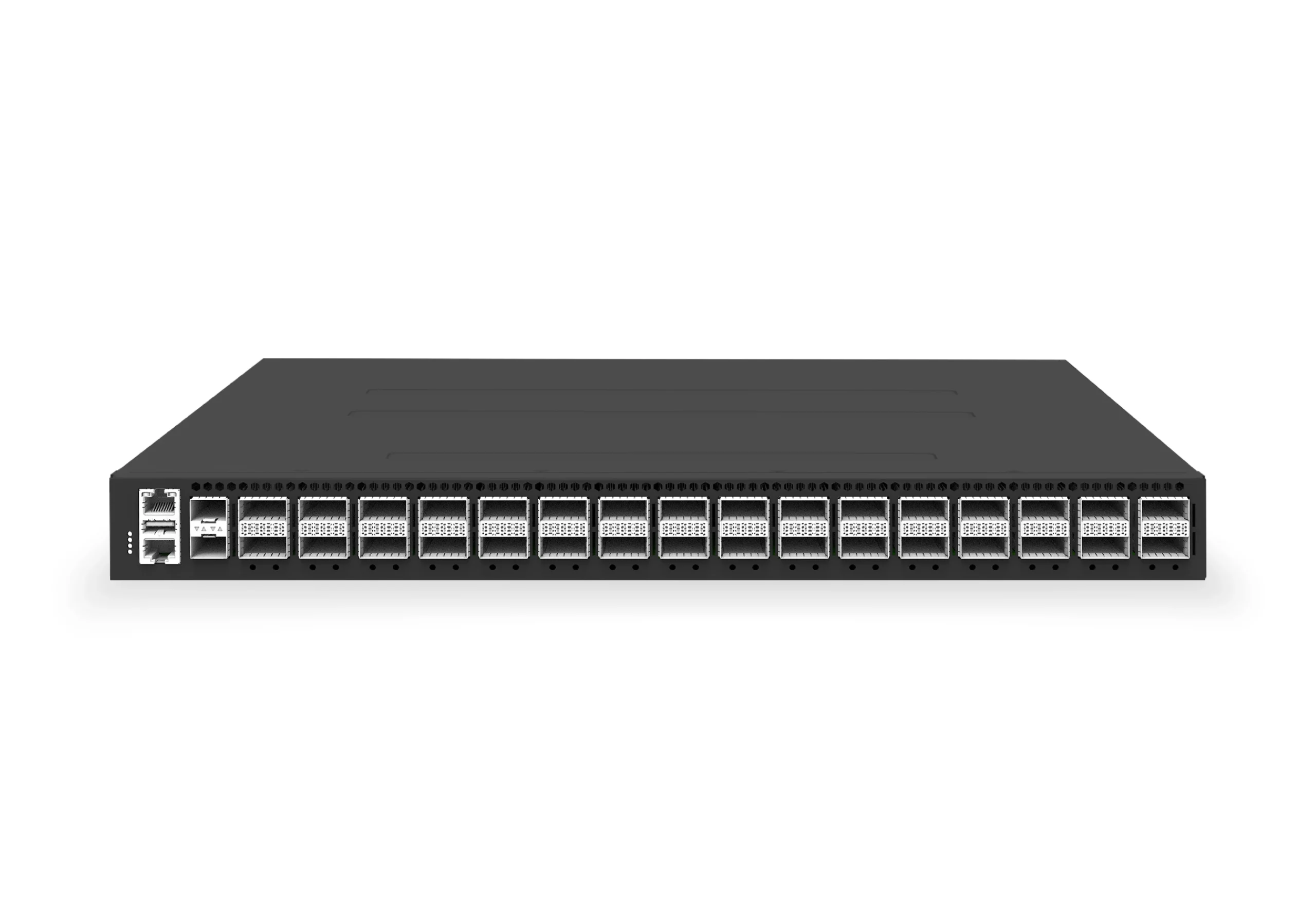 datacenter aiXS-DC-32X400-SP-G232-port 400G spine/core switch for high-capacity data center fabrics and AI-ready backbones.View product
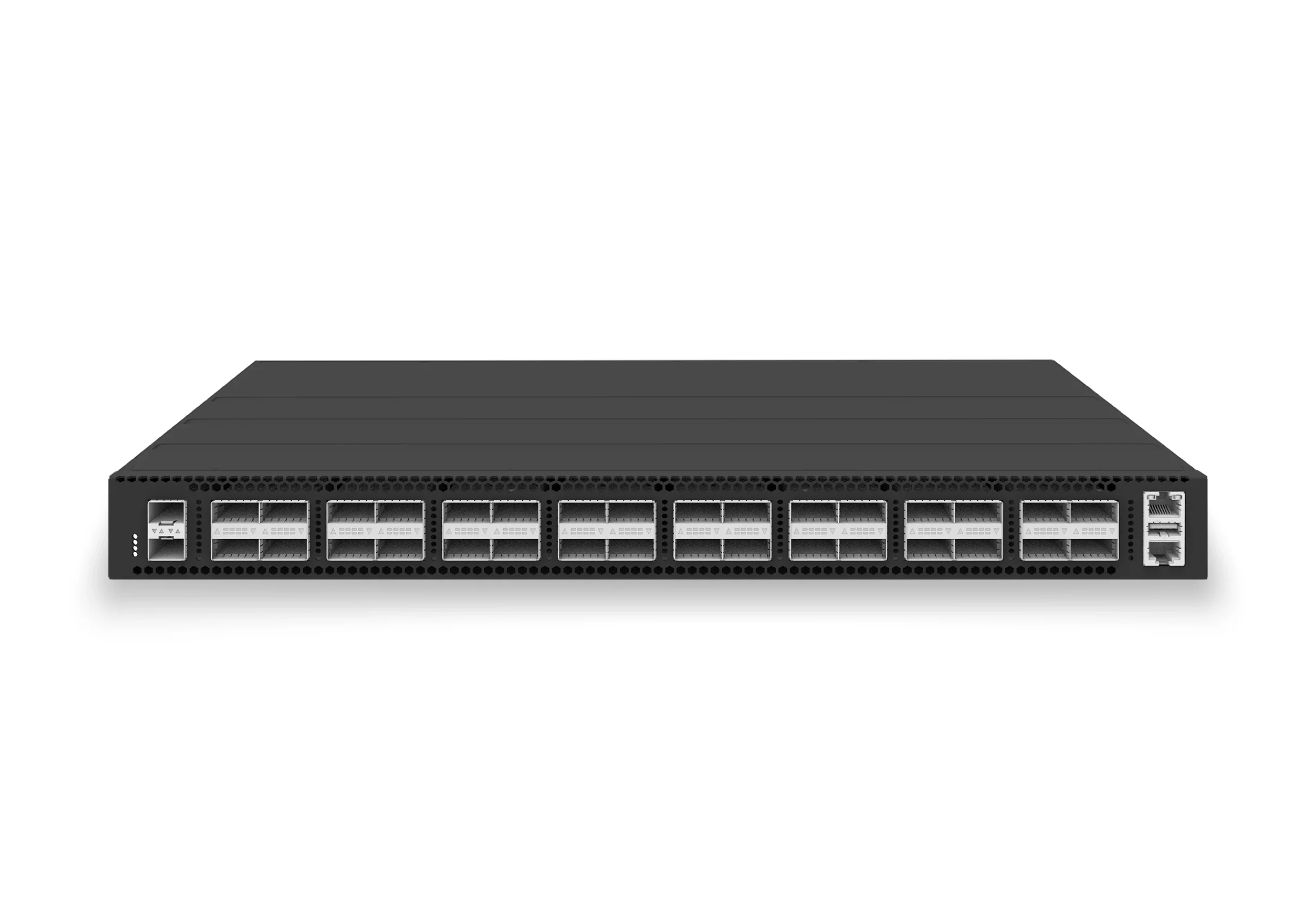 datacenter aiXS-DC-32X100-LS-G232-port 100G leaf/spine switch for VXLAN fabrics, RoCE-ready workloads, and tenant-scale routing.View product
Topic path
OpenConfig, gNMI, and NETCONF automation
This page focuses on:a practical configuration-automation and validation workflow using NETCONF and YANG.
OpenConfig supplies vendor-neutral YANG data models, gNMI supplies Capabilities/Get/Set/Subscribe RPCs over gRPC, and NETCONF supplies XML-encoded configuration and state operations. Actual model and RPC coverage must be verified for the selected SONiC image and platform.
Continue reading
Related articles
 Technical ArticleUniversity Campus Access and Aggregation with Enterprise SONiC: An Australian Evaluation GuideA practical Australian university campus guide to evaluating Enterprise SONiC for PoE access, resilient aggregation, migration, and operations.Read article
 Technical ArticleWhy Australian Enterprise Campus Networks Are Looking Beyond Proprietary SwitchingWhy Australian campus teams are evaluating Enterprise SONiC for aggregation, automation, telemetry and reduced switching lock-in.Read article
 Technical ArticleSONiC Moves Beyond the Data Center: What the Enterprise Campus Push Means for Australian Network BuyersWhat Australian buyers should validate as SONiC moves from data center fabrics into campus access and aggregation.Read article