In brief
Traffic visibility guidance for Australian access and aggregation networks, covering SPAN, TAPs, packet brokers, filtering, and tool delivery.
Key takeaways
- Australian enterprise and campus network operators are running into a familiar wall: their existing switches and routers were not designed to be full-time traffic inspection and delivery engines.
- This is not a new problem. The CompTIA Network+ V9 exam objectives list network monitoring as a core operational skill, explicitly naming SNMP, flow data, packet capture, baseline metrics, log aggregation, API integration, and port mirroring as techniques every network operations team should know.
- For Australian buyers -- particularly those in sectors with regulatory obligations around data sovereignty, traffic audit trails, and incident response -- the question is no longer whether they need visibility infrastructure.
What Happened: Australian Network Teams Are Asking Harder Questions About Visibility
Australian enterprise and campus network operators are running into a familiar wall: their existing switches and routers were not designed to be full-time traffic inspection and delivery engines. As networks scale to support cloud workloads, hybrid WAN paths, campus IoT, and security tool chains, the gap between what a standard switch fabric can forward and what monitoring, security, and compliance teams need to see is widening.
This is not a new problem. The CompTIA Network+ V9 exam objectives list network monitoring as a core operational skill, explicitly naming SNMP, flow data, packet capture, baseline metrics, log aggregation, API integration, and port mirroring as techniques every network operations team should know. But forwarding production traffic and copying, filtering, or load-balancing that traffic across multiple monitoring tools are fundamentally different jobs.
For Australian buyers — particularly those in sectors with regulatory obligations around data sovereignty, traffic audit trails, and incident response — the question is no longer whether they need visibility infrastructure. The question is whether they can build it without locking themselves into a single proprietary appliance vendor.
Why It Matters: The Monitoring Appliance Problem Is a Budget and Architecture Problem
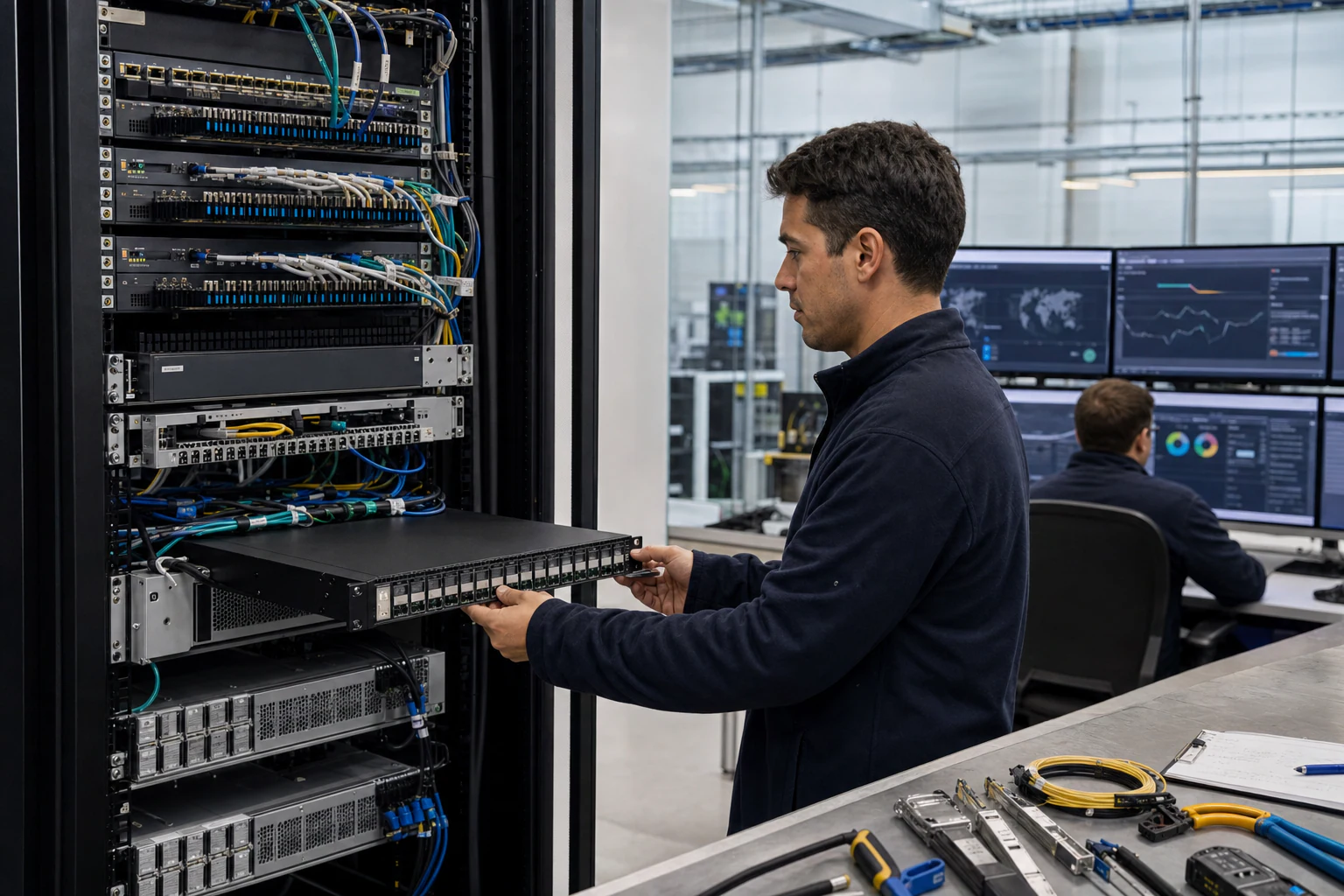
Traditional traffic visibility architectures rely on a dedicated network packet broker (NPB) appliance that sits between the network tap or SPAN port and the downstream security and monitoring tools. The NPB aggregates traffic from multiple sources, filters it to remove irrelevant flows, replicates it to multiple tools, and load-balances it so no single tool is overwhelmed.
The CompTIA Network+ V9 objectives describe port mirroring as one of the key network monitoring techniques. Port mirroring — also known as SPAN — copies traffic from one or more switch ports to a designated mirror port for analysis. This works at small scale, but it has real limitations: SPAN ports can oversubscribe, the switch CPU bears the mirroring load, and the copied traffic often arrives at the monitoring tool unfiltered, forcing the tool to process everything rather than the subset it actually needs.
Ethernet switches learn reachability and forward frames for delivery. That forwarding logic is optimized for production traffic, not for replication and filtering across heterogeneous monitoring tool chains. When an Australian campus or data center operator tries to scale SPAN-based monitoring across dozens of switch stacks, the architectural limits become clear.
A dedicated packet broker solves this by offloading the aggregation, filtering, replication, and load-balancing functions from the switches themselves. But the proprietary appliance model introduces its own problems: vendor lock-in, per-port licensing, forklift upgrade cycles, and limited integration with open NOS environments like Enterprise SONiC.
For Australian buyers evaluating open networking infrastructure, the packet broker question is inseparable from the broader switching and campus refresh decision. If the access and aggregation layer is moving toward SONiC-based or disaggregated switching, the visibility layer should not force a return to proprietary appliance dependence.
The xSONiC Buyer Angle: Packet Broker as a Product Category, Not a Proprietary Box
xSONiC positions network packet brokers as a dedicated product category (/products/packet-broker/) alongside data center AI switches, access and aggregation switches, optical transceivers, and bare-metal hardware. This matters for Australian buyers because it frames traffic visibility as a network infrastructure decision, not a security tool purchase.
The key capabilities that define a packet broker product category are:
| Function | What It Does | Why It Matters for Australian Buyers |
|---|---|---|
| Traffic Aggregation | Combines traffic from multiple network tap or SPAN sources into a single feed | Reduces the number of monitoring tool ports needed, lowering cost |
| Traffic Filtering | Selects which traffic flows are delivered to which tools | Ensures security and compliance tools see relevant traffic without being overwhelmed |
| Traffic Replication | Copies traffic to multiple downstream tools simultaneously | Allows IDS, DLP, forensics, and flow analysis tools to receive the same traffic independently |
| Load Balancing | Distributes traffic across multiple tool instances | Prevents tool oversubscription during peak traffic periods |
| Packet Slicing | Truncates packets to header-only or custom depth | Reduces storage and processing load for tools that only need metadata |
| Deduplication | Removes duplicate copies of the same packet | Eliminates false positives and wasted tool capacity |
| Tunnel Processing | Strips or inspects encapsulation headers (GRE, VXLAN, MPLS) | Critical for overlay networks common in Australian campus and DC fabrics |
These functions are well-defined in the networking industry. The CompTIA Network+ V9 exam objectives list monitoring tools including protocol analyzers, cable testers, and Wi-Fi analyzers, and describe network monitoring as encompassing SNMP, flow data, packet capture, and baseline metrics. A packet broker sits upstream of these tools, preparing and distributing the traffic they consume.
For Australian campus networks evaluating a campus refresh, the packet broker question should be part of the access-aggregate layer design, not an afterthought added when the security team complains about blind spots.
What the Industry Sources Tell Us
The sources grounding this analysis point in the same direction: traffic visibility is now part of operational resilience, not a niche troubleshooting function.
-
CompTIA’s Network+ certification materials define network monitoring as a mainstream operational competency, covering SNMP, flow data, packet capture, port mirroring, baseline metrics, log aggregation, and API integration.
-
APRA CPS 234 requires APRA-regulated entities to maintain information security capability that is commensurate with their vulnerabilities and threats. In practical network terms, that pushes teams to prove they can observe, investigate, and test controls across material information assets.
-
The OAIC Notifiable Data Breaches scheme requires covered organisations to notify affected individuals and the OAIC when an eligible data breach is likely to result in serious harm. Reliable evidence collection helps teams assess incidents quickly and defensibly.
-
NETSCOUT’s packet flow switch materials describe packet broker functions including aggregation, filtering, replication, and load balancing at speeds from 1 Gbps to 400 Gbps. That validates the architectural role: a packet broker is not a generic switch, but a traffic delivery layer for monitoring and security tools.
Together, those sources support a clear engineering conclusion: SPAN-only monitoring is acceptable for small or temporary use cases, but Australian enterprise environments with regulated data, hybrid workloads, or high-speed aggregation links should evaluate a dedicated visibility layer.
Buyer Checklist for Australian Campus and DC Visibility Planning
Use this checklist before selecting a packet broker, TAP strategy, or switch mirroring design:
- Current State Audit: How many SPAN/mirror ports are in use? What is the oversubscription ratio? Which tools receive unfiltered traffic?
- Traffic Source Inventory: What network tap or SPAN sources exist at access, aggregation, and core layers? Are overlay headers (VXLAN, GRE, MPLS) present?
- Tool Chain Mapping: Which security, compliance, and monitoring tools need traffic? Do they need full packets, headers only, or flow records?
- Filtering and Delivery Requirements: Can tools receive only the traffic they need? Is there a dedicated filtering and replication layer?
- Scale and Growth: Will the current SPAN-based approach survive a 2x or 5x traffic increase? What happens when 400G links arrive?
- Open Networking Alignment: If the campus or DC is moving to SONiC-based switching, does the visibility layer integrate or conflict?
- Australian Compliance: Are there data sovereignty or audit trail requirements that affect where traffic is copied and how long it is retained?
Access Visibility Acceptance Matrix
| Visibility area | Acceptance evidence | Rework trigger |
|---|---|---|
| Source selection | SPAN, TAP, and packet broker sources mapped for access closets, aggregation links, and critical VLANs | East-west, IoT, guest, or voice traffic is outside the capture plan |
| Capacity | 1G/2.5G/10G access and 25G/100G aggregation loads modelled with 95th-percentile and burst data | Tool delivery plan is based on average traffic only |
| Filtering | VLAN, IP, port, and application filters validated with packet captures | Security tools receive noise but miss the traffic needed for investigation |
| Operations | Drop counters, rule hits, rollback, and alert ownership visible in monitoring | A visibility failure can persist without alerting or an owner |
Engineering FAQ
What should be measured before sizing a packet broker? Measure source link speed, 95th-percentile utilisation, burst peaks, replication factor, filter complexity, tunnel handling needs, and tool-port capacity. Packet broker sizing fails when it is based on average traffic rather than copied and filtered traffic.
What proves that a visibility design is production ready? The design should prove aggregation, filtering, replication, load balancing, packet slicing or deduplication if required, and tool failover under realistic traffic. Security teams should also verify that drops are reported rather than hidden.
Where do Australian buyers most often under-scope visibility projects? The common gaps are east-west data centre traffic, encrypted or tunneled flows, AI cluster bursts, retention requirements, and tool oversubscription. A procurement brief should model those before asking vendors for a bill of materials.
Related xSONiC Resources
Sources Reviewed
- Ethernet Network Adapters - ConnectX NICs | NVIDIA
- NVIDIA BlueField Data Processing Unit
- NVIDIA Spectrum-X Ethernet Platform
- ACSC Essential Eight
- OAIC Notifiable Data Breaches
- APRA CPS 234 Information Security
- NETSCOUT Network Packet Definition
- Cloudflare Network Packet Definition
- SONiC Project Documentation
- Broadcom Ethernet Switching
- Marvell Switching
- NVIDIA Ethernet Switching
- Open Compute Networking
- SONiC GitHub
- SONiC Foundation
Product fit
Products referenced for evaluation
These products are referenced for evaluation context in the article. Confirm workload, port, optics, software, interoperability, and support requirements against the exact deployment before procurement.
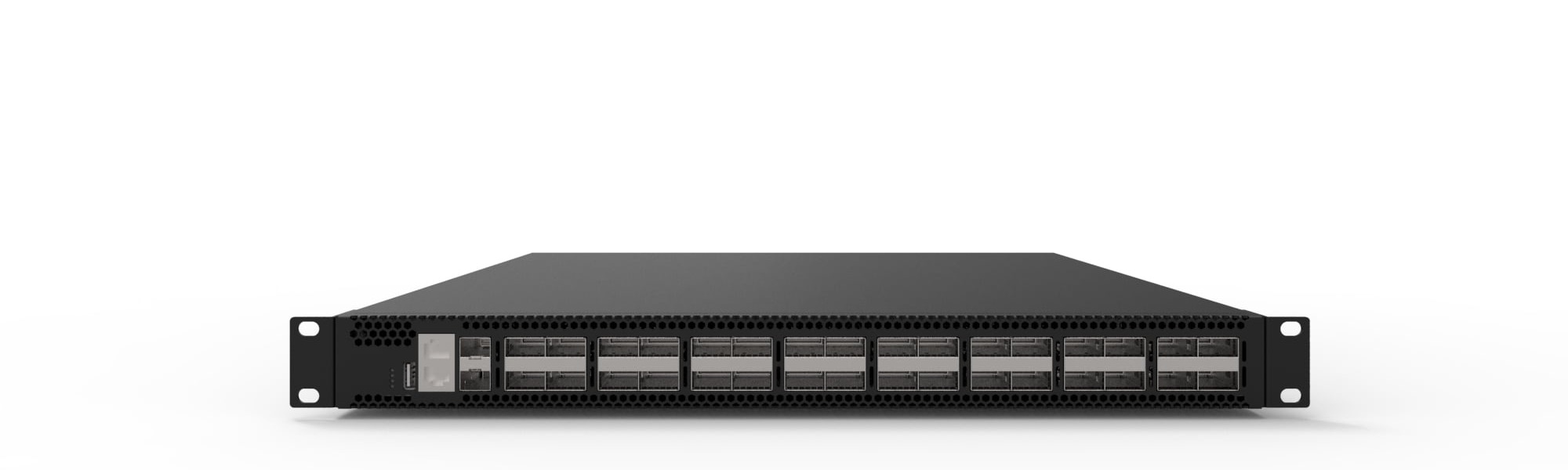 packet brokerXS-PB-32X100-G132x100G network packet broker for high-density traffic aggregation, filtering, correlation, and monitoring tool delivery.View product
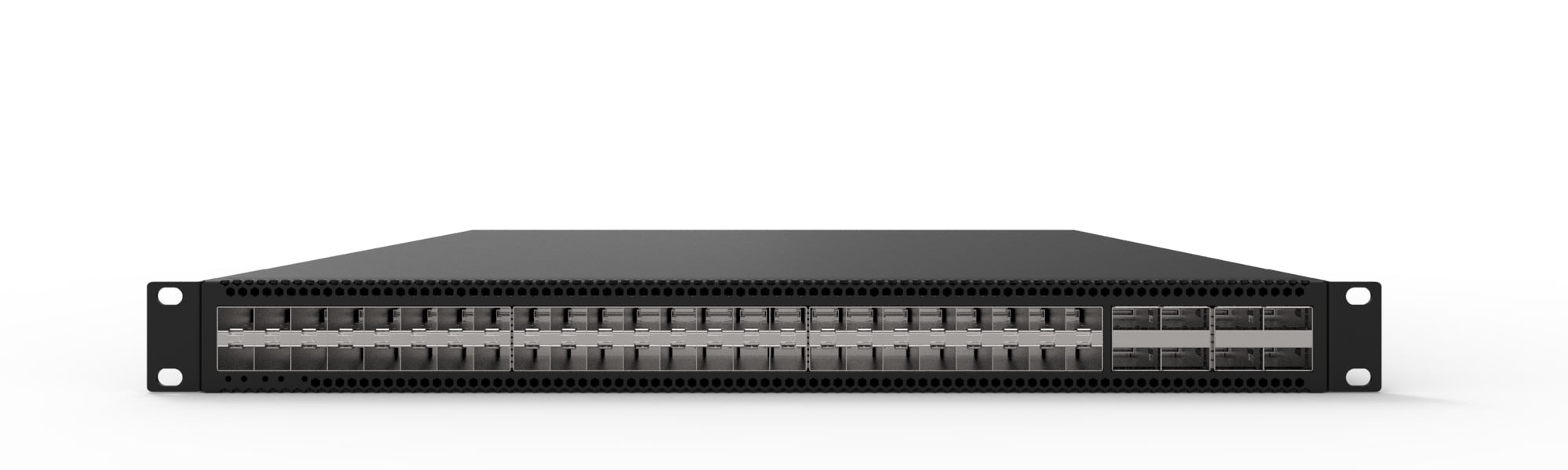 packet brokerXS-PB-48X25-8X100-G148x25G network packet broker with 8x100G uplinks for traffic aggregation, filtering, replication, and tool delivery.View product
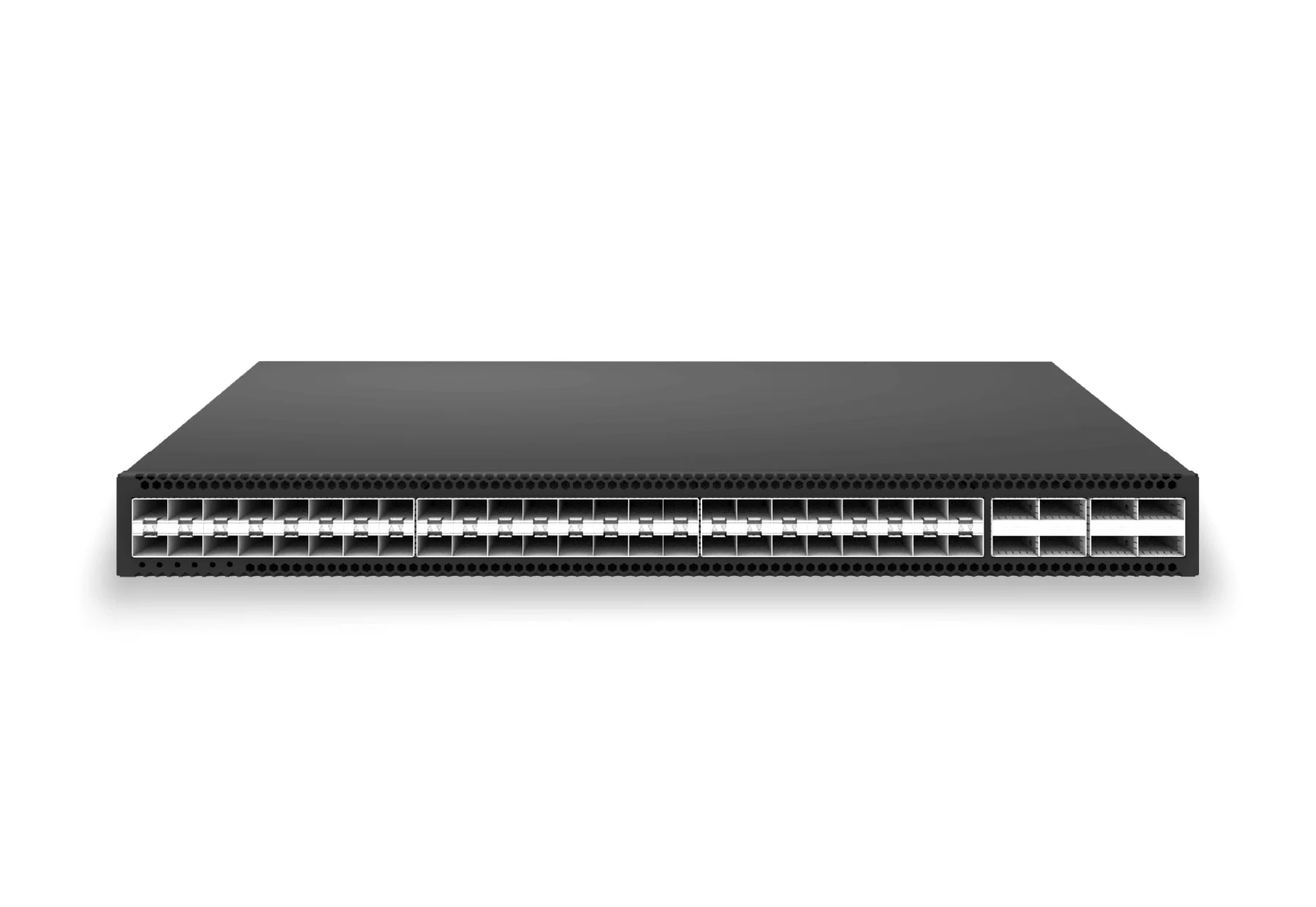 access aggregateXS-AA-48X25-8X100-AGG48x 25G SFP28 aggregation/core switch with 8x 100G QSFP28 for enterprise access and aggregation networks.View product
Continue reading
Related articles
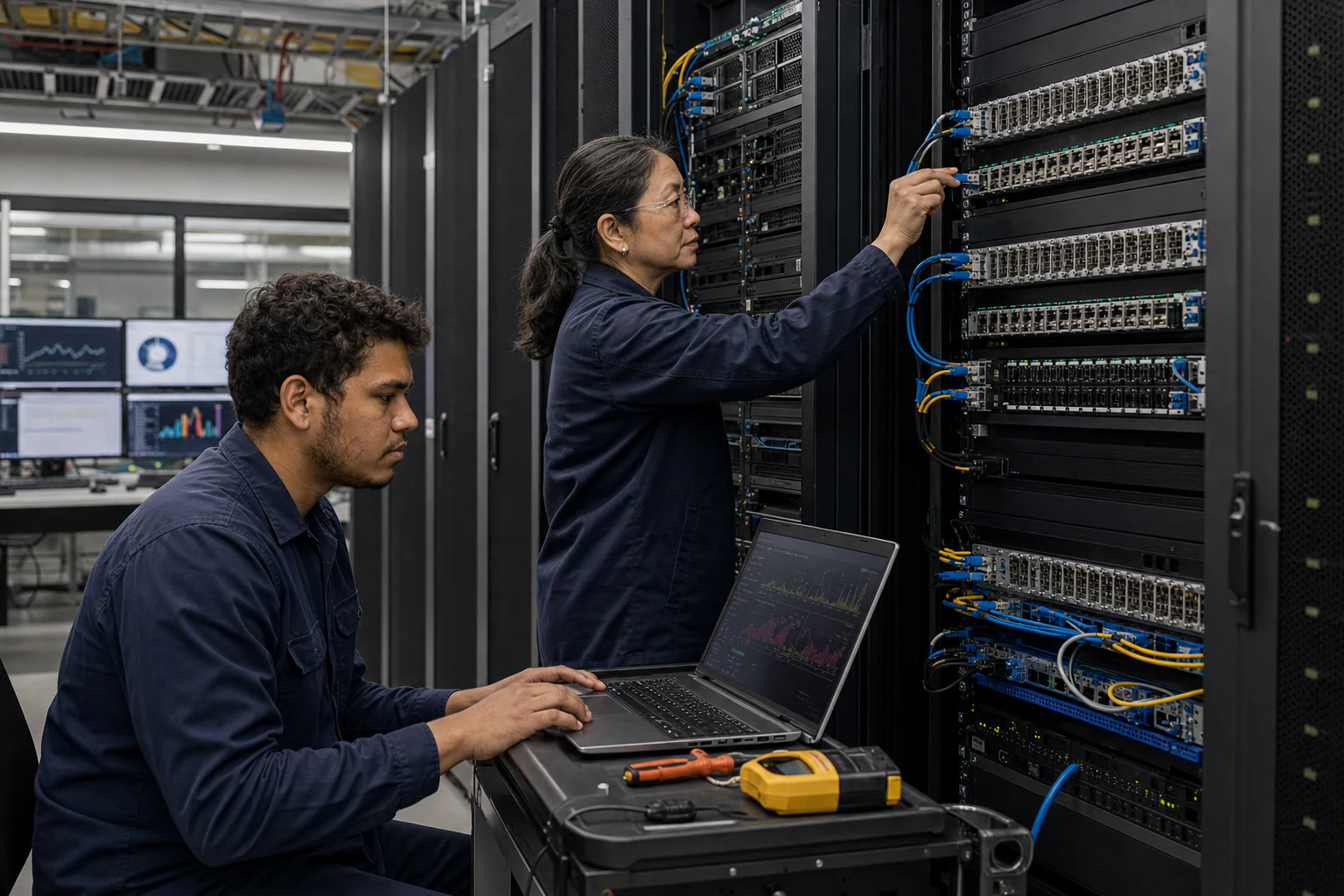 Technical ArticlePacket Broker Filtering, Replication, and Load Balancing for Visibility ArchitectureTechnical guide to packet broker filtering, replication, and load balancing for Australian visibility, security, and AI fabric monitoring.Read article
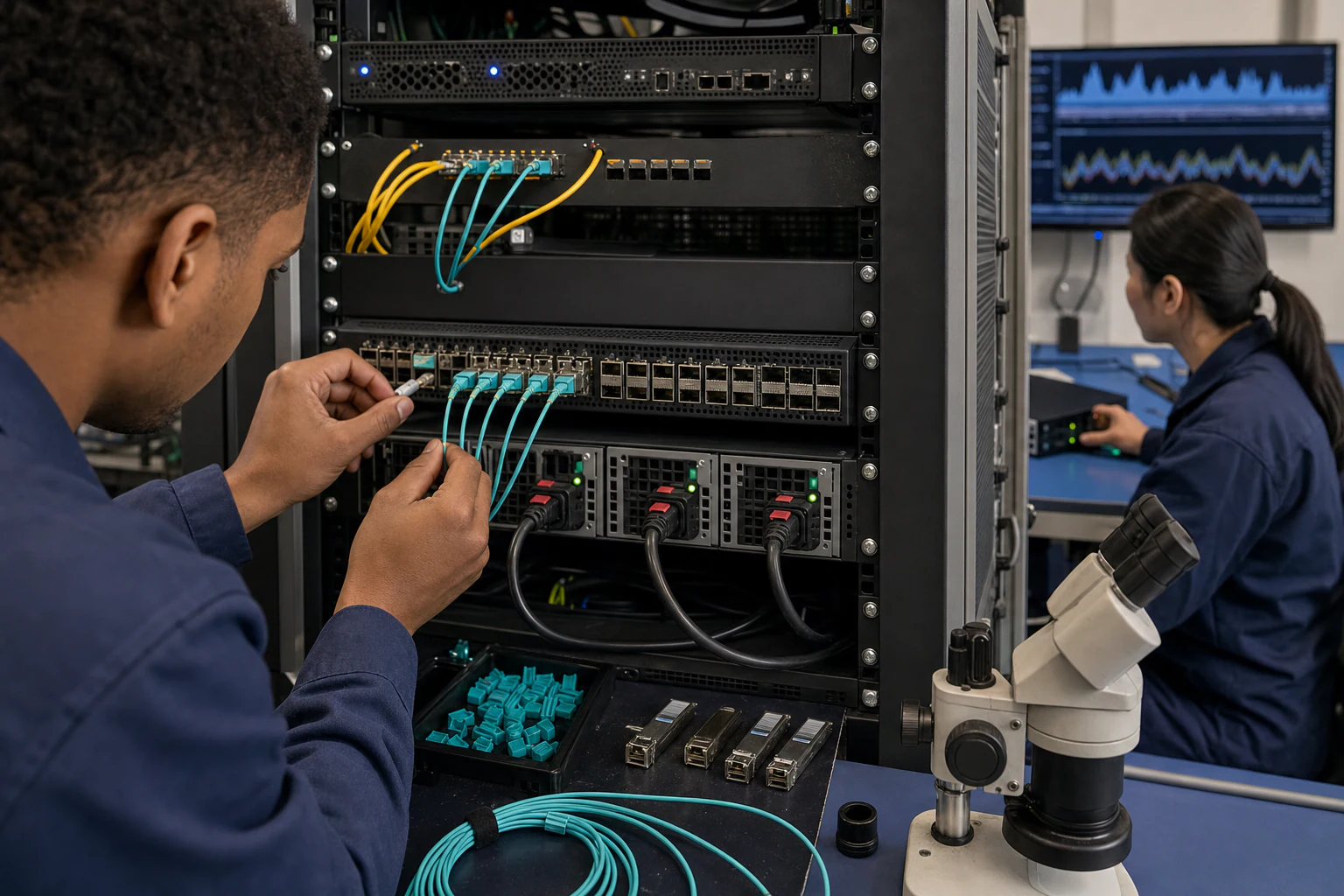 Technical ArticleWhy Australian MSPs Are Rethinking Network Visibility Before the Next BreachPacket broker architecture guidance for Australian MSPs building network visibility, security monitoring, compliance evidence, and tool delivery.Read article
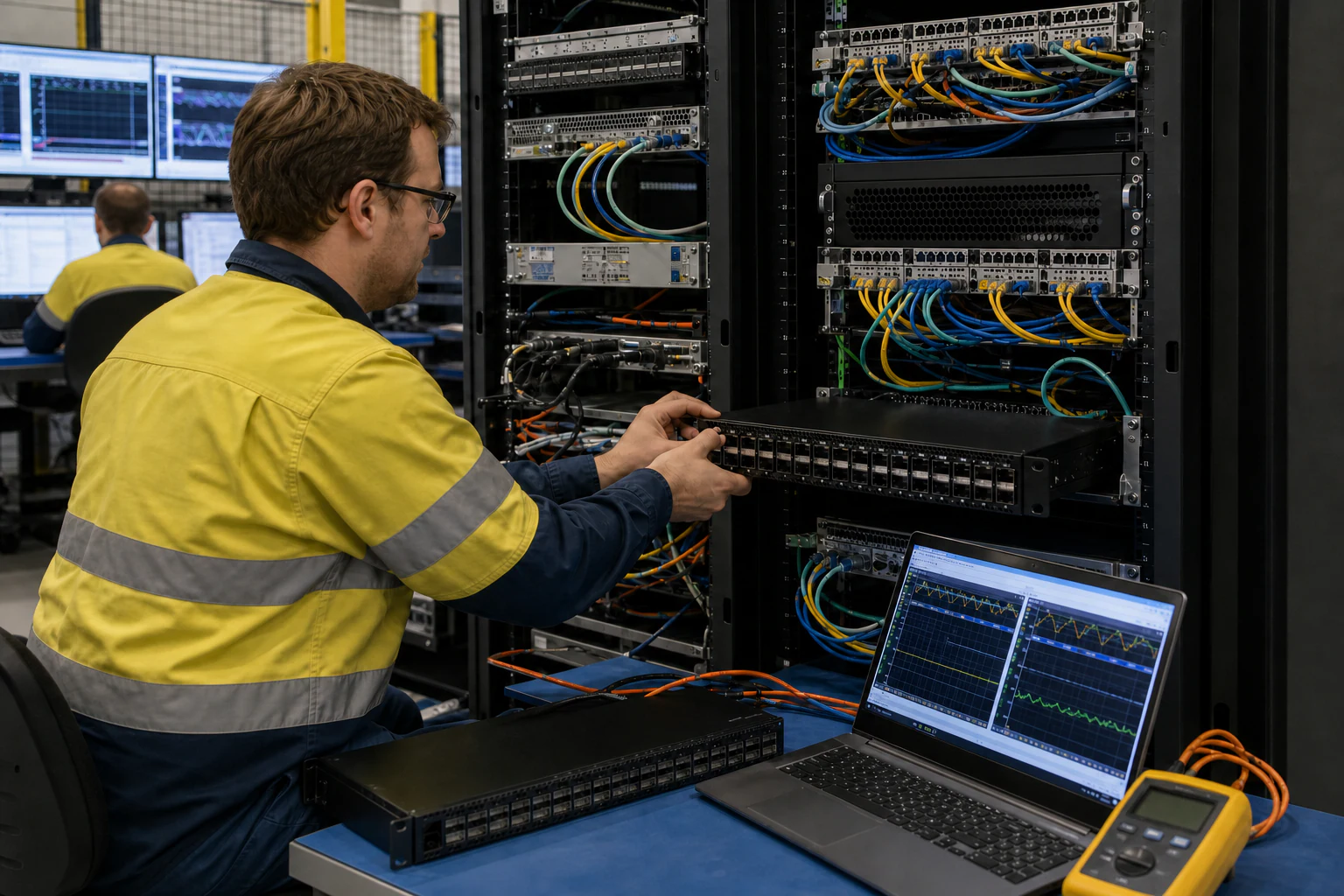 Technical ArticlePacket Broker Procurement Checklist for Global Visibility ProjectsA procurement checklist for packet broker projects covering throughput, tool ports, filtering, timestamps, bypass behavior, telemetry, acceptance evidence, and export screening.Read article