In brief
A procurement checklist for packet broker projects covering throughput, tool ports, filtering, timestamps, bypass behavior, telemetry, acceptance evidence, and export screening.
Key takeaways
- A packet broker procurement checklist should prove the visibility path before the order is released.
- The buyer is not purchasing a switch with a different label. The buyer is purchasing evidence that packets reach the right tools, at the right rate, with the right filtering, during both normal and failure conditions.
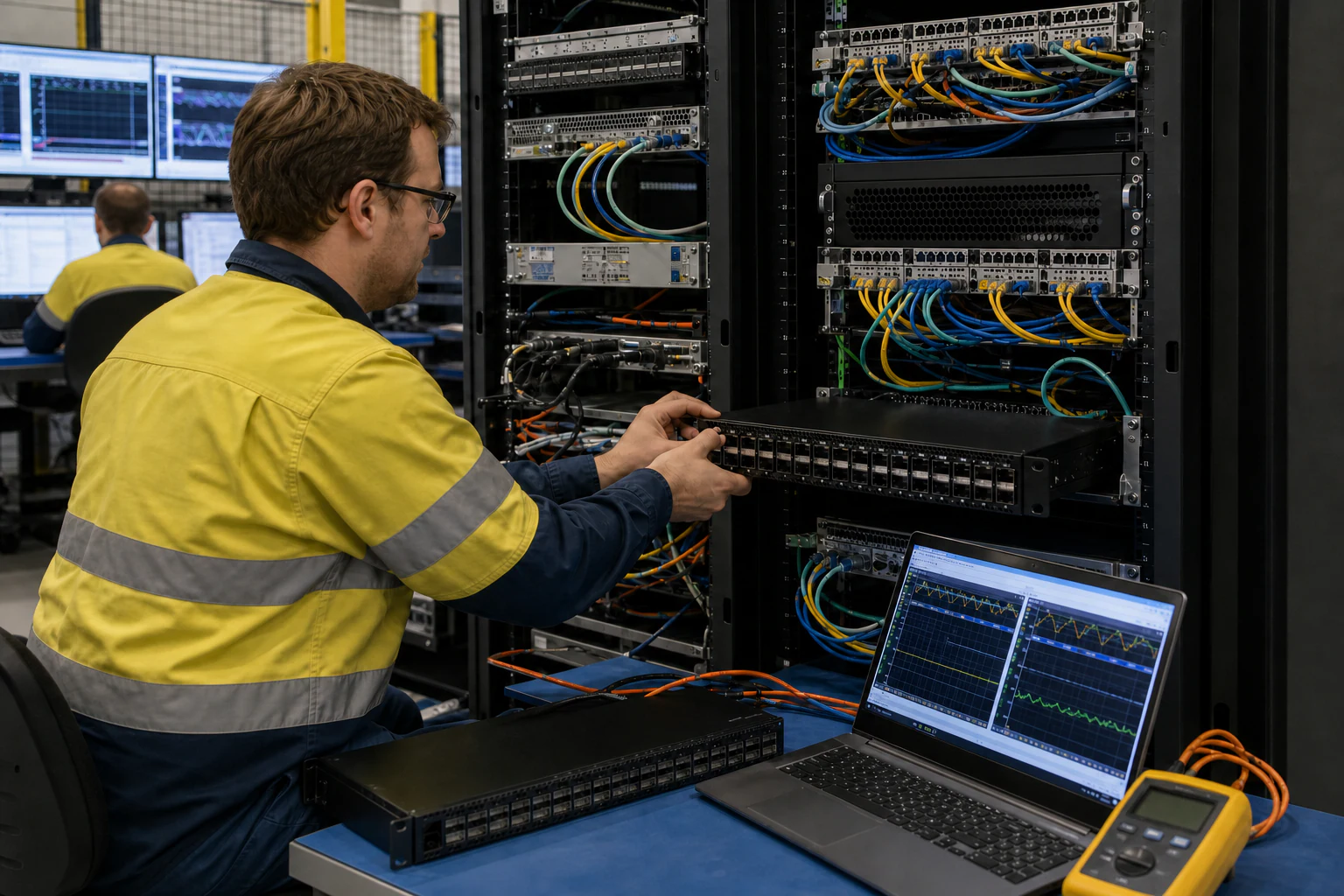
- Packet brokers sit between production traffic and monitoring or security tools.
A packet broker procurement checklist should prove the visibility path before the order is released. The first review should confirm input ports, tool ports, aggregate throughput, filtering rules, deduplication or slicing needs, timestamp behavior, bypass or fail-open expectations, telemetry, and acceptance evidence. For example, a visibility project may require 32 x 100G network ports, 8 x 100G tool ports, line-rate filtering on selected traffic classes, 1 forced-fail bypass check, and a report showing packet counters before and after rule changes.
The buyer is not purchasing a switch with a different label. The buyer is purchasing evidence that packets reach the right tools, at the right rate, with the right filtering, during both normal and failure conditions.
What packet brokers must prove
Packet brokers sit between production traffic and monitoring or security tools. That makes them operationally sensitive. A wrong rule can starve a tool of packets. A missing bypass behavior can create outage risk. A weak telemetry path can leave the security team blind during the one moment it needs packet evidence.
The procurement checklist should describe the visibility objective. Is the buyer feeding NDR, SIEM, IDS, packet capture, lawful intercept, application monitoring, or performance tooling? Is the broker aggregating links, filtering traffic, load-balancing to tools, timestamping, slicing payloads, deduplicating duplicate packets, or providing tap aggregation? Each answer changes the required platform and validation method.
For xSONiC export projects, the Australian-made scope should be described as architecture review, bill-of-material validation, acceptance planning, documentation, and commercial accountability from Australia using qualified global components. It should not imply universal export availability or unsupported component-origin claims.
Engineering Review Matrix
| Procurement field | What to define | Evidence to request | Visibility risk if skipped |
|---|---|---|---|
| Network ports | Speed, media, breakout, source links, and aggregate ingress | Port matrix and link-up record | Production links exceed broker capacity |
| Tool ports | Tool speeds, oversubscription, load balancing, and failover | Tool-port map and sample traffic test | Security tools miss traffic or receive overload |
| Filtering and rules | Match fields, include/exclude logic, rule priority, and change control | Rule table and before/after counters | Wrong packets are dropped or forwarded |
| Packet handling | Timestamping, slicing, deduplication, truncation, and encapsulation | Packet capture sample and rule notes | Tools cannot correlate or inspect traffic |
| Failure behavior | Bypass, fail-open, fail-closed, power loss, and tool outage handling | Forced-fail test and exception log | Broker creates an outage or hides a tool failure |
| Telemetry | Interface counters, drops, rule hits, health, and alert path | Telemetry sample and monitoring note | Operations cannot prove visibility state |
| Export screening | Destination, end user, end use, and technical scope | Export review note before release | Compliance review starts after order commitment |
This matrix is intentionally operational. A packet broker must be judged by what it does to packets and how it behaves when things break.
Questions before quotation
Ask for the traffic sources. Name the links, speeds, media, traffic classes, expected burst behavior, and whether encrypted traffic still needs metadata visibility. Ask for the tool estate. Name every tool, interface speed, capacity limit, packet requirement, and whether the tool expects full packets, headers only, sampled traffic, or filtered feeds.
Ask how rules are changed. A packet broker that can filter traffic is also a change-control surface. The RFP should define who can edit rules, how changes are recorded, how rollback works, and how rule hits are monitored. If the packet broker is part of a security workflow, rule change evidence belongs in the acceptance file.
Ask what happens during failure. Power loss, link down, tool outage, config error, and overload behavior should be tested. Do not accept a design that only demonstrates happy-path forwarding. Visibility infrastructure earns trust when it fails predictably.
Acceptance evidence
A useful acceptance plan includes port map, optics matrix, traffic source map, rule table, baseline counters, representative packet sample, forced-fail test, telemetry sample, rollback note, and exception log. If a rule is supposed to drop or forward a traffic class, the report should show counters before and after the rule is applied.
For global deployments, the evidence pack should also include destination, end user, end use, support owner, documentation language, and delivery terms. The export review should happen before order release, not when the hardware is ready to ship.
Quote-stage validation note
Packet broker quotes should include a traffic story. List the production links, tool links, expected packet classes, and what each tool must receive. If the broker is feeding NDR, IDS, SIEM, packet capture, or performance monitoring, name the tool capacity and whether it needs full payload, headers, sampled packets, or filtered flows. Without that, a supplier can quote enough ports but still miss the visibility objective.
The validation should include a counter-based proof. Apply one rule that forwards a traffic class, one rule that drops or excludes a traffic class, and one failure condition such as tool-port down, network-port down, or rule rollback. Record packet counters before and after the rule change. If timestamps, slicing, or deduplication are in scope, capture a packet sample that proves the behavior. The buyer should be able to show the record to security operations without asking the supplier to explain the whole test verbally.
For an Australian-made export deployment, the local work is the visibility architecture review, rule validation, documentation, and delivery accountability. The order should still state that supply depends on destination, end user, end use, and technical scope review.
Procurement record template
Build a visibility register before purchase. Each row should name the source link, source speed, packet class, broker input port, rule action, tool output port, tool capacity, expected packet volume, failure behavior, telemetry counter, and acceptance evidence. Add a status field for rules that are confirmed, pending, excluded, or blocked. If a security tool requires full payload and another only needs headers, that difference should be visible in the register.
The register becomes the packet broker handover document. Operations can use it to check whether a tool should receive a flow, whether a rule was intended to drop traffic, and which counter proves the behavior. Procurement can use it to separate required features from optional features. For export projects, add destination, end user, end use, documentation language, and support owner so the commercial review and the visibility design stay connected.
During receiving inspection, run one quiet test before connecting production traffic. Confirm management access, tool-port link state, one allow rule, one deny rule, one counter reset, and one alert. That small check catches wrong cabling, stale rules, and missing telemetry before the broker sits in the visibility path.
Sources Reviewed
- OpenConfig gNMI specification for telemetry and state retrieval context.
- SONiC project documentation for open networking and management context.
- Open Compute Project networking for open network infrastructure context.
- ABF export requirements for export workflow context.
- DFAT sanctions compliance toolkit for sanctions screening context.
These sources support the operating and export structure. The final packet broker design still depends on traffic volume, tool capacity, policy, and buyer risk tolerance.
Engineering FAQ
What should a packet broker RFP include?
Include network ports, tool ports, traffic classes, throughput, filtering rules, packet handling, timestamp or slicing needs, bypass behavior, telemetry, rollback, support model, destination, and acceptance evidence.
Why is a forced-fail test important?
It proves what happens when a link, tool, power path, or rule fails. Visibility systems are only trustworthy if failure behavior is known and documented.
Is throughput alone enough to compare packet brokers?
No. Throughput matters, but filtering behavior, tool oversubscription, rule control, timestamping, telemetry, failure mode, and support ownership usually decide deployability.
Can packet broker projects be exported globally?
Yes where project and compliance review support supply. Destination, end user, end use, and technical scope should be screened before order release.
Quote-stage handoff
Send traffic sources, tool ports, filtering requirements, failure behavior, telemetry needs, destination, and acceptance criteria. xSONiC can then validate the packet broker package before the bill of materials is locked.
Product fit
Products referenced for evaluation
These products are referenced for evaluation context in the article. Confirm workload, port, optics, software, interoperability, and support requirements against the exact deployment before procurement.
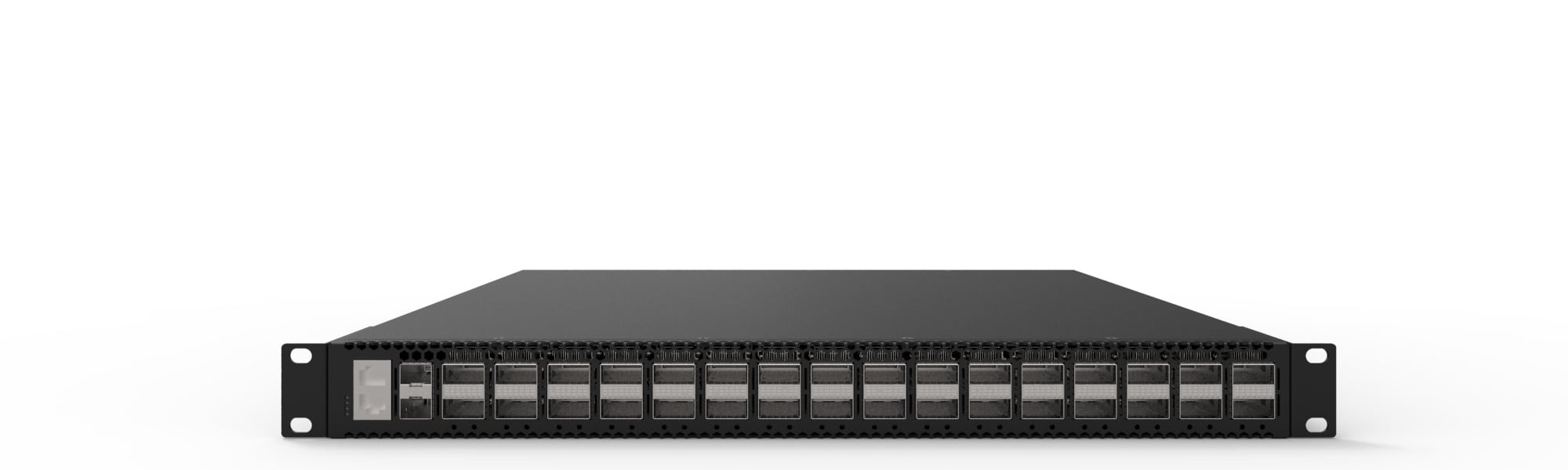 packet brokerXS-PB-32X400-G132x400G network packet broker for backbone-scale traffic visibility, filtering, replication, and high-performance tool delivery.View product
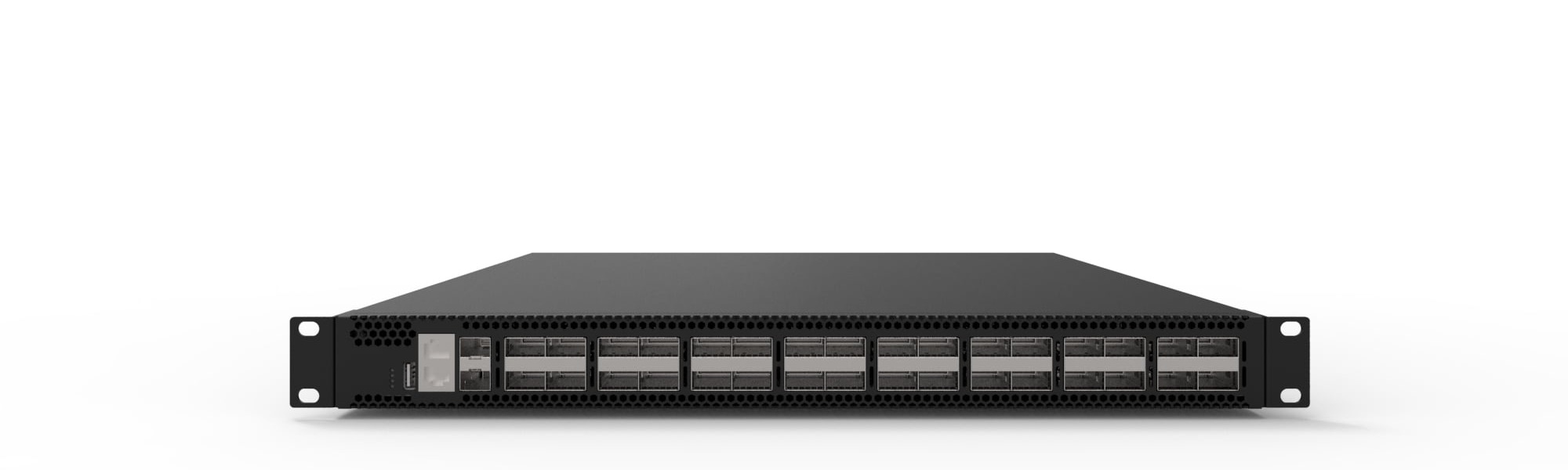 packet brokerXS-PB-32X100-G132x100G network packet broker for high-density traffic aggregation, filtering, correlation, and monitoring tool delivery.View product
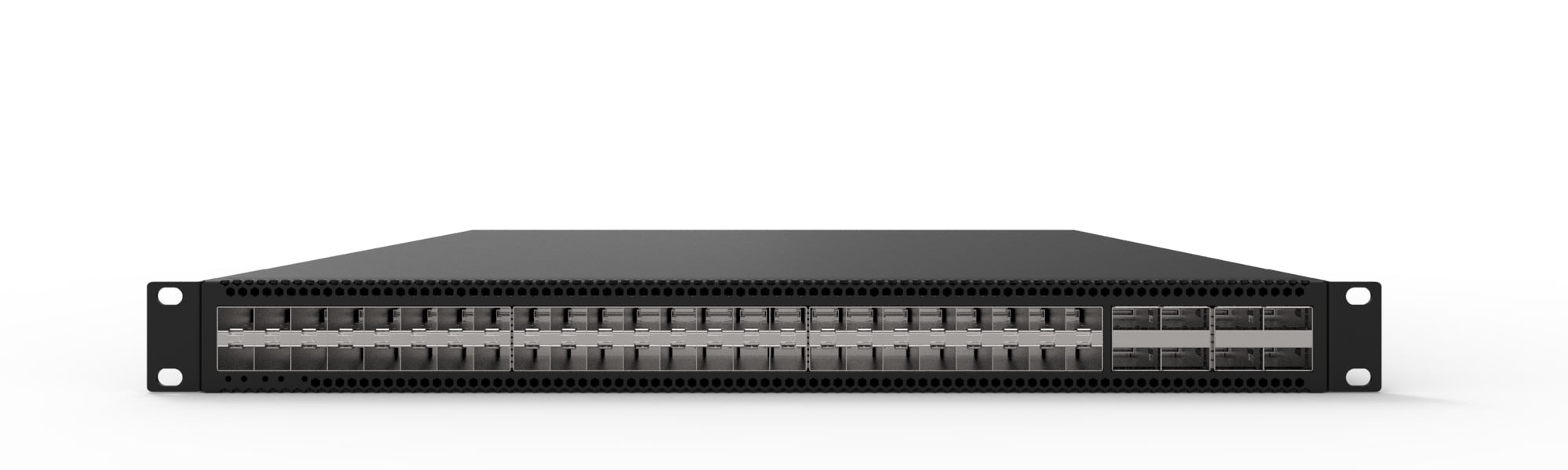 packet brokerXS-PB-48X25-8X100-G148x25G network packet broker with 8x100G uplinks for traffic aggregation, filtering, replication, and tool delivery.View product
Continue reading
Related articles
 Technical ArticlePacket Broker Filtering, Replication, and Load Balancing for Visibility ArchitectureTechnical guide to packet broker filtering, replication, and load balancing for Australian visibility, security, and AI fabric monitoring.Read article
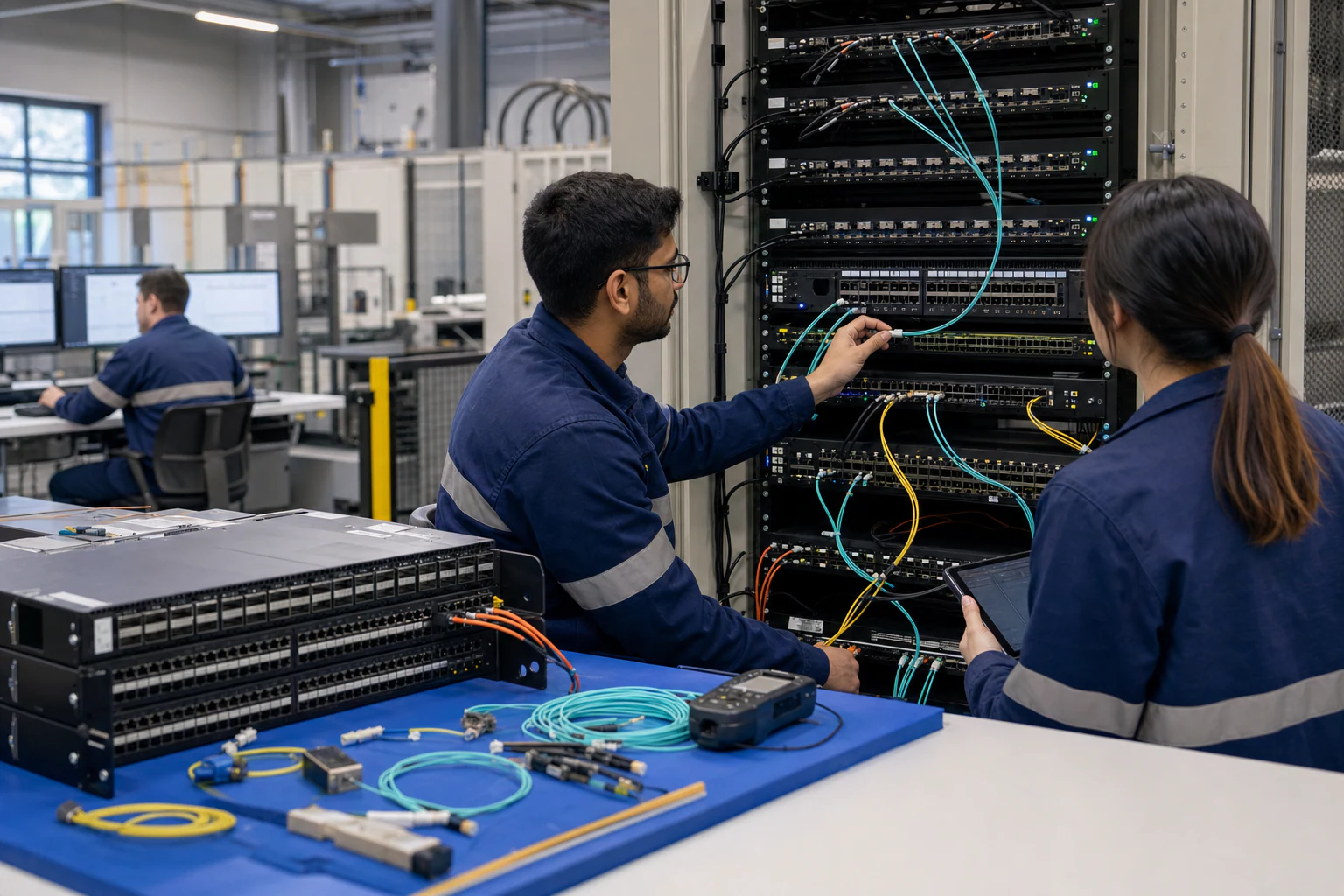 Technical ArticlePacket Broker vs Network TAP Aggregation for Security Visibility: Which Layer Do You Need?A practical architecture comparison of network TAPs and packet brokers for security visibility, tool delivery, traffic aggregation, and Australian data centre operations.Read article
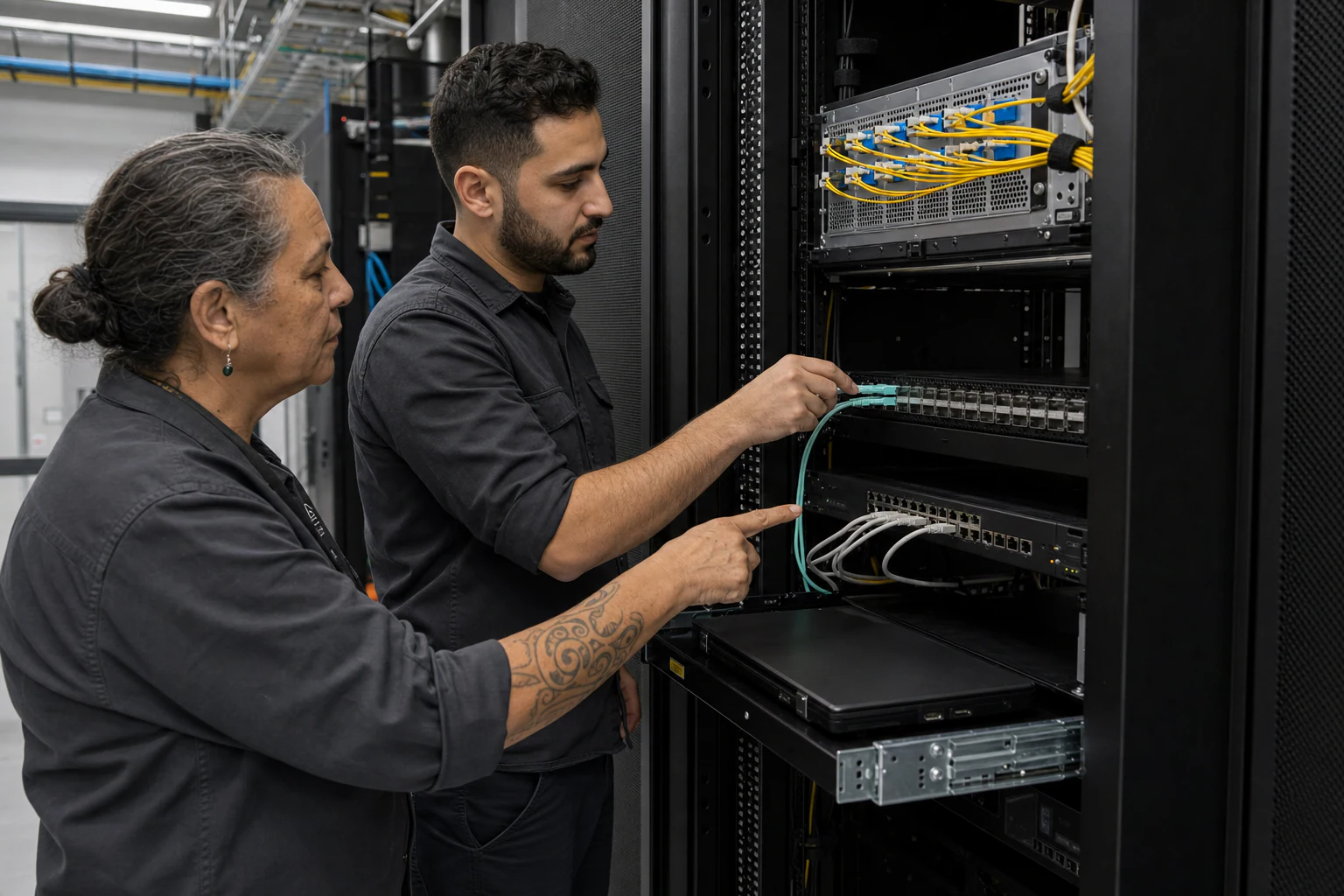 Technical ArticlePacket Broker vs Network Tap vs SPAN: Which Traffic Visibility Method Fits Your Australian NetworkA practical comparison of packet brokers, network TAPs, and SPAN for Australian teams designing traffic visibility, tool feeds, and capacity models.Read article