Overview
Campus cluster and virtual chassis designs reduce repeated configuration work across switches with similar roles. Instead of configuring every access and aggregation switch as an isolated one-off device, the network can synchronize common role settings while preserving per-device identity.
For xSONiC campus deployments, this is most useful when multiple access closets share the same VLAN, policy, uplink, and routing patterns.
Design Model
Shared role configuration
        |
        v
Access leaf group  ----  Aggregation group  ----  Campus core
        |
        v
Device-specific interfaces, loopbacks, and uplinks
The important separation is between shared role configuration and local device configuration. The two should not be mixed casually.
Configuration Domains
| Domain | Shared or Local | Examples |
|---|---|---|
| Role policy | Shared | VLAN list, QoS policy, security templates. |
| Routing baseline | Shared | BGP or OSPF templates, route policy. |
| Interface identity | Local | Interface IPs, loopbacks, physical uplink mapping. |
| Device identity | Local | Hostname, management IP, serial, rack/closet label. |
| Exceptions | Controlled local | Building-specific VLANs or special endpoint policy. |
Benefits and Risks
| Benefit | Risk if Poorly Managed |
|---|---|
| Faster rollout across repeated closets. | Bad shared config can propagate quickly. |
| More consistent policy enforcement. | Local exceptions may be overwritten if not modeled. |
| Easier replacement and recovery. | Device identity mistakes can cause route or management conflicts. |
| Lower manual drift. | Operators may lose visibility into what is shared vs local. |
Deployment Workflow
- Identify common access, aggregation, and core roles.
- Define which configuration belongs to each role.
- Reserve local fields for hostname, loopback, management, and uplink specifics.
- Apply shared configuration to a small pilot group.
- Validate endpoint onboarding, routing, roaming, and failure behavior.
- Expand in waves while checking configuration drift.
Validation Checklist
| Test | Expected Result |
|---|---|
| New access switch onboarding | Shared baseline applies cleanly without duplicate identity. |
| Endpoint VLAN and policy | Users, APs, phones, and cameras land in expected segments. |
| Uplink failure | Routing and aggregation recover without manual correction. |
| Local exception | Building-specific policy remains intact after shared updates. |
| Rollback | Shared change can be reverted without touching local identity. |
xSONiC Platform Fit
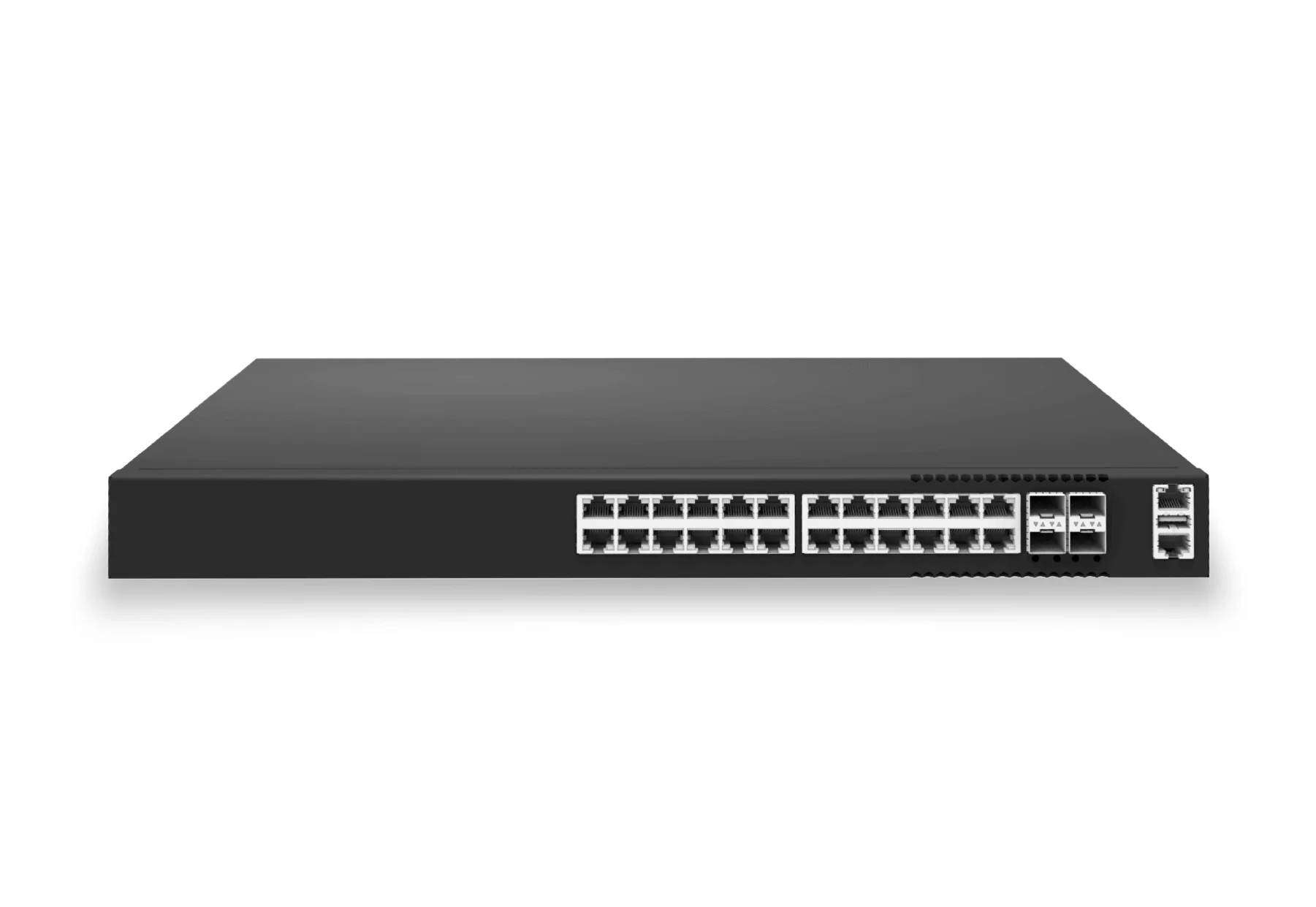
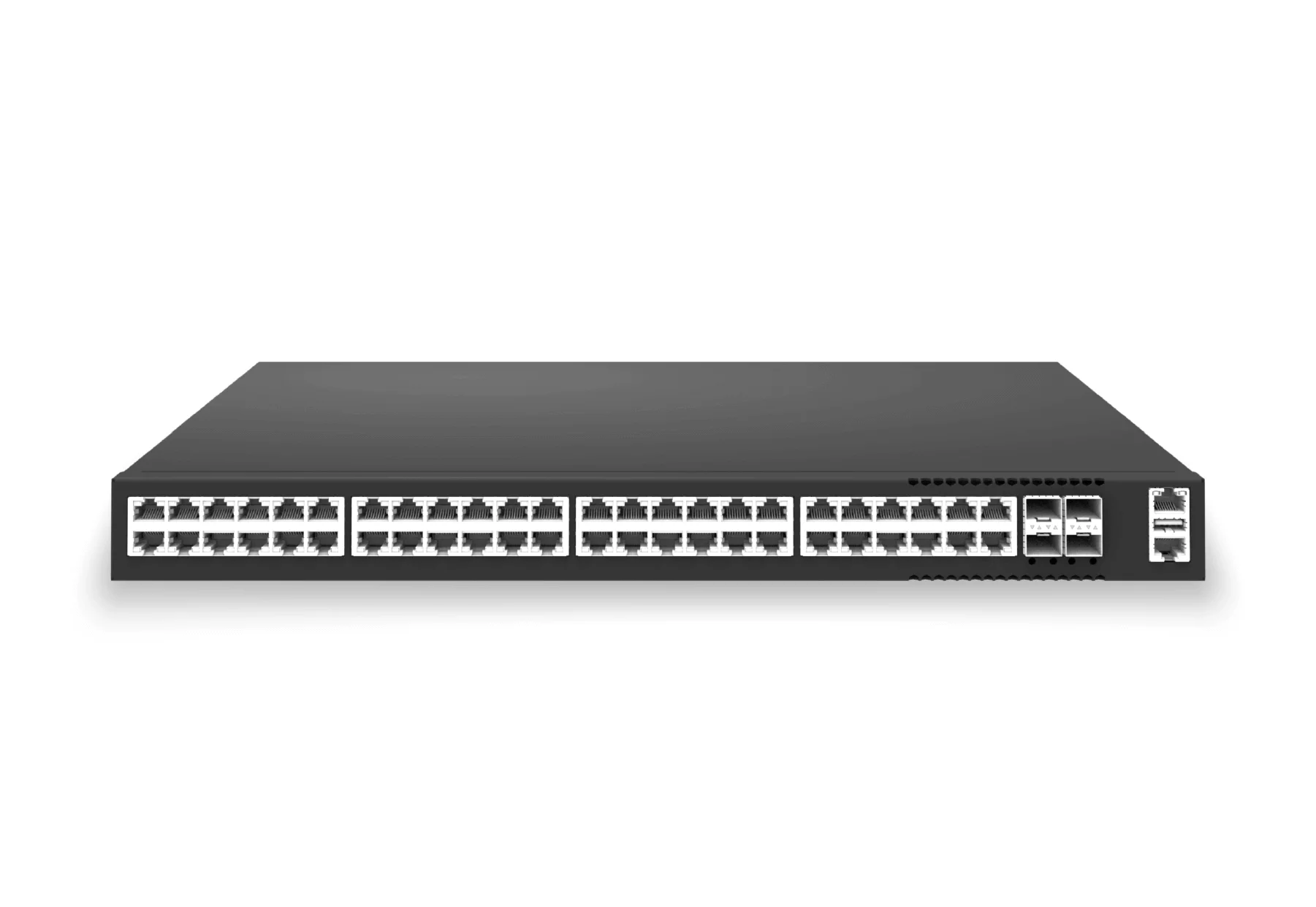
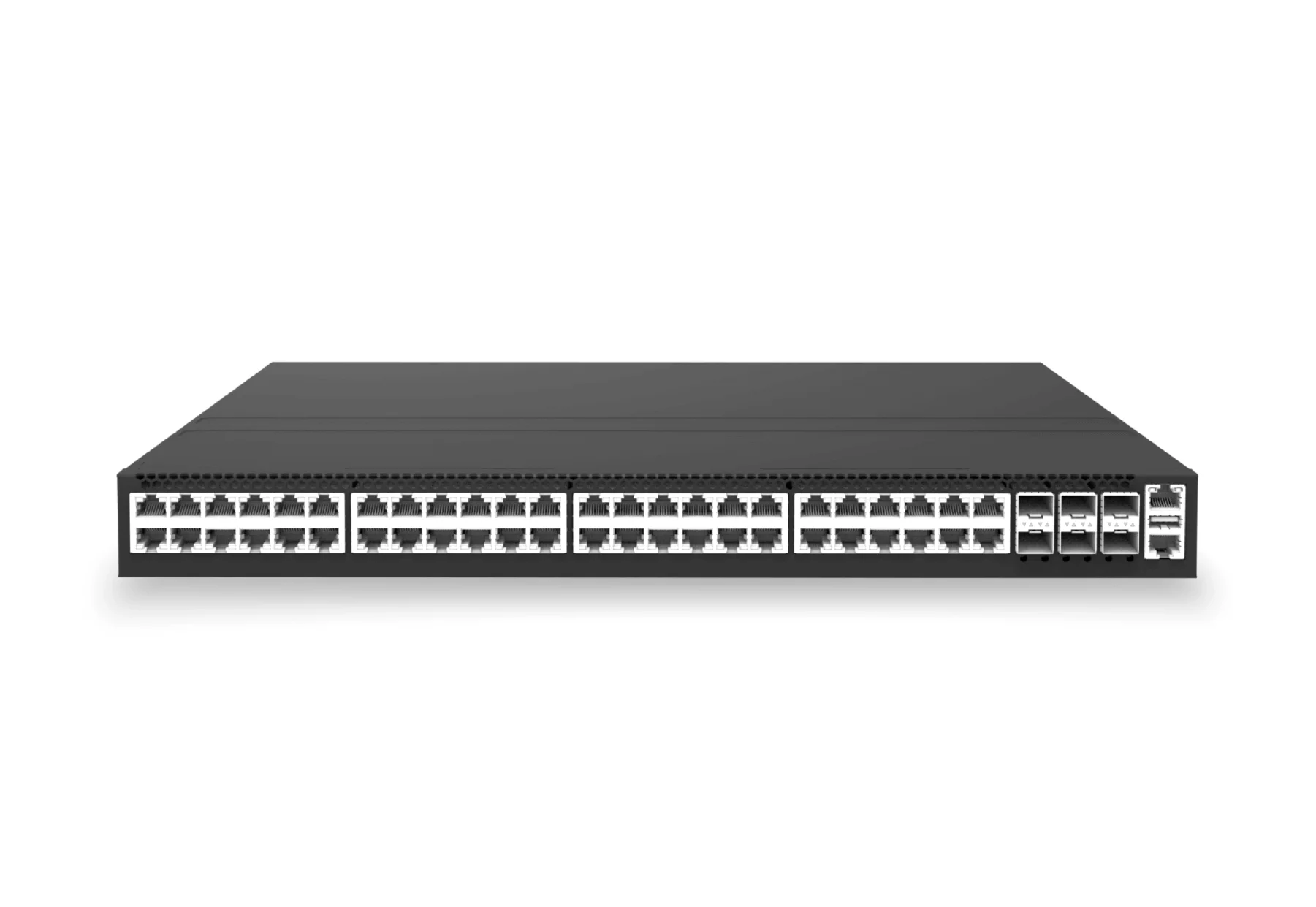
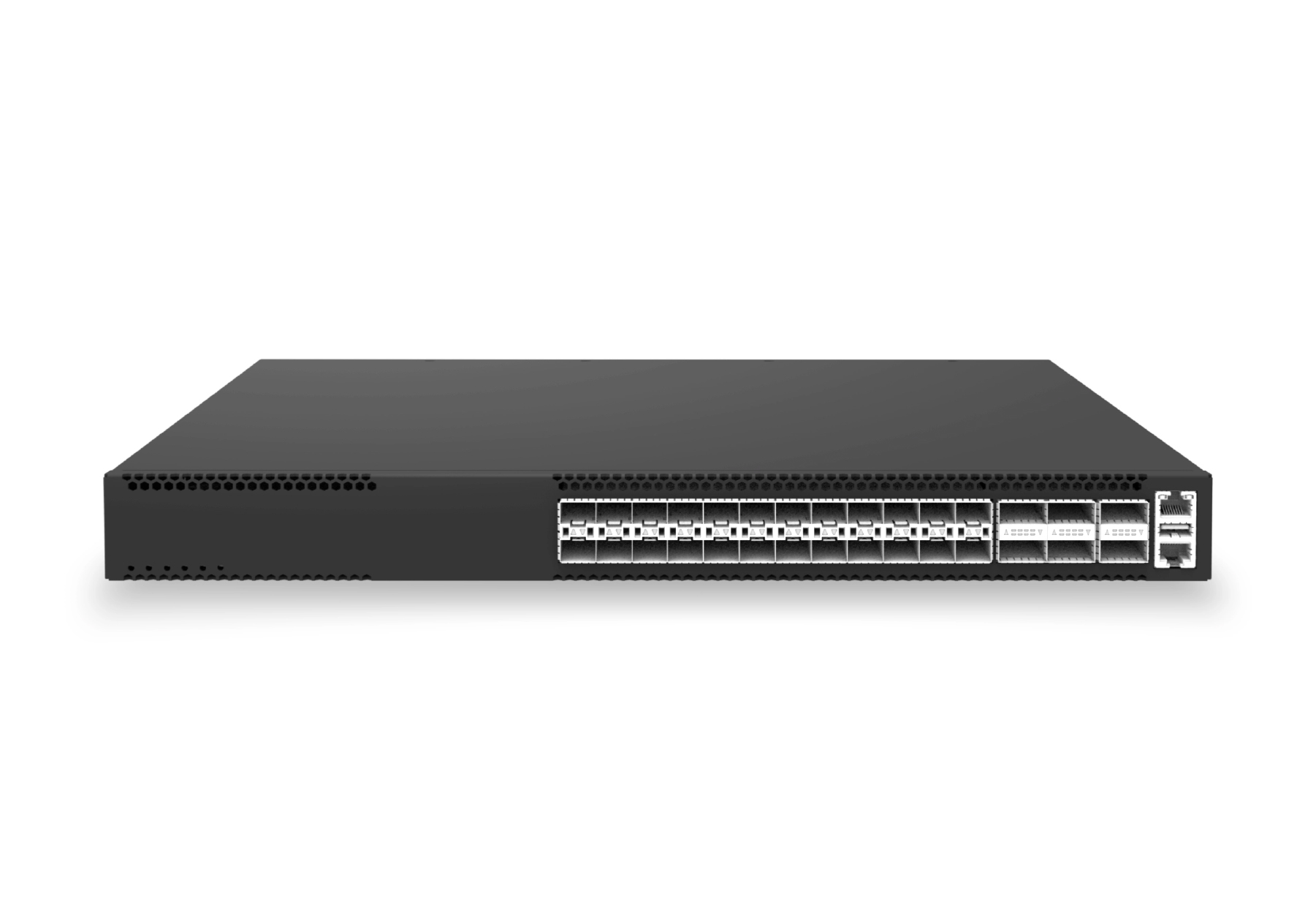
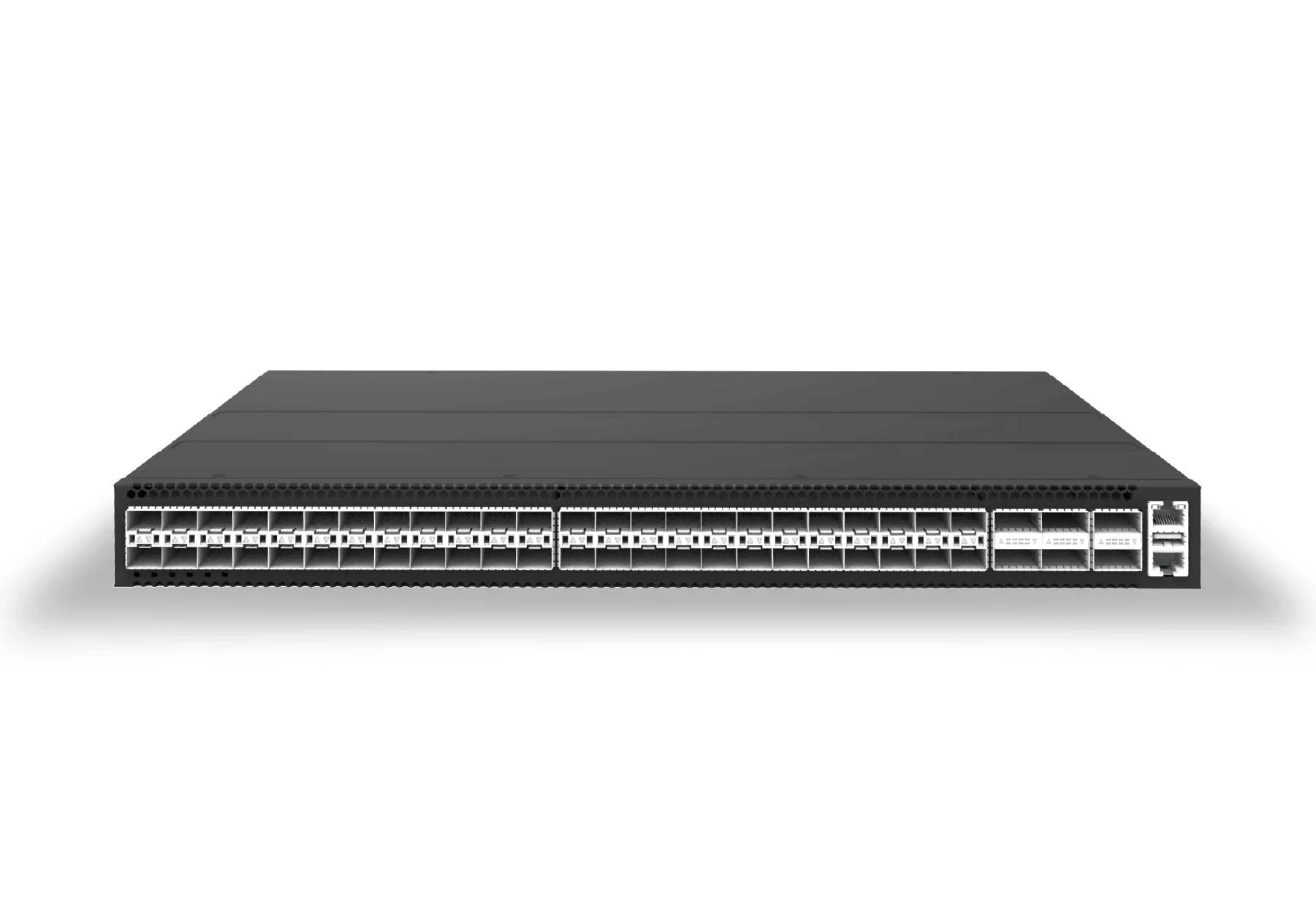
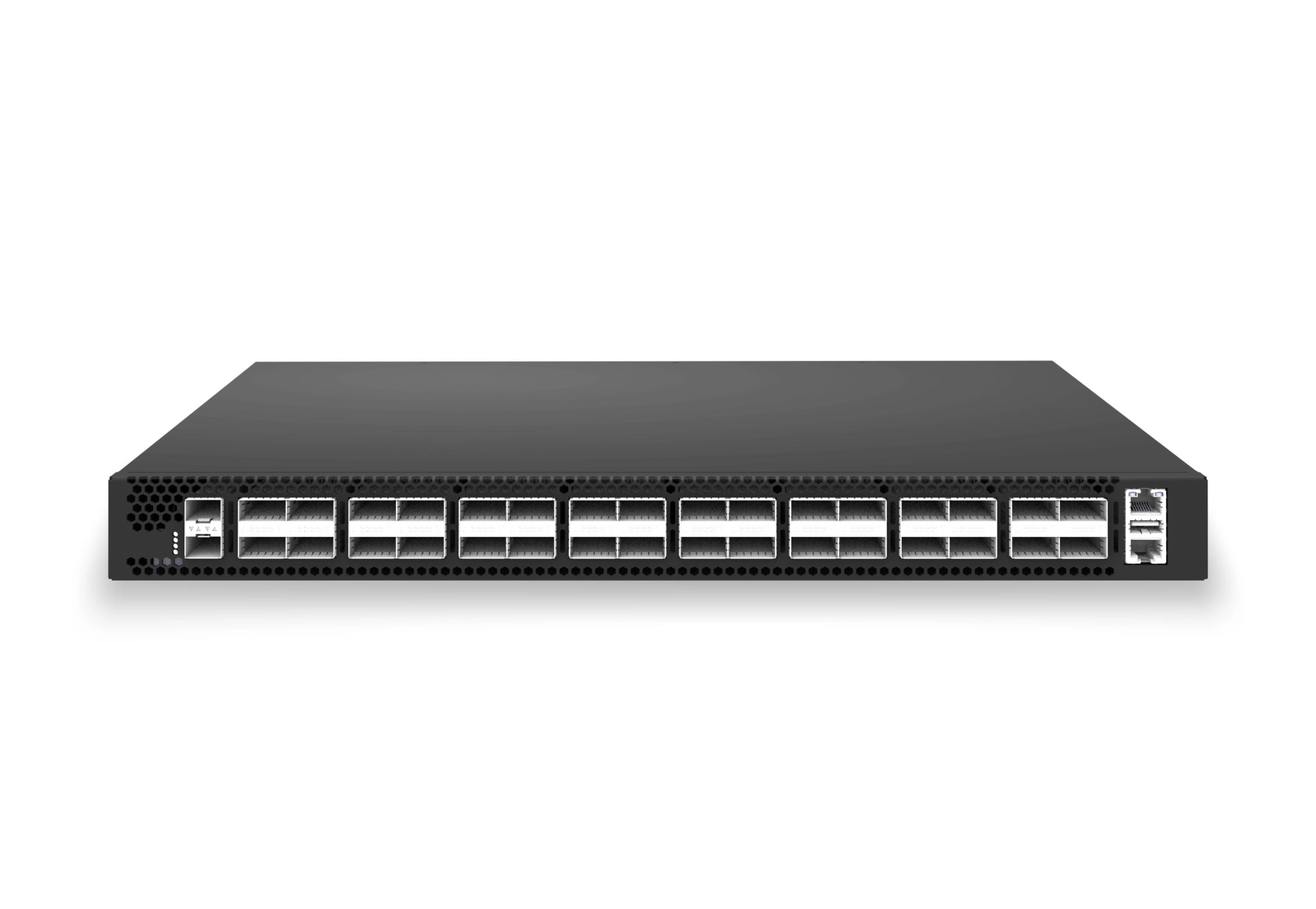
XS-AA access switches provide the campus edge for users, APs, and cameras. XS-AA aggregation and core models provide the routed backbone where shared configuration patterns can reduce rollout time and operational drift.
Engineering Position
Clustered campus configuration is useful only when it reduces repeated manual work without increasing the failure blast radius. The design should make a clear distinction between common role configuration and device identity. Shared VLAN lists, QoS policy, and security templates can be distributed broadly; hostname, management address, uplink mapping, loopback, and closet-specific exceptions must remain unique and auditable.
The risk is speed. A good shared template can make rollout faster, but a bad shared template can also push the same fault to many closets. For that reason, cluster or virtual chassis changes should move through canary, wave, and stabilization stages with drift checks after each stage.
For a practical pilot, use at least 3 member switches, 2 interconnect links, 2 access paths, 1 software upgrade, 1 split-brain simulation, and 1 rollback event. That gives the team evidence for member resilience, config synchronization, endpoint impact, and recovery before the pattern is reused across buildings.
Change Control Model
| Stage | Purpose | Evidence |
|---|---|---|
| Canary | Prove the shared role on 1 to 2 low-risk switches. | Config diff, endpoint test, rollback result. |
| Pilot group | Validate repeated closets with real endpoint mix. | Port counters, VLAN policy, uplink behavior, and exceptions. |
| Wave rollout | Apply the role by building or access block. | Per-wave issue log and post-change telemetry snapshot. |
| Stabilization | Remove temporary exceptions and hand over to support. | Final inventory, drift report, and support runbook. |
Engineering Validation Checkpoint
Virtual chassis designs should prove management simplicity without creating a larger blast radius. Validate 2 failures, 1 upgrade, 1 split-brain test, and 1 rollback. Record control-plane state, member link counters, config synchronization, and endpoint packet loss.
Use at least 3 members, 2 interconnect links, and 2 access paths in the pilot so member, link, and endpoint behavior are all visible.
| Check | Evidence to collect | Reject condition |
|---|---|---|
| Member resilience | Member status, interconnect counters, and failover packet loss. | A single member event causes multi-closet outage. |
| Upgrade behavior | Pre-check, image version, rollback, and post-upgrade service health. | Upgrade requires manual recovery or leaves inconsistent state. |
| Operations | Single-pane config, telemetry export, and incident log replay. | Simpler management hides the root cause of a member failure. |
Engineering FAQ
Is virtual chassis always simpler than independent switches?
No. It is simpler when the campus has repeated roles, disciplined templates, and clear identity boundaries. Independent switches may be safer for small sites, highly customized closets, or environments where a shared failure domain would be unacceptable.
What should be tested before broad rollout?
Test member failure, interconnect failure, software upgrade, rollback, config drift, and endpoint impact. The evidence should show not only that traffic continues, but also that operators can identify the failed member and recover without touching unrelated closets.