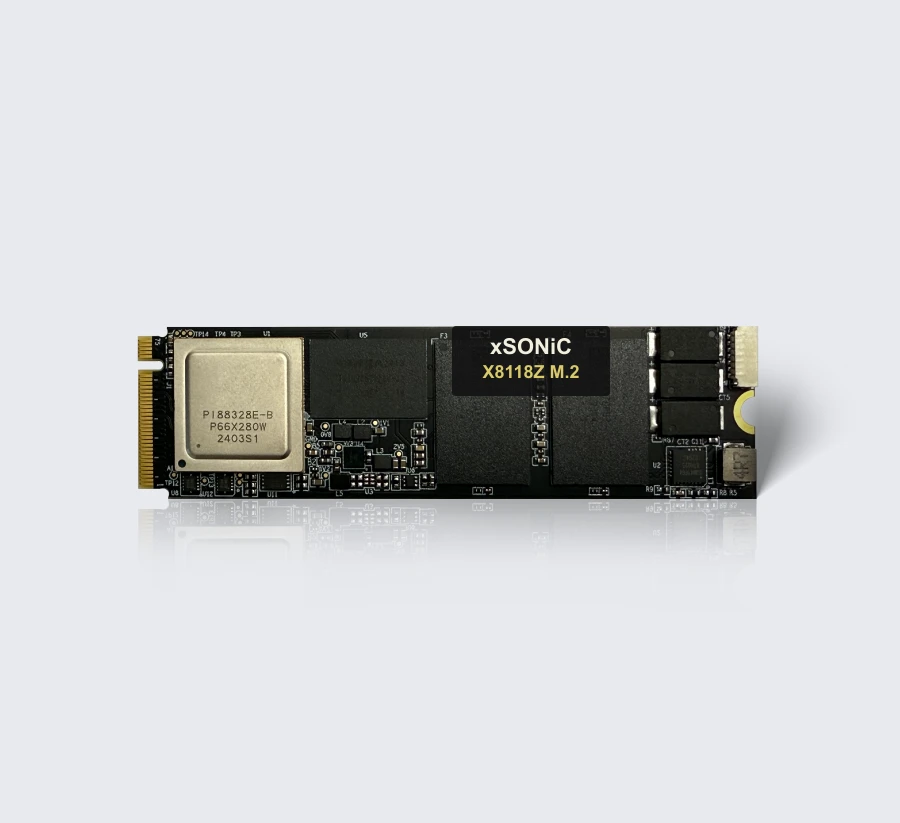
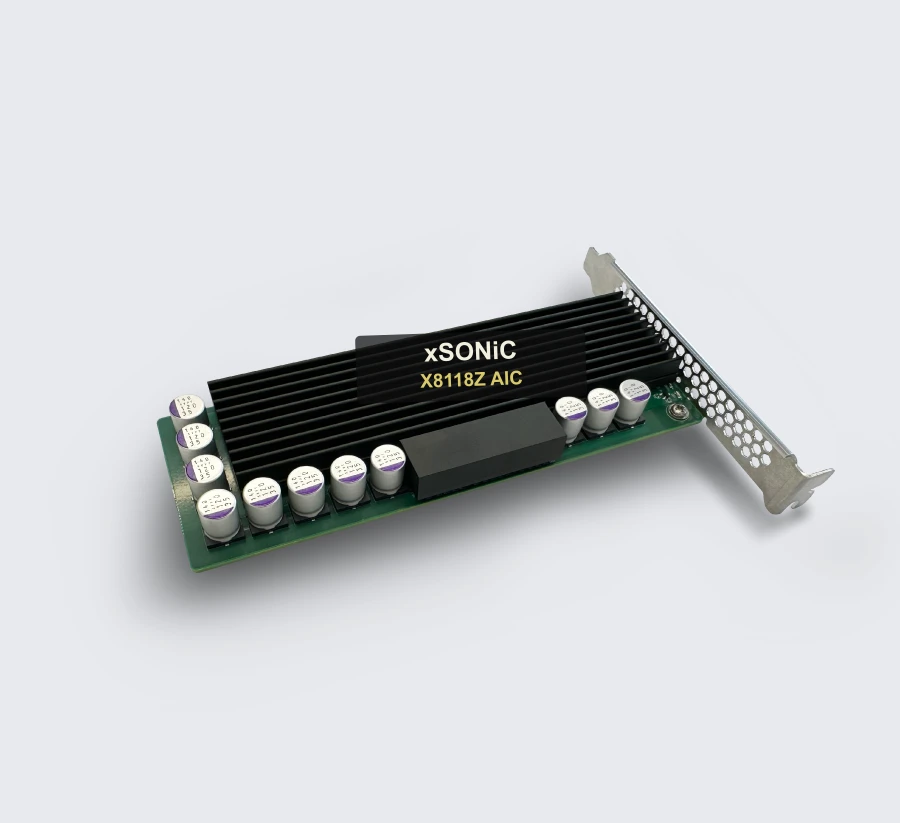
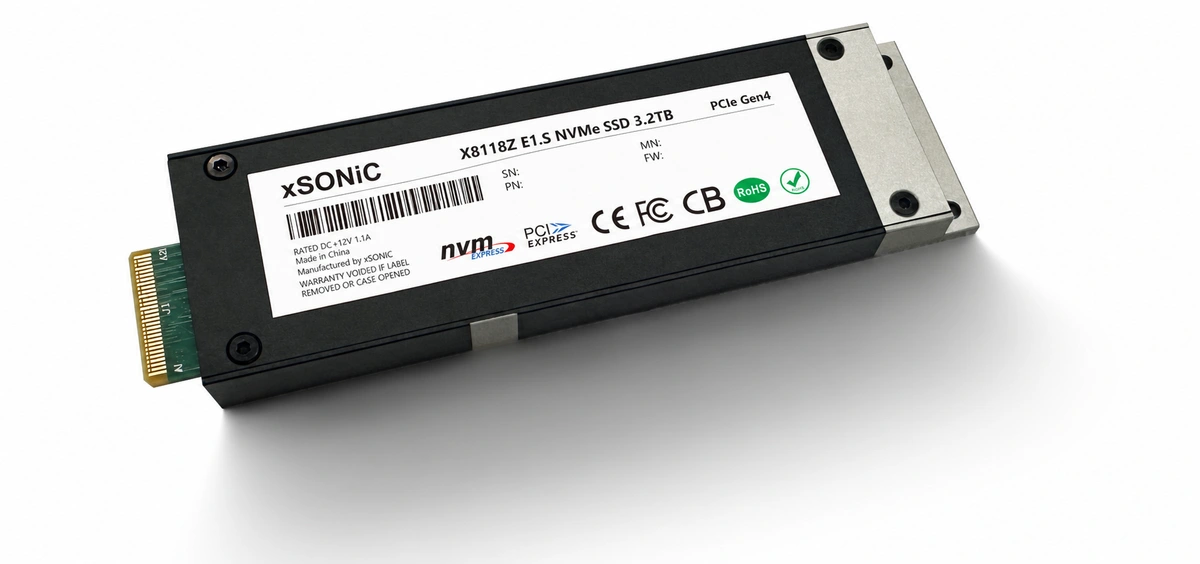
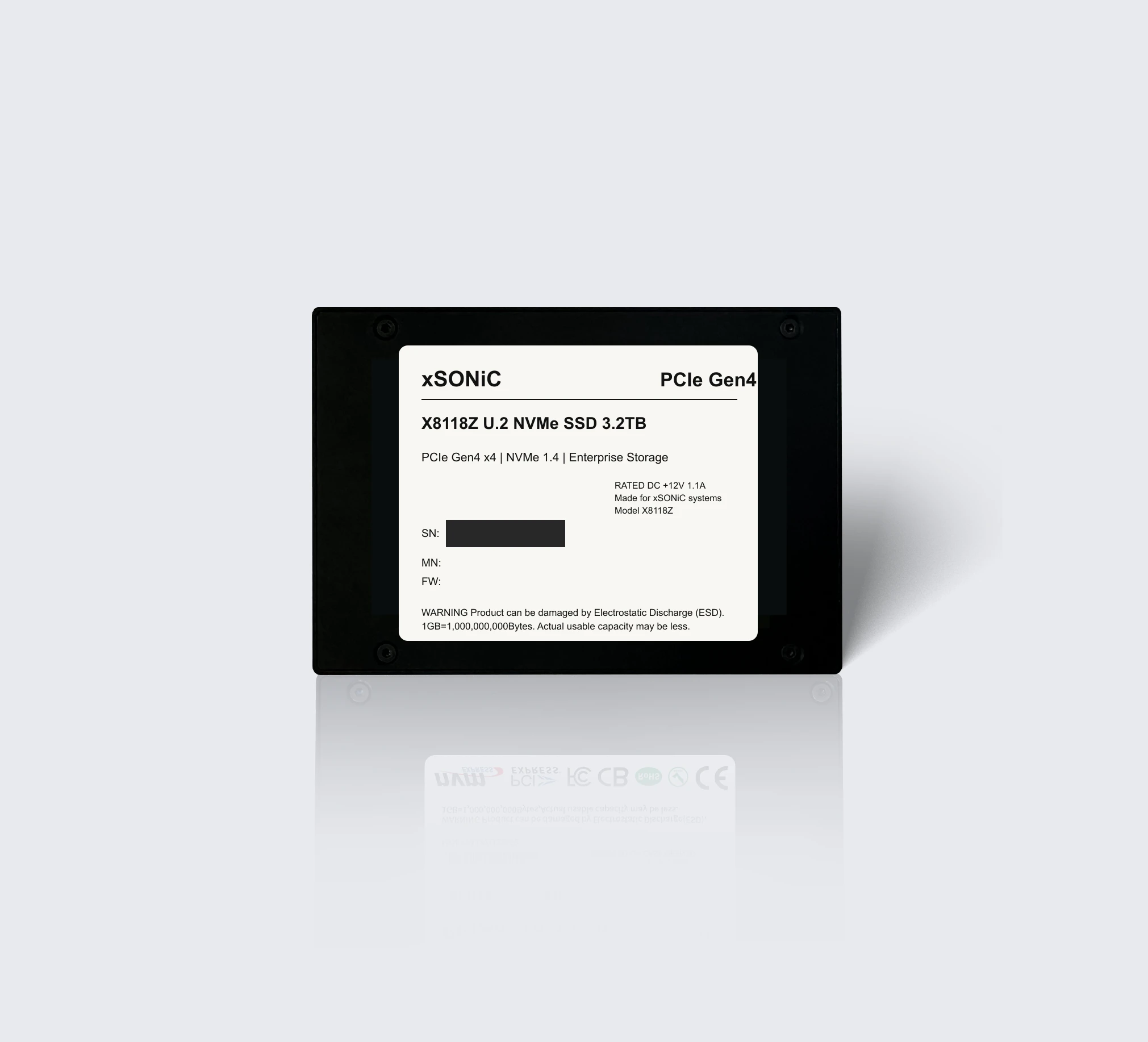
What is XS-SSD-8118Z-M2 used for?
XS-SSD-8118Z-M2 is a quote-only xSONiC product in the NVMe SSD family. It is positioned for Compact server boot and application storage..
What specifications should buyers check before quoting XS-SSD-8118Z-M2?
Start with Category: NVMe SSD; OEM Reference Model: PETA8118 M.2 Series; Form Factor: M.2-2280; Interface: PCIe Gen4 x4. Buyers should also confirm the deployment role, operating software profile, optics or cabling requirements, lead time, support scope, and any environment-specific constraints before purchase.
Is XS-SSD-8118Z-M2 sold with public pricing?
No. XS-SSD-8118Z-M2 is handled through a quote flow so xSONiC can confirm current pricing, availability, lead time, configuration, and deployment requirements for the buyer's environment.
How is XS-SSD-8118Z-M2 supported in Australia?
xSONiC is operated by XGY Pty Ltd in Australia. Support scope, configuration assistance, documentation, and handover requirements are confirmed during quotation and delivered by the xSONiC team in Australian time zones.
What does the OEM or reference model mean for XS-SSD-8118Z-M2?
OEM and source references are used to help identify the underlying hardware profile. The xSONiC product page and quote flow remain the canonical source for local configuration, support scope, availability, and commercial terms.