Overview
MC-LAG allows two physical switches to present an active-active link aggregation interface to a downstream device. In campus networks, it is commonly used between access and aggregation layers to provide device redundancy while keeping uplinks active.
STP remains relevant because many campus environments still carry bridged segments, legacy devices, or unmanaged edge loops. The design goal is to use MC-LAG for resilient forwarding while keeping STP as a controlled safety boundary.
Reference Topology
Access switch or downstream device
        |                 |
        v                 v
  xSONiC Agg A  <---->  xSONiC Agg B
        |     peer link     |
        +------ campus core-+
The access device sees a single logical bundle. The aggregation pair maintains peer state over a dedicated peer-link and keepalive path.
Design Components
| Component | Purpose | Design Requirement |
|---|---|---|
| Peer-link | Synchronizes state between MC-LAG peers. | Dedicated, redundant, and monitored. |
| Keepalive | Detects peer availability. | Physically separate from peer-link where possible. |
| Member links | Carry downstream bundled traffic. | Same VLAN and LAG policy on both peers. |
| STP boundary | Protects bridged segments. | Root placement and edge-port policy must be deliberate. |
MC-LAG and STP Interaction
| Situation | Risk | Recommended Handling |
|---|---|---|
| Access switch dual-homed to aggregation pair | Loop or blocked uplinks if STP and LAG disagree. | Use MC-LAG as the forwarding construct; keep STP predictable. |
| Legacy Layer 2 segment attached to access | Unexpected topology changes. | Use edge-port and BPDU guard policy where appropriate. |
| Peer-link failure | Split-brain or inconsistent forwarding. | Define fail-safe behavior and monitor keepalive state. |
| VLAN mismatch across peers | Blackholing or asymmetric forwarding. | Automate and audit VLAN/LAG consistency. |
Failure Scenarios
| Failure | Expected Behavior | Test |
|---|---|---|
| Single member link failure | Traffic remains on surviving member. | Pull one access uplink during low-risk window. |
| Aggregation switch reboot | Downstream bundle remains reachable through peer. | Reboot one peer and monitor convergence. |
| Peer-link failure | System enters protected behavior. | Confirm no loop or duplicate forwarding occurs. |
| STP topology change | Network reconverges without large blast radius. | Trigger controlled edge event and review logs. |
Deployment Checklist
- Define aggregation peer pair, peer-link, and keepalive path.
- Configure downstream LAG consistently on both peers.
- Align VLANs, gateway behavior, and access policy.
- Place STP root intentionally for any bridged domains.
- Enable protections such as BPDU guard on true edge ports.
- Test member-link, peer-link, keepalive, and chassis failure cases.
xSONiC Platform Fit
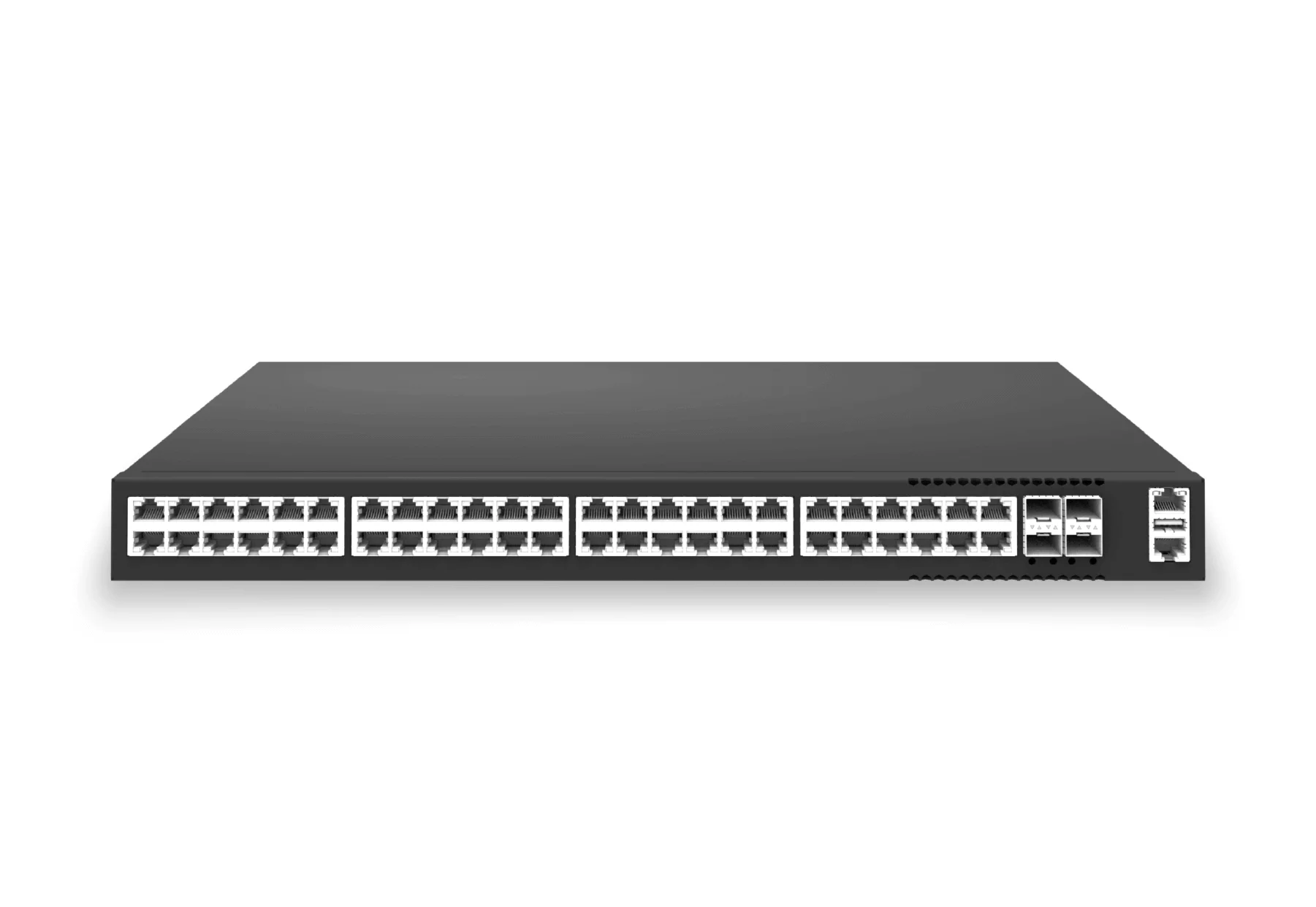
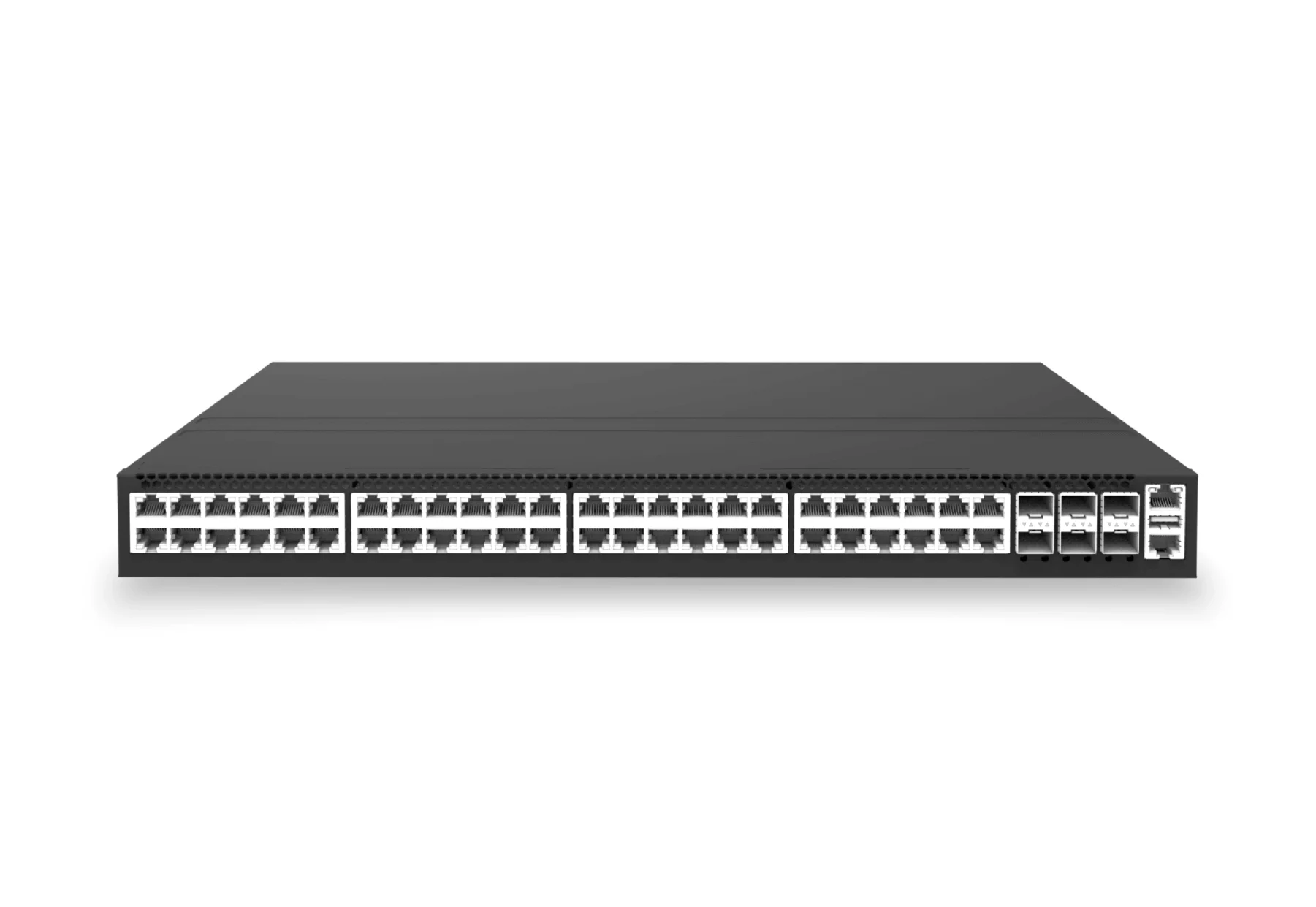
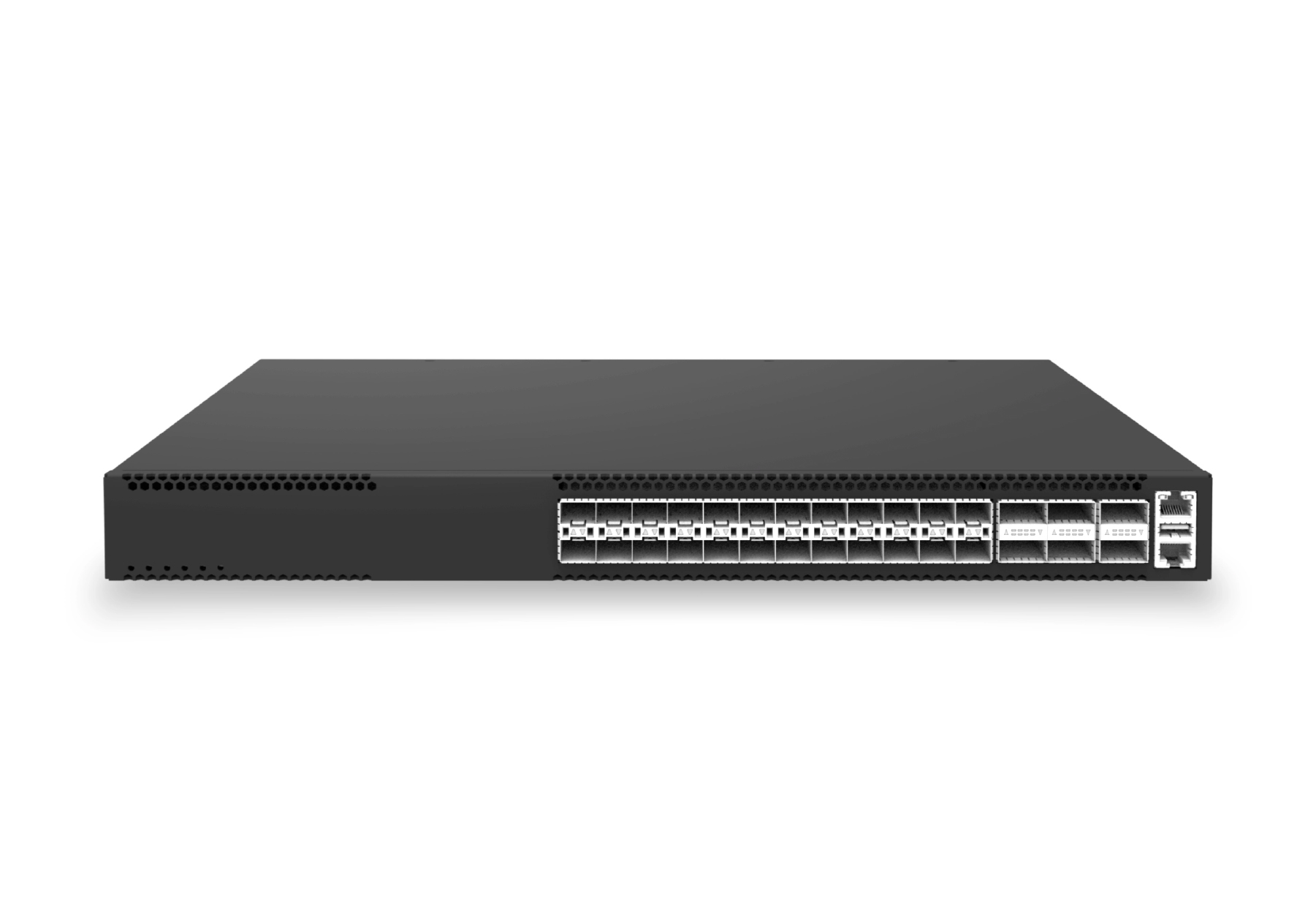
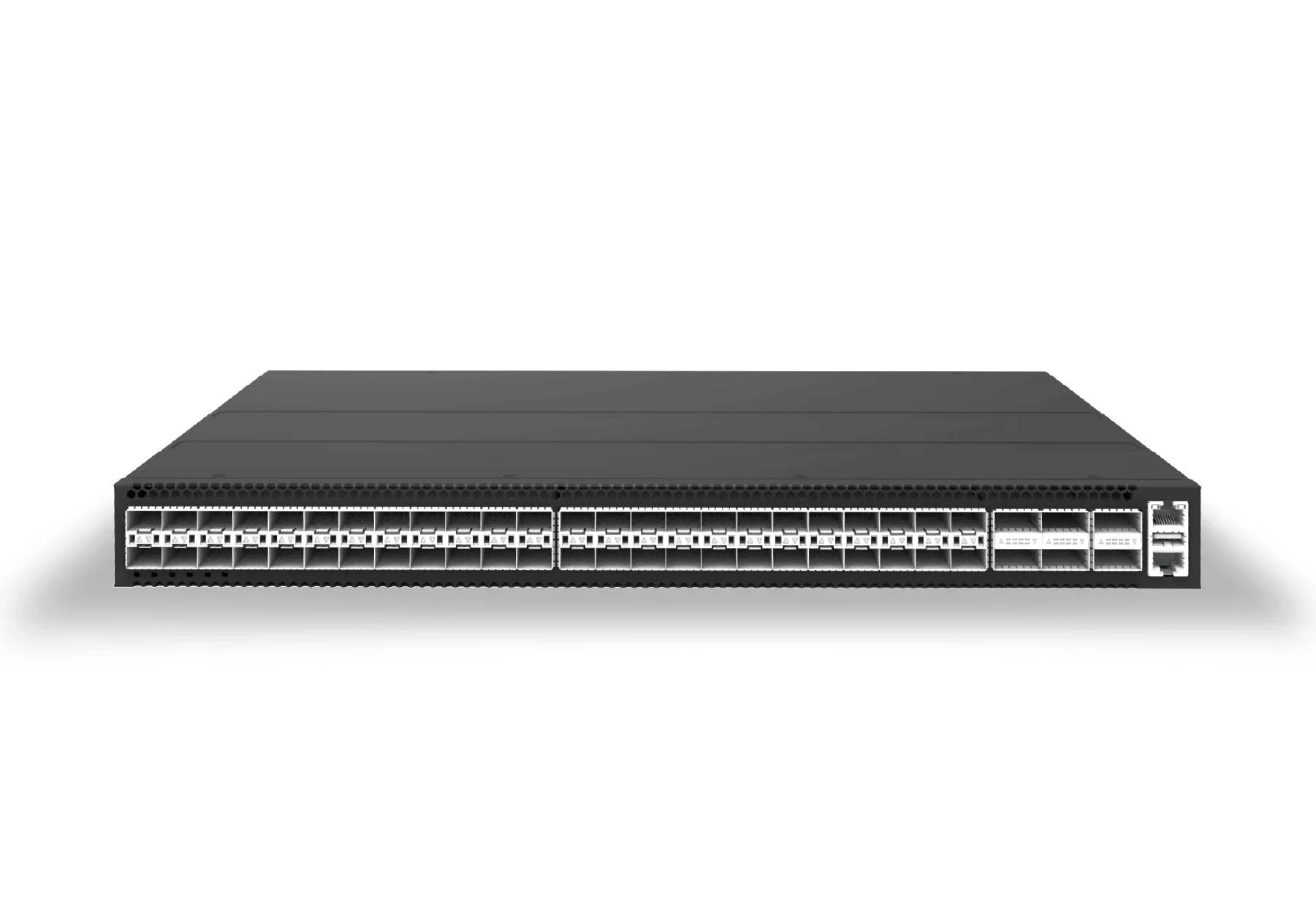
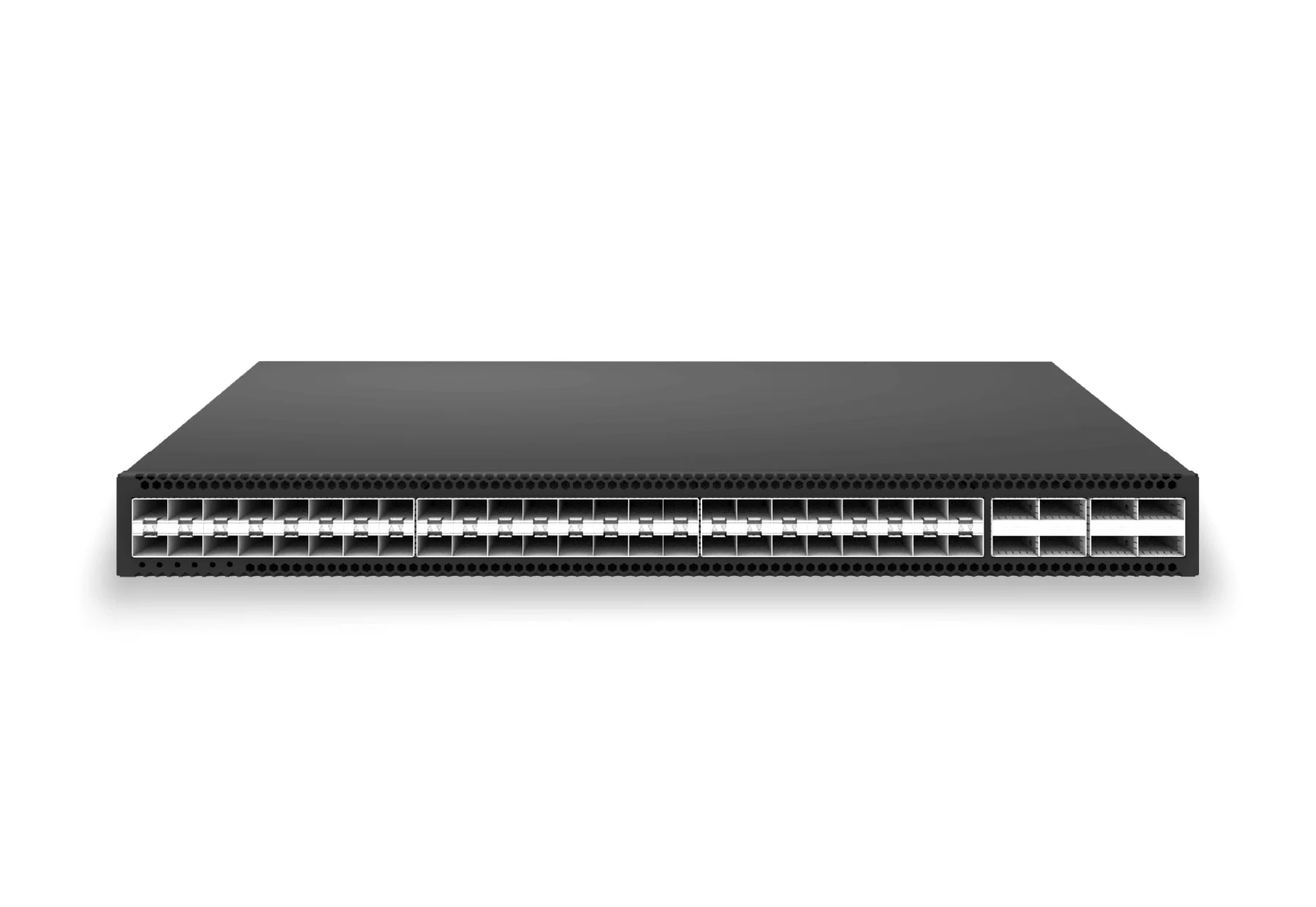
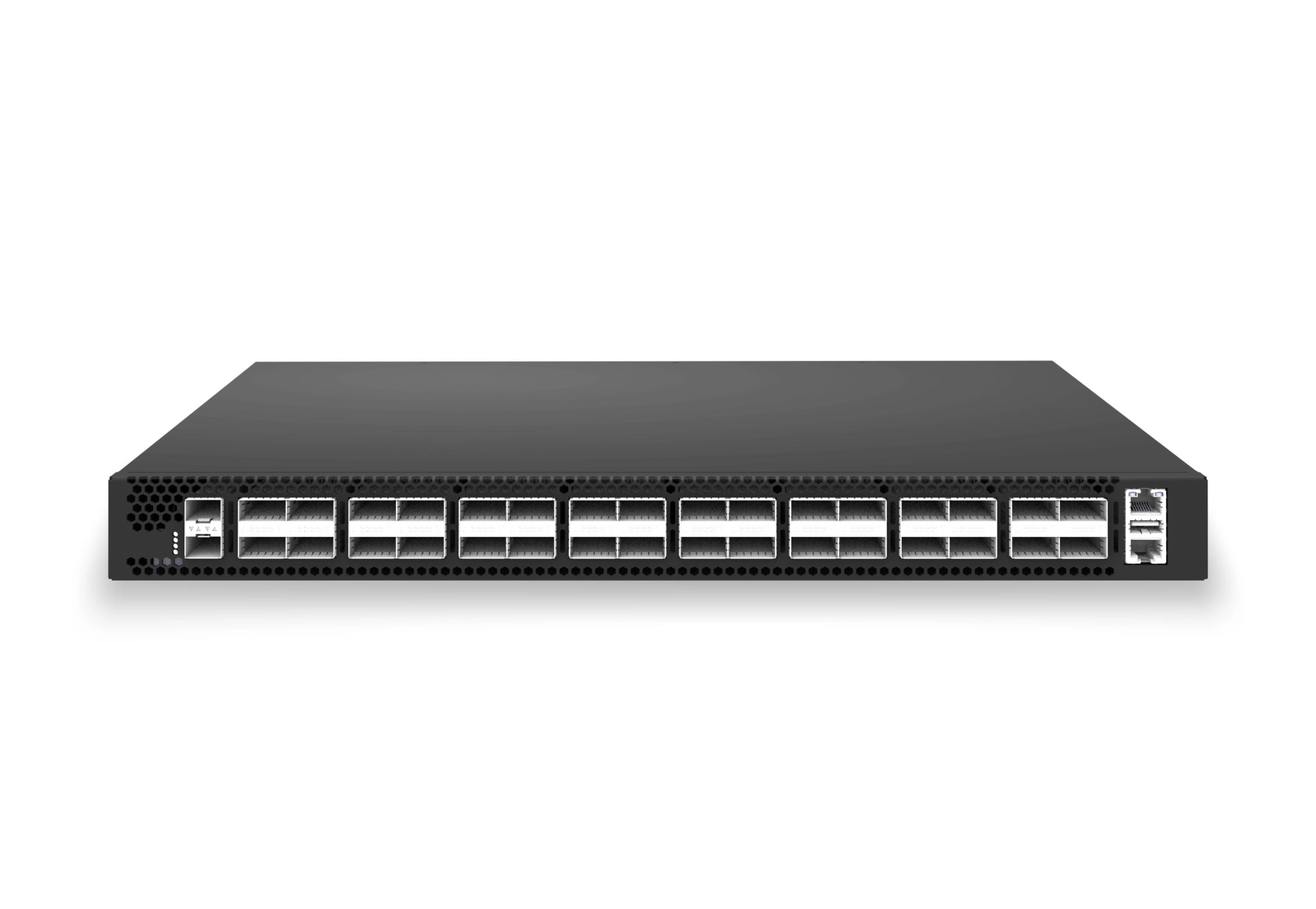
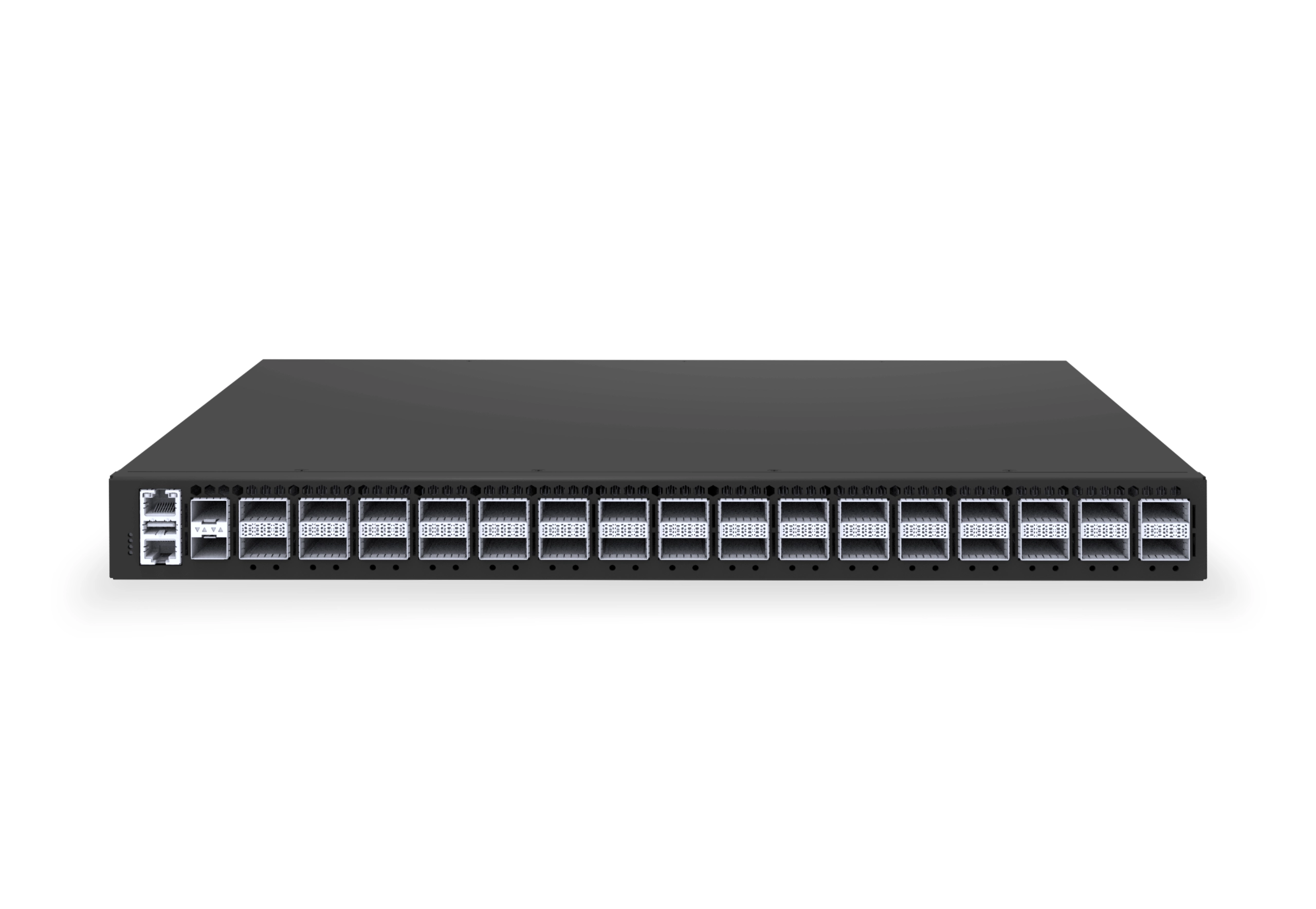
XS-AA aggregation and core models are a natural fit for resilient campus distribution blocks. Higher-density 25G, 100G, and 400G platforms can serve large buildings or campus cores where access closets need active-active uplinks and predictable recovery.
Design Boundaries
MC-LAG is valuable when it reduces single-device failure risk without hiding the Layer 2 control plane. The design should state which switch pair owns the logical bundle, where the STP root sits, how peer-link and keepalive traffic are separated, and what happens if the peer-link fails before keepalive detects the peer. Those details are more important than the brand name of the feature.
Do not use MC-LAG to mask unmanaged cabling risk. If the access layer still has unknown patching, unmanaged switches, or building loops, keep BPDU guard, storm-control, and edge-port policy in the acceptance plan. A campus design is strong only when it forwards actively and still fails safely.
Engineering Validation Checkpoint
MC-LAG and STP designs should be validated with real failure order, not just topology diagrams. Test 2 access switches, 2 uplinks, one peer-link failure, one member-link failure, and one accidental loop. Record convergence time, MAC movement, blocked/forwarding state, and endpoint packet loss.
| Check | Evidence to collect | Reject condition |
|---|---|---|
| Redundancy | MC-LAG state, peer-link counters, and failover packet loss. | Endpoint traffic blackholes or duplicates during peer failure. |
| Loop protection | STP state, BPDU behavior, and storm-control counters. | A loop can persist without an alarm or automatic guardrail. |
| Operations | Change template, rollback test, and post-failure log collection. | Operators cannot prove which link or state change caused the outage. |
Engineering FAQ
Can MC-LAG replace STP?
No. MC-LAG can provide active-active forwarding for a controlled bundle, but STP or equivalent loop protection still matters around legacy segments, unmanaged edge devices, and accidental cabling loops. Treat MC-LAG as a forwarding design and STP guardrails as a blast-radius control.
What evidence should be captured in a pilot?
Capture MC-LAG state, peer-link counters, keepalive status, MAC movement, blocked/forwarding state, endpoint packet loss, and logs for each failure order. The pilot should include member-link failure, peer failure, peer-link failure, and an edge loop so operations can see how the design behaves under stress.